


Analyst questions gambling harm estimate cited in Lords ad ban report, Pexels CC0

Related News

Ontario iGaming Wagers Top C$10 Billion for First Time
Ontario players wagered a record C$10.67 billion in October, the first month above C$10 billion, as revenue and active accounts also hit all-time highs.

CLSA Cuts 2027 Macau GGR Forecast 8% on Weak China Data
CLSA now sees Macau GGR falling 3.4% to MOP238.3 billion in 2027, with no growth before Q4 as China data weakens and visitor spending slips.

Betting Drives South Africa’s Gambling Revenue to a Record R84.46 Billion
Betting drove South Africa’s gambling revenue to a record R84.46 billion, while land-based casinos recorded a second straight annual decline.

Australia’s New Gambling Payment Rules Could Stop Deposits in January
From 1 January 2027, Australian banks and other payment providers must take reasonable steps to stop deposits reaching illegal gambling sites.

South African Bookmakers Challenge Proposed Gambling Tax
South Africa's proposed 20% gambling tax faces growing opposition, including Kenya's warning to bookmakers.

Bally’s Lands $560 Million in Financing Amid Chicago Casino Concerns
The money will be used to repay outstanding debts, support general corporate operations, and advance the Chicago casino project.

Macau Gaming Tax Up 5.2% to MOP81.5B (US$10.1B) in 10 Months
Macau's gaming tax rose 5.2% to MOP81.53 billion (US$10.09 billion) in the first 10 months of 2026, but October receipts fell 1.4% as casino revenue weakens.
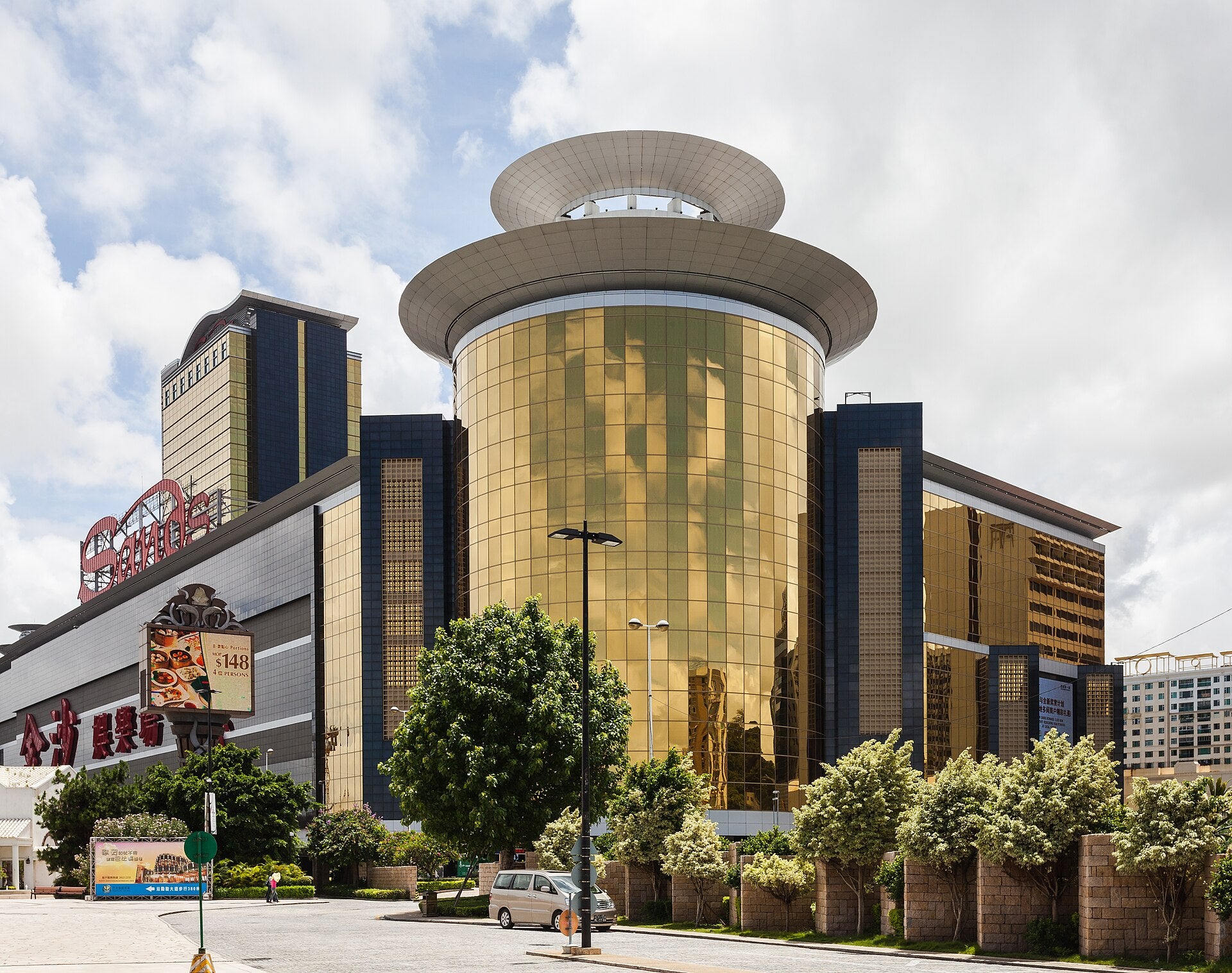
Melco Profit Nearly Vanishes as Macau Q3 Results Split
Melco's Q3 net income dropped to just US$34,000 as Macau GGR fell 3.8%. Wynn and SJM also weakened, while MGM China posted record revenue.

Macau Gaming Revenue Falls 10% as Visitor Numbers Climb
Macau's October GGR fell 10% to MOP21.68 billion, its fifth straight monthly decline, even as Golden Week set a single-day visitor record.

Betty Canada Revenue Hits Record US$111M in Q3 2026
Betty Canada's Q3 2026 net revenue rose 23% to a record US$111 million as Alberta, its newest market, delivered 12% of revenue in under three months.
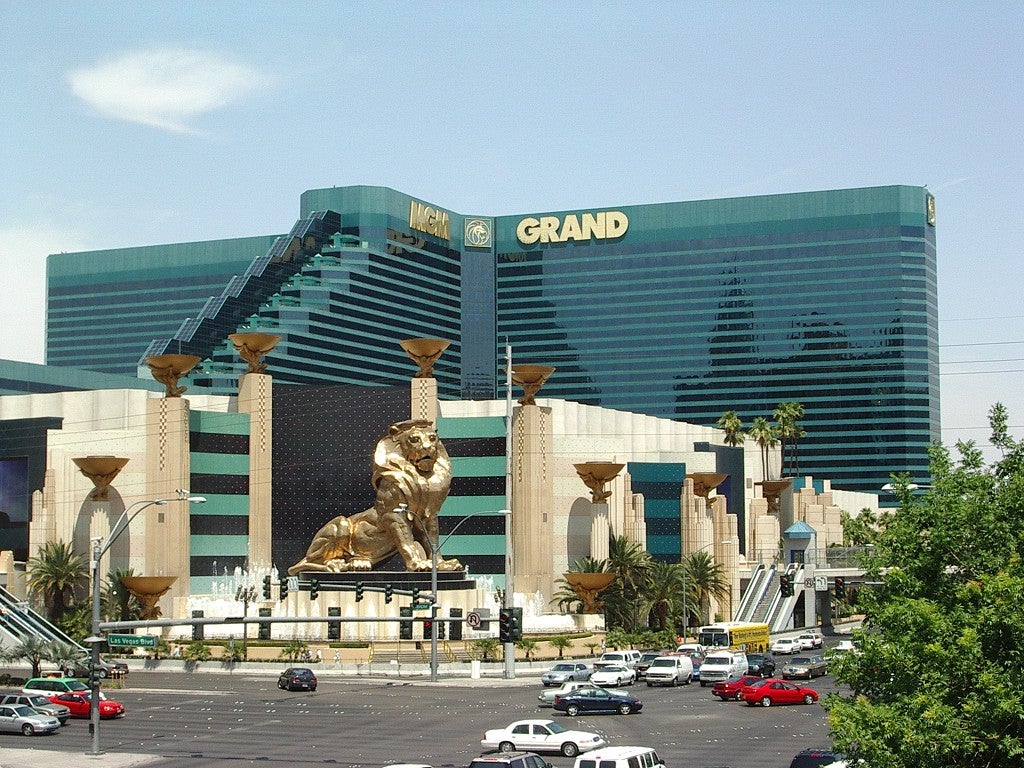
MGM Resorts Posts $17M Q3 Loss as Vegas Room Rates Slide
MGM Resorts posted a $17 million Q3 2026 loss as Strip room rates dropped 8%, while record Macau revenue and digital growth softened the blow.
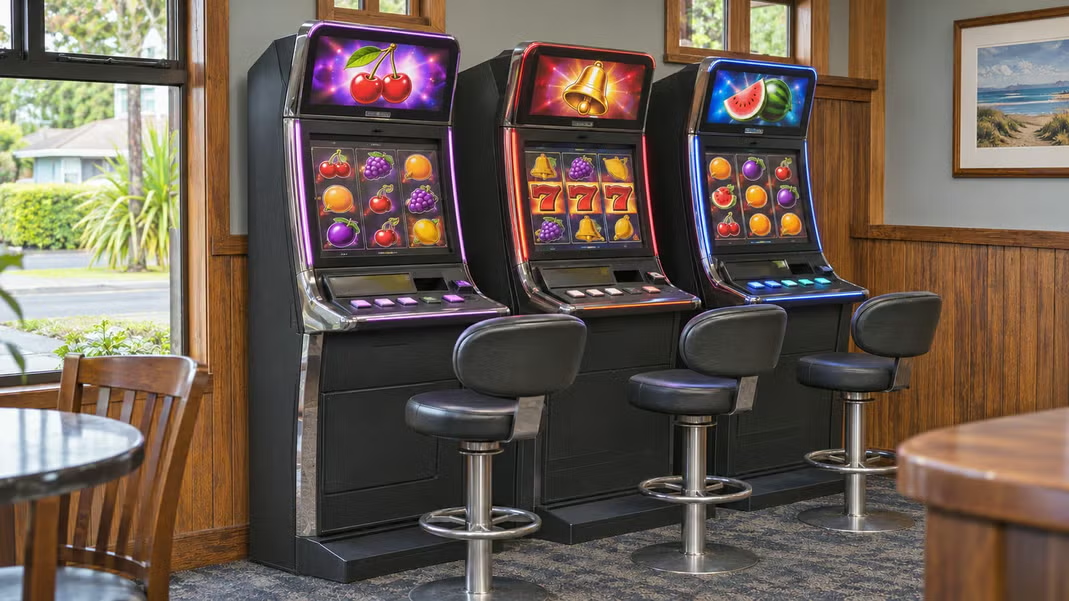
New Zealand’s Kāpiti Retains Pokies Limits as Annual Losses Reach NZ$8m
Kāpiti Coast has retained its sinking lid gambling policy, with 184 pokies across 11 venues and annual player losses reaching NZ$8 million.
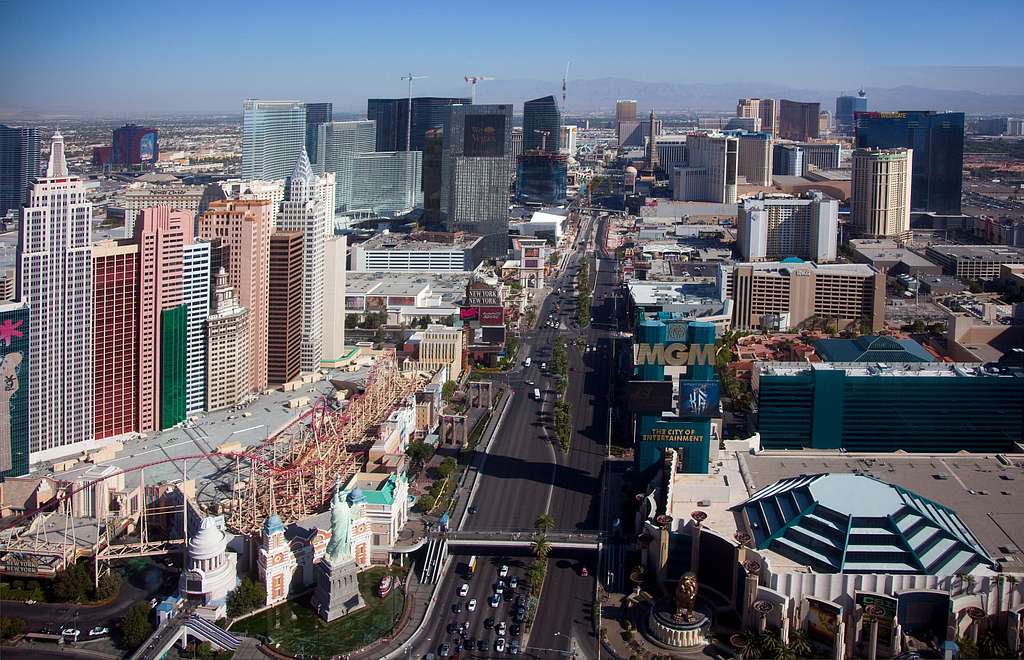
Nevada Casinos Win $1.28B in September as Room Rates Fall
Nevada gaming win slipped just 0.05% to $1.28 billion in September, while Las Vegas room rates fell 6.3% and major operators reported softer Q3 results.

The Star Returns to Positive Quarterly Earnings, but Financial Risks Remain
The Star Entertainment has reported A$12 million in quarterly EBITDA, reversing last year's loss as its Sydney and Gold Coast casinos show signs of recovery.
South Africa's Betting Revenue Rose 390% in Four Years. Now a Tax Is Coming
South Africa's betting revenue jumped from R10.6 billion to R51.97 billion in four years. Treasury now plans an online gambling tax, with the final design due in February 2027.

Happy Valley Casino Shockingly Posts Worst Month Since Launch
Happy Valley Casino opened its doors to customers in April. But despite changing leadership after an underwhelming start, the property is still hurting.

SkyCity Opens Door to Takeover Bids After Rejecting Two Offers
SkyCity Entertainment Group has launched a structured process to consider potential takeover proposals after rejecting two unsolicited bids earlier this year. The company has appointed advisers to assess interest but says there is no guarantee of a sale.

Macau Q3 GDP Projected to Fall 2% as Gaming Slump Deepens
Macau's economy likely shrank about 2% in the third quarter as casino revenue fell, and brokers now expect October gaming revenue to decline too.

Macau Mass Baccarat Revenue Falls to 2026 Low in Q3
Macau's mass baccarat revenue dropped 4.5% to MOP33.6 billion ($4.03 billion) in the third quarter, its lowest of 2026, while VIP baccarat climbed 6.3%.
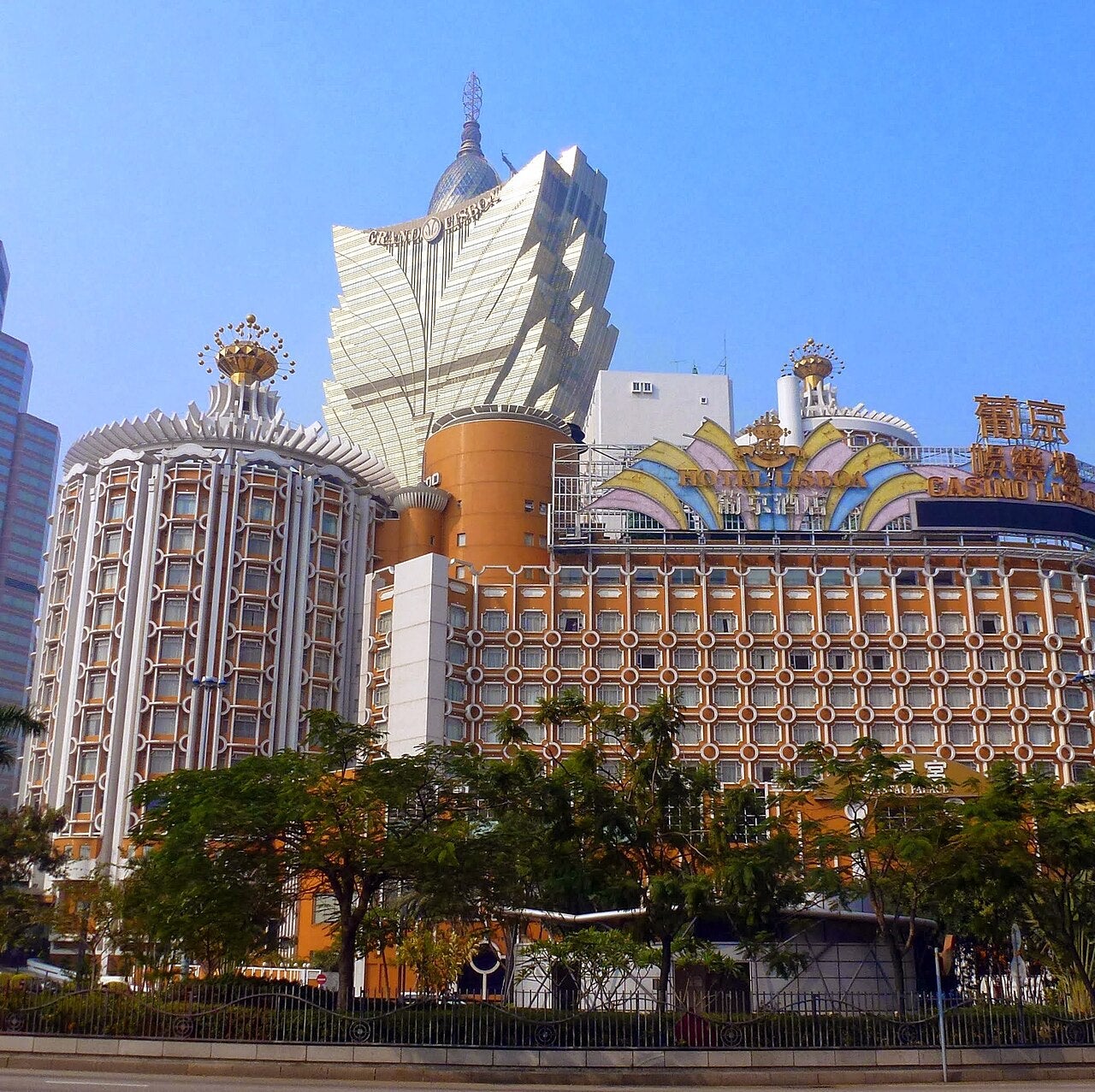
Macau Casinos Face Q3 Profit Drop, CLSA and Goldman Warn
CLSA forecasts an 11% drop in Macau casino EBITDA for Q3, while Goldman Sachs sees a 9% fall, as rising commissions and soft gaming revenue squeeze margins.

Macau Holds 2026 Gaming Revenue Forecast Despite Slump
Chief Executive Sam Hou Fai says Macau will keep its MOP236 billion (US$29.2 billion) GGR target as October's Golden Week result becomes crucial for 2026.
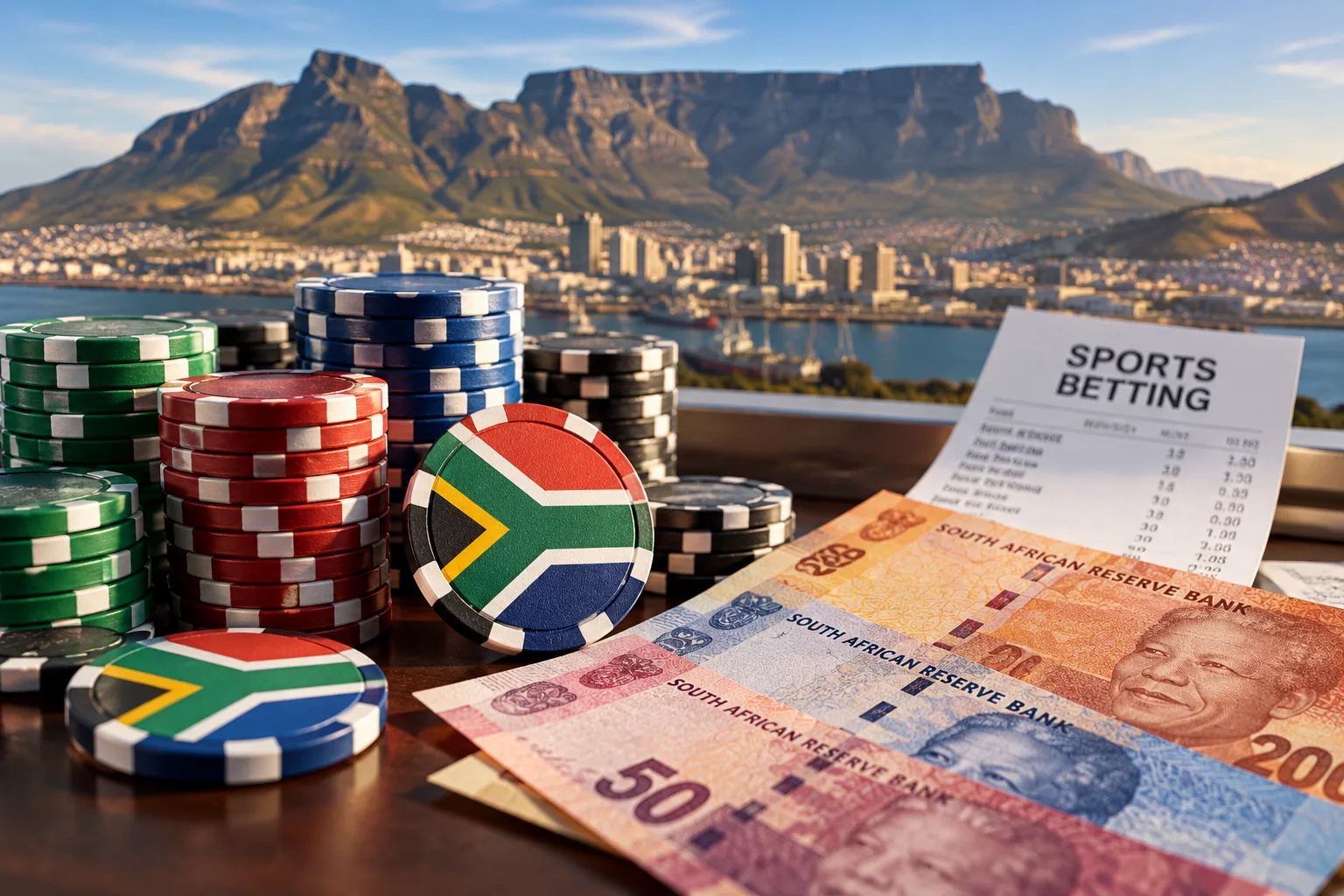
Western Cape Gambling Tax Revenue Tops R1.19 Billion in 2026
Western Cape gambling tax collections reached R1.19 billion in the first seven months of 2026. Sports betting contributed R692.44 million, accounting for approximately 58% of the total, according to official regulatory figures.
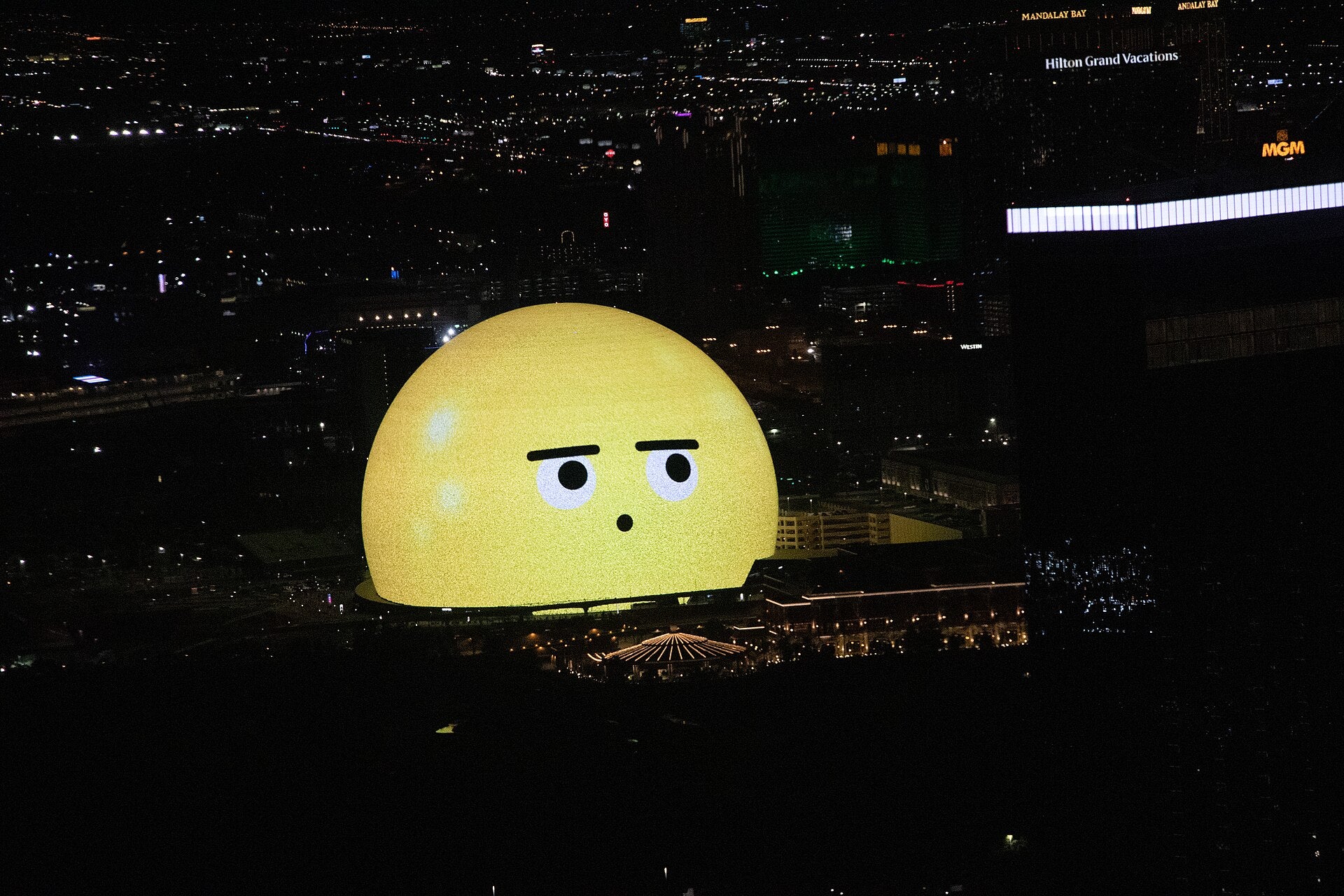
Sphere Entertainment Shares Sink Nearly 14% After Craig-Hallum Downgrade
Sphere Entertainment shares closed at $110.83 on Monday after Craig-Hallum downgraded the stock, citing flat demand for The Wizard of Oz at Sphere.

Macau GGR Falls 1.2% in September as Earnings Risks Rise
Macau's September GGR slipped 1.2% to MOP18.06 billion despite an easy comparison, and CLSA warns earnings forecasts may face further cuts.

IMF Sees Macau VIP Gaming Staying a Small Share of GGR
The IMF's 2026 Article IV report says mass-market play made up about 73 percent of Macau's GGR in 2025, with VIP gaming expected to stay relatively low.

SunBet Targets Betway and Hollywoodbets as South African Online Growth Accelerates
SunBet is looking to close the gap on Betway and Hollywoodbets after growing significantly faster than South Africa’s wider online betting market.

Loto-Québec Revenue Rises to CA$782.6M Ahead of Oct. 5 Election
Loto-Québec's quarterly revenue rose 2.1% to CA$782.6 million, led by casinos, as opposition parties push to end its online gambling monopoly.

Ontario Sports Betting Falls 30% in August as Casino Surges
Ontario sports betting revenue fell 30% to CA$54.4 million in August, while online casino wagers hit a record 90% share of the CA$9.74 billion handle.
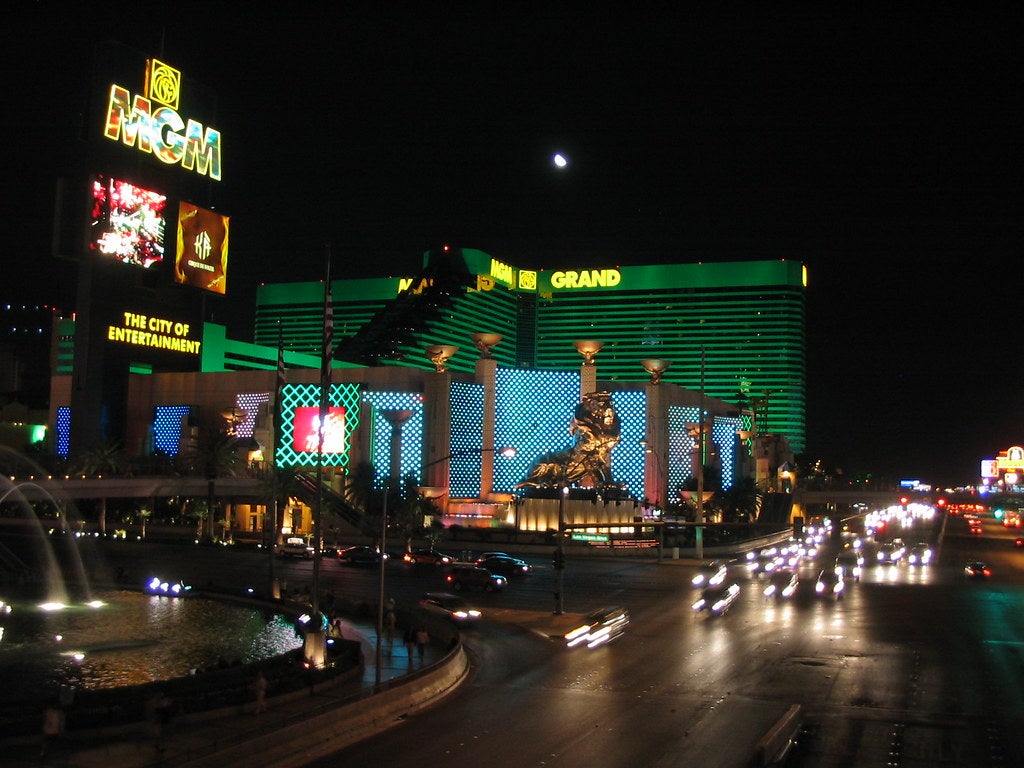
Barry Diller, People Withdraw $18bn BetMGM Takeover Bid
MGM Resorts confirmed on Wednesday that the bid had been withdrawn, leaving the hotel-casino enterprise as a “standalone company.”
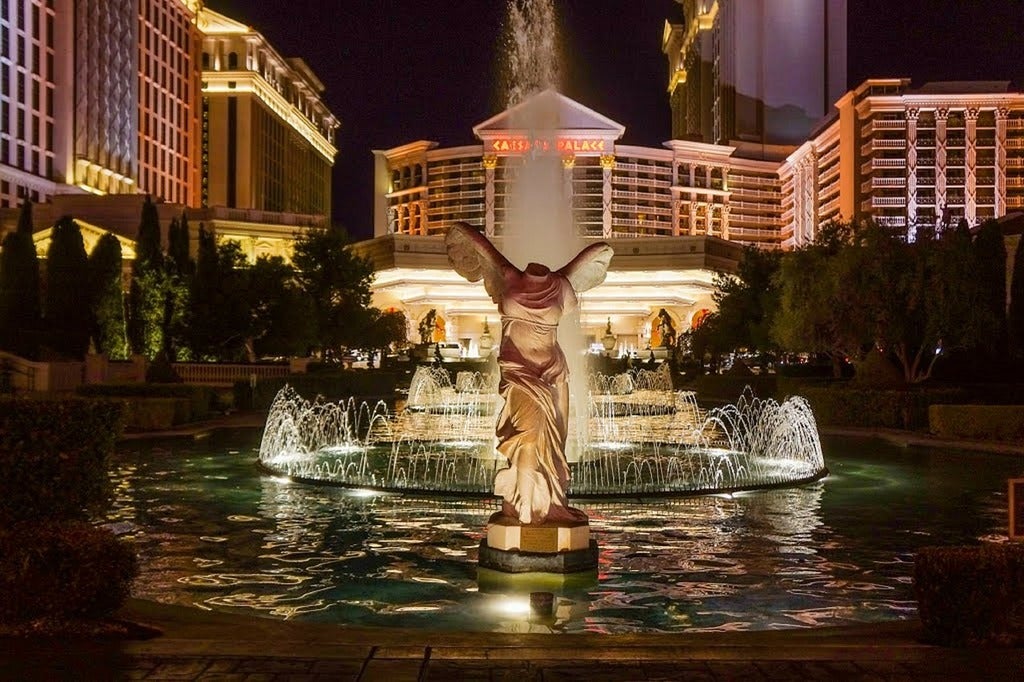
Caesars Shareholders Approved $17.6Bn Sale to Tilman Fertitta
A Wednesday morning filing with the Securities and Exchange Commission said that the deal was approved by 65.4% of participating voters.

Detroit Casinos Continue to Grow, Michigan iGaming Thrives
MGM Grand Casino led all operators with nearly half of the combined revenue total, while the state gained $8.8 million in wagering taxes.

Pennsylvania iGaming Grows 6.3% Even as Overall Gambling Declines
Despite that, overall gaming revenue from iGaming, retail casinos, sports betting, fantasy contests, and video gaming terminals fell 2.2% to $569.7 million.

New Jersey iGaming Continues to Grow, Up 4.4% Year-Over-Year in August
The state’s $259.3 million in iGaming revenue marked yet another improvement on the 2025 standard as the state continues to expand its market.