

CFTC Proposes New Prediction Market Rules to the White House Amid Jurisdiction Battles
The CFTC has proposed two rules to the White House that could reshape the regulatory treatment of prediction market contracts.




Status key: Banned / Restricted / Contested / CFTC suit filed / Active proceedings / C&D issued / No action

The CFTC has proposed two rules to the White House that could reshape the regulatory treatment of prediction market contracts.

Heather Maurer is stepping down as NCPG executive director following member departures tied to its Kalshi partnership.
Michigan regulators are reviewing player-protection concerns raised in recent reports about DraftKings.

At G2E, MGM and Caesars CEOs joined Nevada regulators in saying prediction markets are sportsbooks that need state licenses, as the legal fight heats up.

Casino operators, UNITE HERE and tribal leaders present a joint front against prediction markets at G2E 2026 as Congress weighs a federal crackdown.
Florida is putting tech companies on notice over advertisements promoting sweepstakes casino platforms.
Kalshi has implemented its first voluntary tribal geofence following a Ninth Circuit ruling involving three California tribes.
The CFTC is warning prediction market platforms to strengthen safeguards around mention markets due to manipulation risks.

Kalshi wants to introduce risk-based margining for eligible event contracts, while sports markets would remain fully collateralized.
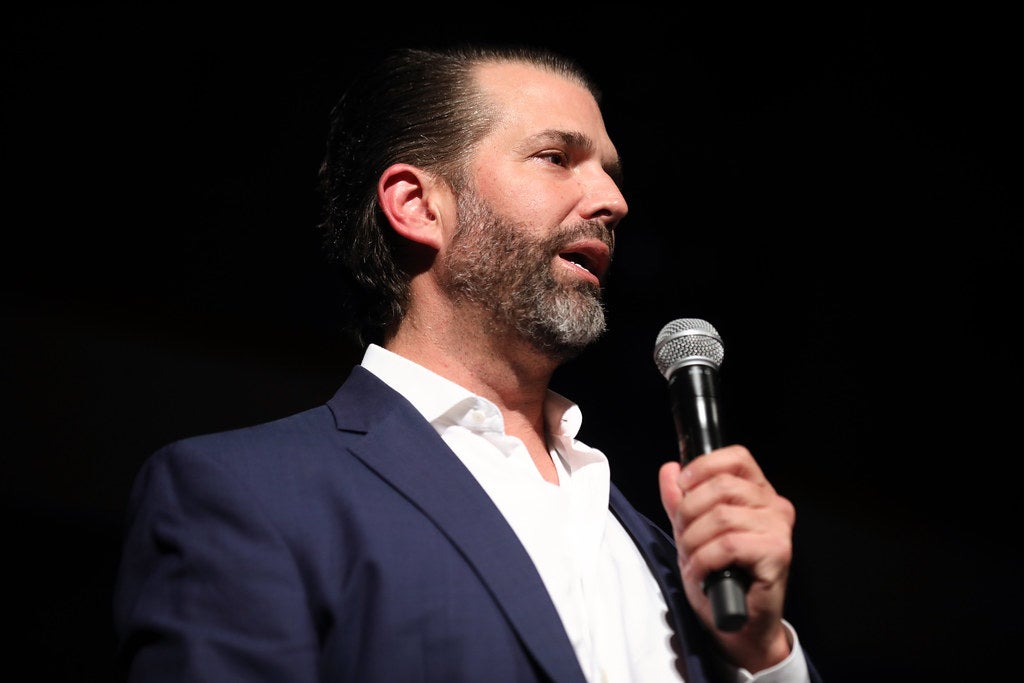
Sen. John Curtis wants Donald Trump Jr. and Hunter Biden subpoenaed in an investigation into presidential family business dealings.
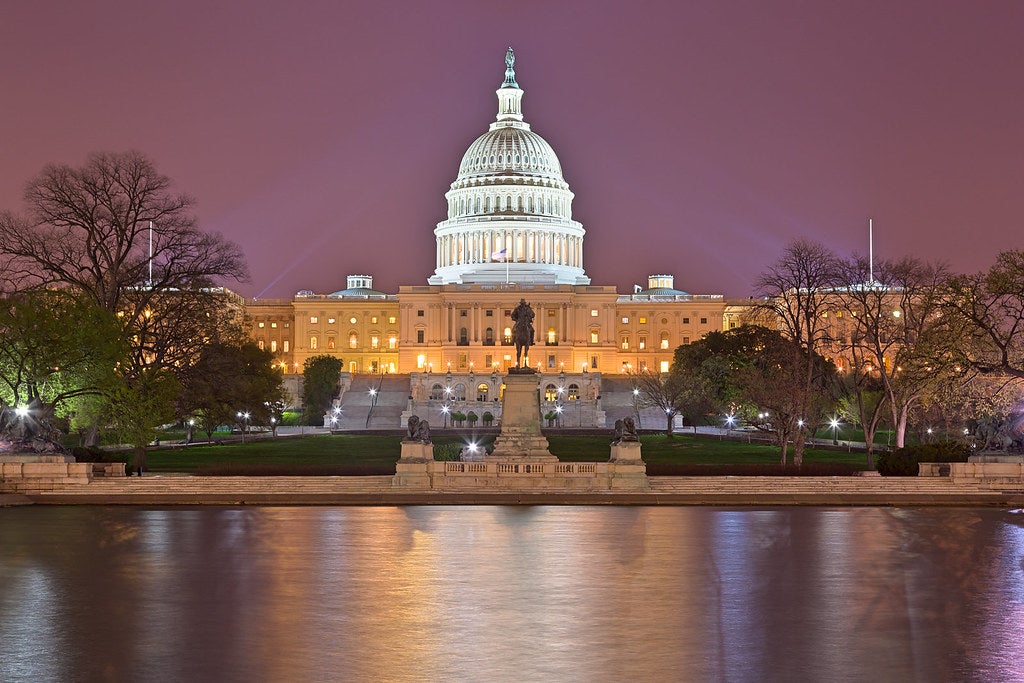
Major U.S. sports leagues are calling for lifetime betting bans for bettors who threaten or harass game participants.
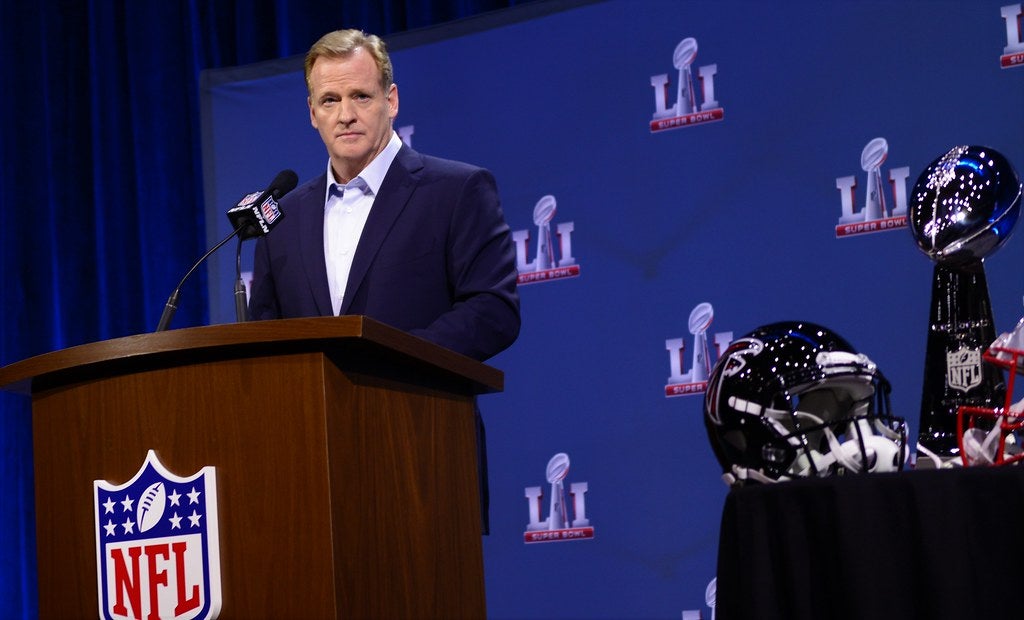
The NFL is continuing talks with prediction markets but wants stronger protections before considering partnerships.

Genius Sports has launched Prediction.com to help users discover and compare event contracts across prediction market platforms.
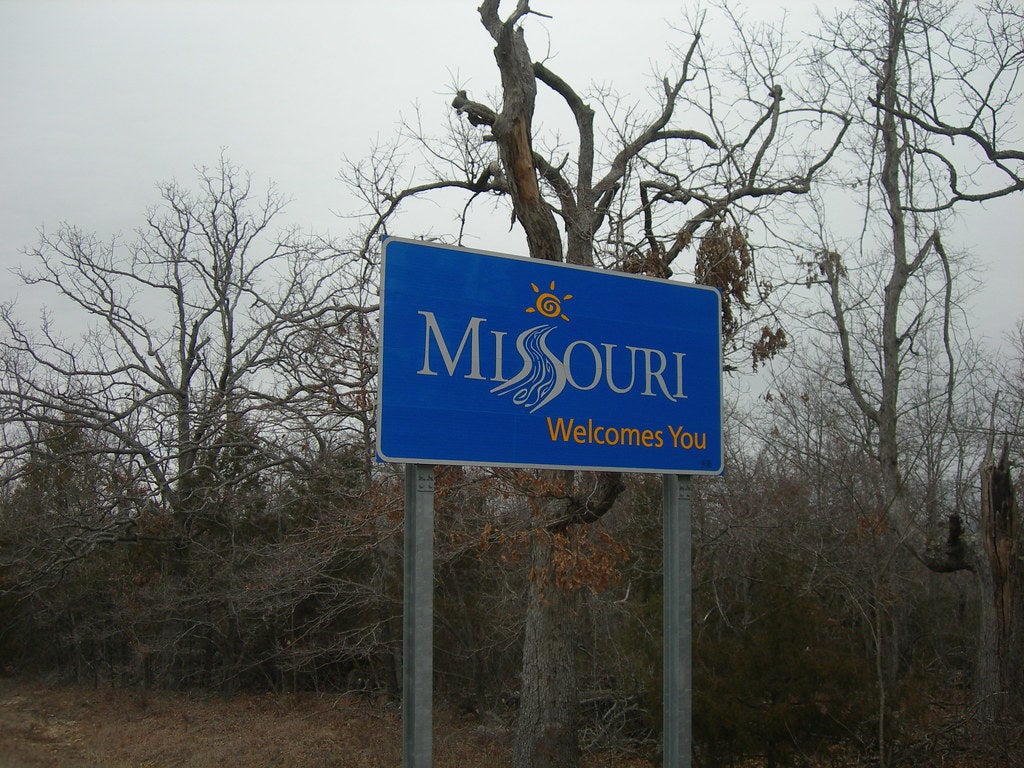
Missouri has ordered six prediction market platforms to stop offering what it considers unlicensed sports betting.
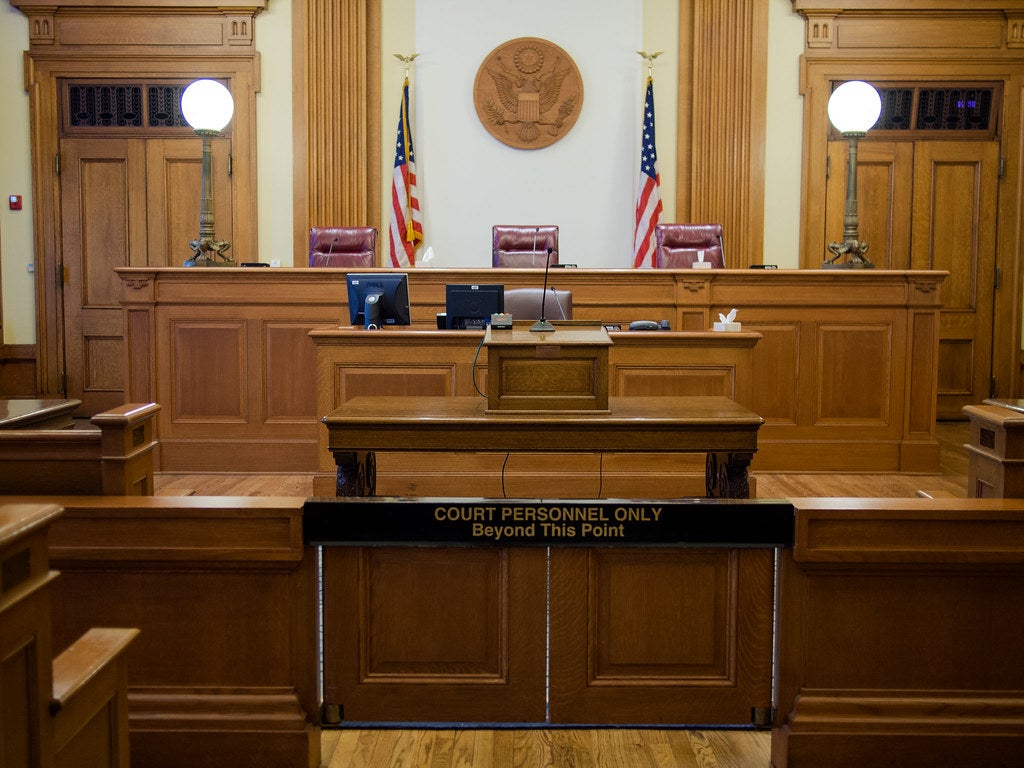
California tribes scored a partial victory after the Ninth Circuit ruled against Kalshi on key tribal gaming issues.

The NFL has outlined new advertising restrictions for sportsbook partners and prediction market platforms.

Kalshi and Catalist Sports have reannounced their streaming deal with new language addressing regulatory requirements.
Robinhood will pause sports prediction markets in Michigan while its legal challenge over state regulatory authority continues.
The NFL is urging prediction markets to remove contracts it says could threaten the integrity of its games.
Kalshi must block Michigan users from its sports prediction markets under a new preliminary injunction.

Canada's securities regulators cleared prediction markets on sports outcomes, but provincial lottery corporations say the guidance doesn't go far enough.
Congress is pressing FanDuel for more answers about its VIP program after criticizing the company's initial response.
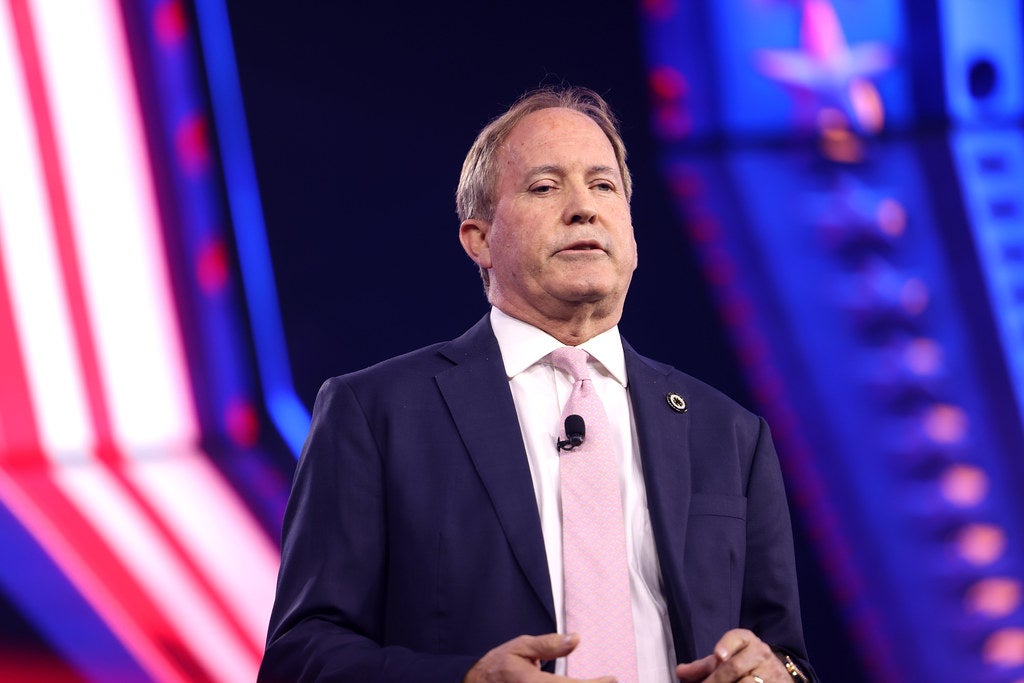
Kalshi and its CEO donated $12,000 to Texas AG Ken Paxton as other states pushed back against prediction markets.
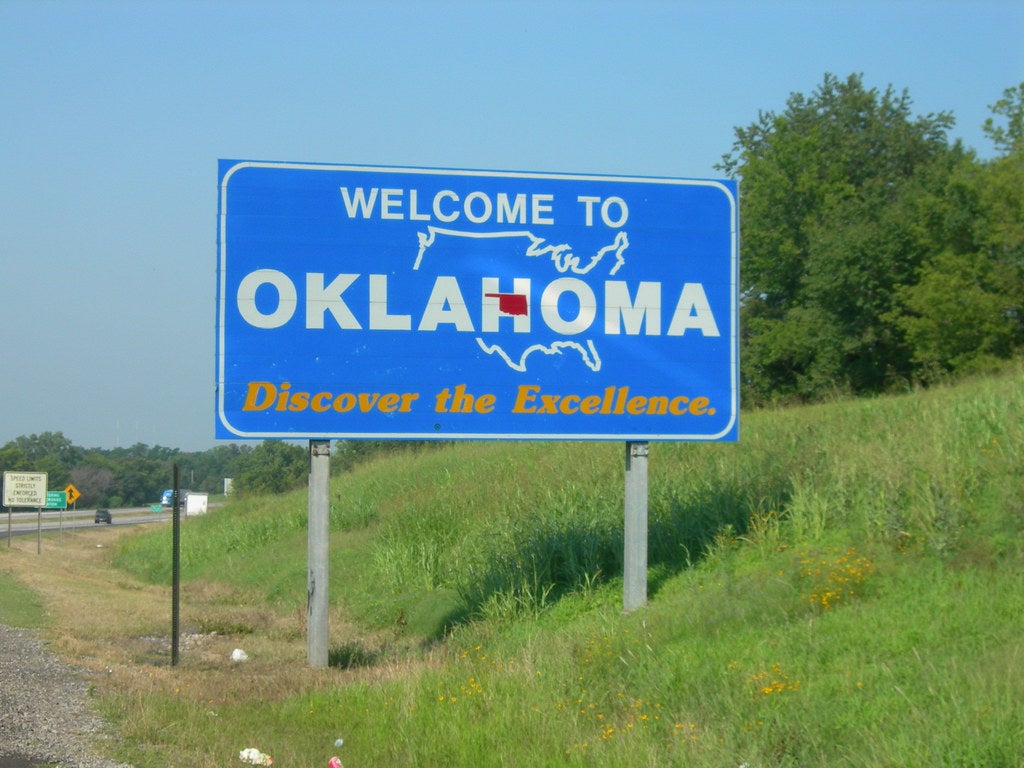
Oklahoma tribal gaming leaders warn prediction markets could threaten tribal sovereignty and gaming protections.
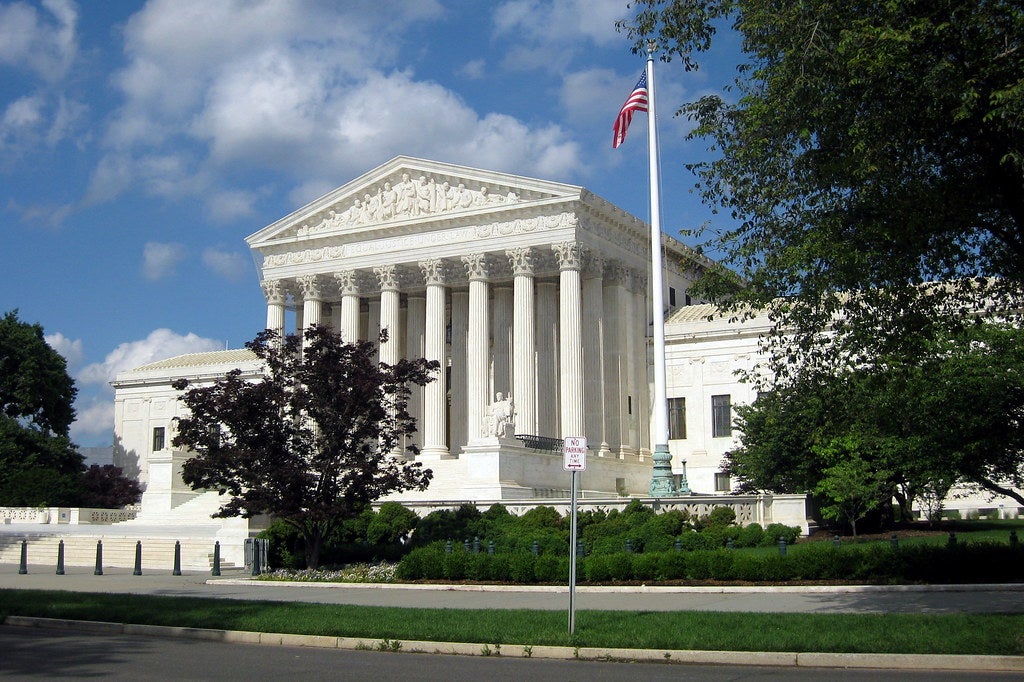
New Jersey wants the Supreme Court to settle a growing legal divide over whether states can apply their gambling laws to Kalshi's sports event contracts.
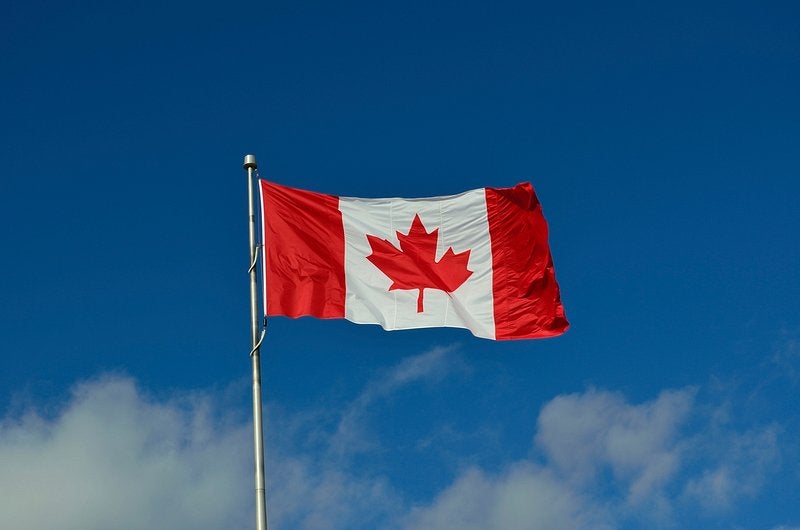
Canadian securities regulators have clarified that sports and entertainment event contracts fall outside the country's securities and derivatives framework.
Polymarket has pulled its proposed NFL player participation prediction markets only a day after submitting them to the CFTC.

Kalshi will offer NFL contracts based on whether players participate in games, potentially testing the boundaries around restrictions on injury-related markets.

The MLBPA says it is open to restricting players from personalized sportsbook VIP marketing campaigns following congressional scrutiny involving Bryce Harper.
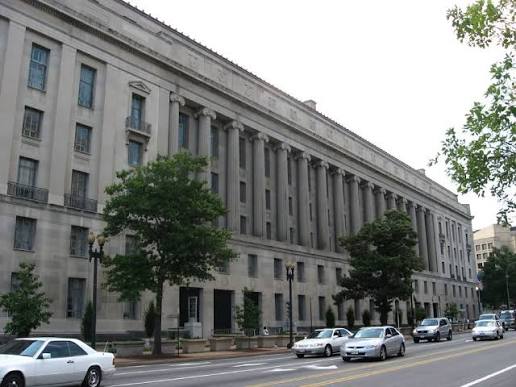
Polymarket reportedly referred dozens of accounts to the Justice Department after identifying activity potentially connected to military insider trading.
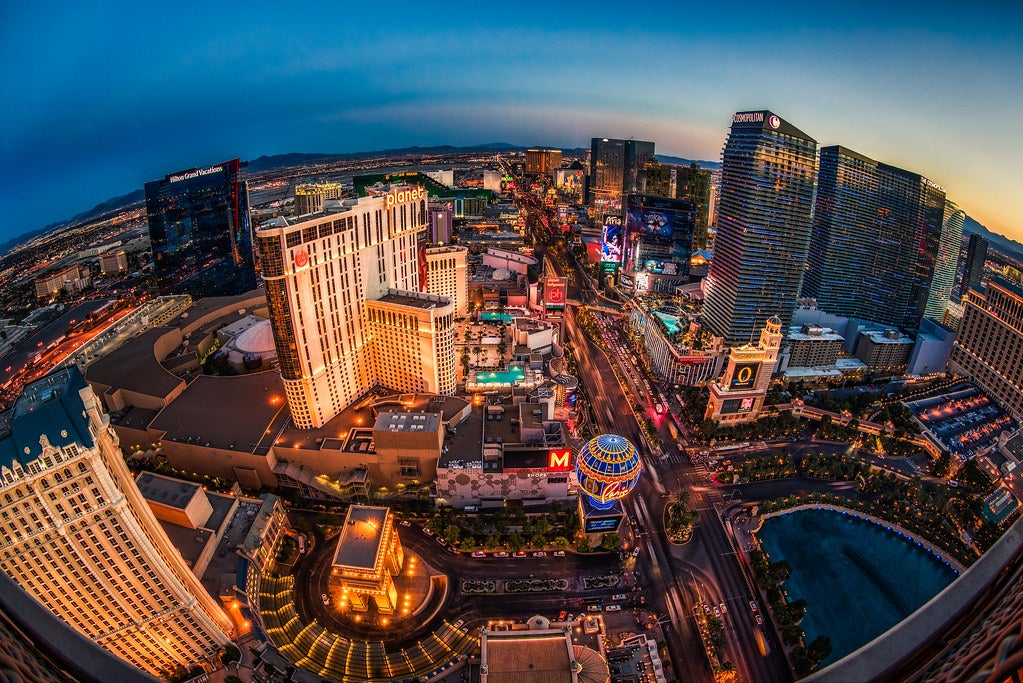
Nevada says Kalshi's support for North Carolina's prediction market tax undermines its argument that states cannot regulate its federally overseen operations.

Prediction market manipulation was a major focus of the CFTC's first Innovation Advisory Committee meeting amid several high-profile incidents.

Florida has filed lawsuits against Stake.us and Virtual Gaming Worlds, seeking to stop several major sweepstakes casinos from operating in the state.