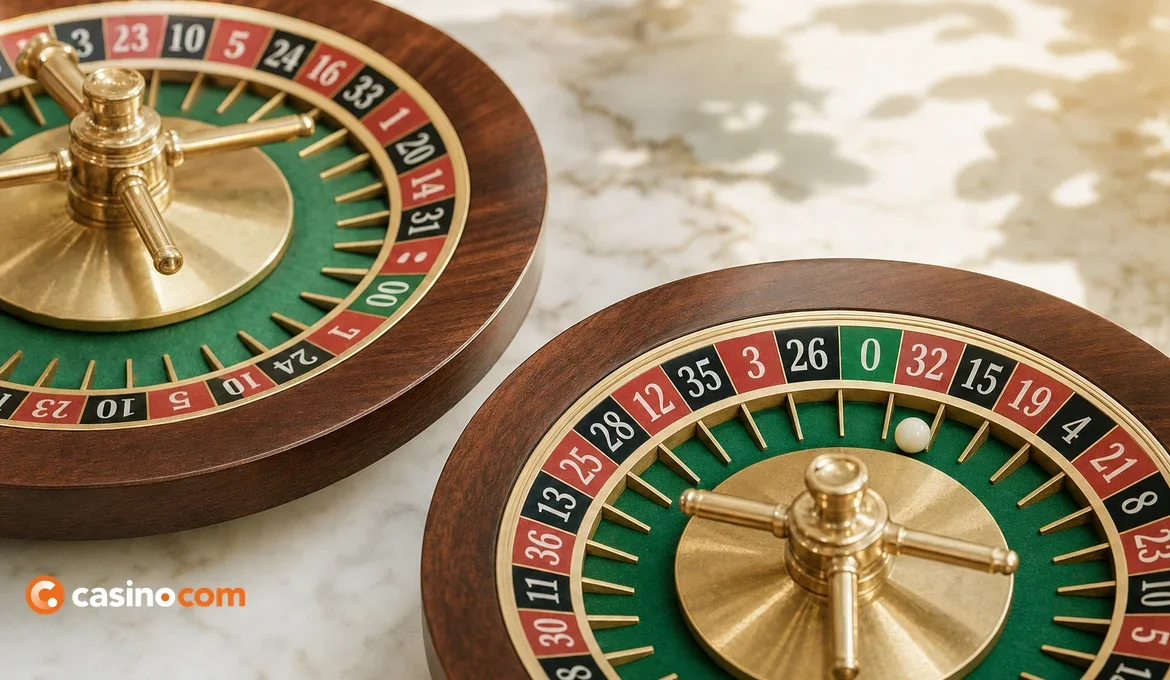
Roulette Wheel Layout Variations Explained
Learn how roulette wheel layouts differ, including single-zero and double-zero wheels, number placement, and how layouts affect gameplay.

Roulette is a casino table game in which outcomes are determined entirely by chance. This page explains how roulette works from start to finish, covering the wheel, the table layout, bet types, and how payouts are calculated. It is intended as a reference guide only. It does not cover strategy, betting systems, or methods for influencing results.
Roulette is a table game built around a single question: which numbered pocket will the ball land in when the wheel stops spinning? Players place wagers on the table layout before each spin, selecting from a range of possible outcomes. When the spin is complete, the ball settles into one of the numbered pockets on the wheel, and bets are settled accordingly.
The game involves three physical components: the wheel, the ball, and the table layout. The wheel contains a fixed set of numbered, colored pockets. The ball is introduced into the spinning wheel and comes to rest in one of those pockets. The table layout is a printed grid that maps all available wagers to the numbers and groupings on the wheel.
Outcomes in roulette are random. The pocket in which the ball lands cannot be predicted or influenced by any action taken at the table. Each spin is an independent event; the result of one spin has no bearing on the result of the next.
Not all roulette wheels are identical. The two most common configurations are European and American, and they differ in the number of pockets on the wheel.
European roulette features 37 pockets in total: the numbers 1 to 36 and a single green zero pocket. The numbers 1 to 36 alternate between red and black around the wheel.
American roulette features 38 pockets: the numbers 1 to 36, a single green zero pocket, and an additional green double zero pocket. The double zero is a distinct pocket: it is not a variant of the single zero but an entirely separate outcome.
The structural difference between the two is the number of possible outcomes per spin. European roulette has 37 possible outcomes; American roulette has 38. This affects how payouts relate to probabilities across all bet types, since payout rates are fixed regardless of which wheel configuration is in use.
The table layout is the printed betting surface that sits alongside or in front of the wheel. It is where players place their chips before each spin. The layout is divided into two main areas: the inside betting area and the outside betting area.
The inside area contains the full number grid. Numbers 1 to 36 are arranged in three columns of twelve rows, running from top to bottom. The zero (and, on American tables, the double zero) sits at the top of the grid, above the number 1. Each number is displayed in either red or black, corresponding to its color on the wheel.
The outside area surrounds the number grid and contains a series of broader groupings. These include color (red/black), parity (odd/even), high/low ranges, dozens, and columns. Rather than covering specific numbers, outside bets cover large categories of outcome.
The table below summarizes the main zones and what each covers:
|
Zone |
Location on table |
What it covers |
|
Inside: straight up |
On a single number |
One specific number |
|
Inside: split |
On the line between two numbers |
Two adjacent numbers |
|
Inside: street |
On the edge of a row |
Three numbers in a row |
|
Inside: corner |
On the intersection of four numbers |
Four numbers |
|
Inside: line |
On the edge between two rows |
Six numbers across two rows |
|
Outside: red/black |
Colored boxes at the side |
All red or all black numbers |
|
Outside: odd/even |
Labelled boxes |
All odd or all even numbers |
|
Outside: 1–18 / 19–36 |
Labelled boxes |
Lower or upper half of numbers |
|
Outside: dozens |
Three boxes (1st, 2nd, 3rd 12) |
Numbers 1–12, 13–24, or 25–36 |
|
Outside: columns |
Boxes at the foot of each column |
One of three 12-number columns |
The position of a chip on the layout determines which outcome or outcomes it covers. A chip placed precisely on a single number covers only that number; a chip placed on the line between two numbers covers both.
In addition to the standard inside and outside bets placed directly on the table layout, some roulette formats, particularly French roulette and certain European tables, include a separate betting track called the racetrack. This is an oval representation of the wheel’s number sequence, positioned separately from the main grid, and it is used to place a category of wagers known as announced or called bets.
These bets are defined by groups of numbers as they appear on the wheel rather than as they are arranged on the table grid. The four standard announced bets are as follows:
Voisins du Zéro (neighbours of zero) covers 17 numbers that sit on the wheel either side of the zero: 22, 18, 29, 7, 28, 12, 35, 3, 26, 0, 32, 15, 19, 4, 21, 2 and 25. It requires a minimum of nine chips, placed across a combination of split, street, and corner positions on the layout.
Tiers du Cylindre (thirds of the wheel) covers 12 numbers on the opposite side of the wheel from zero: 27, 13, 36, 11, 30, 8, 23, 10, 5, 24, 16 and 33. It is placed as six split bets using six chips.
Orphelins (orphans) covers the eight numbers not included in Voisins or Tiers: 17, 34, 6 on one arc of the wheel, and 1, 20, 14, 31 and 9 on the other. It is placed as a combination of straight up and split bets using five chips.
Jeu Zéro (zero game) covers seven numbers close to zero on the wheel: 12, 35, 3, 26, 0, 32 and 15. It is placed using four chips across a combination of split bets and one straight up bet on 26.
Neighbours is a further category of announced bet that is not fixed in composition. A neighbours bet covers a specific number and a defined count of numbers on either side of it as they appear on the wheel. “5 and the neighbours” covers the number 5 plus the two numbers immediately to its left and two to its right on the wheel: five numbers in total. The count of neighbours can vary, and the bet requires one chip per number covered.
Not all roulette tables offer announced bets, and their availability depends on the specific variant and format in use.
Each round of roulette follows the same fixed sequence. The steps below describe the mechanics of a standard game.
At the start of each round, the wheel and table layout are in their standard configuration. The number and position of pockets on the wheel do not change between spins. The layout remains fixed. There is no variation in the structure of the game from round to round.
Once a round opens, players position chips on the table layout to indicate which outcomes they are wagering on. Chips can be placed on any valid position on the layout: a single number, a group of numbers, or one of the outside categories. The position of the chip determines what is covered; the value of the chip determines the size of the wager.
Different positions on the table carry different probabilities and different payout rates. A bet that covers more numbers has a higher probability of winning and a lower payout rate. A bet that covers fewer numbers has a lower probability of winning and a higher payout rate. These relationships are fixed and consistent regardless of the wheel type in use.
Multiple bets can be placed on a single spin. There is no limit on how many positions a player can cover simultaneously, though table minimums and maximums apply to individual bets.
At a fixed point in each round, betting closes. No further chips can be placed or removed after this point. The wheel spins in one direction while the ball is introduced spinning in the opposite direction along the inner rim of the wheel. As the wheel slows, the ball loses momentum and falls inward, bouncing between the frets that separate the pockets before coming to rest in one of them.
The outcome is determined by where the ball settles. This cannot be predicted or influenced. The spin is a mechanically random process; in a live setting driven by the physics of the wheel and ball, and in an online or electronic setting by certified random number generation software.
When the ball comes to rest in a pocket, the outcome for that round is confirmed. The number and color of the pocket are identified, and all bets placed on the table are evaluated against that outcome.
Bets that correspond to the outcome are paid at their predefined rate. For example, a bet on a single number that matches the outcome pays at 35:1, meaning a winning stake of £1 returns £35 in winnings plus the original £1 stake. Bets that do not correspond to the outcome are collected. A new round then begins.
Roulette offers a range of bet types, each defined by how many numbers it covers and what payout it carries. The tables below provide a reference overview of the standard bet types available on a European (single zero) wheel. Probabilities and payouts differ slightly on American wheels due to the additional double zero pocket.
Inside bets are placed on specific numbers or small groups within the number grid.
|
Bet type |
Numbers covered |
Payout |
|
Straight up |
1 |
35:1 |
|
Split |
2 |
17:1 |
|
Street |
3 |
11:1 |
|
Corner (square) |
4 |
8:1 |
|
Line |
6 |
5:1 |
Outside bets are placed on the broader categories surrounding the number grid.
|
Bet type |
Numbers covered |
Payout |
|
Column |
12 |
2:1 |
|
Dozen |
12 |
2:1 |
|
Red / Black |
18 |
1:1 |
|
Odd / Even |
18 |
1:1 |
|
1–18 / 19–36 |
18 |
1:1 |
Note that zero (and double zero) are not covered by any outside bet. If the ball lands in a zero pocket, all outside bets lose.
The rules described on this page apply to standard European and American roulette. Several other variants exist, sharing the same core mechanics while introducing modified rules or additional features.
French roulette, for example, uses a European wheel but may include specific rules governing what happens to even-money outside bets when the ball lands on zero.
Other variants, including multi-wheel, mini roulette, and various live dealer formats, adjust elements such as the wheel size, the number of zeros, or the speed of play, while retaining the same fundamental structure of wheel, ball, and table layout.
Roulette is distinct from many other casino table games in that players have no decisions to make once betting closes. In games such as blackjack, player choices during a hand affect the outcome. In roulette, once bets are placed and the spin begins, no further action is taken or available. The result is determined entirely by the ball.
This means probabilities in roulette are fixed and consistent. The likelihood of any given outcome on a European wheel, whether a specific number, color, or grouping, does not change based on previous results, the number of bets placed, or any other variable. Each spin produces an independent outcome.
Roulette also differs from card games in that there is no element of partial information. In poker or blackjack, players make decisions based on cards they can see. In roulette, all possible outcomes are equally visible before every spin, and none can be eliminated or made more likely by any information available at the table.
Free-play roulette allows users to experience the full mechanics of the game, including placing bets, spinning the wheel, and receiving payout calculations, without real-money wagering.
It functions as a functional replica of the standard game and covers the same bet types, payout structures, and round sequence described on this page. It is a practical way to become familiar with the table layout and how different bet positions work before engaging with the real-money format.
Yes. Roulette is a game of chance. The outcome of each spin is determined by where the ball comes to rest in the wheel, a result governed by physical or digital randomness. No player action taken after betting closes can influence where the ball lands. Each spin is independent of all previous spins.
Payout rates in roulette are fixed and predetermined. They are based on the number of outcomes a given bet covers relative to the total number of pockets on the wheel. A straight up bet on a single number pays 35:1 because it covers 1 out of 37 pockets on a European wheel. Payout rates do not vary between rounds or based on how many players are at the table.
Each bet is evaluated independently against the outcome. A player who places three separate bets on a single spin will have each of those bets assessed individually: some may win, some may lose, depending on whether the outcome falls within what each bet covers. Winnings from successful bets are paid at the applicable rate; unsuccessful bets are collected.
No. The two most common configurations, European and American, differ in the number of pockets. European wheels have 37 pockets (numbers 1–36 plus a single zero); American wheels have 38 pockets (numbers 1–36 plus a single zero and a double zero). The additional pocket on the American wheel changes the probability of every outcome on that wheel. Other variants may use modified wheel configurations, but European and American are the standard formats.
The zero pocket (marked 0) is a green pocket on the wheel that is distinct from the numbered red and black pockets. It is not covered by any of the standard outside bets (red/black, odd/even, high/low). When the ball lands in the zero pocket, all outside bets lose and only bets placed directly on zero or covering zero through an inside bet are paid. On American wheels, the double zero (00) operates in the same way as a separate pocket.
Sadonna Price is a seasoned writer with over 20 years of experience in online casino, sports betting, poker, and sweepstakes content. She has worked with leading industry brands and specializes in clear, user-focused guides and reviews. Sadonna is known for breaking down complex topics into simple, practical insights that help readers make informed decisions.

Learn how roulette wheel layouts differ, including single-zero and double-zero wheels, number placement, and how layouts affect gameplay.


Learn how roulette betting systems work, including Martingale, Fibonacci, D'Alembert, Paroli and more. An educational overview of how each system functions.

A reference glossary of roulette terms, including bet types, wheel components, and game rules. Clear definitions with no strategy or promotional content.
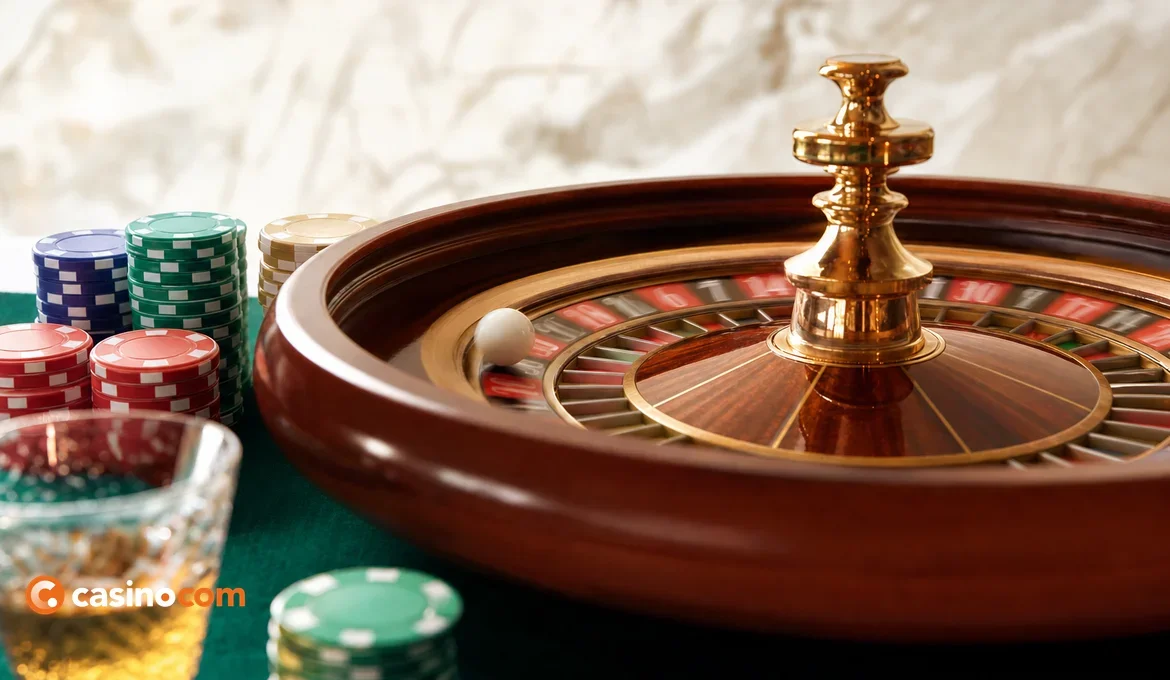
Play free roulette games instantly: no deposit, no registration. Learn the table layout, practice bet placement, and explore roulette variants at no cost.

Learn what roulette strategies are, how common betting systems work, and what they do – without advice or guarantees. An educational overview.

Learn how roulette odds and payouts work, including inside and outside bets, payout ratios, and how winnings are calculated.

Learn how European roulette works, including the single-zero wheel, bet types, payout structure, and how it differs from American and French variants.

This guide contains everything that you need to know about the Big Six Wheel, a core part of any casino in-person or online. Big Six Wheel – Understanding this Casino Game The classic gameshow Wheel of Fortune has been on the air for decades.

Roulette, a staple of both in-person and online casinos, is a lot more involved than it may seem, with several variants to choose from. Players looking to win real money at an online casino often flock to the roulette table.

Roulette is going to be a staple of any casino that you play in, both online and in person. But have you ever wondered how the wheel is made? Online casinos have changed how we look at table games. Rather than feeling the felt or hearing the authentic spin.
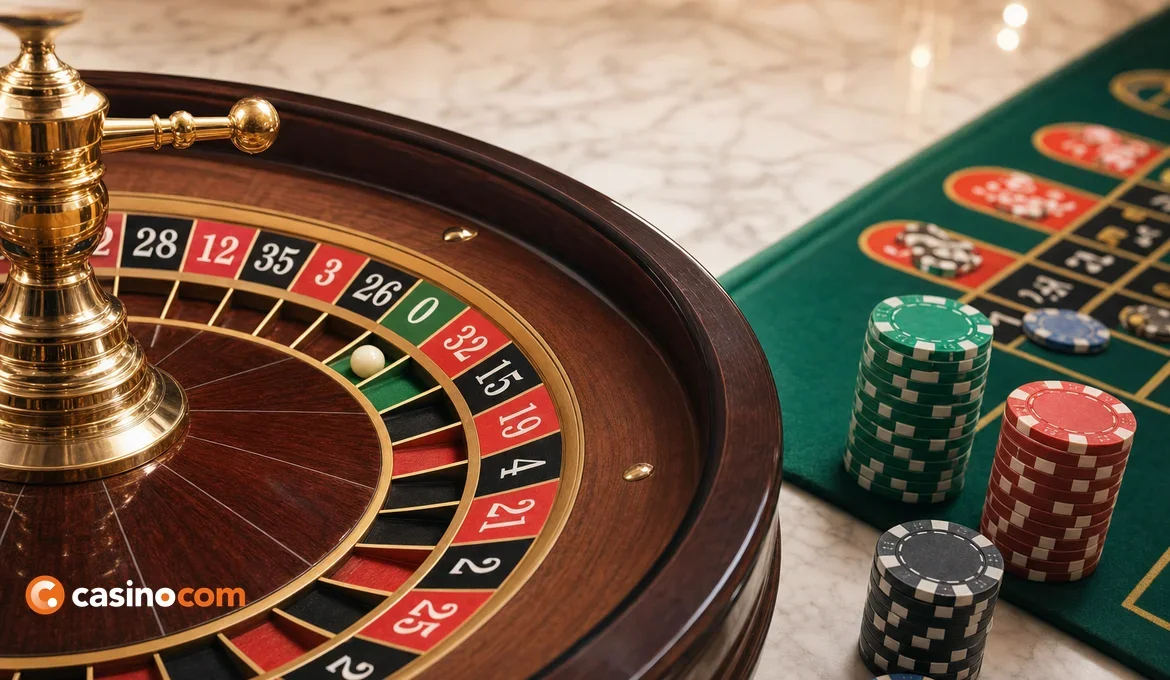
Learn how French roulette works, including the single-zero wheel, La Partage rule, En Prison, announced bets, and how payouts differ from other variants.

Learn how to play roulette online, understand bets, odds, and variants, and try free roulette games before playing for real money at home or on the go.

A famous betting systems for roulette, the Romanosky system is claimed to aid players, so why doesn't it work? Humans have evolved to find patterns, and our brains are so wired to this pursuit that we can be tricked into seeing connections where none exist.

The Kavouras betting system is an interesting one for roulette, but why does it fail when used as a serious strategy? As exciting as getting involved with betting is, the entire foundation operates on one undeniable basis: chance. While we may try to convince ourselves otherwise, every betting system.
The Reverse Martingale betting system: understanding its flaws when used to bet on roulette at the online casino. Since the dawn of gambling in the halls of ancient civilisations, the house has always had the edge. Yet, the players have always attempted to prove that they can logically beat.

Info on the popular roulette betting system known as D’Alembert, and why players can’t rely on this strategy. If you’ve played roulette before, you’ll be aware of the complexity of the game and the potential to bet on a vast array of diverse outcomes.

The Paroli betting system is known of a positive progression method, but does using it to bet on casino games work? Of the many betting systems out there, lauded by expert gamblers, the Paroli betting system comes across as the most user-friendly, in theory.

In roulette, the Contra D'Alembert betting system is one of the most well-known and praised but it has many flaws. Across all types of casino games since the dawn of time, people have claimed to have developed a fool-proof system for beating iron-clad odds and gaming the game itself.

Study our in-depth, detailed analysis of the Labouchere Betting System and how to use it to play roulette at the casino Why the Labouchere Betting System Doesn’t Work. Henry Labouchere is arguably the most famous politician that you’ve never heard.

One of the most famous roulette strategies is the James Bond betting system, but we explain why this is a bad option. Roulette is one of the oldest games in the world and has existed within brick-and-mortar casinos since the 18th century.

The Andrucci Betting System is one of the most popular, but this roulette strategy just doesn’t work. Here's why. Roulette is one of the most popular casino games out there in both the digital and land-based casino worlds. It is a game synonymous with glamour, sophistication, and, of course, unpredictability.

An explanation of the Reverse Labouchere system for playing roulette at land-based and online casinos. Whether it’s the weekly lottery, a sporting match, or a video game, everybody wants to win. However, the reality is that, if victory was inevitable, there would be no point in taking part in competitive.

We explain the Grand Martingale betting system, including how it works, and whether it helps with casino gaming. For centuries, casual bettors and hardcore gamblers have been attempting to build betting systems and strategies that can beat the house. Ever since roulette took Europe by storm, it’s been a prime.

The Martingale Betting System is a famous roulette betting system, and we explain exactly how it is supposed to work. There are plenty of articles out there from so-called experts telling you about various ‘fool-proof’ betting systems which will guarantee you a profit.
Roulette is one of the oldest and most popular casino games, first devised in 18th-century France. Discover stories and quotes from the five biggest roulette winners ever to spin at Casino.com — from players around the world, here's what the luckiest roulette fans took home.
Casino gaming expert Heather Ferris shares her tips for success at the roulette table, for both novices and veteran players. Strategies like the Martingale can be fun, but they won't work long-term — the real keys are knowing the rules and understanding how each roulette variation impacts your odds.

When playing online roulette at a casino, managing your bankroll is crucial for long-term success. Money management is a strategy for budgeting and stretching your money further — learn expert budgeting tips from casino gaming pros to get more bang for your buck at the roulette table.

A close look at the differences between playing on a traditional roulette wheel versus playing roulette online. While the switch to online roulette hasn't changed the shape or layout of the wheel — the same one used in casinos since the 19th century — it has changed how we play.

Take a look at our in-depth guide to all the wagers you can place at the roulette table plus payout odds for each. There are many ways of playing the game of roulette, and we deal with the basic rules in another section of our guide.

Roulette has been one of the world's most popular casino games for over 200 years; discover the origin of roulette. In the world of casino gaming, there are few games that are more popular and widely enjoyed than roulette. Part of the love for the game is its appealing simplicity.