


Photo by Alejandro Escamilla alejandroescamilla, CC0, via Wikimedia Commons

Related News
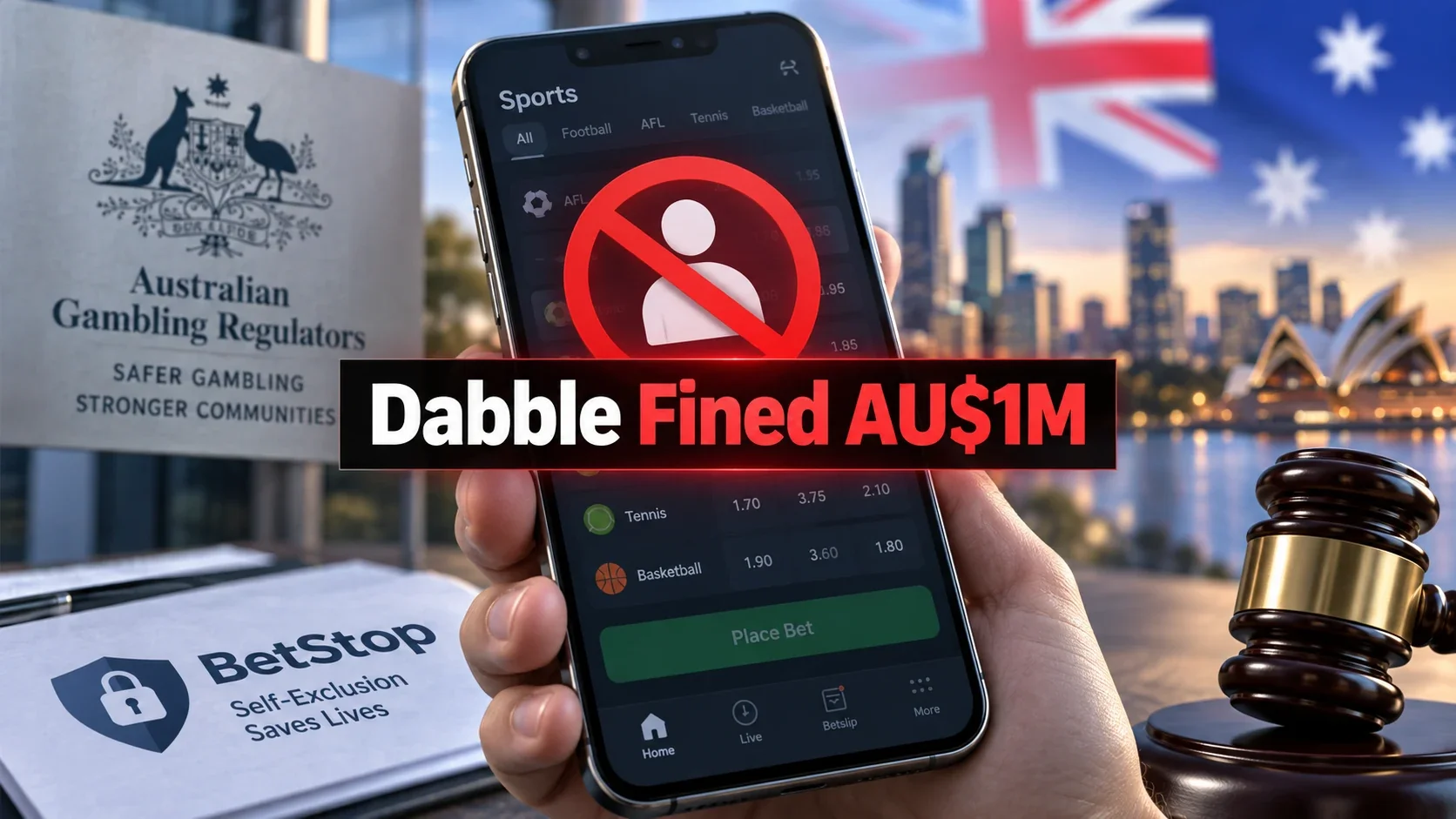
Dabble Fined AU$1 Million for Breaching Australia’s BetStop Rules
Dabble Sports has paid more than AU$1 million in penalties after Australia’s communications regulator found the bookmaker failed to properly protect customers registered with BetStop.

Ohio Regulator Officially Exits NCPG Over Kalshi Membership
The Ohio Casino Control Commission has officially withdrawn from the National Council on Problem Gambling. It cited Kalshi's inclusion as the reason for the decision, but didn’t make the news public after notifying the group back in June.
Australia Tightens Gambling Rules With Red-Flag System and Adstop Register
Australia has passed new gambling reforms adding stronger protections for vulnerable bettors, including Adstop and tighter inducement rules.

Illinois Gaming Board Looks to Expand Self-Exclusion List
The IGB has proposed expanding its self-exclusion list. The changes would add slot machines to the list and make it easier for residents to sign up. The Joint Committee on Administrative Rules will now decide whether to approve the proposals.

South Africa Warns of Rising Gambling Harm as Mobile Betting Grows
South Africa’s gambling regulator has warned that round-the-clock mobile betting is making it easier for vulnerable players to lose control of their spending.

Sports Betting Alliance Hosts Responsible Gambling Roundtable
The Sports Betting Alliance held a responsible gambling roundtable in Virginia this week. Representatives from bet365, BetMGM, Fanatics, FanDuel, and DraftKings sportsbooks were all present. They discussed the biggest questions around problem gambling while searching for new solutions.
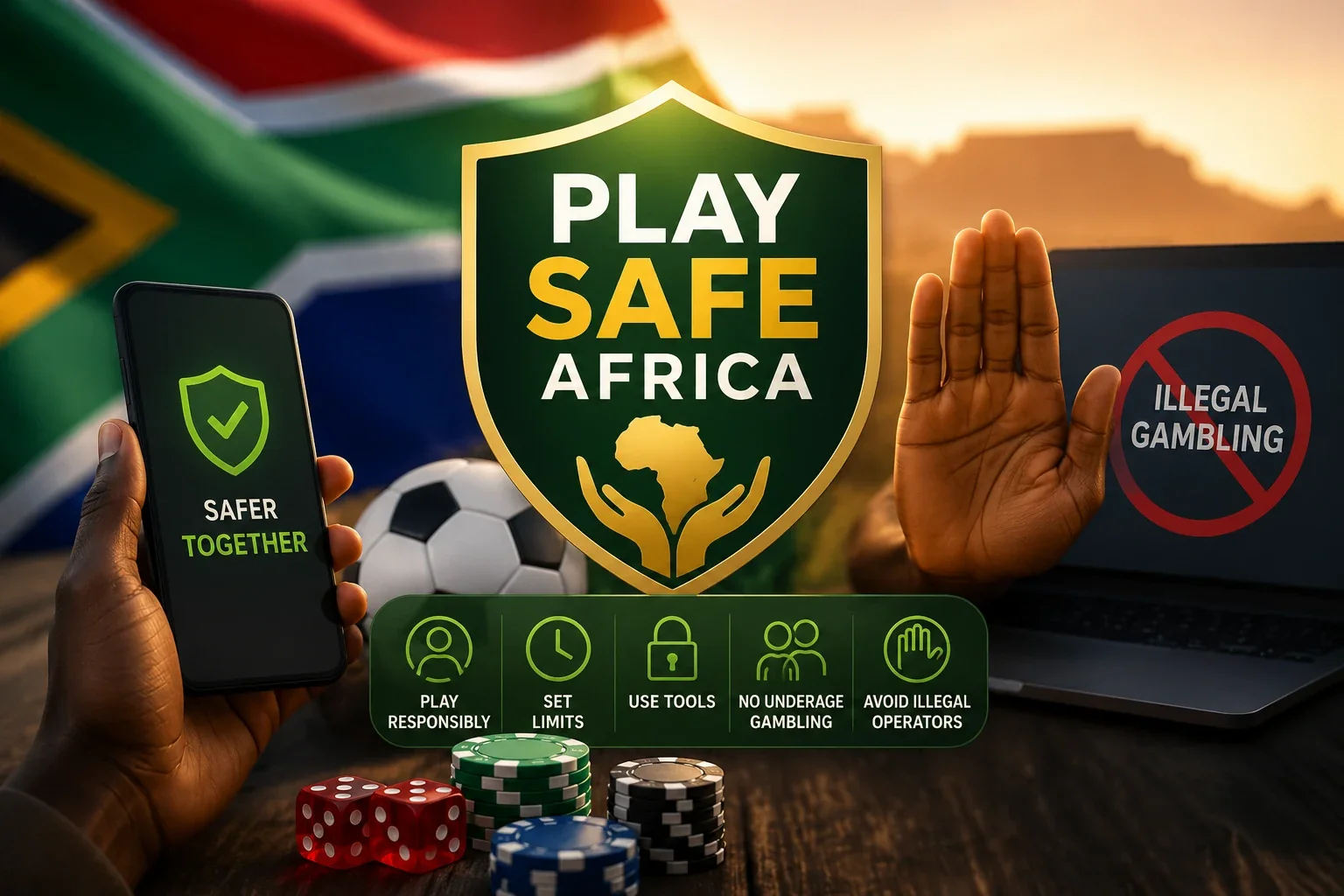
South Africa Joins First Africa Safer Gambling Week
South Africa will take part in the inaugural Africa Safer Gambling Week from 7–11 September 2026.

MGC Announces New Campaign to Help Curb Athlete Harassment
The MGC has announced a new “Bet on Respect” campaign to help curb athlete harassment from angry bettors. It will create a new portal where athletes, coaches, and officials can file complaints for the regulator to investigate and hold harassers responsible.

MGC & NORC Study on Young Gamblers Delivers Mixed Results
A new NORC study of young bettors requested by a Massachusetts regulator was released this week. It found that the group understands many of the risks involved in sports betting, but still supports its legalization.

NJ Regulator Fines Caesars Over Self-Exclusion Violations
A New Jersey regulator has fined Caesars Sportsbook over violations of responsible gambling laws. The violations include rules around self-exclusion lists, which are meant to stop bettors from being able to place wagers. Caesars has agreed to pay the fine.
Crown Sydney and The Star Fined After 16-Year-Old Gambles at Casinos
Crown Sydney and The Star Sydney have been fined a combined A$2.25 million after a 16-year-old used a fraudulent driver's licence to repeatedly enter and gamble at both casinos. The teenager visited Crown Sydney 19 times and The Star Sydney three times between April and August 2025.

West Virginia University to Study Loss-Chasing Sports Bets
WVU has announced a new study on loss-chasing by online sports bettors. The habit involves bettors making risky wagers to make up for past losses, and is a serious sign of problem gambling that several states are trying to curb.

New Survey Raising Red Flag Over Gen Z Views on Gambling
A new survey found that 26% of Gen Z investors view gambling as a legitimate form of investing. Prediction markets and the CFTC are taking most of the blame as they continue to blur the lines between investing and gambling.

NCPG Recommends Default Spending Limits in Pennsylvania
The National Council on Problem Gambling has recommended setting default spending limits for sportsbooks in Pennsylvania. The recommendation comes after a state-commissioned report details the impact of problem gambling.
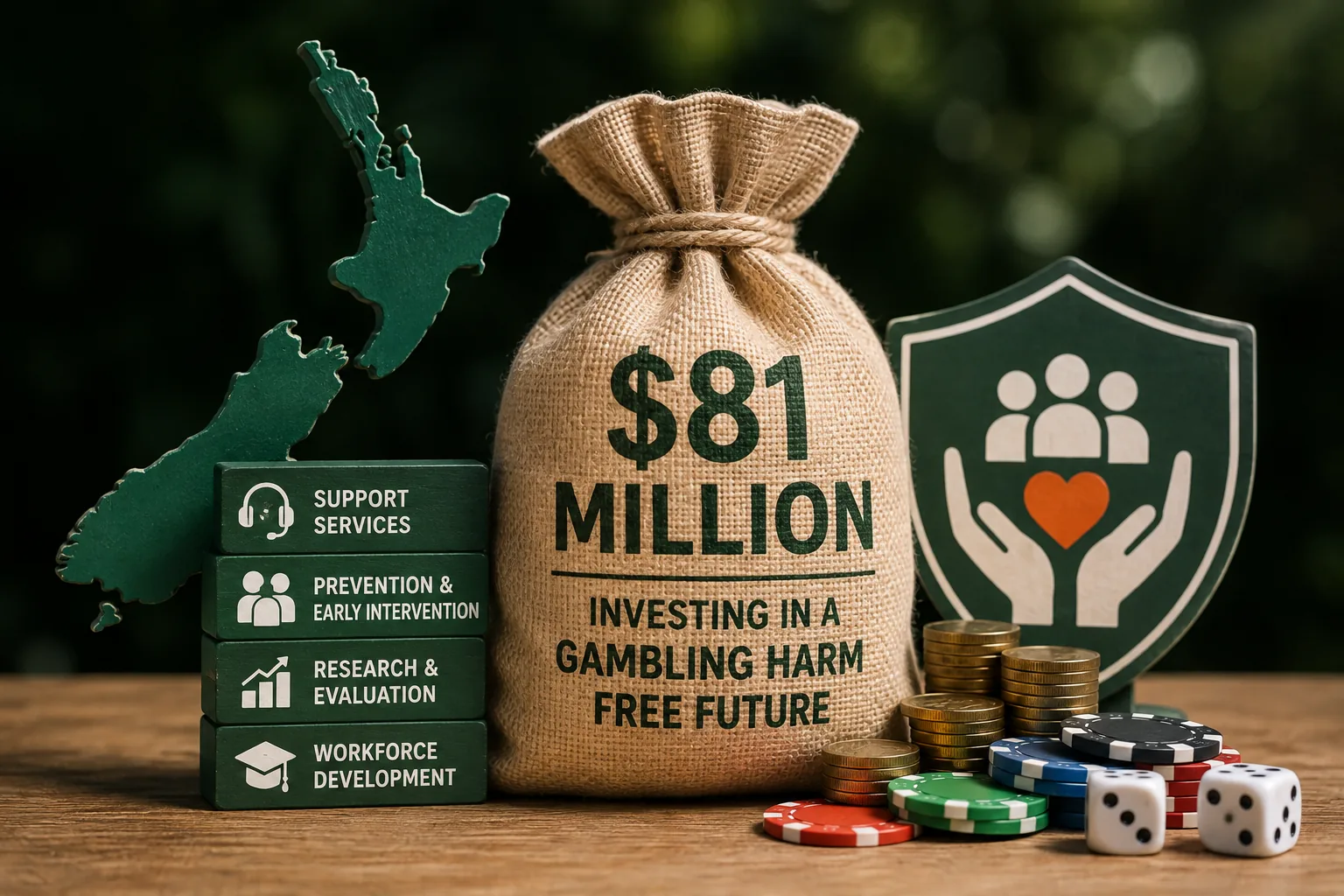
How New Zealand Is Spending $81 Million to Tackle Gambling Harm
New Zealand's Ministry of Health has published its Strategy to Prevent and Minimise Gambling Harm 2025/26 to 2027/28, committing $81.358 million over three years to expand treatment services, grow the gambling harm workforce, and strengthen prevention efforts. The funding is drawn from a levy on the gambling industry and covers everything from helplines and clinical services to research, workforce scholarships and a new national online self-exclusion system.

Study Finds 18% of Arizona Bettors At Risk for Problem Gambling
A new study from the Arizona Department of Problem Gambling delivered some startling results. It found that almost 1 in 5 bettors are dealing with a moderate or high risk of problem gambling, despite prediction markets yet to gain much popularity.
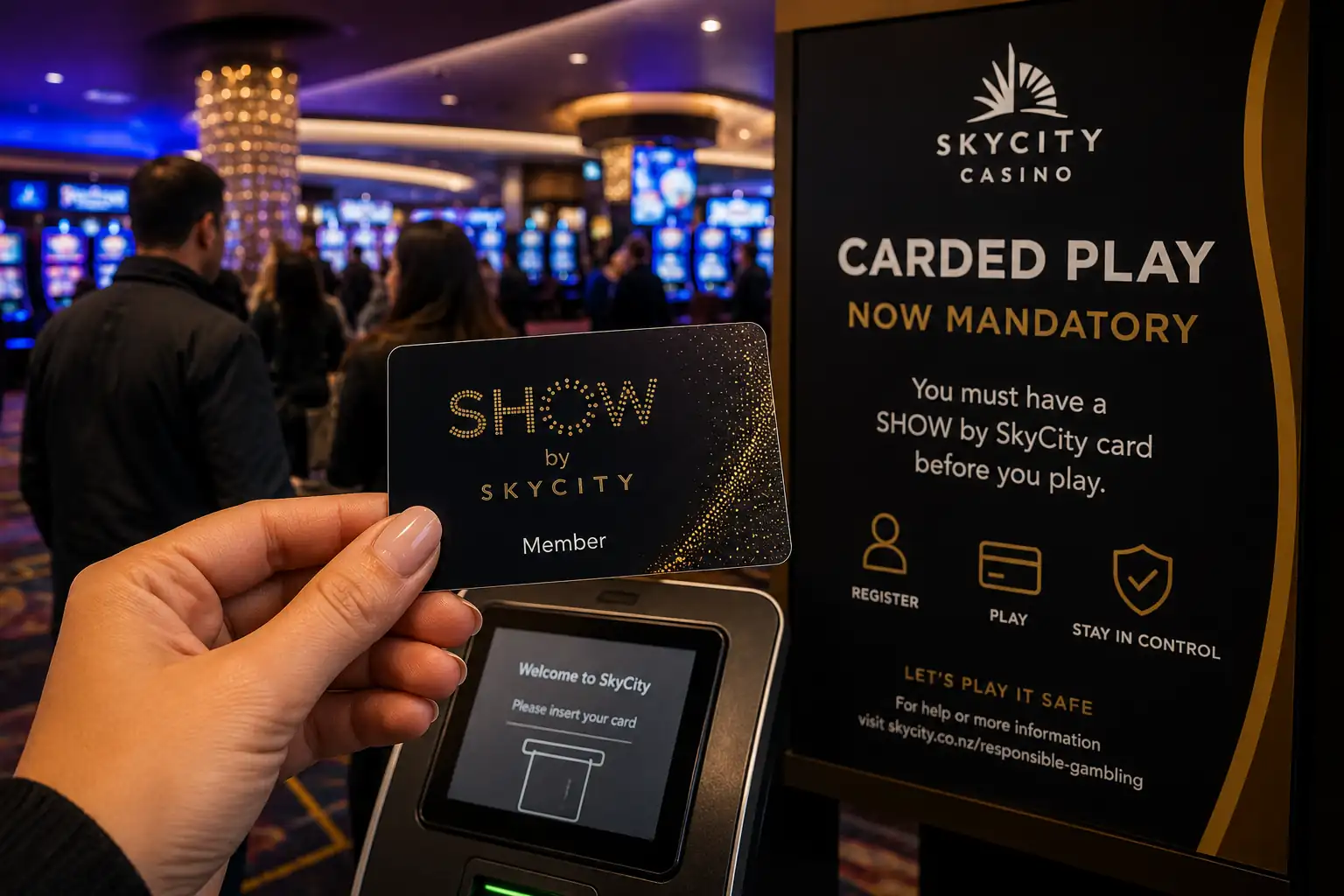
SkyCity Introduces Mandatory Player Cards at New Zealand Casinos
SkyCity customers will now need to register for a player card before they can gamble at any of the company's New Zealand casinos. The move is designed to strengthen responsible gambling measures while giving players greater insight into their own gambling habits.
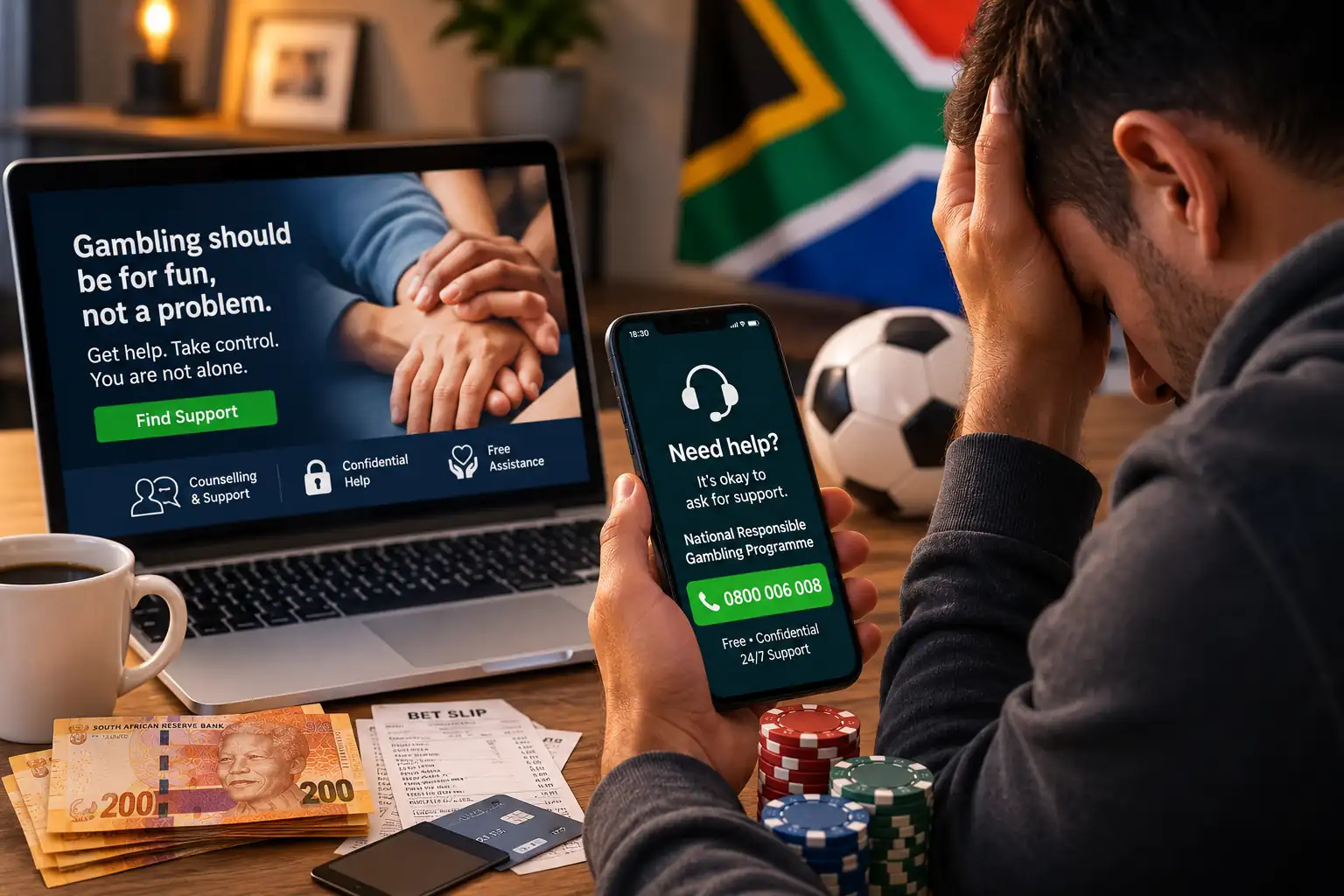
South African Helpline Reports Rise in Problem Gambling Cases
South Africa's gambling support services are seeing more people seek help as online betting becomes increasingly popular. Experts say greater awareness, easier access to gambling platforms and growing participation are all contributing to the rise in demand for assistance.

Can Sportsbook Tax Hikes Help States Fight Problem Gambling
Several states have been looking to add new sports betting regulations to fight problem gambling, but have raised concerns about the financial impact. We’re discussing if Illinois’s controversial tax reform could offer an easier path for lawmakers.
Pennsylvania Report Highlights Impact of Sports Betting Ads
A recently released Joint State Government Commission report showed the impact of sports betting ads on problem gambling. It highlighted a few key issues and proposed adding strict new regulations to help better protect all residents, including those under 21.

Pennsylvania Study Recommends Ending Live Betting to Reduce Gambling Harm
The study proposes several changes to reduce problem gambling across the state.

Mississippi Lawmaker Shares Fears Over Online Sports Betting
Mississippi’s Lt. Gov. shared his opposition to online sports betting earlier this week, citing concerns about problem gambling. He urged Senators to reject future proposals, but House lawmakers ripped his stance, saying his statement ignores the current reality.
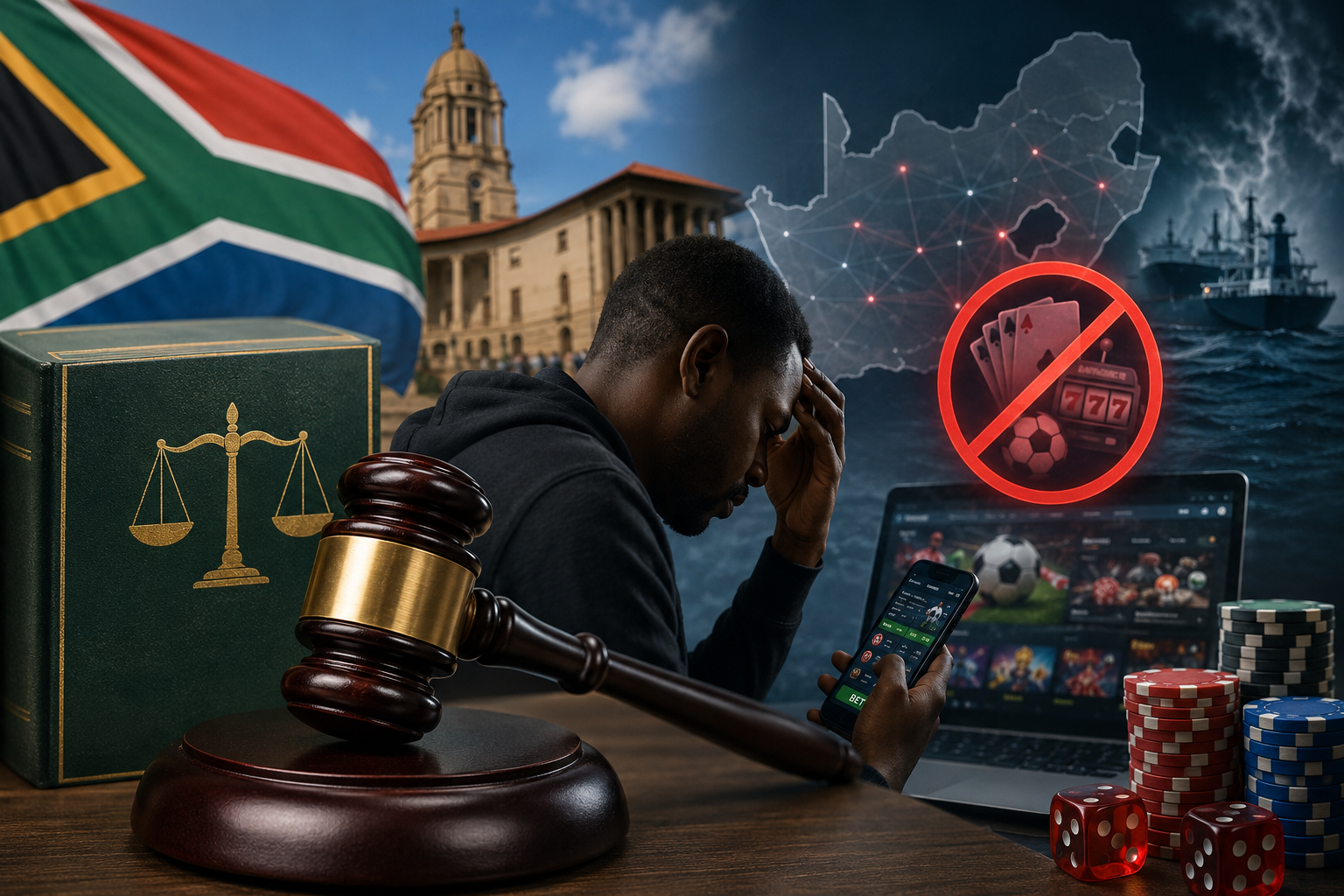
South Africa Fast-Tracks Gambling Bill to Tackle Addiction and Ad Rules
South Africa's National Gambling Policy Council is accelerating work on new legislation aimed at gambling addiction and stricter advertising rules, as officials confront a surge in illegal offshore betting that is costing the economy billions of rand each year.
Responsible Gambling Caught in Crossfire Between NCPG & MGCB
Michigan’s top gambling regulator just pulled out of the NCPG over prediction markets. While the regulator intended to target the rival industry by exiting the group, it seems likely that responsible gambling efforts will be the biggest victims.
Save Ohio Sports Act Proposes to Ban Online Betting Market
A pair of House lawmakers have introduced a drastic new gambling bill, which includes a ban on online sports betting. The state currently uses tax revenue from the industry to fund public education, generating over $200 million in 2025 alone.
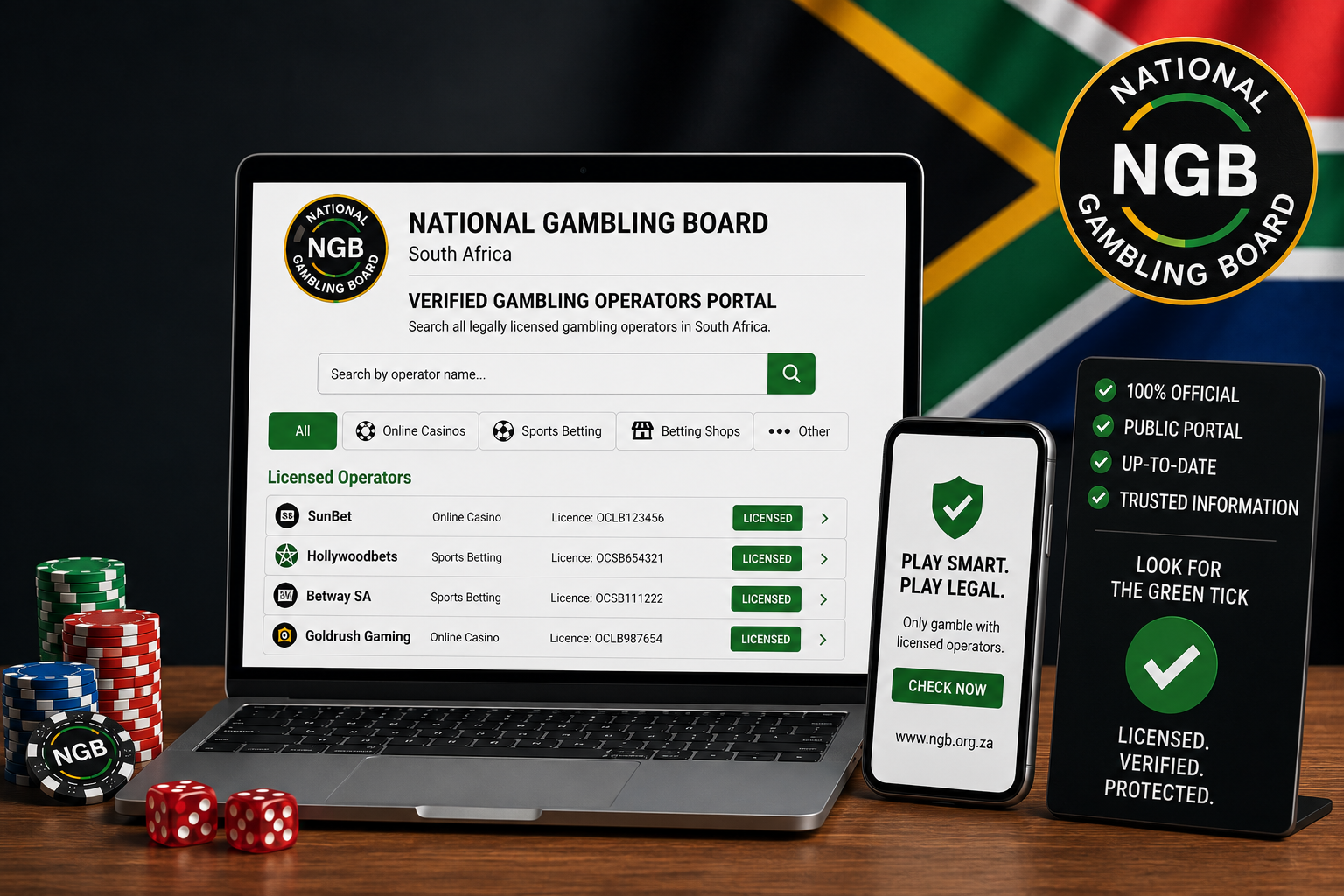
South Africa's National Gambling Board Launches Verified Casino Portal
South Africa's National Gambling Board has unveiled a new online verification portal listing every legally licensed gambling operator in the country. The move is designed to help players quickly identify legitimate casinos and steer clear of the unlicensed offshore sites.

Fanatics Joins Signify, IC360 to Launch Bad Actor Program
Fanatics has partnered with IC360 and the Signify Group to launch the Bad Actor Program. It will help identify harassment on social media and who is behind it. The group can ban violators and share its findings with law enforcement.

Michigan Wins Award For Responsible Gambling Campaign
The Michigan Gaming Control Board has won an award for its “Don’t Regret the Bet” campaign. The effort included a massive upgrade to resources and support on the regulator’s site, as well as a new focus on fighting underage gambling.

Could New Zealand's Affiliate Ban Push Players Towards Scam Casinos?
New Zealand's upcoming regulated online casino market will prohibit licensed operators from using affiliate marketing. While the policy aims to reduce gambling advertising, some industry observers believe it could unintentionally make it harder for players to identify licensed casinos.
CFTC Releases Proposal for Regulations of Prediction Markets
The CFTC has released a 267-page proposal of new regulations for prediction markets. It includes new rules for sports contracts, including restrictions on player props. However, questions still remain over the regulator’s ability to enforce its new rules.
New Jersey Bill to Ban Micro Betting Passes First Committee
A New Jersey Assembly committee passed A3258, which proposes to ban mobile sportsbooks from offering micro-betting. The controversial bet type has been linked to problem gambling and has played a role in several major US betting scandals.

Polis Signs off On New Regulations for Colorado Sportsbooks
Colorado Governor Polis has signed off on SB 131, which will enact several new regulations to help protect bettors. The bill also sets firm requirements for the sports betting tax revenue sent to fund the State Water Plan.
Michigan Expands Gambling-Blocking Software to Meet Demand
The Michigan Gaming Control Board is purchasing 100 additional software amid high demand from residents. The software blocks users from accessing gambling sites and apps, and is very difficult to circumvent, making it an effective RG tool.