

Photo by Flickr

Related News
Trump Nominates Two CFTC Commissioners Amid Prediction Market Debate
Trump's bipartisan CFTC nominations could reshape the agency's oversight of prediction markets as Senate control changes hands following the midterms.
Jerry Jones Sees Opening for Texas Sports Betting Legalization
Jerry Jones believes Texas' changing political leadership could create an opportunity for sports betting legalization, despite opposition from key lawmakers.
Five Prediction Market Companies Halt Sports Contracts in Ohio
Five companies have complied with Ohio's prediction market cease-and-desist orders, while other operators face continued regulatory scrutiny and potential enforcement.
Colorado Proposes Sports Betting Ban for Threats Against Athletes
Colorado regulators are considering new rules targeting bettors who threaten athletes and others involved in sports, as well as insider betting violations.
Louisiana Judge Issues Restraining Order Against 31 Prediction Market Entities
Louisiana secured a temporary restraining order against 31 prediction market entities, with a court hearing scheduled for November 30.
Arkansas Sues Kalshi, VGW Holdings Over Alleged Illegal Gambling
Arkansas is targeting prediction markets and sweepstakes casinos with lawsuits against Kalshi and VGW Holdings over alleged illegal gambling.

New Zealand Online Casinos Face December Licensing Deadline
New Zealand's online casino market faces a major change on 1 December as operators without licence applications must stop serving Kiwi players.

Fux Suspends All Lower-Court Cases on Brazil Betting Ban
Justice Luiz Fux froze all lower-court challenges to Brazil's online betting ban, closing a path operators used to reopen while the STF weighs the measure.
CFTC, DOJ Seek to Block Utah's Criminal Charges Against Kalshi
Federal regulators are seeking to stop Utah from enforcing gambling laws against Kalshi following criminal charges against the platform and its founders.
Pennsylvania Bills Seek to Ban Micro Bets, Parlays, VIP Programs
Pennsylvania lawmakers are proposing sweeping gambling restrictions, including bans on certain wagers and stricter daily and monthly loss limits.
Polymarket Halts Michigan Sports Prediction Markets by November 25
Polymarket has agreed to stop offering sports prediction markets in Michigan, giving customers until November 25 to close their positions.

Sizekhaya Lottery Award Set Aside as South Africa Keeps Draws Running
A court has set aside Sizekhaya’s lottery licence award. Draws continue while Parks Tau reconsiders the decision under a suspended order.
DraftKings, FanDuel, Fanatics Halt Prediction Markets in Utah
Three major sportsbook operators are withdrawing prediction market offerings from Utah amid escalating legal action against the industry.
Tommy Tuberville Open to Legal Gambling Expansion in Alabama
Tommy Tuberville says Alabama voters should decide whether to legalize gambling, but he wants any expansion handled through one comprehensive package.
Utah Sues Kalshi, Seeks $61 Million Over Alleged Illegal Gambling
Utah is seeking to block Kalshi's sports event contracts and recover millions in fees following a federal court ruling against the platform.
Ohio Bans Sports Bettor Over Alleged World Series Threats
An Ohio sports bettor has been banned over alleged threats against Blue Jays manager John Schneider during the World Series.
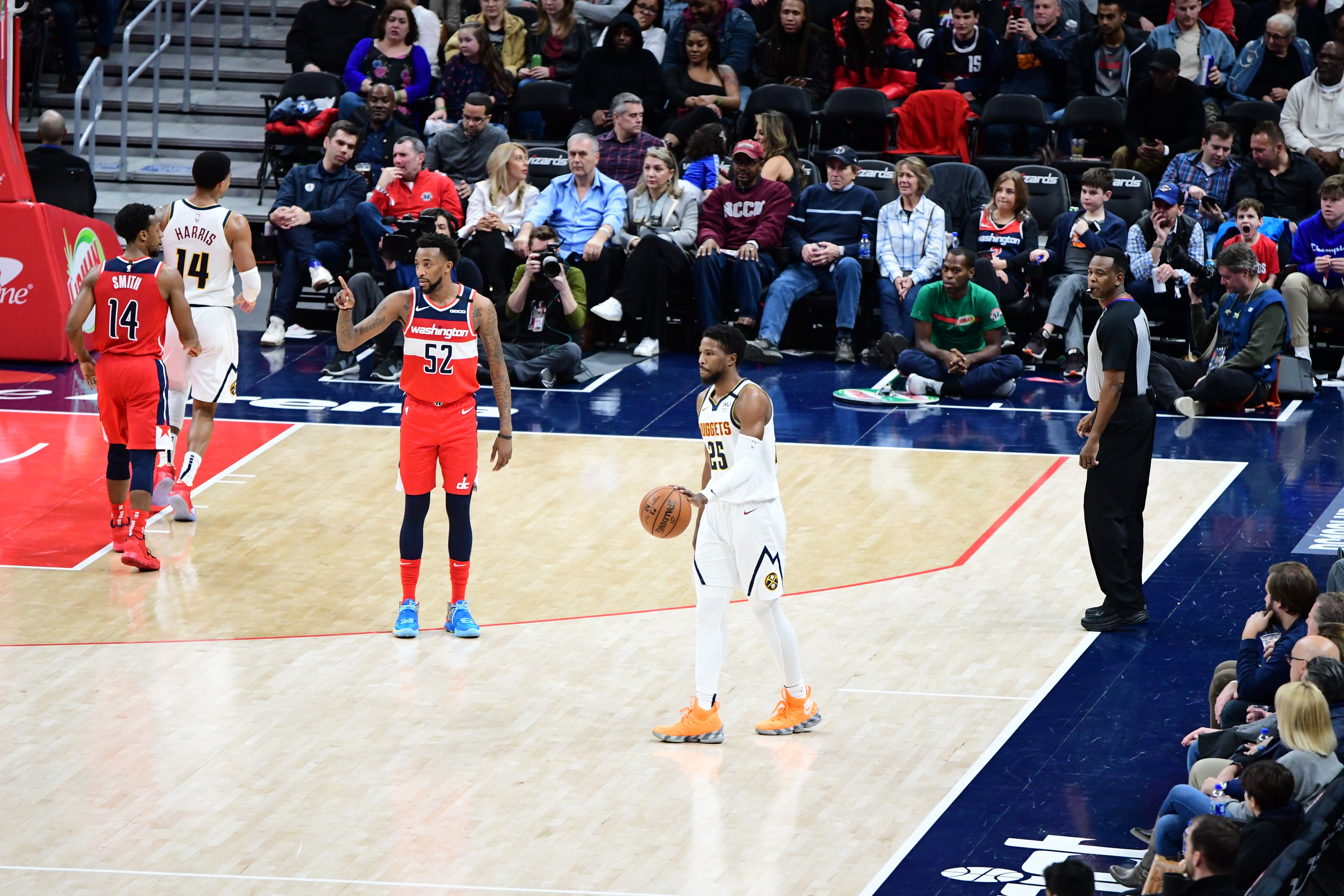
Former NBA Player Malik Beasley Reaches Plea Deal in Betting Scandal
Malik Beasley is expected to plead guilty in December as federal prosecutors pursue an NBA betting scheme involving player props.
South Africa Considers New Safeguards for Mobile Betting Vouchers
South Africa is examining whether mobile betting vouchers need stronger safeguards, although no ban or new restrictions have been announced.

Limpopo Court Jails Illegal Gambling Operator for 12 Months
A Limpopo gambling operator has received a 12-month prison sentence after authorities seized 17 computers from an unlicensed internet café.
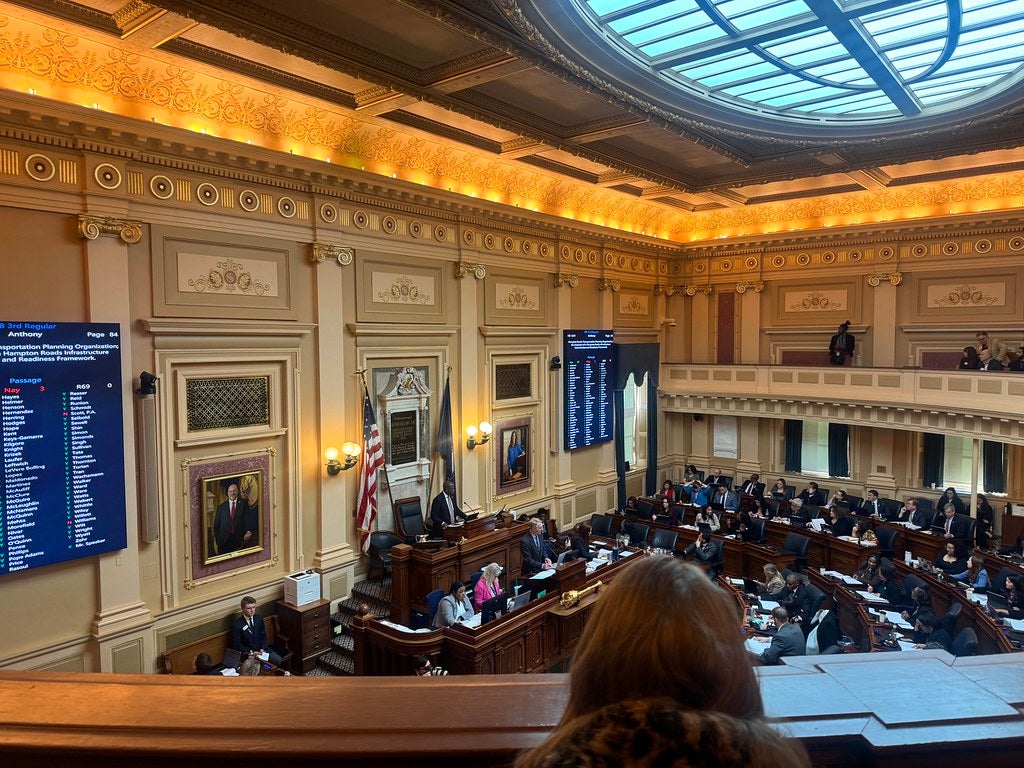
Lawmakers Demand VIP Program Details From Six Sportsbooks, Prediction Markets
Federal lawmakers are expanding their scrutiny of gambling VIP programs to six sportsbook and prediction market operators.
NBA Partners With Kalshi, Polymarket, DraftKings Predictions in Major Deal
The NBA is entering the prediction market space through three major partnerships and a new sports integrity agreement with the CFTC.
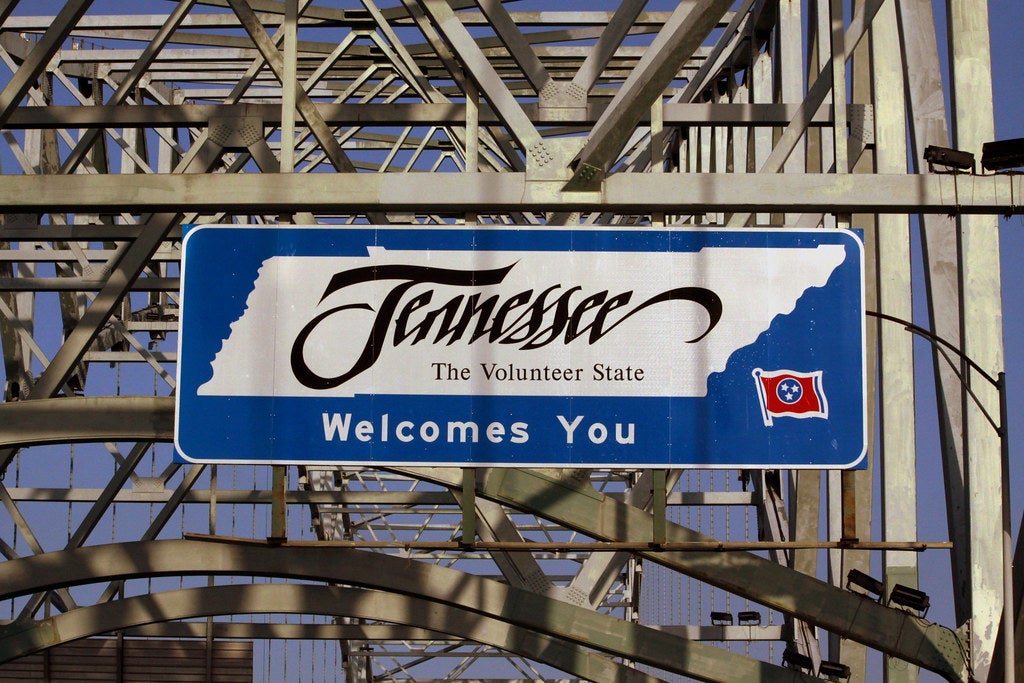
Underdog Sues Tennessee Over Prediction Market Gambling Restrictions
Underdog is challenging Tennessee's gambling laws after receiving a cease-and-desist notice targeting its sports prediction market contracts.
CFTC Halts Novig, ProphetX Sports Prediction Market Contracts
The CFTC is targeting sports micro contracts at Novig and ProphetX amid concerns over market integrity and regulatory compliance.
NBA Restricts Player Prop Bets, but Prediction Markets Remain Unaffected
The NBA is tightening player prop betting restrictions at partnered sportsbooks, raising questions about prediction market oversight.
Google Bans Prediction Market Ads in Connecticut, Bringing Total to Five States
Google has added Connecticut to its list of states where prediction market advertising is prohibited, bringing the total to five.
Crypto.com, Novig Sue Missouri Over Prediction Market Restrictions
Crypto.com and Novig are challenging Missouri's crackdown on sports event contracts through separate federal lawsuits.
Reuters Poll Finds Most Americans Oppose Election Prediction Markets
A new Reuters/Ipsos poll reveals bipartisan opposition to election prediction markets ahead of the U.S. midterms.
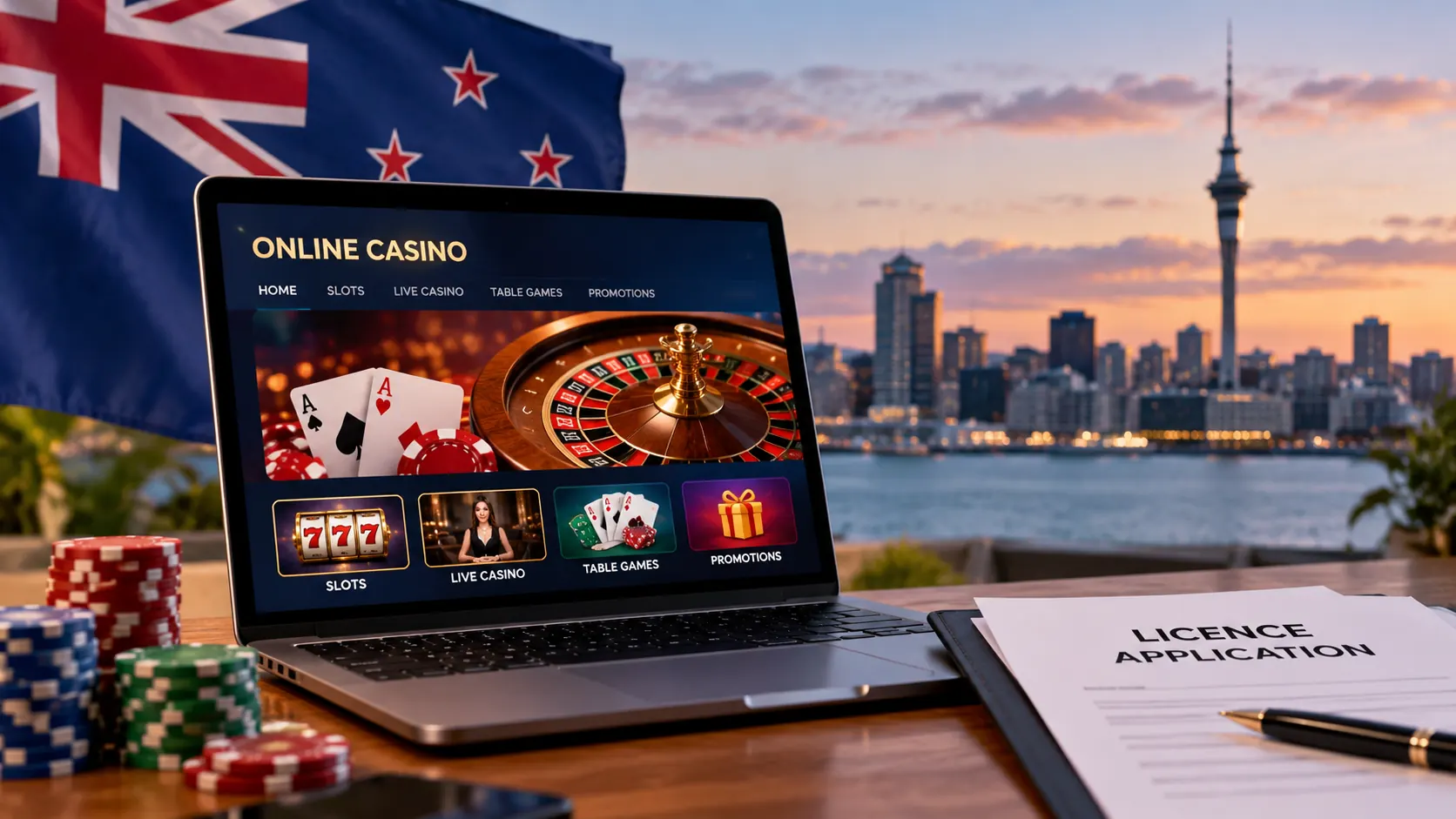
New Zealand Names 11 Successful Online Casino Auction Bidders
New Zealand's Department of Internal Affairs has named 11 successful online casino auction participants who secured the right to apply for 15 licences. The auction concluded on 12 October 2026, with the final price reaching NZ$15 million per licence.
Prediction Markets Retreat From Michigan, Connecticut, Missouri Amid Legal Pressure
Prediction market operators are withdrawing or restricting sports contracts in three states amid lawsuits and regulatory enforcement.
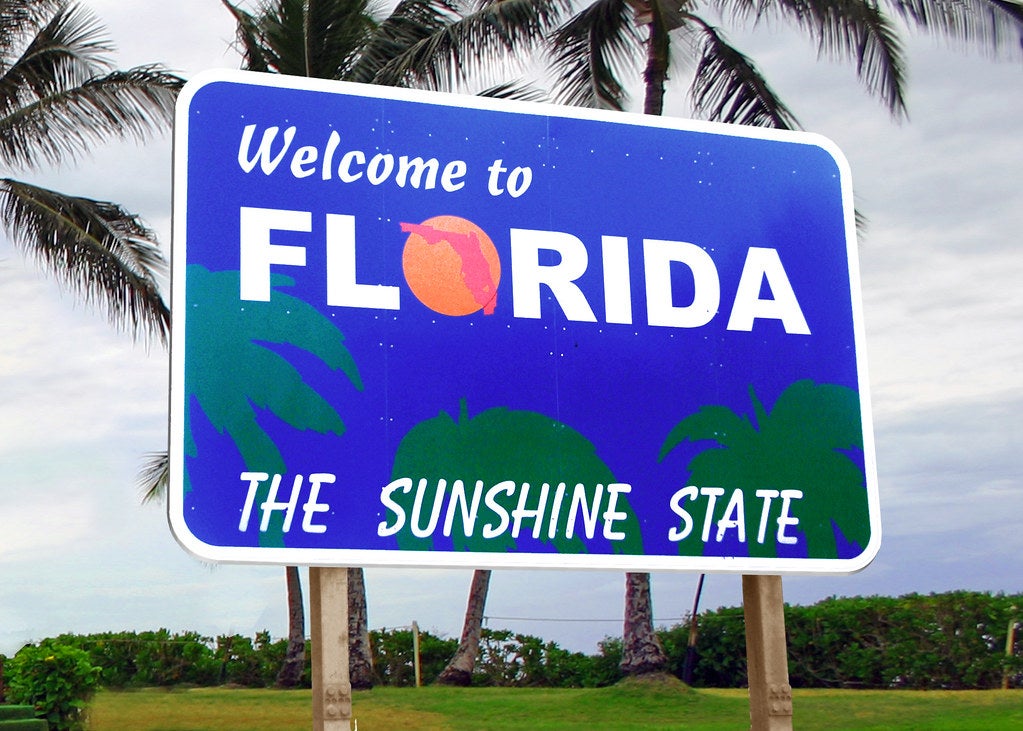
Seminole Tribe Sues DraftKings Over Prediction Markets, DFS in Florida
The Seminole Tribe is suing DraftKings over its Florida prediction market and DFS offerings, seeking an injunction and profits.
Pennsylvania, Wyoming Advance Proposals to Ban Sweepstakes Casinos
Pennsylvania and Wyoming are pursuing legislation to target sweepstakes casinos, as more states move to restrict dual-currency gaming platforms.
Lawmakers Demand FanDuel Release Celebrity Videos Sent to VIP Bettors
Three lawmakers are demanding more answers from FanDuel over personalized celebrity videos sent to members of its VIP program.
NFL Backs New Jersey in Supreme Court Fight Over Prediction Markets
The NFL is siding with New Jersey in its Supreme Court battle over the legality of sports prediction market contracts.