Operators are not state-licensed and do not share their gaming revenue with local or state governments
Florida officials allege that sweepstakes companies illegally made nine figures from Florida customers
Florida officials are moving toward banning sweepstakes casinos.
The state Attorney General James Uthmeier filed two lawsuits in Hillsborough County Circuit Court against operators of online sweepstakes platforms and their financial payment processors.
Both lawsuits targeted major players in the sweepstakes world, including Stake and virtual properties operated by VGW, including Chumba Casino, LuckyLand and Global Poker.
Florida sues sweepstakes casinos
State prosecutors asserted that Florida’s gaming statutes and the Florida Deceptive and Unfair Trade Practices Act prohibited sweepstakes casinos — which use a dual-currency model — from masking real-money gambling as free-to-play entertainment options.
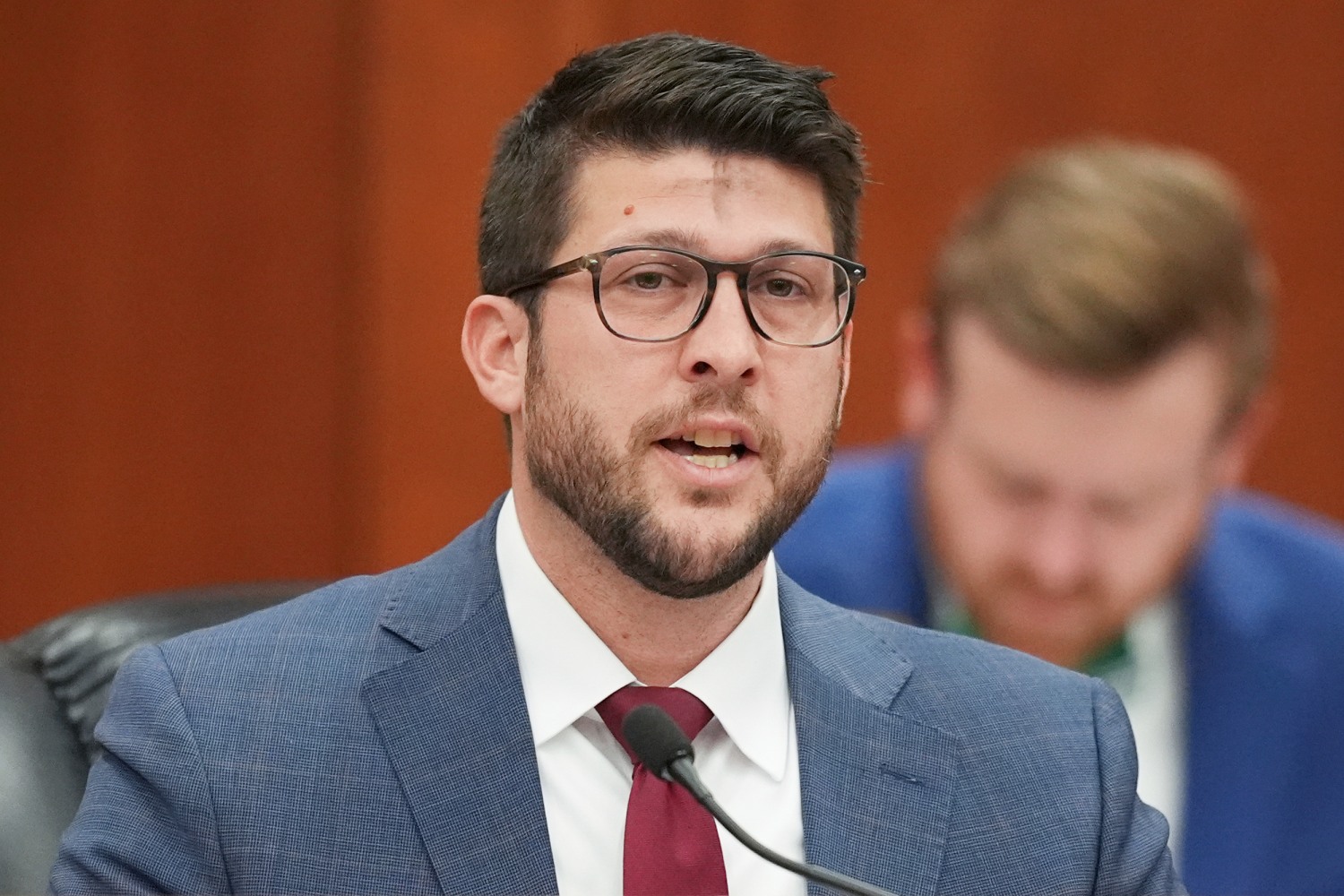
“If it looks like a casino, takes real money like a casino, and pays out like a casino, it is a casino—and it is illegal under Florida law,” Uthmeier said in a statement, per Florida’s Voice. “These companies have been preying on Floridians, including minors and seniors, with deceptive marketing, and 24/7 access, while dodging our state’s licensing, taxation, and consumer-protection requirements.”
The lawsuit also calls out the use of a dual-currency model, which allows but does not require customers to use real money to access the platform. Players can buy Gold Coins or Sweeps Coins, which are then used to play games that win more Coins, gaming opportunities, or prizes, such as gift cards or cryptocurrency.
Sweepstakes casinos still allow customers to play common online casino games, including slot machines, blackjack, and poker. According to Florida officials, the dual-currency model only exists to circumvent state gaming laws, which would otherwise prohibit these activities.
“These companies cannot hide illegal gambling behind a sweepstakes label,” Uthmeier said. “We’re seeking to recover every dollar consumers lost under Florida’s gambling recovery laws, and we will hold them accountable.”
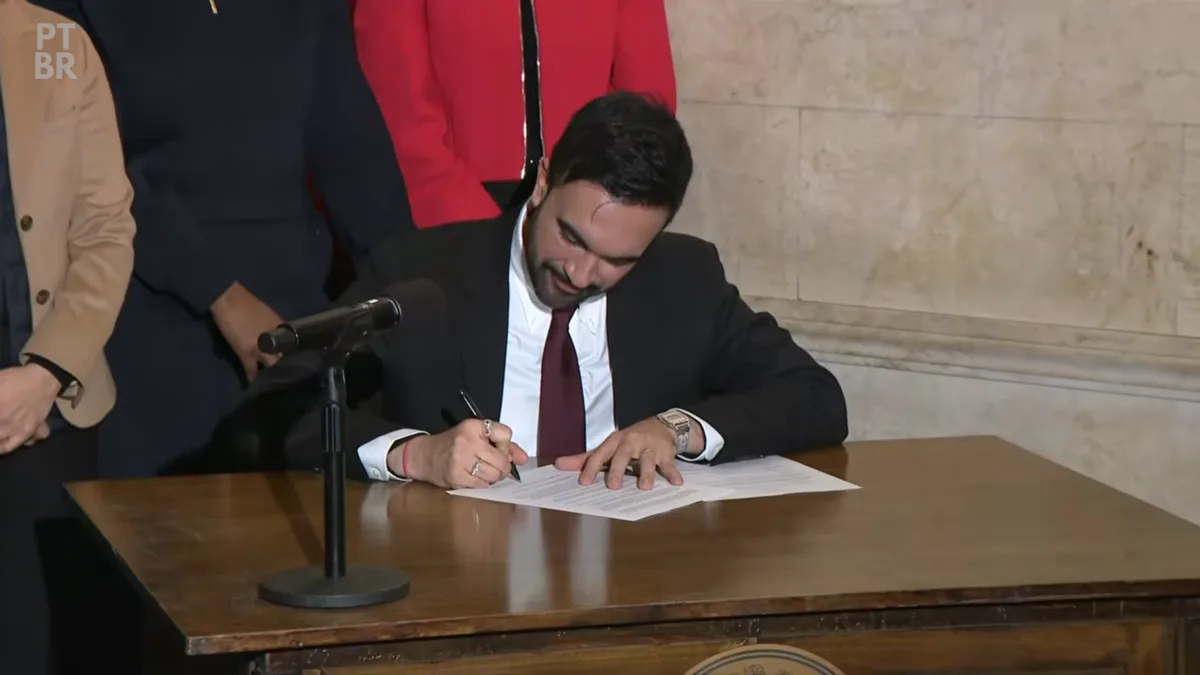
James Uthmeier
Different perspectives
Sweepstakes casinos have been under fire from state gaming officials in a variety of states across the country due to similar feelings about breaching state gaming regulations. Several states have passed outright bans, while others have sent cease-and-desist orders to a variety of operators.
According to Florida officials, sweepstakes platforms generated hundreds of millions of dollars from in-state residents. They also didn’t share their proceeds with the local or state governments since they weren’t licensed and regulated.
Judges are ultimately being asked to stop the companies named in the lawsuit from operating and soliciting customers in Florida. They are also asked to secure restitution for customers, disgorgement of unlawful profits, and to pay civil penalties and attorney fees.
Uthmeier shared a post on X (Twitter) confirming the state’s decision to pursue legal action against sweepstakes operators.
In an attempt to avoid enforcement and litigation from state officials, sweepstakes and social casinos formed the Social Gaming Leadership Alliance (SGLA). This group championed operators who offered “innovative, free-to-play entertainment experiences” that promoted “responsible digital entertainment.”
Despite their intentions, the SGLA argument has not made a major difference in disputes with state officials.
Grant is an industry news expert who covers legislative news, financial updates, and general industry trends.
As a veteran of the gambling industry, Grant has experience in the world of casinos, sports betting, and iGaming. As a former long-distance runner, he knows a thing or two about persistence and consistently holding himself to a high standard.
CEOs of both companies this week made it clear that they would keep the bubbling industry at arm’s reach, continuing with their typical gaming offerings.
Lula signed a provisional measure banning online betting in Brazil days before the election. Bettors must withdraw funds by Oct. 5 before sites go dark.
Each company was given a deadline of Oct. 23 to respond in writing detailing the preventative steps they had taken to ensure promotion would not occur.
New Zealand has provided further details of what successful auction bidders will need to demonstrate when applying for one of the country's first online casino licences.
Brick House Recovery Centre receives $2.4 million, the first payout from Alberta's iGaming social responsibility program, to expand gambling addiction care.
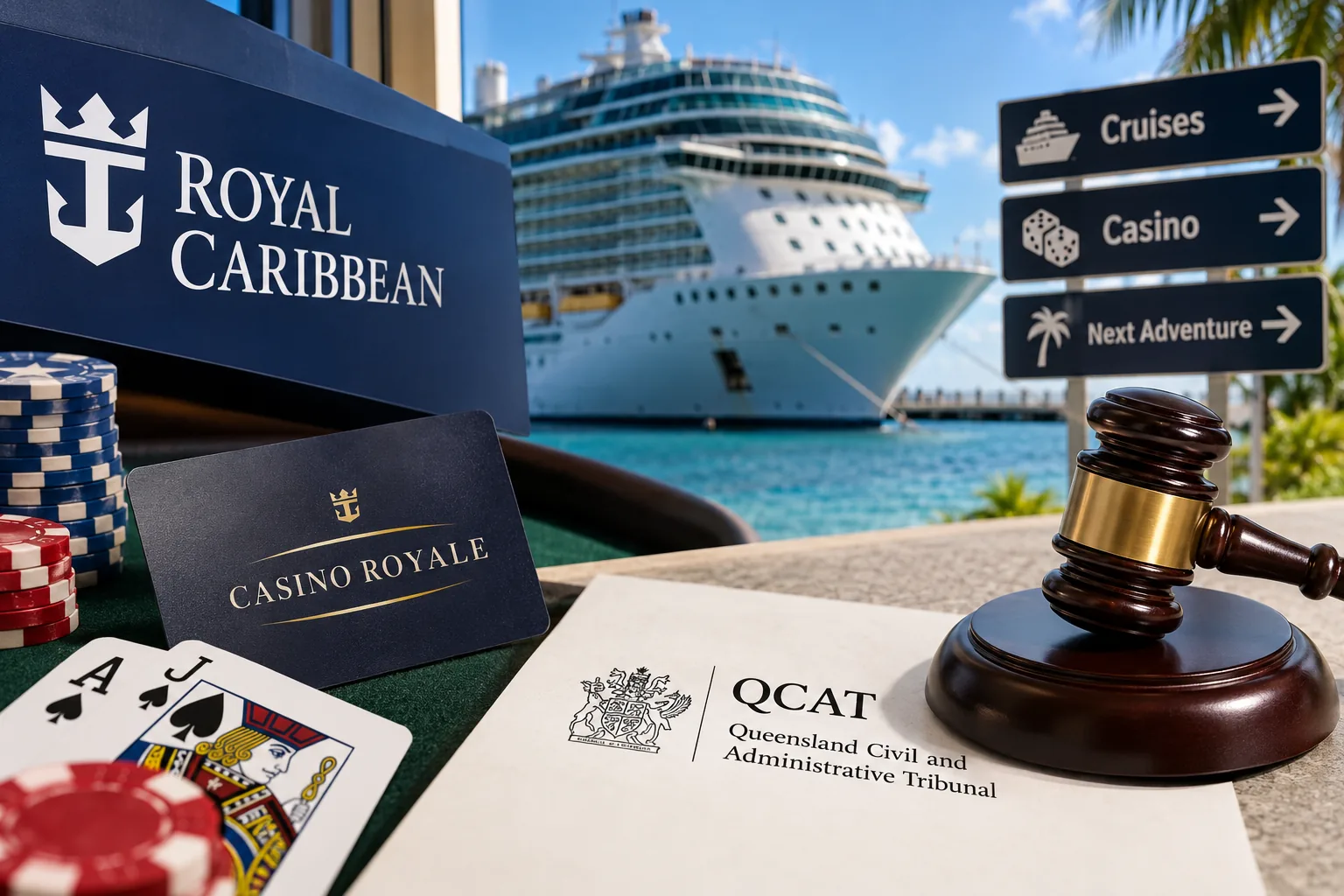
Australian casino player Mark Timothy Grant can continue his QCAT case against Royal Caribbean after five complimentary Casino Royale cruises worth A$22,040 were cancelled.




.jpg)








.jpg)


.jpg)

.jpg)