

Bedford approves 24-hour gaming centre despite concerns over crime and gambling harms, Pexels CC0

Related News

Macau Mass Baccarat Revenue Falls to 2026 Low in Q3
Macau's mass baccarat revenue dropped 4.5% to MOP33.6 billion ($4.03 billion) in the third quarter, its lowest of 2026, while VIP baccarat climbed 6.3%.
Macau Casinos Face Q3 Profit Drop, CLSA and Goldman Warn
CLSA forecasts an 11% drop in Macau casino EBITDA for Q3, while Goldman Sachs sees a 9% fall, as rising commissions and soft gaming revenue squeeze margins.

Macau Holds 2026 Gaming Revenue Forecast Despite Slump
Chief Executive Sam Hou Fai says Macau will keep its MOP236 billion (US$29.2 billion) GGR target as October's Golden Week result becomes crucial for 2026.
Western Cape Gambling Tax Revenue Tops R1.19 Billion in 2026
Western Cape gambling tax collections reached R1.19 billion in the first seven months of 2026. Sports betting contributed R692.44 million, accounting for approximately 58% of the total, according to official regulatory figures.

Sphere Entertainment Shares Sink Nearly 14% After Craig-Hallum Downgrade
Sphere Entertainment shares closed at $110.83 on Monday after Craig-Hallum downgraded the stock, citing flat demand for The Wizard of Oz at Sphere.

Macau GGR Falls 1.2% in September as Earnings Risks Rise
Macau's September GGR slipped 1.2% to MOP18.06 billion despite an easy comparison, and CLSA warns earnings forecasts may face further cuts.

IMF Sees Macau VIP Gaming Staying a Small Share of GGR
The IMF's 2026 Article IV report says mass-market play made up about 73 percent of Macau's GGR in 2025, with VIP gaming expected to stay relatively low.

SunBet Targets Betway and Hollywoodbets as South African Online Growth Accelerates
SunBet is looking to close the gap on Betway and Hollywoodbets after growing significantly faster than South Africa’s wider online betting market.

Loto-Québec Revenue Rises to CA$782.6M Ahead of Oct. 5 Election
Loto-Québec's quarterly revenue rose 2.1% to CA$782.6 million, led by casinos, as opposition parties push to end its online gambling monopoly.

Ontario Sports Betting Falls 30% in August as Casino Surges
Ontario sports betting revenue fell 30% to CA$54.4 million in August, while online casino wagers hit a record 90% share of the CA$9.74 billion handle.
Barry Diller, People Withdraw $18bn BetMGM Takeover Bid
MGM Resorts confirmed on Wednesday that the bid had been withdrawn, leaving the hotel-casino enterprise as a “standalone company.”
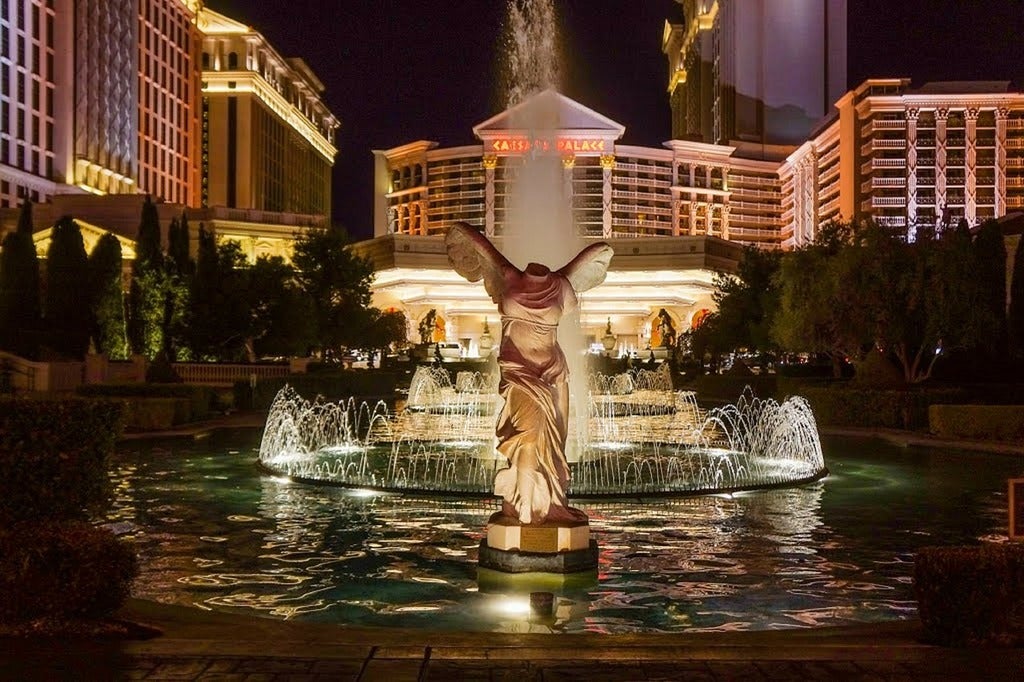
Caesars Shareholders Approved $17.6Bn Sale to Tilman Fertitta
A Wednesday morning filing with the Securities and Exchange Commission said that the deal was approved by 65.4% of participating voters.
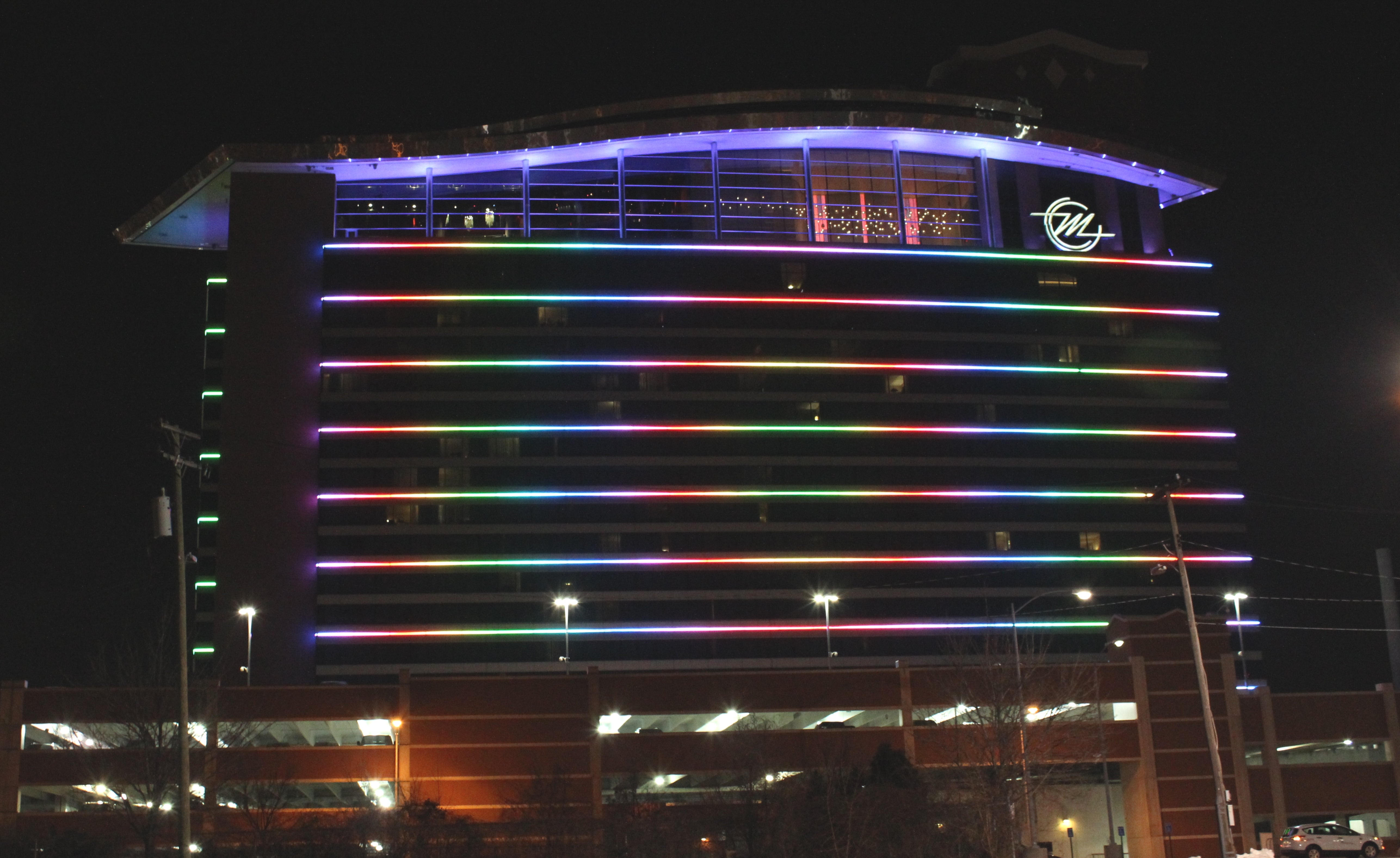
Detroit Casinos Continue to Grow, Michigan iGaming Thrives
MGM Grand Casino led all operators with nearly half of the combined revenue total, while the state gained $8.8 million in wagering taxes.
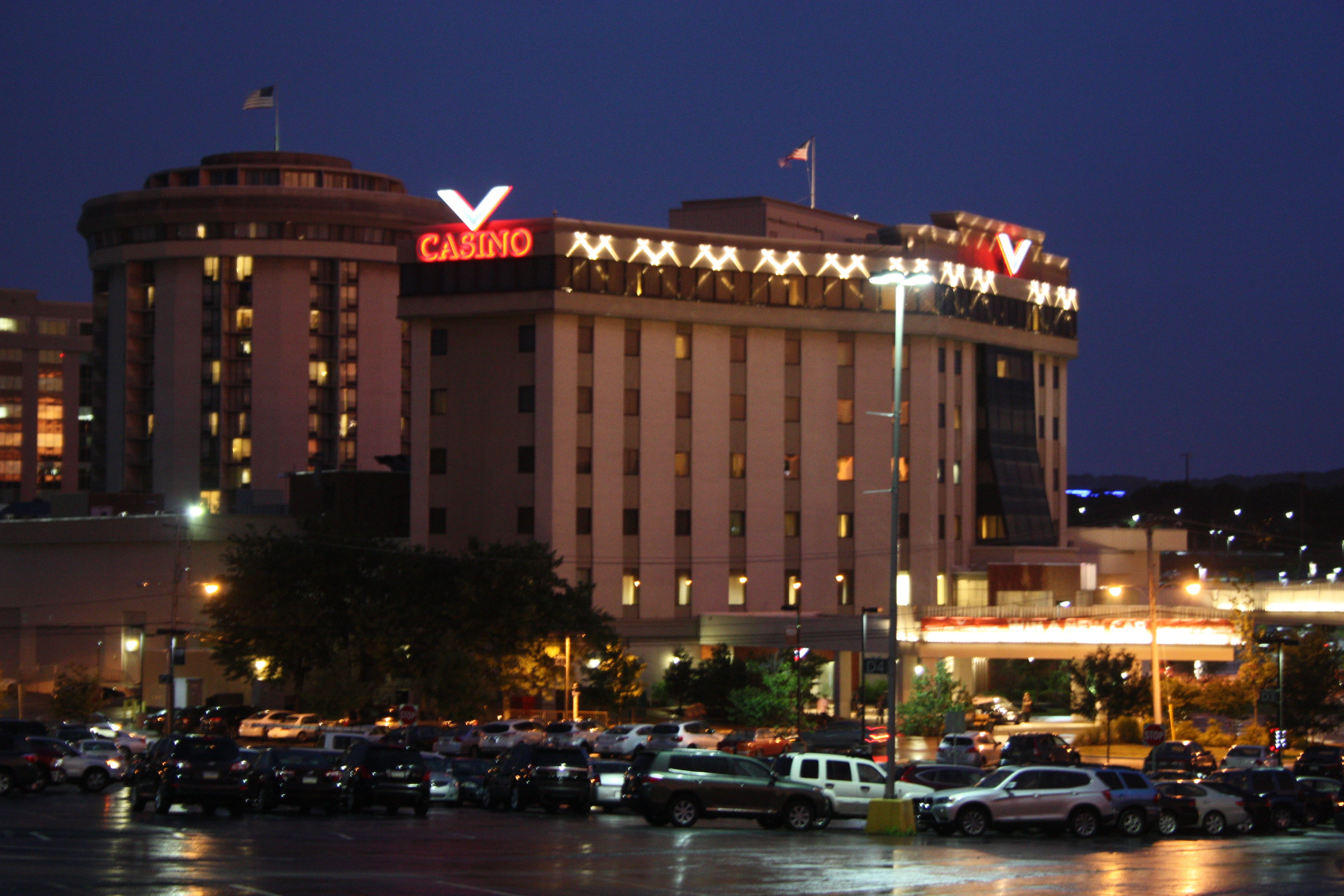
Pennsylvania iGaming Grows 6.3% Even as Overall Gambling Declines
Despite that, overall gaming revenue from iGaming, retail casinos, sports betting, fantasy contests, and video gaming terminals fell 2.2% to $569.7 million.
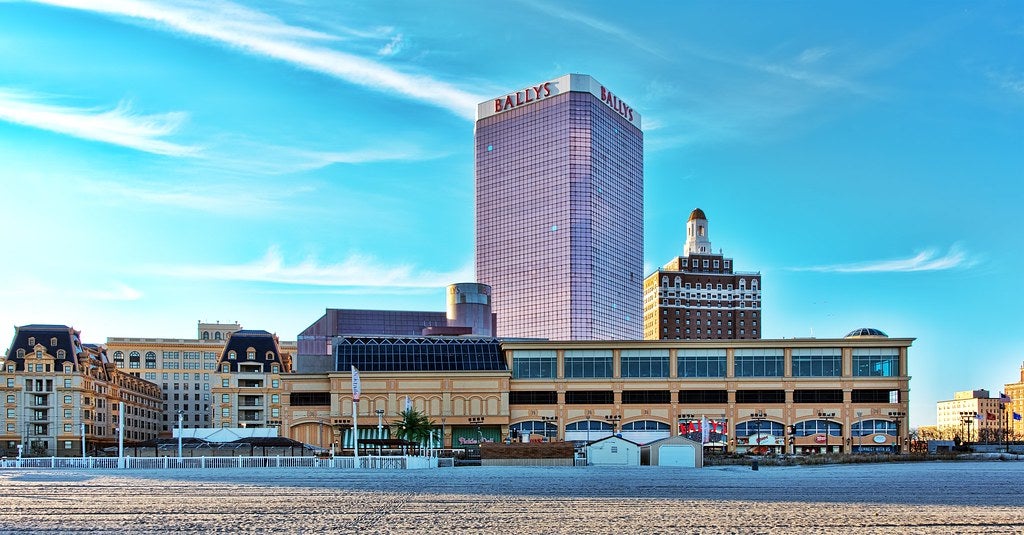
New Jersey iGaming Continues to Grow, Up 4.4% Year-Over-Year in August
The state’s $259.3 million in iGaming revenue marked yet another improvement on the 2025 standard as the state continues to expand its market.

Sun International Land-Based Casinos Return to Growth After Three-Year Decline
Sun International’s land-based casino business has recorded growth for the first time in three years, helped by hundreds of new slot machines, stronger table gaming and increased investment across its casino portfolio.
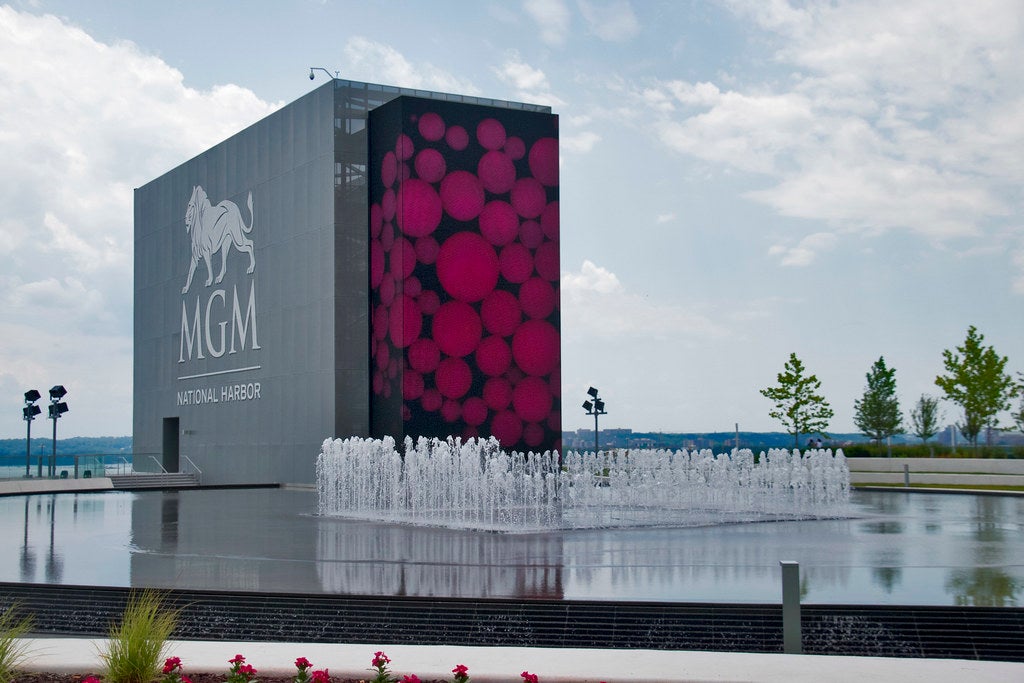
Maryland Reports Fourth Straight Month of YoY Casino Decline
2026 casino revenue through August sits just under $1.3 billion. That has still created $68.5 million in funding for the state and public programs.

Ontario iGaming Wagers Hit Record CA$9.88B in July
Ontario's online casino wagers hit a record CA$8.78B in July, pushing total iGaming handle to CA$9.88B as sports betting cooled.
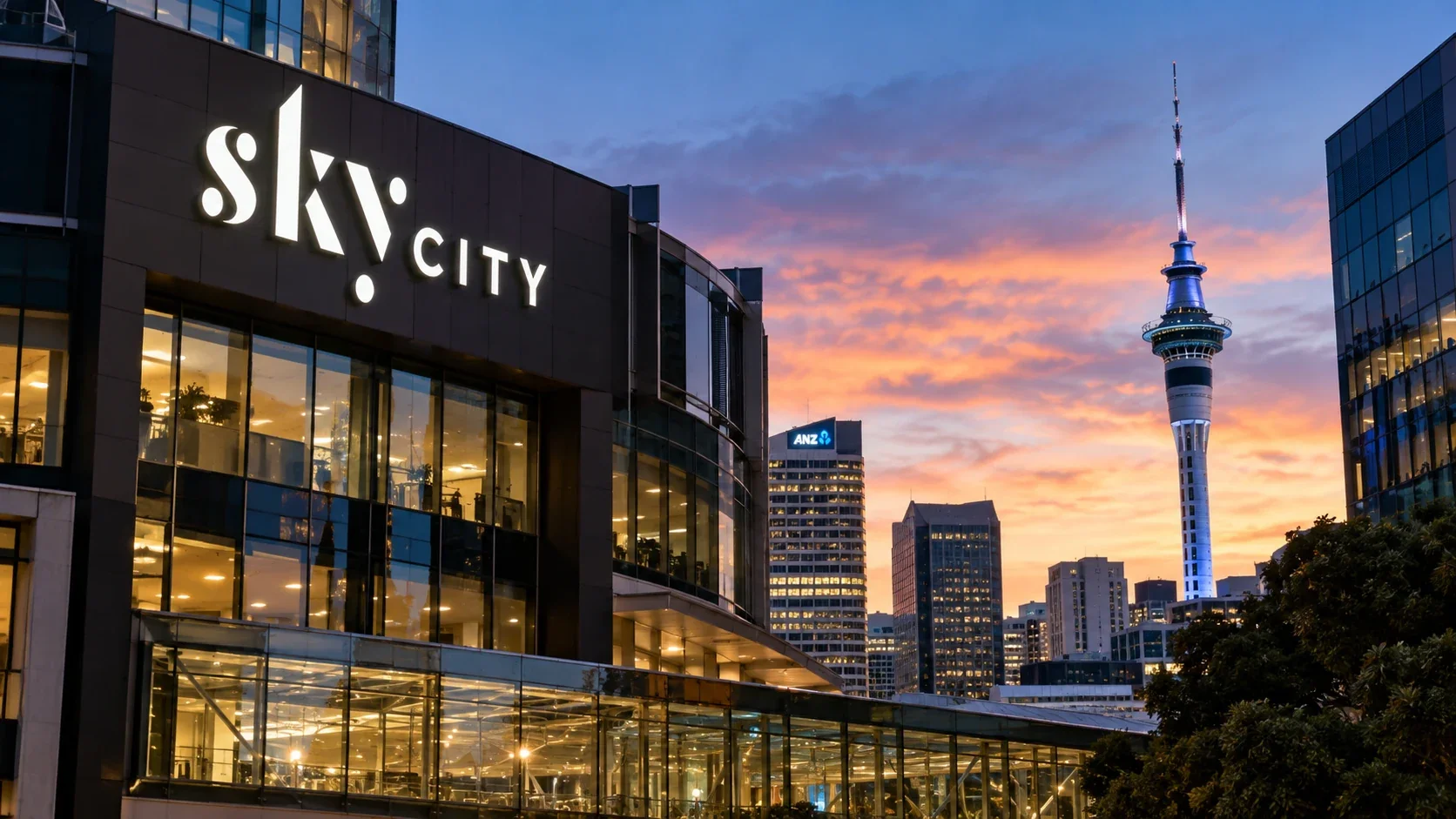
SkyCity Completes NZ$74.5m Auckland Property Sale as Debt Reduction Push Continues
SkyCity Entertainment Group has completed the NZ$74.5 million sale of several Auckland properties, with the proceeds set to be used to repay debt and strengthen its financial position.
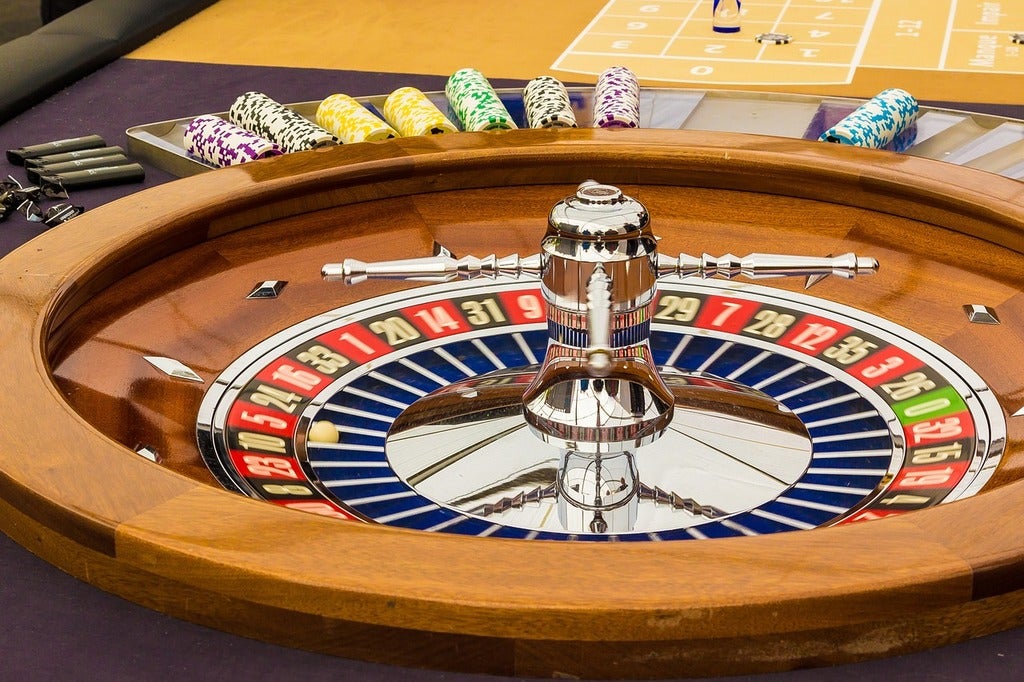
Pennsylvania iGaming Player Wins $4.4 Million, Fourth-Largest Jackpot Ever
Progressive jackpots work by having players opt-in to the progressive pot, which is a pool built by other online players.
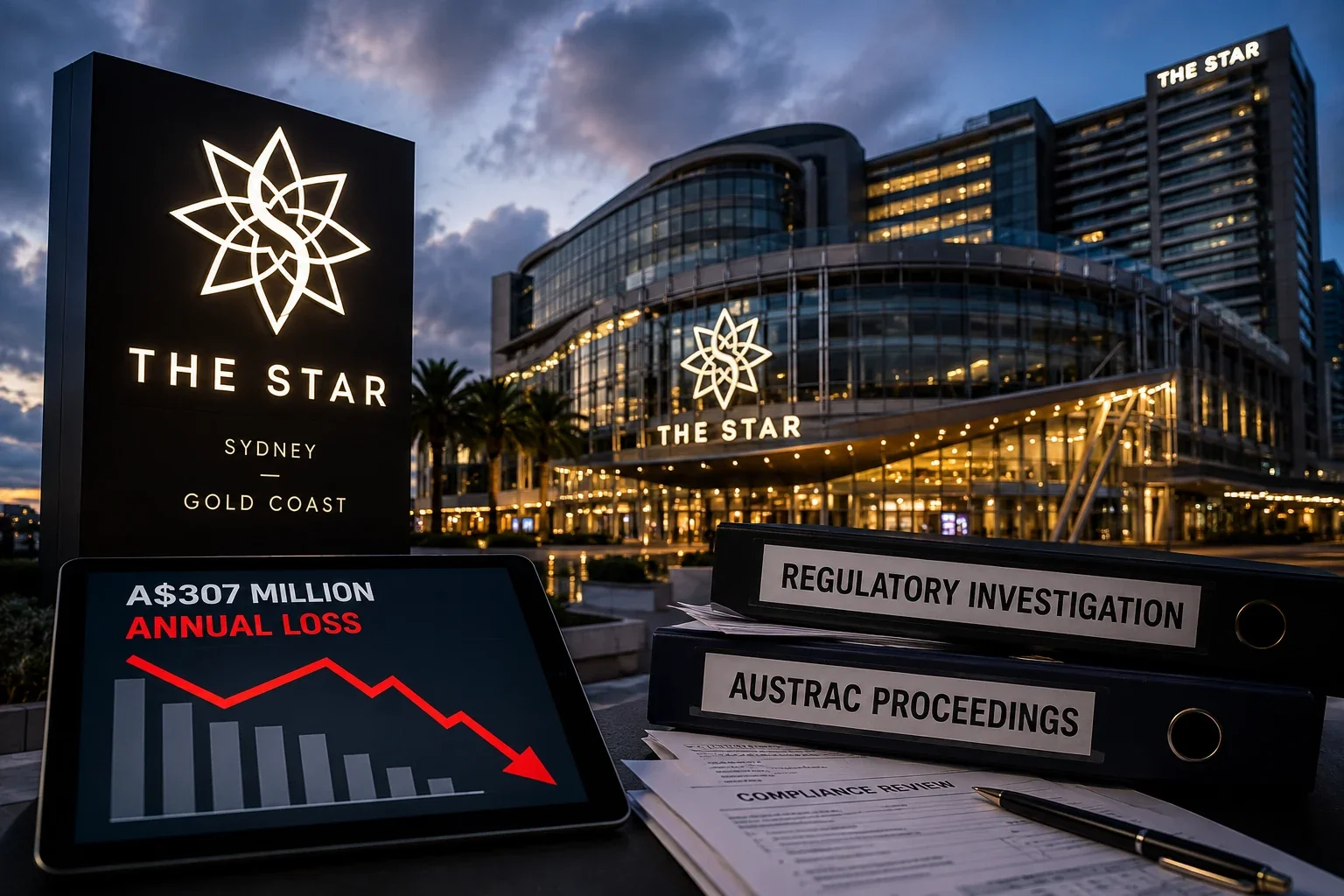
Star Entertainment Reports A$307 Million Annual Loss
Star Entertainment has reported a A$307.3 million loss for the 2026 financial year. The Australian casino operator continues to face difficult trading conditions and major regulatory challenges.

SkyCity Reveals It Rejected Two Takeover Offers
SkyCity Entertainment Group has revealed that it rejected two takeover approaches earlier this year, including an offer from Oaktree Capital Management, after its board decided the proposals undervalued the New Zealand casino operator.
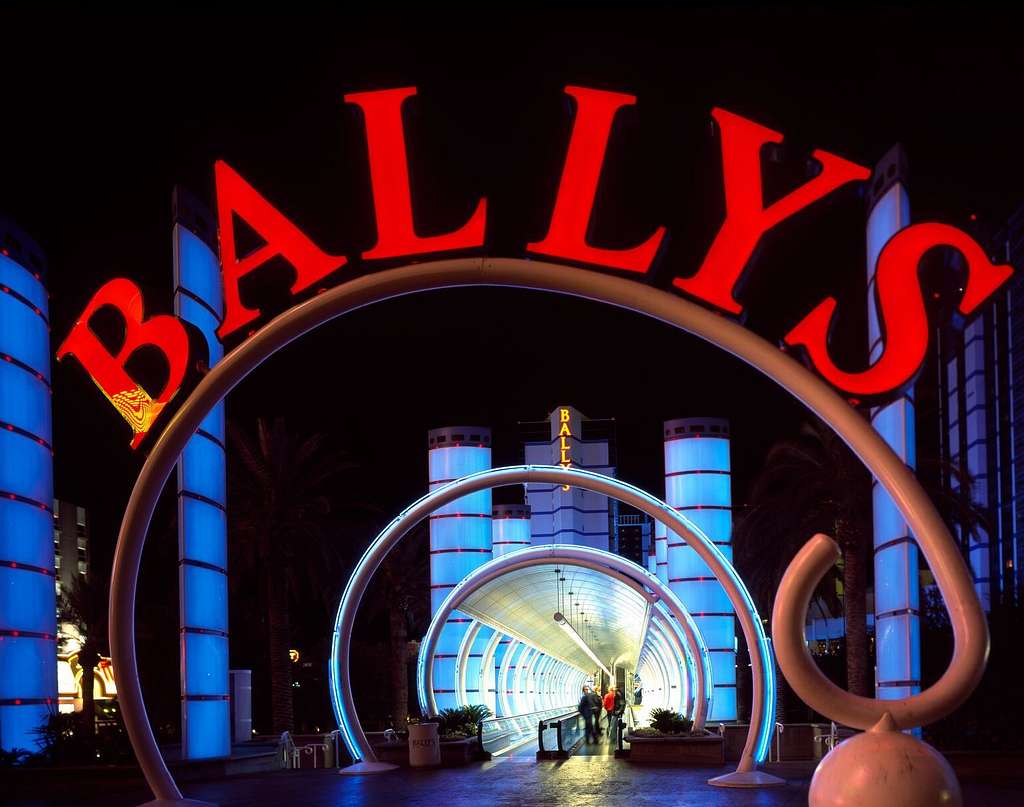
Bally’s Financial Issues Put NY Casino Project in Jeopardy
In a Form 10-Q filing with the Securities and Exchange Commission, Bally’s said there was “substantial doubt” about its ability to continue operating in its current format.
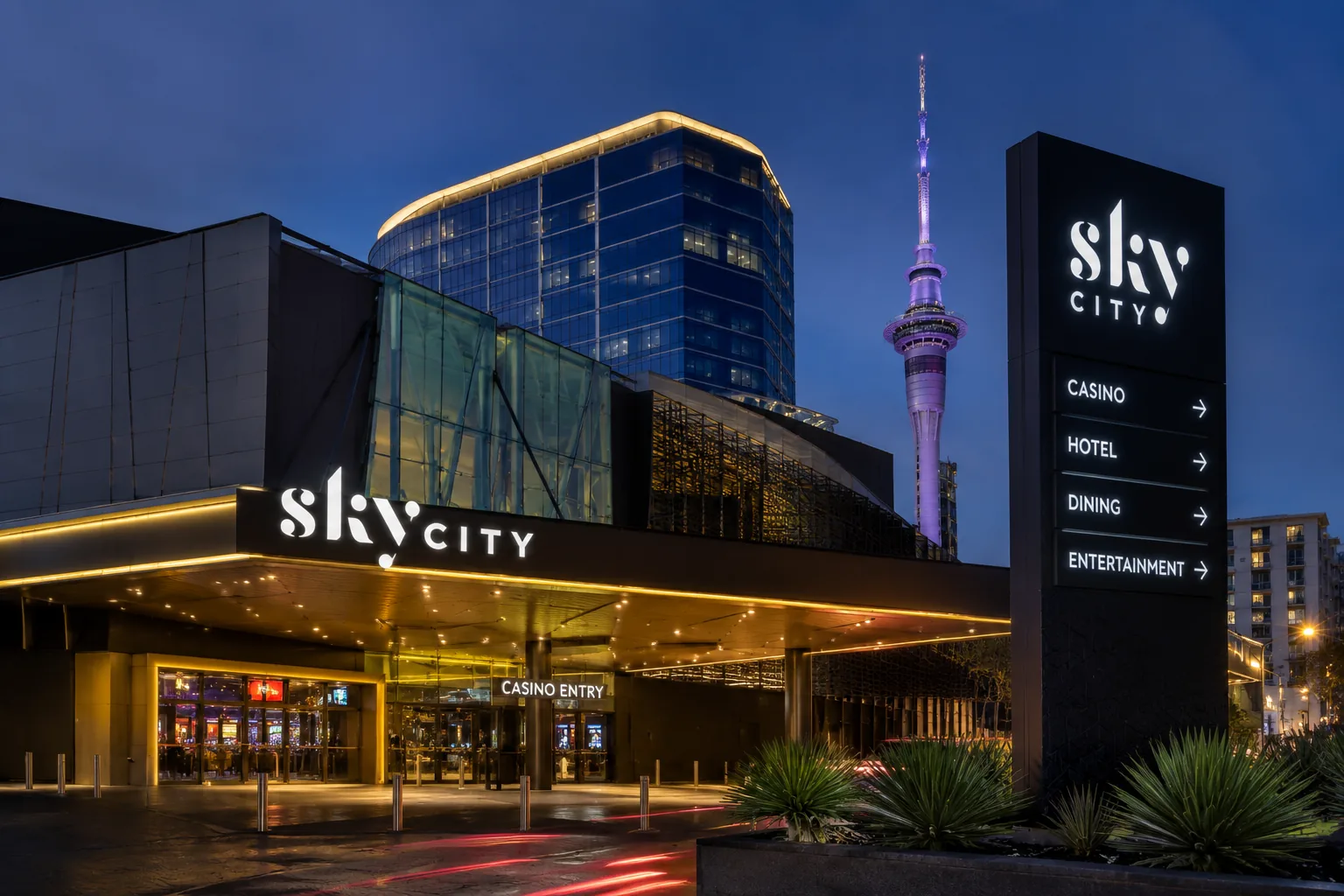
SkyCity Proposes 200 Job Cuts as Casino Spending Falls
SkyCity Entertainment Group is considering cutting around 200 jobs, mainly at its Auckland operation, as weaker consumer spending puts pressure on the casino and entertainment business. The proposed restructure comes despite an increase in visitors to SkyCity Auckland, with the company facing the more difficult problem of customers spending less when they visit.

Bally’s Chicago Casino Pauses Construction Over VGT Debate
The decision was reached as Chicago lawmakers prepare to legalize video gaming terminals (VGTs) in bars, restaurants, and truck stops throughout the city.
Celebrity Florida Weatherman Wants Court to Keep Gambling Records Secret
WINK argued that Devitt’s gambling records would show if he was enjoying time at the casino during the hours that he was supposed to be working.
Betty Canada Q2 2026: Revenue Up 113% on Ontario Growth
Betty Canada's net gaming revenue rose 113% year-over-year in Q2 2026, powered by Ontario, as the company eyes Alberta next.
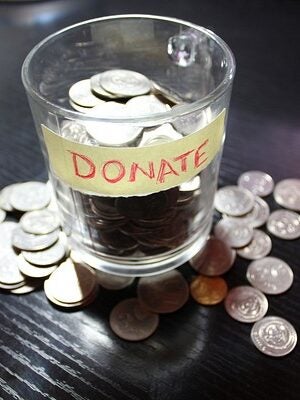
New Hampshire Casino Donates Record $2.4 Million to Nonprofits
At least 35% of gross gaming revenue from games of chance and historical horse racing must be allocated to rotating charities, with another 10% helping to fund public education.

Pennsylvania Sets Record With $7 Billion in FY 2025/26 Gaming Revenue
The Quaker state’s closest competition was New Jersey, which had a near-$7 billion total. That was 9.5% behind Pennsylvania’s $7.7 amount.

West Virginia Online Casinos Hit $439 Million in Revenue in Fiscal Year 2025/26
The state’s retail casinos had partnerships with several of the biggest online gaming providers in the country, including BetMGM, DraftKings, FanDuel, and Caesars.
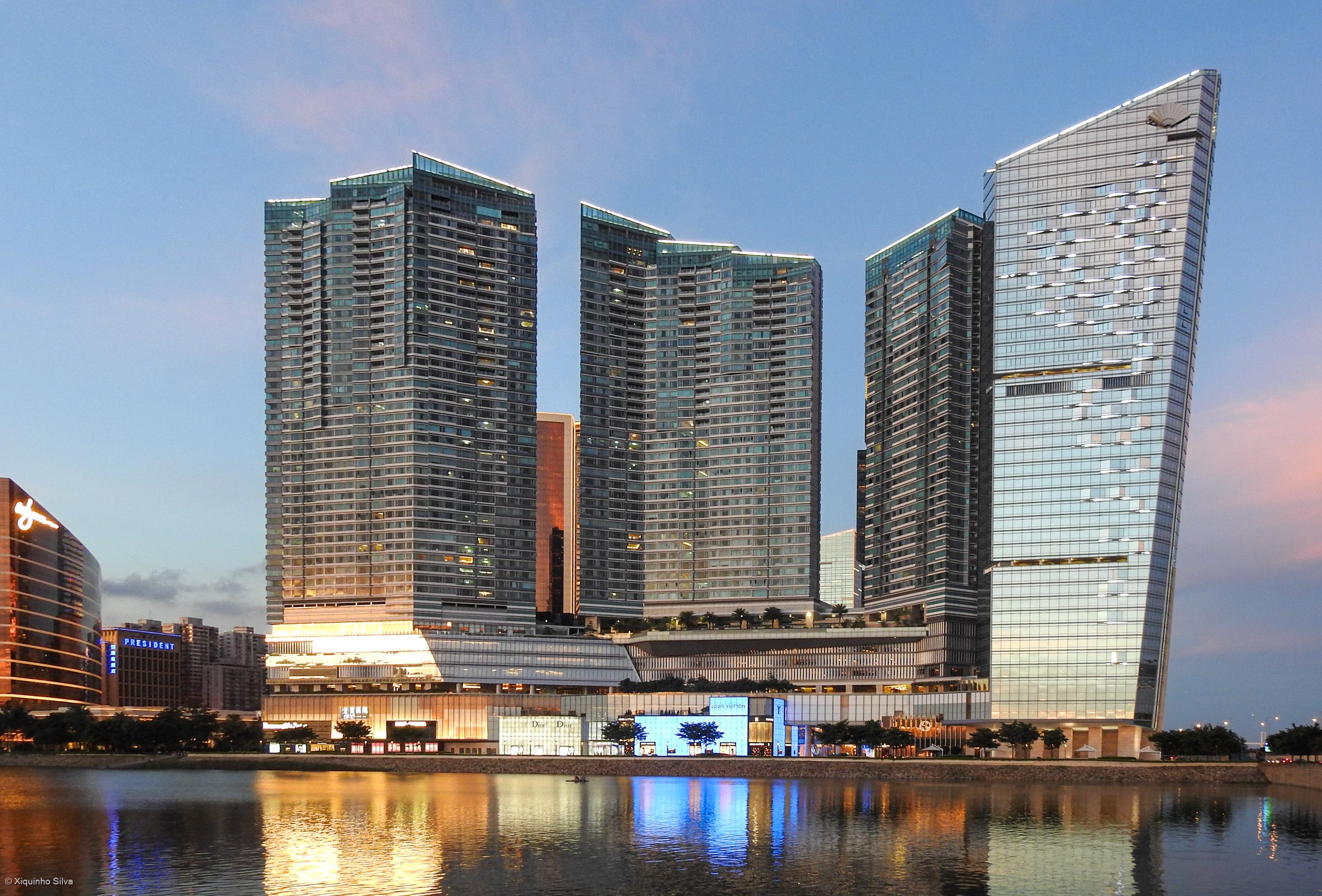
Macau H1 2026 Gaming Tax Revenue Jumps 13.1% to MOP$51.2B
Macau's H1 2026 gaming tax revenue rose 13.1% to MOP$51.2 billion, pushing the government past its full-year surplus target.

bet365 Ordered to Strengthen AML Controls Following AUSTRAC Review
Global betting operator bet365 has agreed to strengthen its anti-money laundering controls after AUSTRAC identified deficiencies in its compliance framework. The move forms part of a broader regulatory push aimed at improving financial crime safeguards across Australia's gambling industry.

Tabcorp Faces Ongoing AUSTRAC Scrutiny Over Cash Betting Practices
Australian wagering giant Tabcorp is facing renewed regulatory scrutiny as AUSTRAC investigates aspects of its cash betting operations. The review forms part of a wider crackdown on anti-money laundering compliance across Australia's gambling sector.