War, Boycotts, and More Concerns for Iran
The Iranian national team’s fate for the 2026 World Cup is likely out of its hands.
On one side, Iran could choose to boycott the tournament. With the team slated to play all of its group-stage matches in the US, it is unlikely that the nation will allow Iranian fans to attend. That lone will serve as an insult to the country, which may choose to keep its stars home as a form of protest.
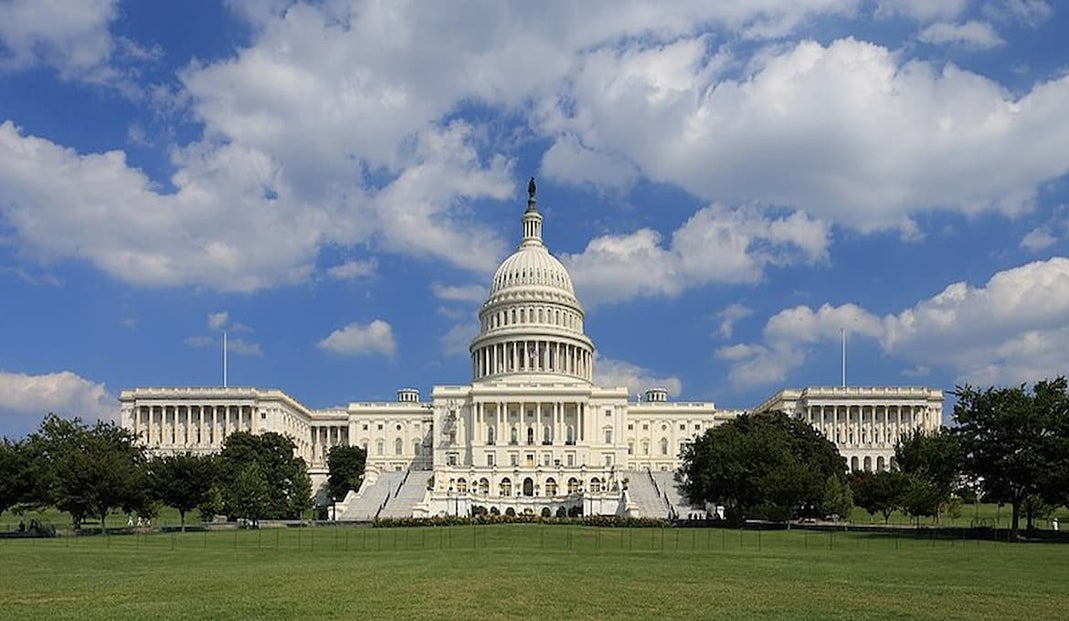
Another concern is that a conflict between Iran and the US will arise. The former was bombed by the latter last year, and the White House’s rhetoric suggests another round is likely. More attacks could spike a wider conflict and would likely result in Iran’s World Cup plans being canceled.
Iran is also dealing with spreading protests at home. The government’s violent and deadly response is generating more tension, which could lead to big changes for the country. A new regime or full-scale civil war would make the World Cup an afterthought, leading the national team to stay home.
Iran Faces Long Odds for World Cup Success
While Iran has been a tough international opponent in the past, their chances of success at the World Cup are extremely low.
Sports betting sites have Iran’s odds around +50000, putting them in the bottom 20 of the tournament.
The embattled country’s politics are a factor, but so is the level of competition the national team has faced. With most of their wins coming against North Korea, Qatar, and Uzbekistan, group play will present a far more challenging test. Iran is currently grouped with Belgium, Egypt, and New Zealand.
FIFA’s Plate Already Full
The good news for Iran is that FIFA won’t want to lose them from the field. While the team isn’t expected to be competitive, their absence would force the league to restructure the tournament, which is already the largest field in history. With soccer fans already purchasing tickets for the team’s matches, the pressure to find a solution would be immense.
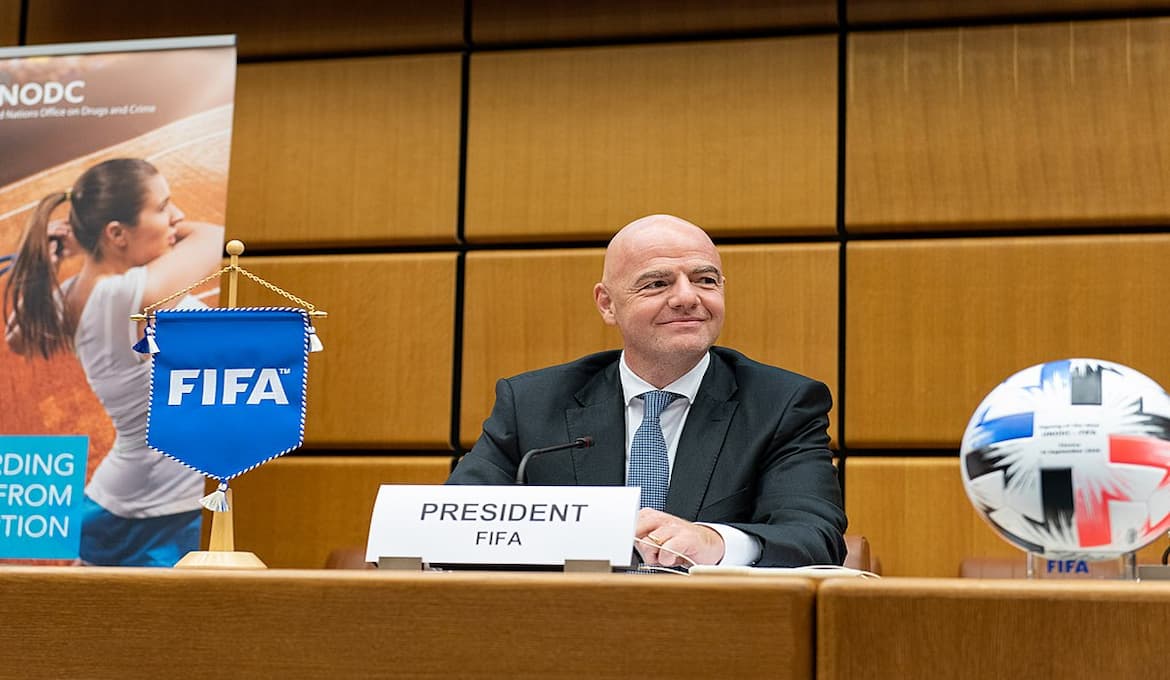
FIFA is also dealing with international anger against the US, with many countries openly discussing a boycott. FIFA President Gianni Infantantino has been supportive of the embattled host, but has also trying to ease tensions with the world’s biggest soccer nations.
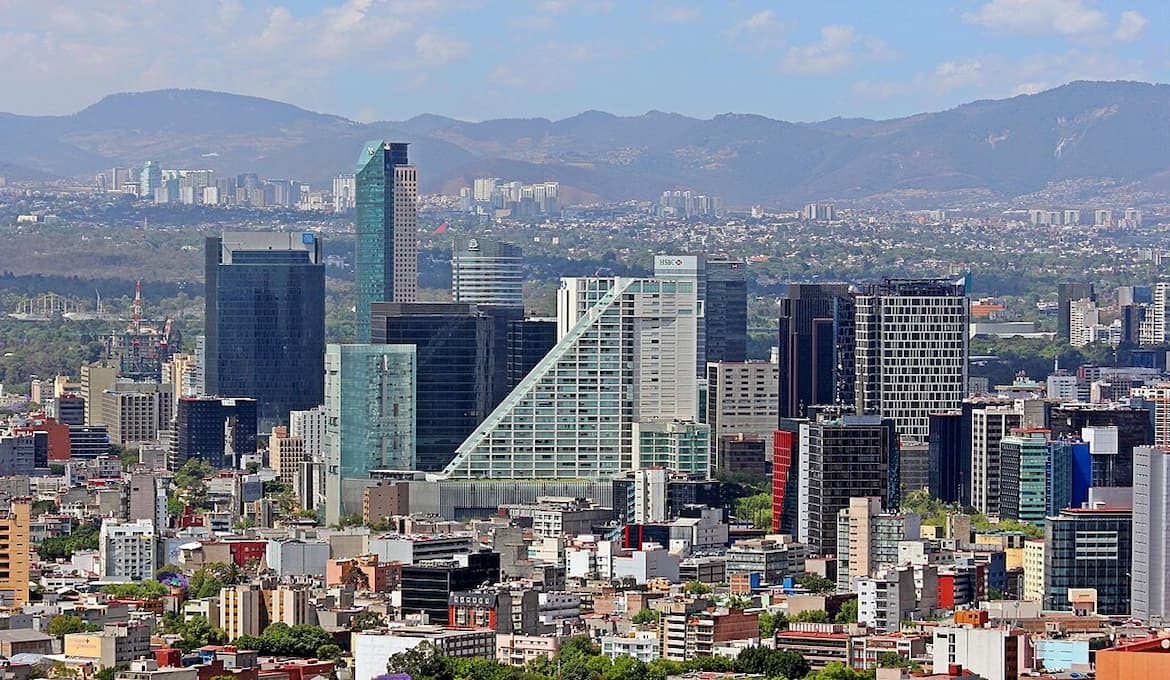
Recent violence in Mexico has also raised questions about the country’s status as host of the tournament. FIFA has shared its confidence in Mexico’s ability to protect visitors, but is also continuing to monitor the situation.