

Photo by René Stark, CC BY-SA 3.0, via Wikimedia Commons

Related News
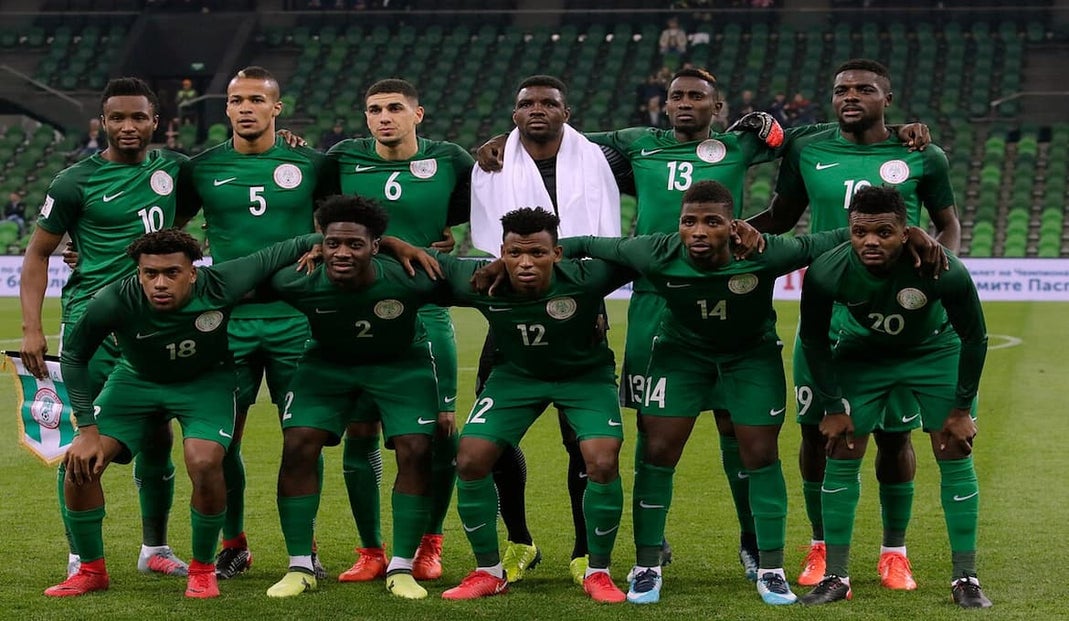
Nigeria, Congo Await Ruling From FIFA Over World Cup Status
Nigeria and DR Congo continue to wait for a ruling from FIFA, determining which team will advance to the intercontinental playoffs. While FIFA released a schedule that included Congo, officials in Nigeria confirmed no official decision has been made.

US Still Holding Critical Security Funds for 2026 World Cup
Several World Cup host sites in the US are demanding answers on delayed security funds from DHS. Leaders from Foxborough, New Jersey, and Miami have warned they may need to forfeit hosting duties if the funds aren’t delivered soon.
Is Iran in Real Danger of Missing the 2026 World Cup?
Iran is facing rising tensions with the US and domestic protests, raising questions about its participation in the World Cup this summer. Fears of military conflict, boycotts, and more make the extreme possibility far more realistic.
FIFA Remains “Calm” About Mexico Hosting World Cup Matches
FIFA has asserted its confidence in Mexico’s ability to secure its World Cup host cities, despite recent cartel-related violence in Guadalajara. The league isn’t planning to move any matches in Mexico, though they will continue to monitor the situation.
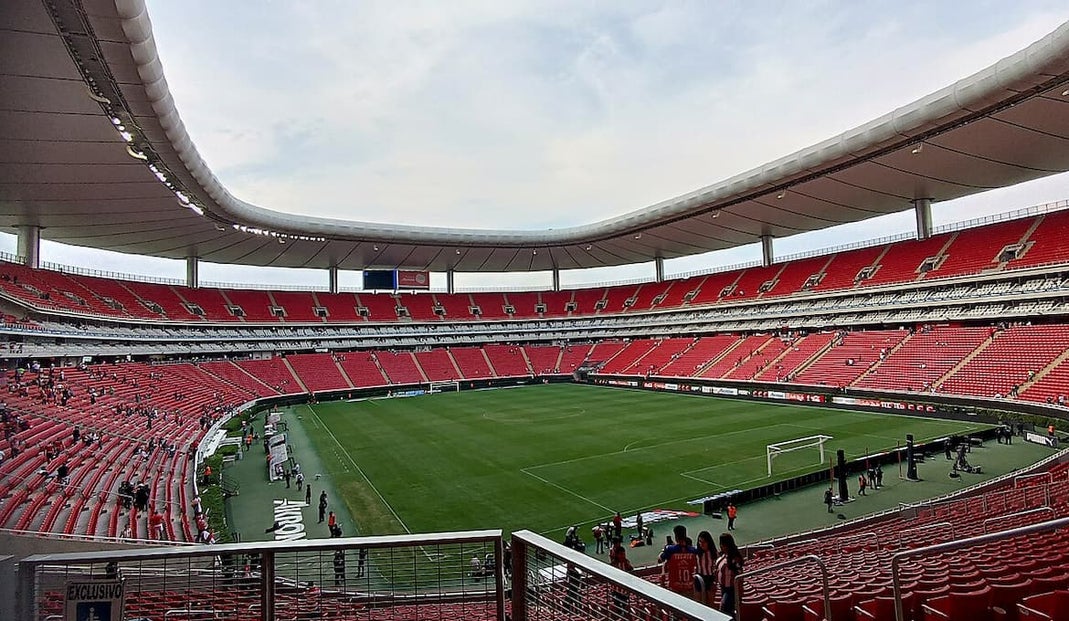
FIFA Considers Moving World Cup Matches Out of Guadalajara
FIFA is discussing the possibility of moving 2026 World Cup matches out of Guadalajara after a horrific attack on its international airport by a local cartel. The news is sparking growing fear among fans hoping to attend matches there.
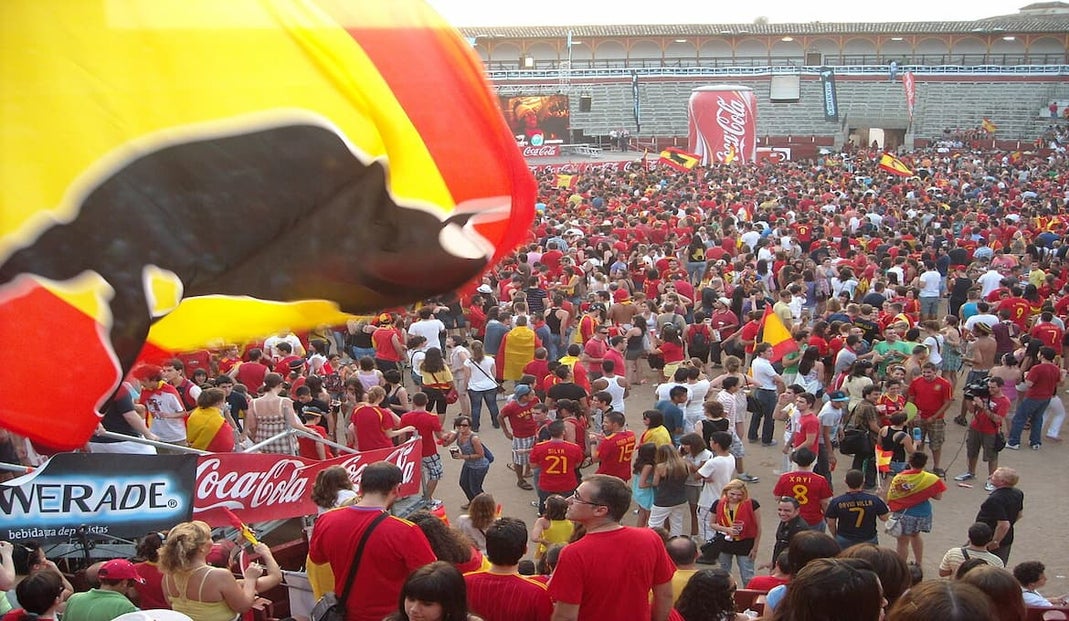
Spain’s 2026 World Cup Hopes Dimmed After Cucurella Injury
Spain’s World Cup hopes were dimmed after defender Marc Cucurella picked up a hamstring injury. While he hopes to return to the pitch next month, questions remain about the timeline and the form he’ll be in this summer.
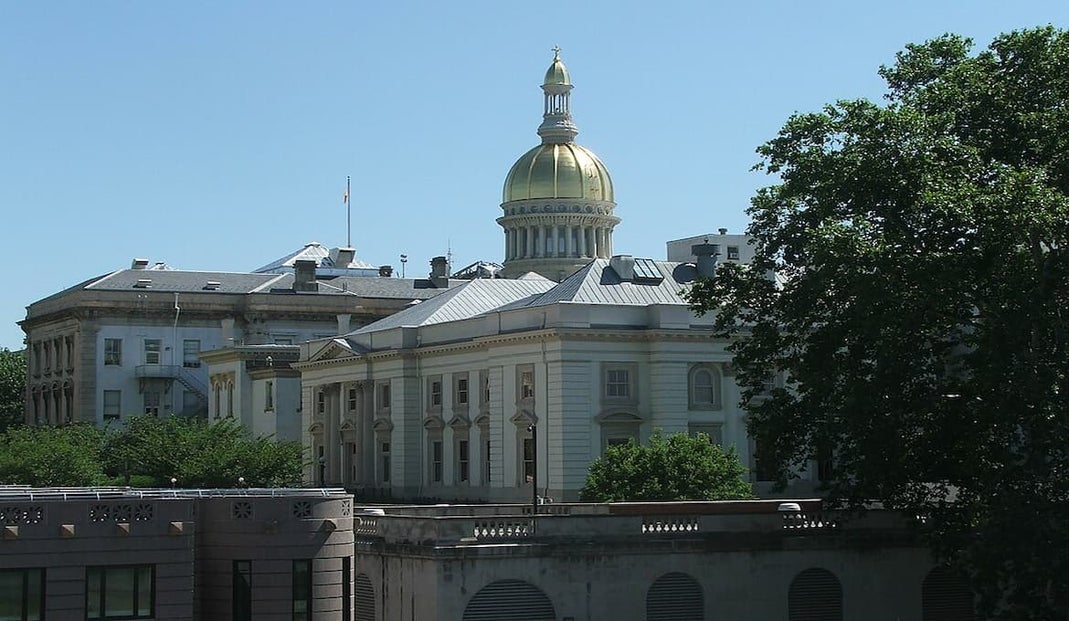
New Jersey Announces $5 Million Investment for World Cup
New Jersey is investing $5 million into its 2026 World Cup hosting duties, which includes the final match. The money will help create fan zones and festivals to help shine on the global stage, and upgrade its reputation.
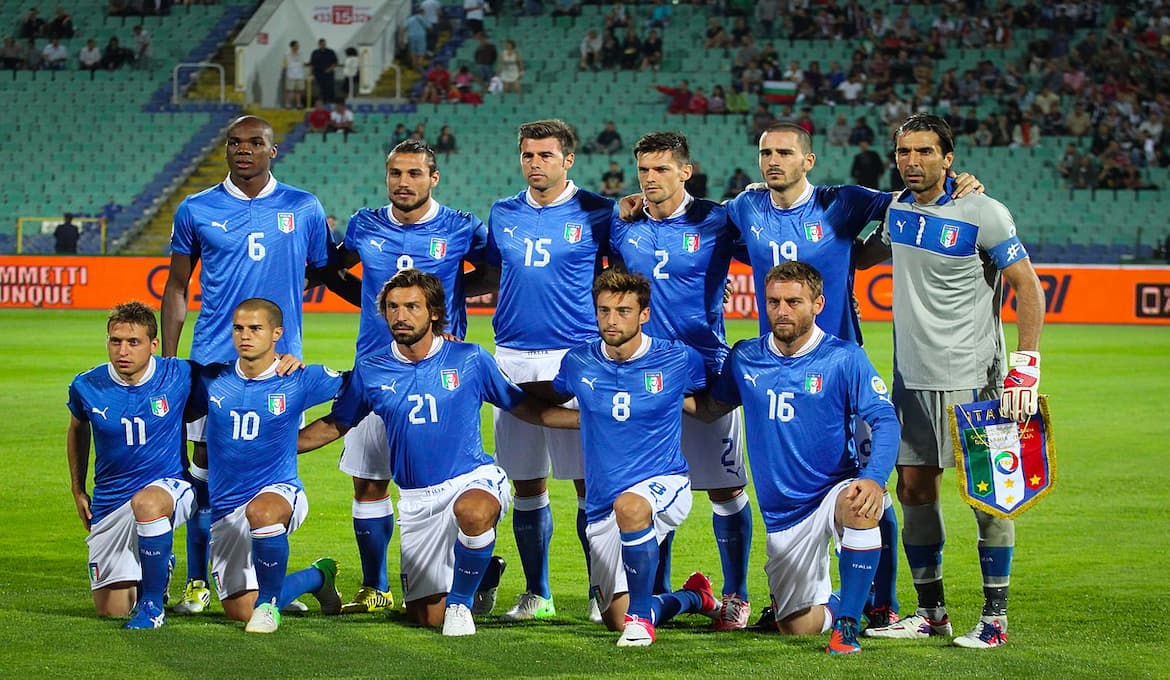
DAZN Set to Take Big Gamble on Italian World Cup TV Rights
DAZN is expected to be awarded the 2026 World Cup broadcasting rights in Italy by the end of the month. The deal could be a big win, but only if Italy’s national team wins its FIFA playoff matches to end its World Cup drought.

Chase Offers Sapphire Card Members 2026 World Cup Tickets
Chase ran a sale on 2026 FIFA World Cup tickets for its Sapphire members, selling out in three hours. While more will be available, it appears millions of fans will be left hoping for affordable tickets on the secondary market.
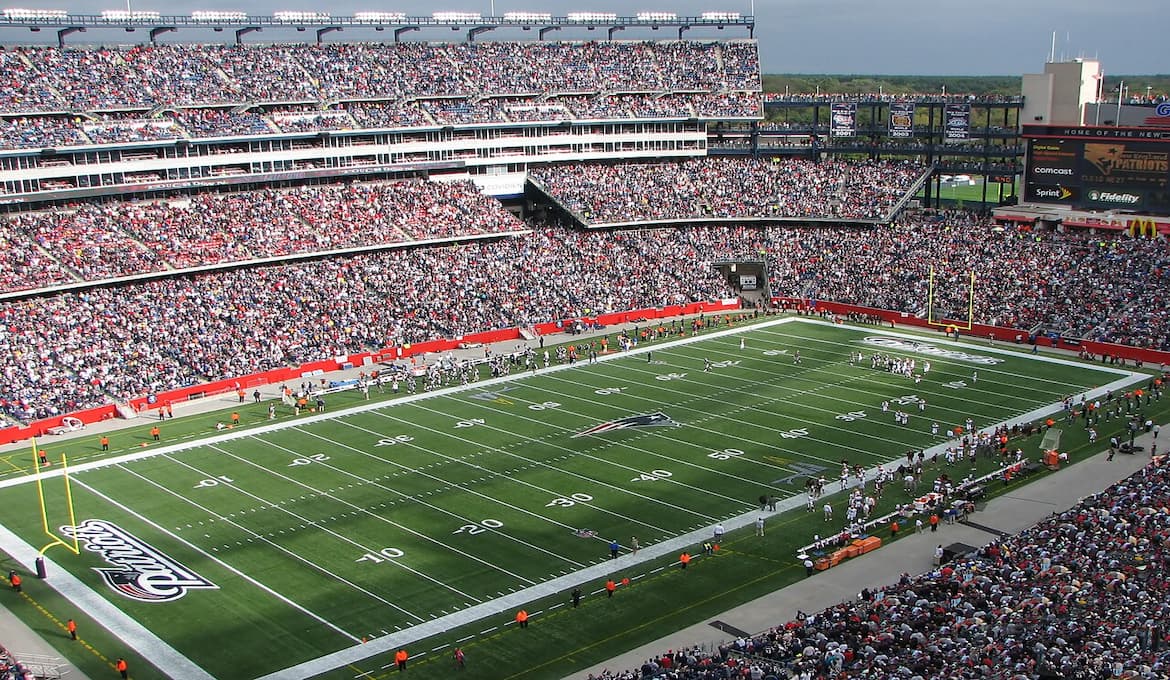
Foxborough Questions Security Funding Ahead of World Cup
The town of Foxborough has told FIFA it won’t host World Cup matches unless it secures security funding. While town officials have had several funding options available, they have given a deadline of Mid-March to confirm which will be used.

FIFA PASS Launched: Priority U.S. Visas for 2026 World Cup Fans
The US State Department has confirmed FIFA PASS will soon go live, creating far more visa appointments ahead of the 2026 World Cup. All standard appointments ahead of the tournament’s kickoff are full, leaving other fans to wait for FIFA PASS.
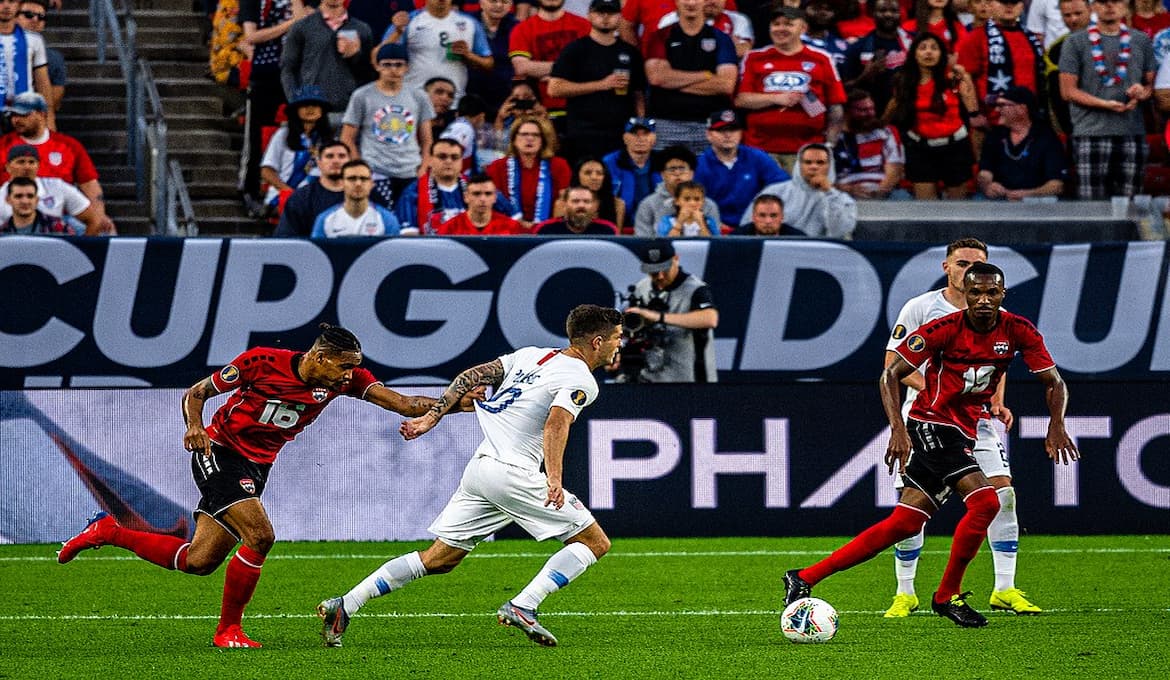
US Actions Raise Fears Over the Status of the 2026 World Cup
The US has begun to alienate itself from the international community, leading many to worry that the North American World Cup won’t happen this summer. A recent attack and threats of more could lead to boycotts, though FIFA is unlikely to take action.
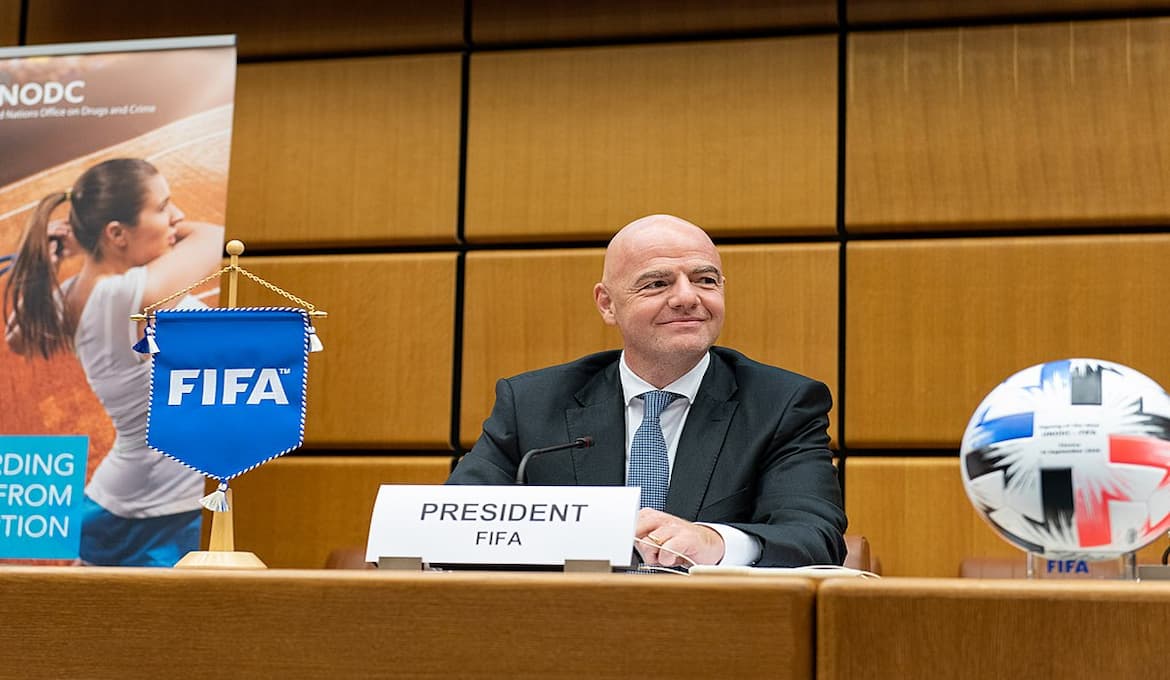
FIFA Considers Two Rule Changes Six Months Ahead of World Cup
FIFA is reported to be considering two significant rule changes with just six months until the 2026 World Cup. In contrast, they aim to improve the quality of play; some fear the lack of preparation and testing could have the opposite effect.

FIFA Slashes Ticket Prices After Blowback From Fans
FIFA has announced it will soon offer supporter entry-tier tickets for $60, following public blowback over the incredibly high prices to attend. While the details remain unknown, FIFA is expected to limit the number of lower-tier tickets available.
FIFA Draw Sets up Exciting Field for the 2026 World Cup
FIFA held the draw for the 2026 World Cup today, setting a field consisting of 12 groups of four teams each. Match information will be provided on December 6, but the final spots won’t be decided until the European playoffs are over.
European Playoff Pots Set After Latest FIFA Ranking
The latest FIFA Rankings allowed the European playoff field to be set, creating four paths to this summer’s World Cup. Italy enters as the biggest betting favorite to advance, returning to the World Cup for the first time since 2014.

Ronaldo May Face World Cup Ban After First Career Red Card
Cristiano Ronaldo was awarded the first red card of his international career against the Republic of Ireland. He will miss the team’s final qualifying match, but FIFA could add to that ban. If they do, Ronaldo would miss World Cup matches.
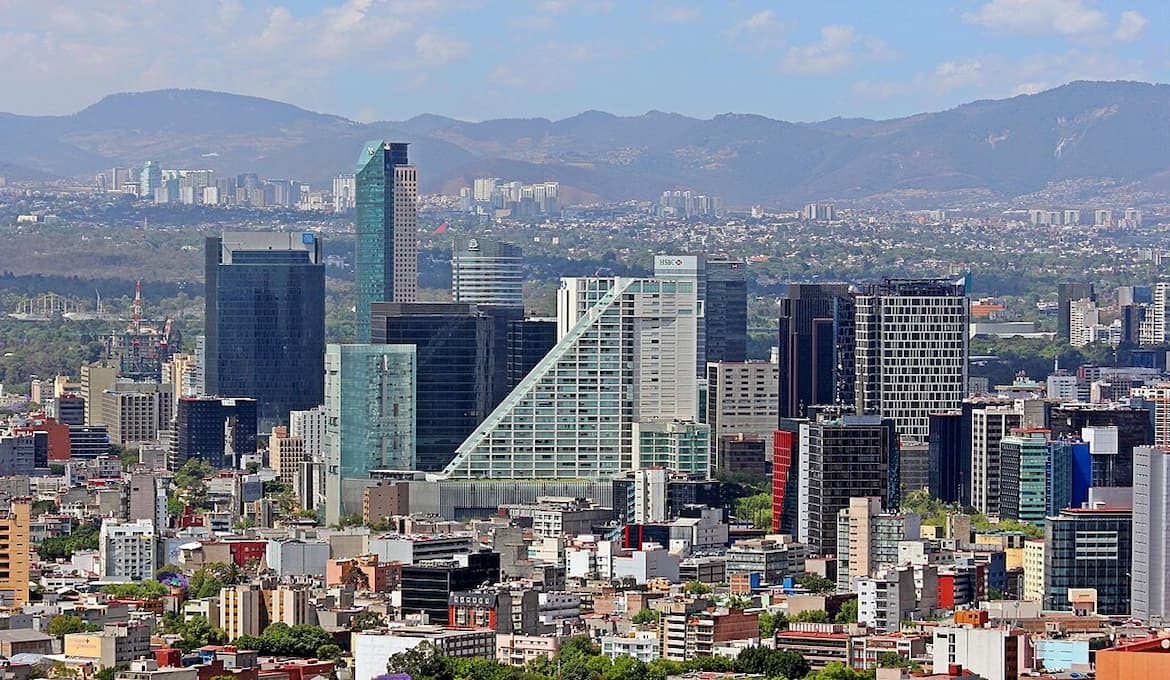
Mexico Announces it Will Waive Taxes for FIFA and its Partners
Mexican lawmakers approved the 2026 Federal Revenue Law, which exempts FIFA and its partners from taxes during the upcoming 2026 World Cup. The country is instead looking to increase tax revenue from online gambling by raising the tax rate for operators to 50%.
Italy Set to End Its World Cup Drought After Win Over Israel
Italy picked up a crucial 3-0 win over Israel in an October World Cup qualifier, setting them up to end their 12-year drought. The team needs one point —or a loss by Israel —to secure their spot in North America this summer.
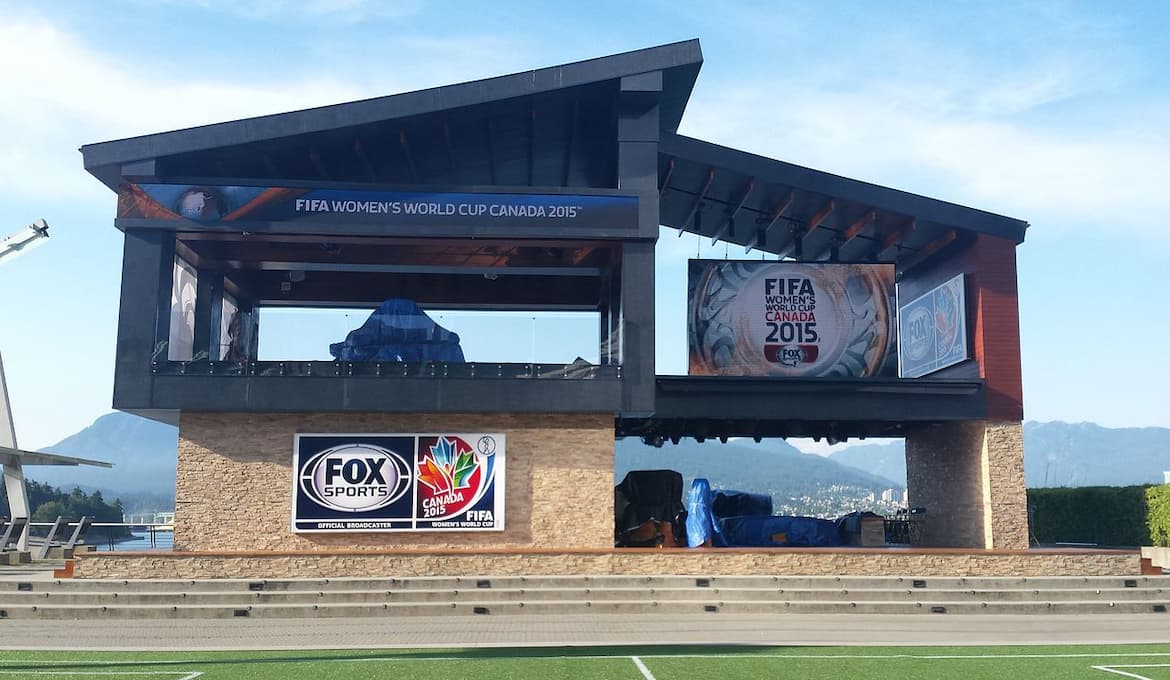
Fox Announces it Will air 69 World Cup Matches This Summer
Fox has announced that it will broadcast a total of 69 matches of the 2026 World Cup, making it the largest event in the network’s long history. An expanded field and the World Cup’s location led to the jump in broadcasts.
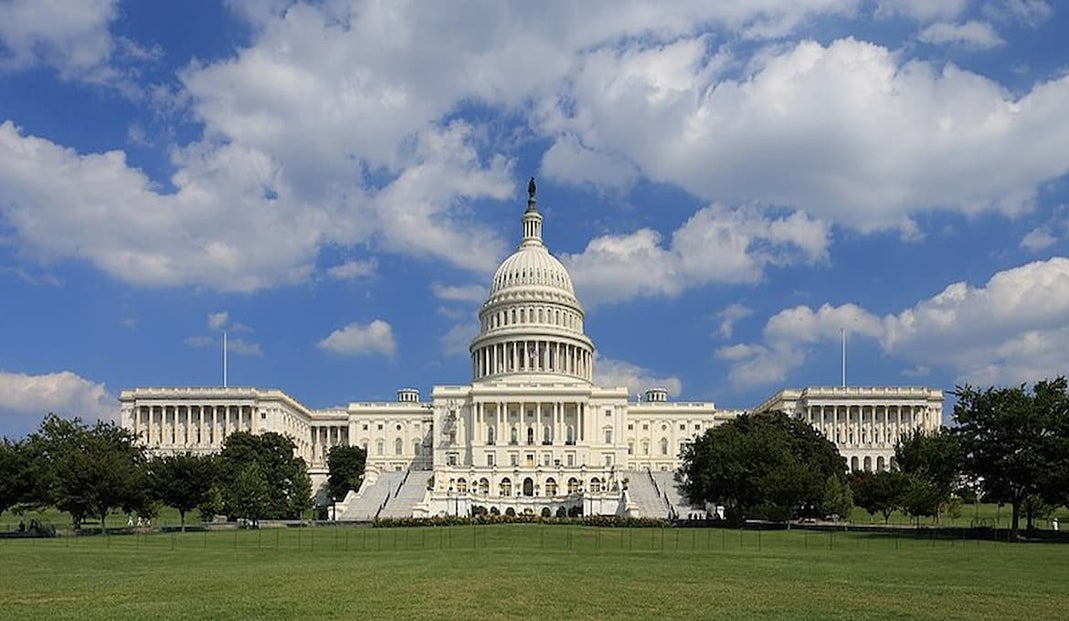
President Trump Calls for Changing US World Cup Host Cities
President Trump is considering relocating some World Cup matches away from cities he has deemed “too dangerous,” despite not having the authority to do so. Now, fans will have to wait for FIFA to respond before booking their tickets.
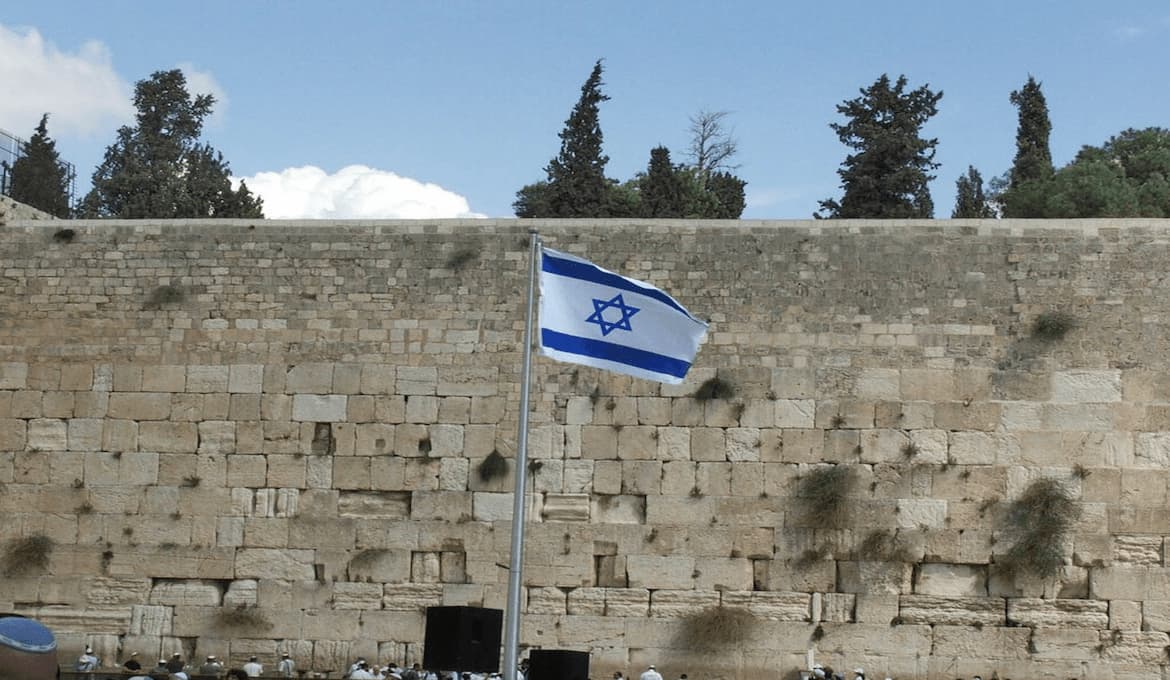
UEFA Announces Upcoming Vote Over Suspension of Israel
UEFA’s executive committee is expected to approve a ban on Israel’s national soccer team over the country’s actions in Gaza. If approved, the ban would be voted on by FIFA, which has the power to remove the country from the World Cup field.
Mexico Considers Gamble on Sports Betting Ahead of World Cup
Mexican lawmakers are considering a significant tax hike on sportsbooks ahead of the 2026 World Cup. The goal is to generate more tax revenue from the tourism spike this summer, but there is a risk that the market will shrink before then.
The Azzurri are in Danger of Missing their Third Consecutive World Cup
The Azzurri is currently tied with Israel for second place in its World Cup qualifying group. While the door to qualification remains open, the team will need to deliver wins to avoid missing its third consecutive World Cup.
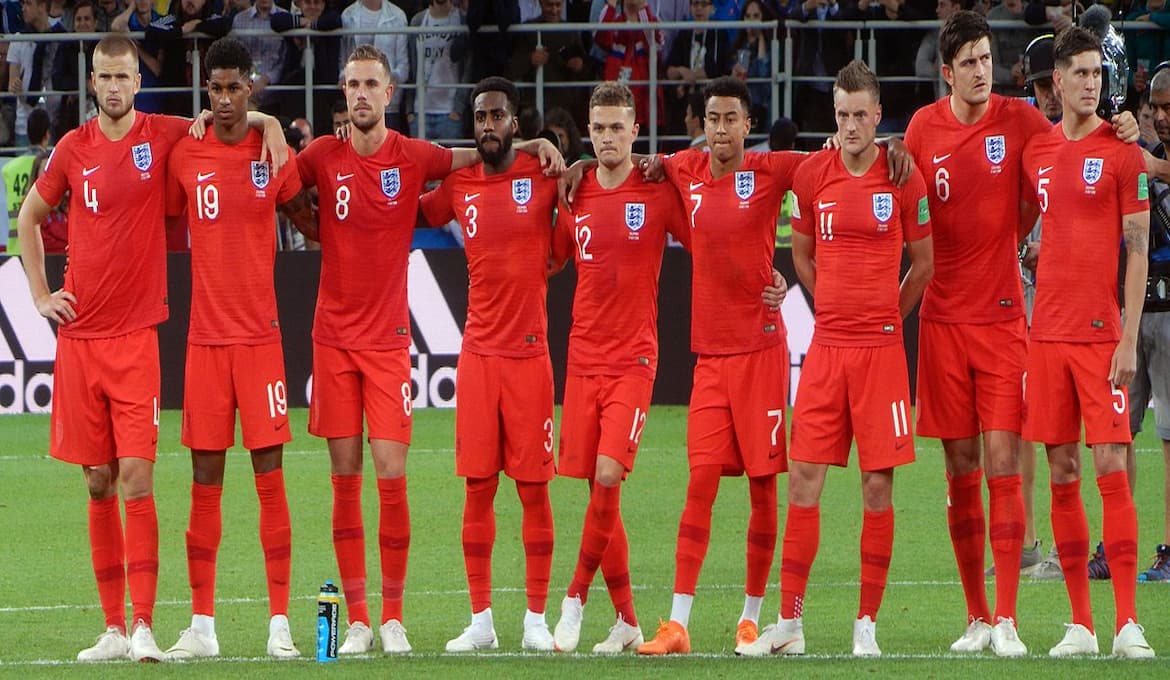
Three National Teams to Avoid When Betting on a 2026 World Cup
With the World Cup less than ten months away, we are sharing the three national teams we will be avoiding when betting on this year’s expanded tournament. We’ll share insights into each, giving you an edge before games kick off in June 2026.
Which US World Cup Host Cities Offer Legal Sports Betting
With a record number of fans expected to attend the 2026 World Cup, we’ve created a guide to help visitors know local sports betting rules before they arrive. We also touch base on sports betting laws in Canada and Mexico.

Will Prediction Markets Be Available for the 2026 World Cup?
Sports prediction markets have exploded in popularity in the US, but will they be able to survive mounting legal challenges ahead of the 2026 World Cup? We’ll provide the latest update on the legal battle, and share advice for visiting bettors.
FIFA Offering a Way to Earn Free 2026 World Cup Tickets
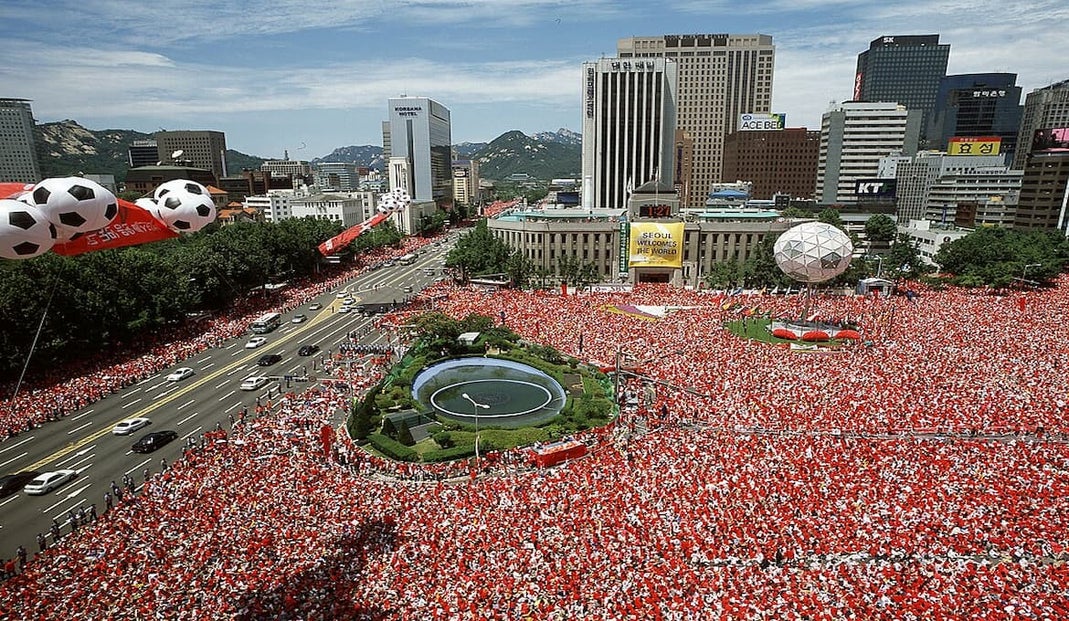
FIFA has announced it will be looking for volunteers to help cover the recently expanded tournament taking place in North America next summer. All applicants must be at least 18, legally allowed in the host countries, and fluent in English.
Will Brazilian Soccer Fans Be Banned From the 2026 World Cup?
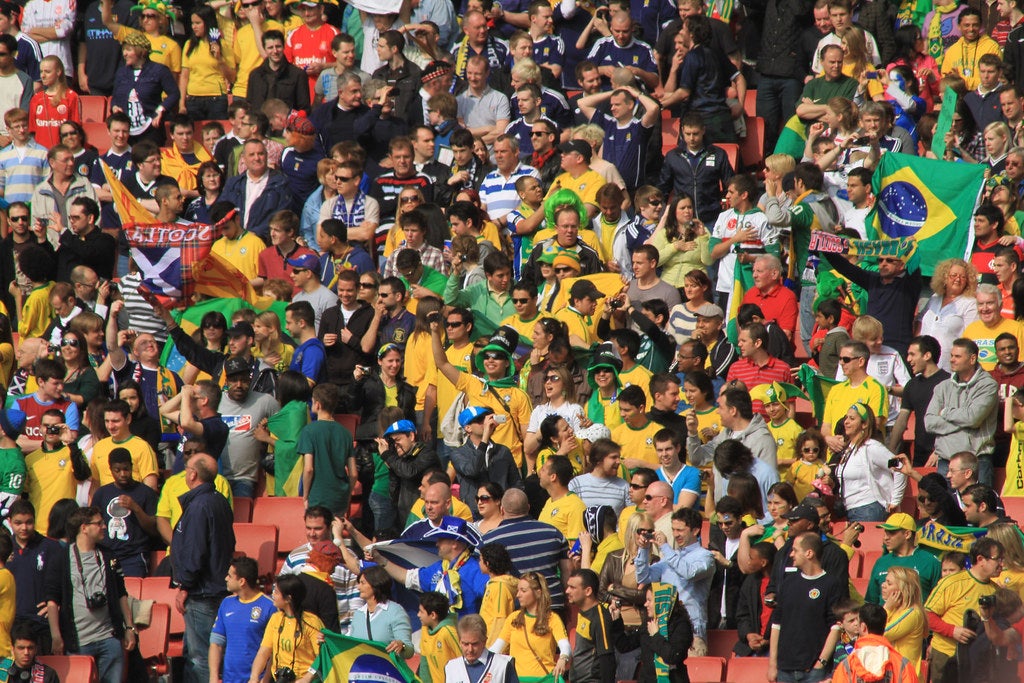
President Trump is considering placing a ban on Brazilian visas amid escalating tensions between the two countries. The ban would prevent the country’s residents from attending World Cup games in the US, which kicks off next summer.
FIFA Announces Ticket Application Period for 2026 World Cup
FIFA has announced that it will begin accepting 2026 World Cup ticket applications on September 10. Winners will be randomly drawn, with tickets being awarded in phases. The governing body has not confirmed if its new dynamic pricing model will be used.
Bellingham’s Spot on England’s World Cup Roster is in Doubt
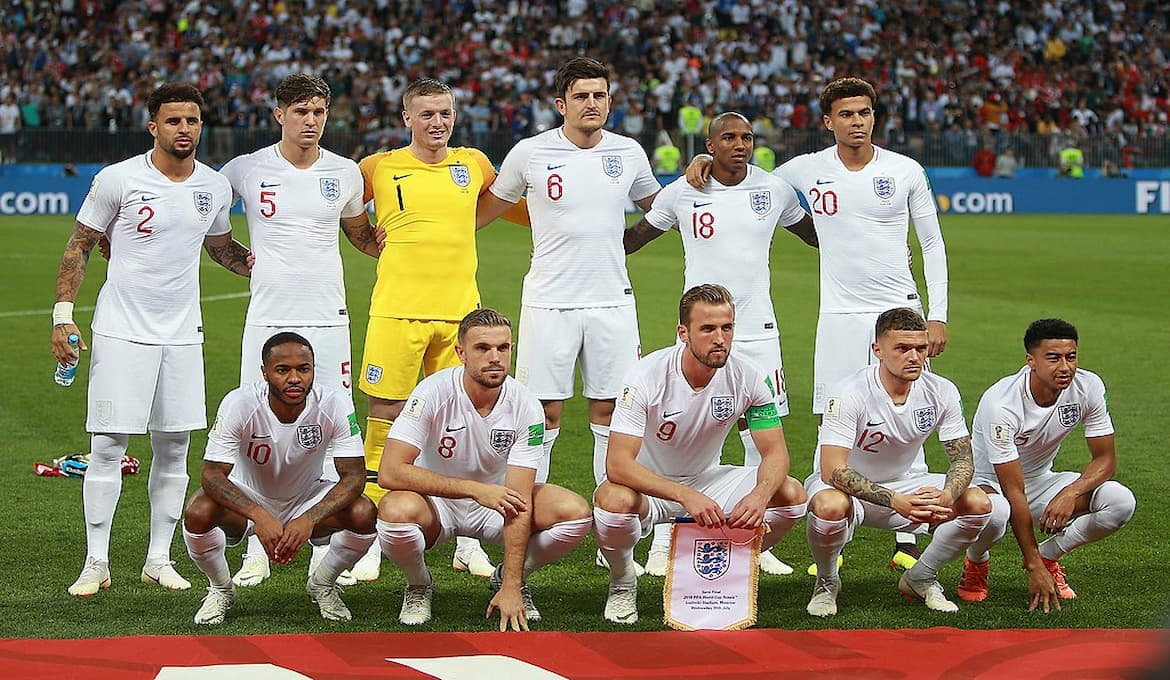
England Manager Thomas Tuchel has cast doubt on Jude Bellingham’s roster spot for the 2026 World Cup after missing time with a shoulder injury. The new boss acknowledged the young star’s talent, but is looking for roster consistency heading into June.