What the campaign set out to achieve
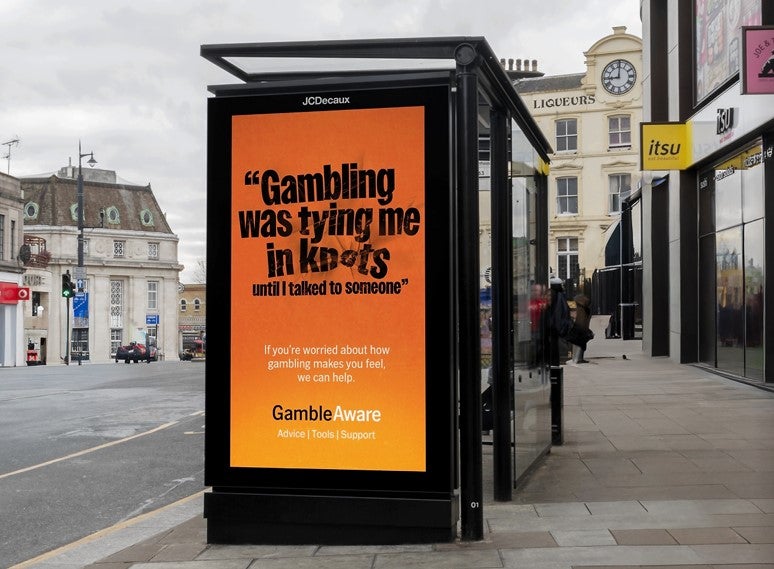
The campaign was designed to break down stigma. It was all about encouraging open conversations about gambling harms and helping people recognise when they – or someone close to them – might need support.
In bringing lived experience stories into public-facing messaging, GambleAware aimed to reduce barriers to help-seeking behaviour. It was all about normalising discussions around gambling impact.
We see this as an important shift. The campaign leaned into authentic narratives instead of just being informational. This built empathy and understanding among audiences who might otherwise disengage from traditional harm-reduction content.
Strong reach and behaviour change among key audiences
According to the report’s findings, the campaign had high visibility among its behaviour change audience (people aged 18–44 scoring 3+ on a standard problem severity index). At least 7 in 10 of this group reported seeing the campaign across its various bursts, and more than 9 in 10 of those who recognised the messaging reported taking some form of action — from accessing tools and support to reconsidering gambling behaviour.
These figures suggest that when stigma-focused messages reach the right people, they can resonate deeply and prompt real-world actions — something we’ve seen echoed in independent evaluations of previous campaign bursts.
Persistent stigma and future challenges
Positive outcomes aside, the report shows that changing societal attitudes is difficult. Targeted audiences showed good engagement and self-reported behaviour change. Yet, progress on reducing stigma across the general population was more limited. We understand from this that stigma around gambling harm runs deep. It means this may require sustained, long-term effort across media, policy and community channels.
The report recommends that future campaigns should continue to co-create messaging with people with lived experience, whether their addiction was slots, betting or something else. Personal narratives build trust and help make the idea of seeking support feel more accessible and less fraught with embarrassment or shame.
“Harm reduction campaigns should co-create campaigns with people who have lived experience… Personal stories make the message real, build trust and connection with messages, and reduce stigma by showing that anyone can be affected.” - GambleAware 'Let's Open Up About Gambling' campaign
What this means going forward
The findings show that stigma-focused public health marketing can reach and influence key audiences. However, broader shifts in attitude will take more time and coordinated effort. The report reinforces, at least for operators and harm-prevention stakeholders, the importance of authentic, empathetic messaging — and the need for long-term investment in campaigns that go beyond standard safer-gambling advice.