

Photo by Japanexperterna.se, CC BY-SA 2.0

Related News
Louisiana Prop Bet Debate Exposes a Complex Problem
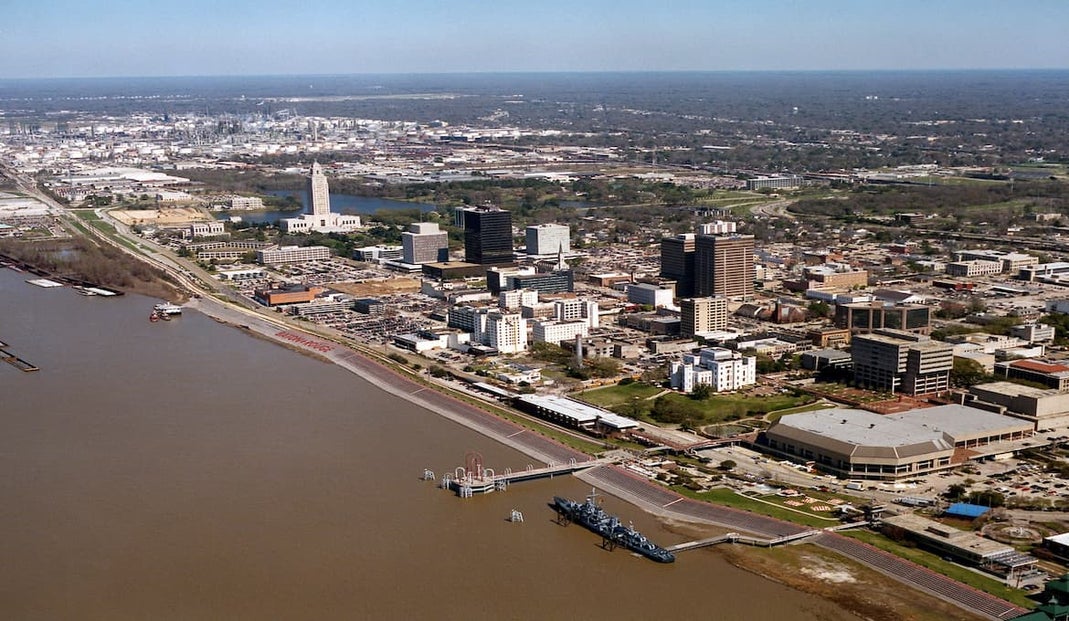
A recent decision in Louisiana shows how US lawmakers are viewing the balance between protecting residents and the tax revenue generated by sports betting. While many fear the impact of prop betting, they worry more about the tax revenue it generates.
New Zealand Nurse Fraud Case Linked to Gambling Losses
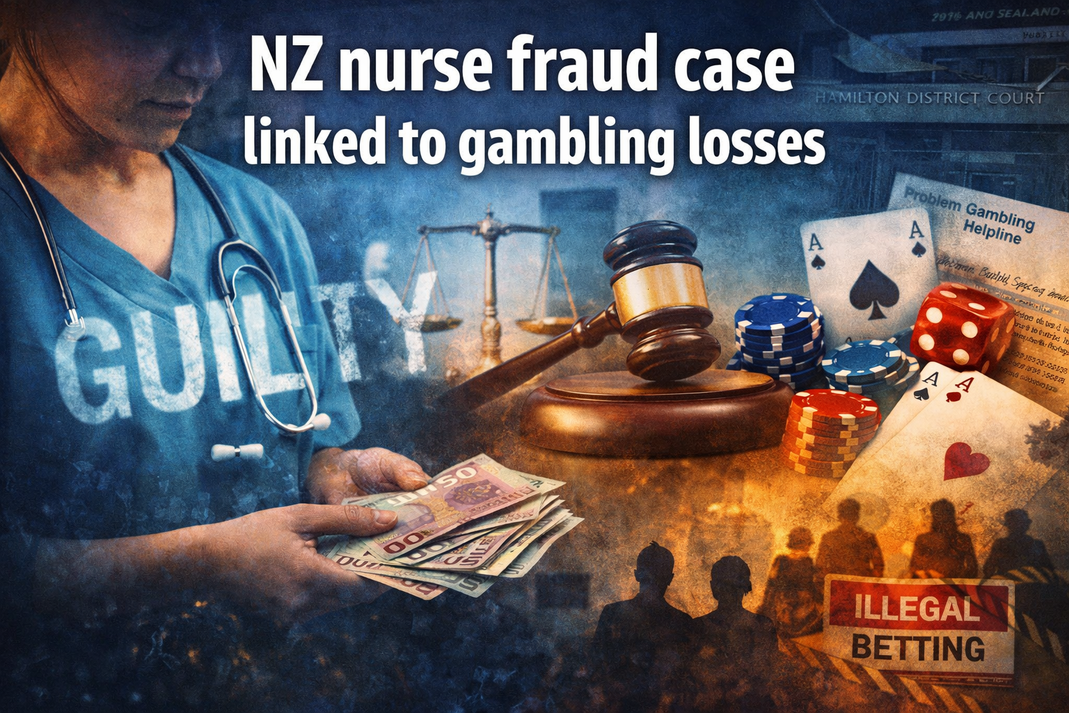
A Waikato nurse who defrauded colleagues out of more than NZ$100,000 has pleaded guilty, with part of the money reportedly lost through gambling.
New Jersey Bill to Ban Micro-Betting Heads to Senate Floor
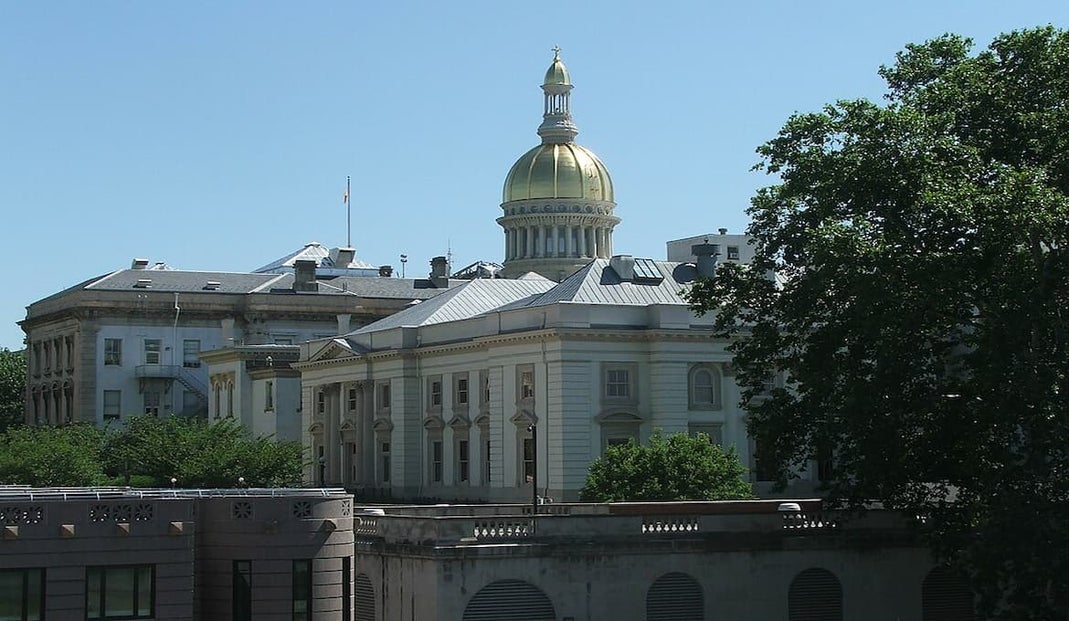
A New Jersey Senate committee has approved a bill that would ban micro-betting in the state, setting up a full vote. The bill has received much support, though opponents fear it may make it harder for Atlantic City to compete.
NSW Pokies Reform Faces Pushback as Cashless Gambling Plans Advance
New South Wales is moving ahead with cashless gambling reforms for pokies, but clubs and pubs are raising concerns about costs, privacy, and implementation challenges.

Premier League clubs continue gambling sponsorship deals despite UK scrutiny
Premier League clubs are continuing to sign lucrative gambling sponsorship deals, including partnerships with unlicensed operators, as UK government plans for tighter regulation remain unclear.
Is America’s Problem Gambling Crisis About to Explode
The emergence of sports prediction markets is prompting some states to legalize mobile sports betting. While many lawmakers remain worried about problem gambling, they also realize residents in all 50 states are already betting on sports using these markets.

Massachusetts Bill Aims to Crack Down on Problem Gambling
A new bill in Massachusetts proposes new regulations to curb problem betting. It proposes new regulations that limit bet types, wager amounts, and raise the operator tax rate 155%. It has passed its first committee, but still faces long odds.

CASPR Shares Gambling Safety Report Cards For All 50 States
CASPR has released report cards for gambling safety in all 50 states, grading each on a scale of 1-100. The research center graded each market on the types of betting available and the responsible gaming protocols in place.
Failed NCAA Gambling Investigation is Cause for Concern
A recent NCAA gambling investigation resulted in a symbolic punishment for two former players who refused to cooperate. While federal charges could be coming, the failure shows the limitations the NCAA has when investigating betting violations involving former athletes
NSFAS and NGB Launch Student Gambling Awareness Drive
South African student funding and gambling regulators are stepping in after concerns that education allowances are being misused on gambling.

BGC AGM 2026 Tim Miller outlines crypto review and fee increase plans
Tim Miller told BGC members the Commission is preparing for fee increases, expanding its illegal market crackdown and exploring a regulated pathway for crypto payments.
GambleAware sets out plan to change gambling behaviour at scale
A new GambleAware report argues gambling harms can only be reduced through coordinated communications, marketing reform and cultural change across Great Britain.
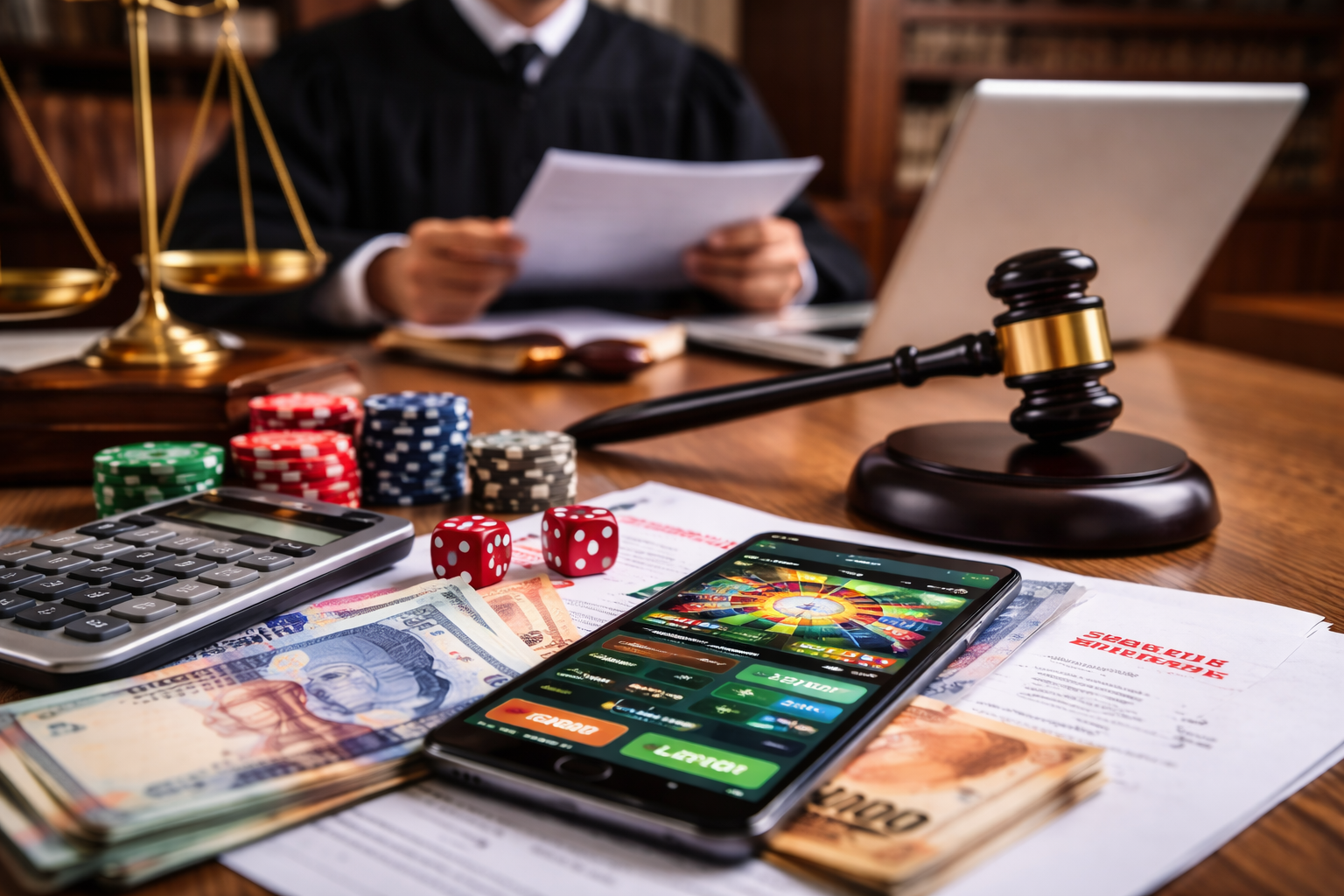
South African Gambler Faces Provisional Sequestration after R2.6m Betting Spree
A six-day online gambling binge and a bank system error ended in court, with Investec pursuing a provisional sequestration order.

International Responsible Gaming Day 2026 focus
International Responsible Gaming Day on 17 February spotlights safer gambling measures, support services and industry responsibility.
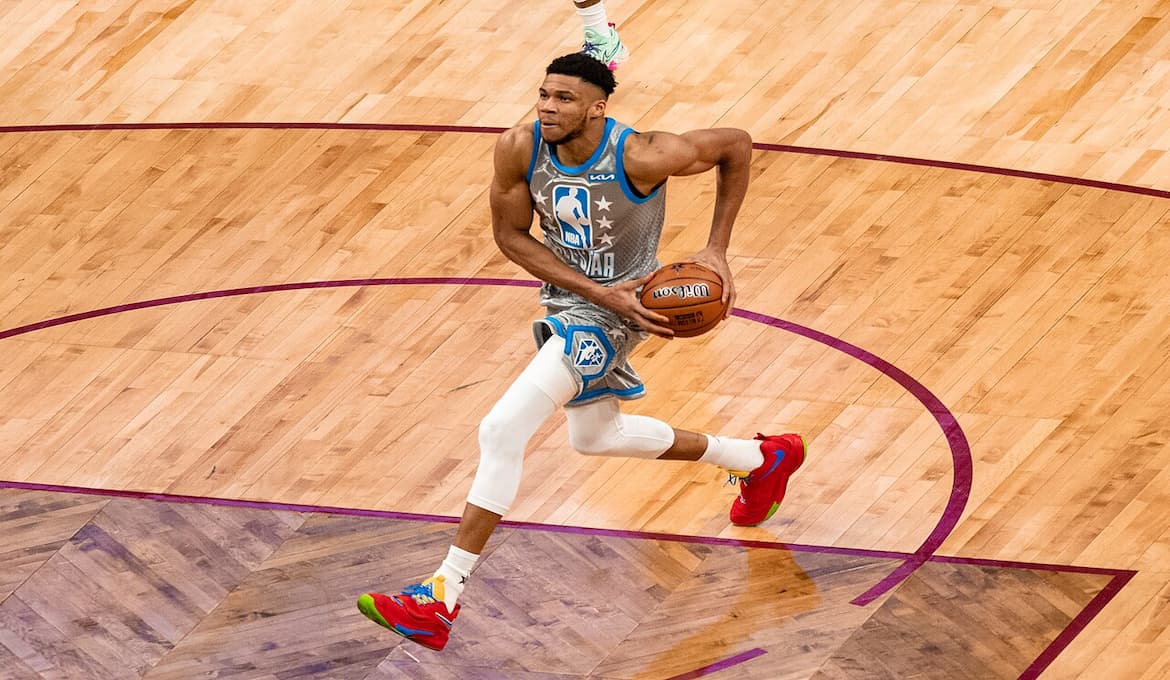
Giannis Investment in Kalshi Raises Integrity Questions
The Mississippi House has passed HB 1581, which would expand the state’s retail sports betting market to include mobile wagering. It is the second consecutive term a bill has passed the House, but hurdles remain in the Senate.
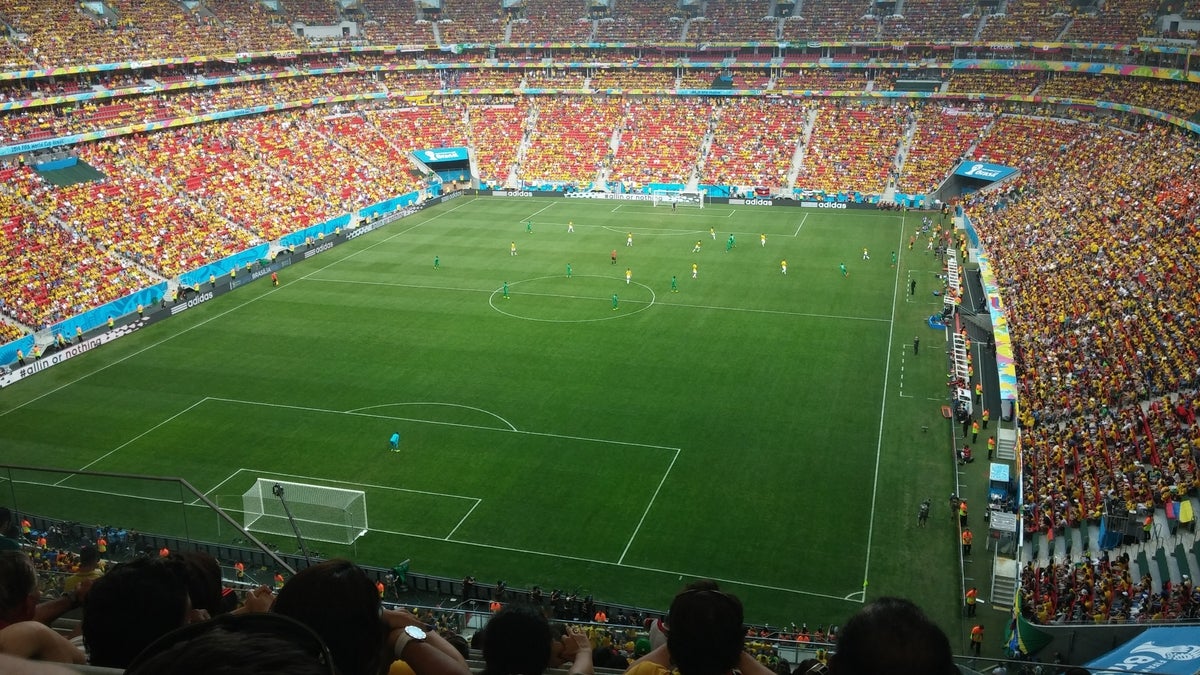
Live gambling ads linked to higher betting during World Cup
Television gambling adverts aired during live World Cup matches increased betting frequency and likelihood, with researchers warning current UK ad rules may be insufficient.
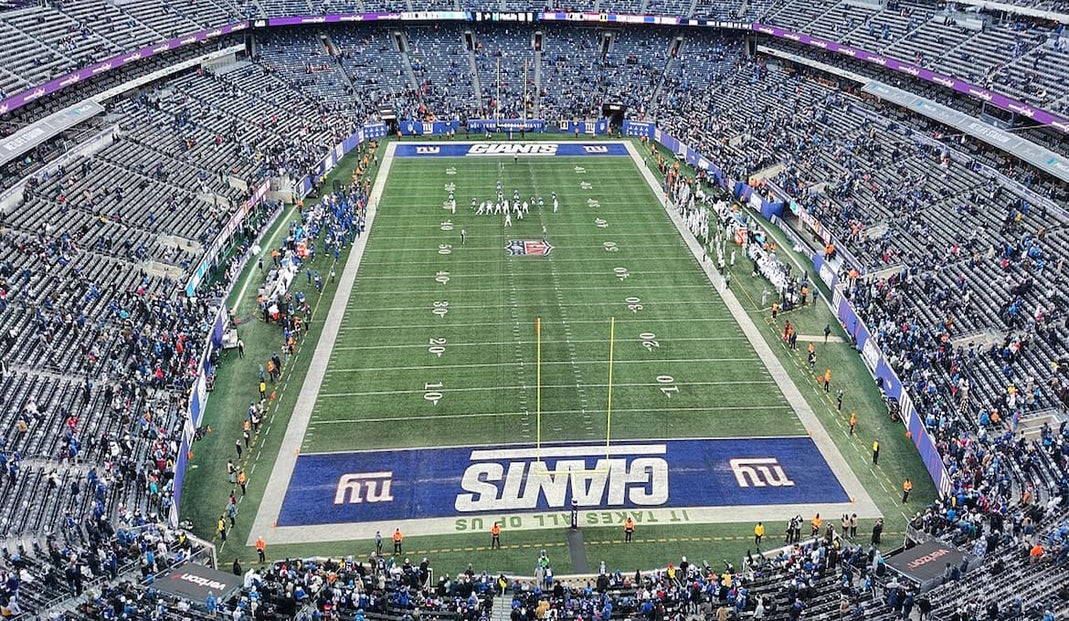
New York Warns Bettors Against Predictions Ahead of Super Bowl
The New York Attorney General issued a consumer warning over prediction markets ahead of Super Bowl LX. She reminded the public that the industry lacks solid regulation and is exploiting a loophole to offer sports betting.

BetMGM Updates Its Terms to Address Athlete Harassment
BetMGM updated its terms and conditions to include a section on athlete harassment. It states that it will suspend or permanently ban bettors who harass athletes over lost wagers. The change comes ahead of the Winter Olympics and NCAA Tournament.

NCPG Announces New Toll-Free Problem Gambling Hotline
The NCPG has announced the launch of its new 1-800-MY-RESET nationwide problem gambling hotline. The new resources will replace the non-profit’s former 1-800-GAMBLER number, which another problem gambling group in New Jersey now operates.
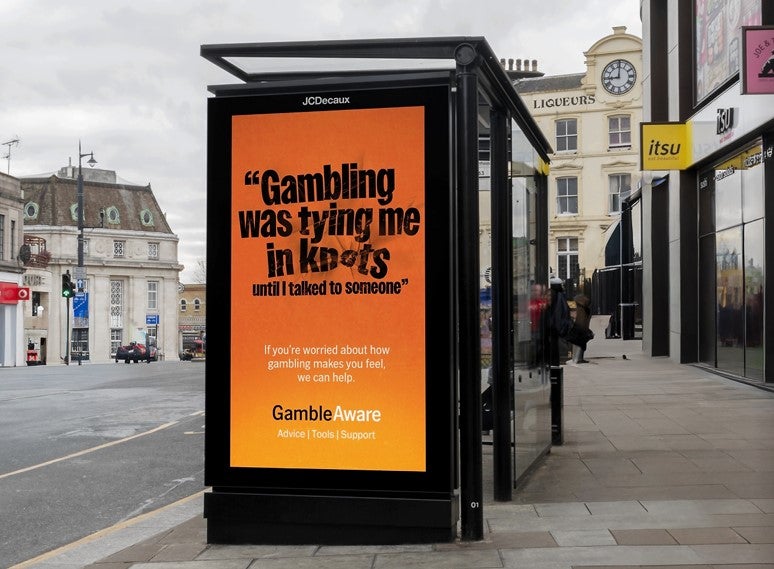
GambleAware report highlights key learnings from stigma reduction campaign
A new GambleAware synthesis report shows how the ‘Let’s Open Up About Gambling’ campaign helped drive engagement, change behaviour and highlight persistent stigma, offering recommendations for future harm-reduction efforts.
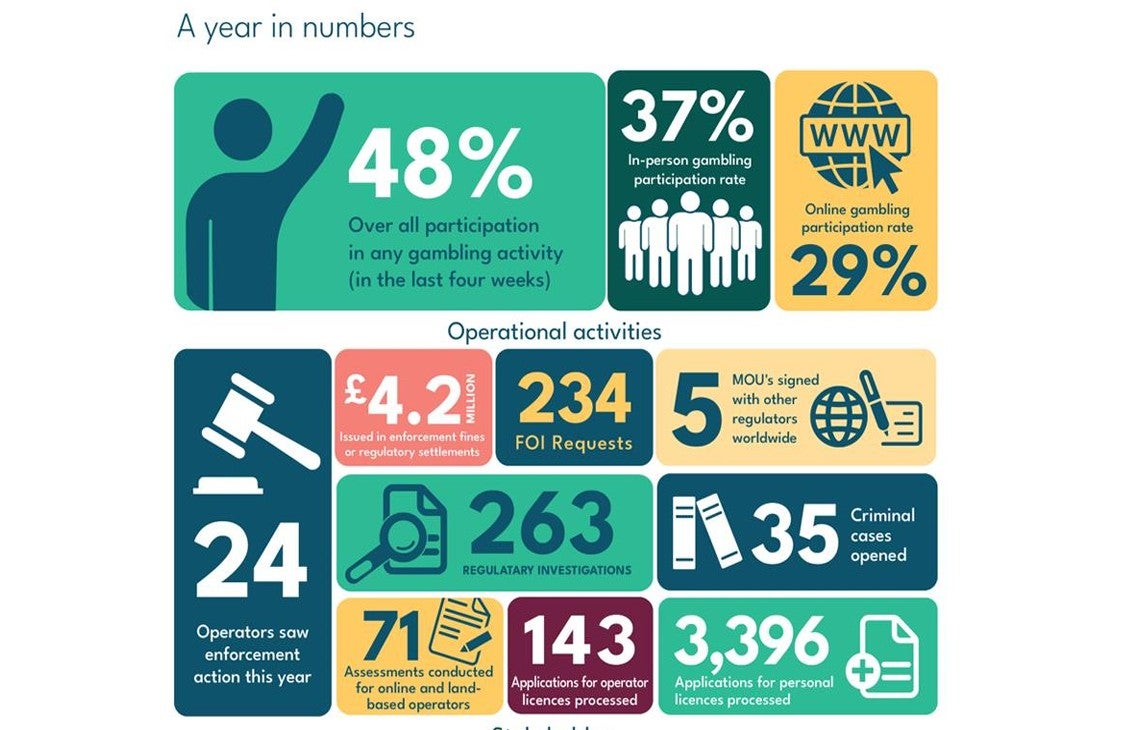
Gambling Commission sets out enforcement and priorities in annual report
The Gambling Commission’s 2024–25 annual report details a year of enforcement activity, regulatory reform and operational change as the regulator prepares for the next phase of gambling oversight.

Fears Grow Over Impact of Prediction Markets on Young Bettors
There are growing fears about what is driving the rise of sports prediction markets, which may be due to the lower minimum age requirement. The industry has set the age at 18, while more sportsbooks have theirs at 21.

Is There a Problem Gambling Crisis Brewing in Illinois
The battle unfolding in Illinois between sportsbooks and lawmakers is driving up fees for bettors. It led many casual bettors to stop wagers, but those who stayed are spending more. That’s led to questions around how those struggling with addiction have reacted.
Public Opinion on Sports Betting Shifts, According to New Poll
A new poll found that public opinion has begun to shift against the sports betting industry, with people concerned over gambling addiction and betting scandals. The poll found that more people favor expanding sports betting in the US.

Wyoming Joins National Voluntary Self-Exclusion Program
Wyoming has joined idPair’s National Voluntary Self-Exclusion Program. Residents who sign up will be unable to use online sportsbooks, ending (most of) the targeted advertising they receive. This can help those struggling with addiction, though prediction markets are changing that.
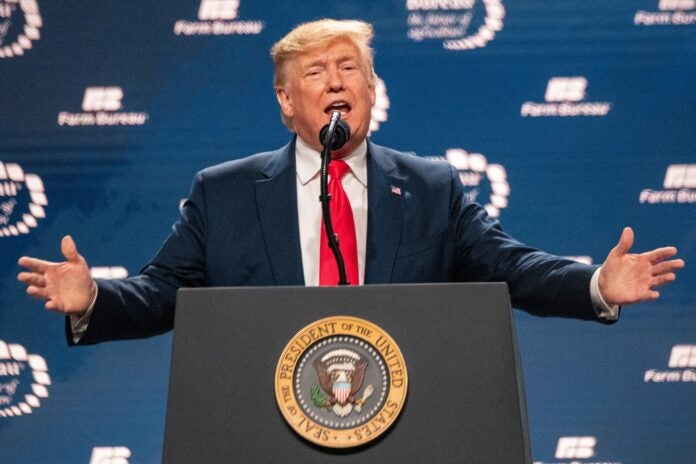
The Dangers of Truth Social’s Impending Prediction Market Launch
Trump Media has announced it will launch a prediction market platform on Truth Social through a deal with Crypto.com. Those markets will include sports and present some very real dangers for Americans across the US.
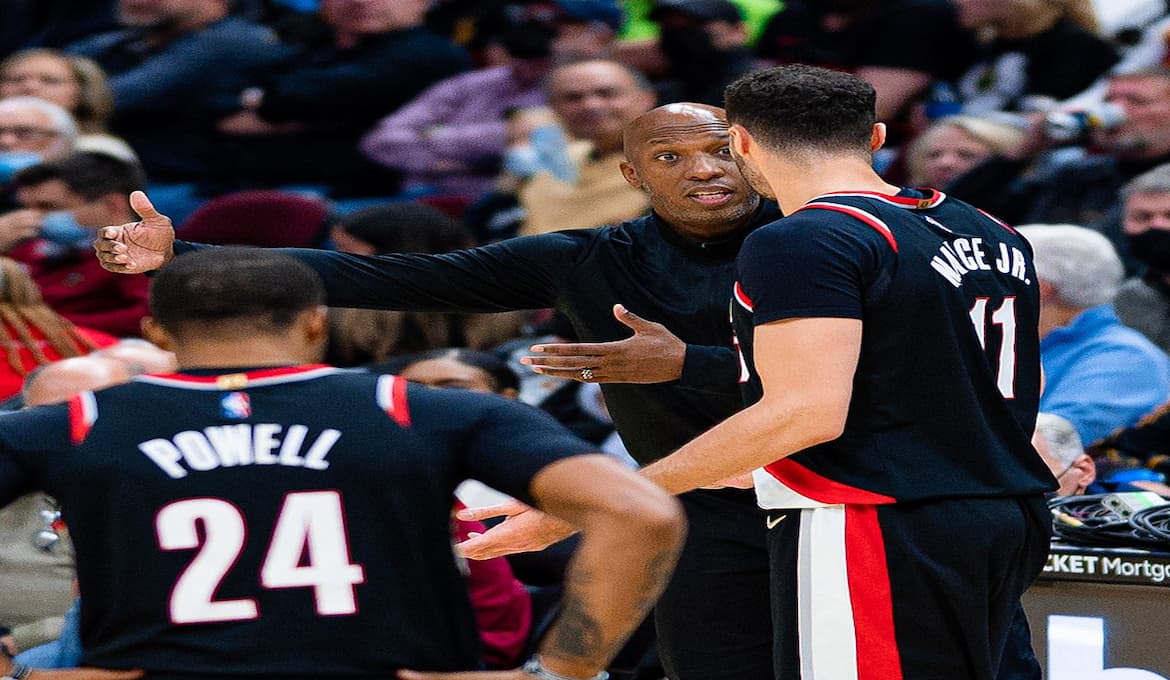
NBA World Rocked By Arrests Tied to Illegal Gambling Ring
The NBA world was rocked today when the FBI arrested Chauncey Billups and Terry Rozier as part of an investigation into a larger gambling ring. The investigation took over four years and included four different mafia crime families.

Maryland Study Shows Alarming Spike in Problem Gambling
A study into problem gambling in Maryland showed a large spike since 2022, with two of five residents showing signs of problem gambling or at-risk behavior. The Hispanic and black populations saw the highest rates of problem gambling.
What to Know About the Future of the 1-800-GAMBLER Hotline
We’re diving into the legal fight over the 1-800-GAMBLER hotline after a court ordered control of it to be returned to the Council on Compulsive Gambling of New Jersey. We’ll share how the battle affects the hotline and provide alternative resources.

Some Experts Fear Missouri is Not Ready for Problem Gambling
Missouri is well prepared for the launch of its sports betting market, but experts worry it isn’t ready for the corresponding spike in problem gambling. They are alarmed by a lack of resources, but hope the industry will help drive that change.
PPI Study Shows Problem Gambling Fallout Less Than Expected
A new PPI study into the new socioeconomic impact of sports betting showed that the negative financial impact of the industry is far lower than expected. The results contradict those from other studies and leave responsible gaming groups with a crucial choice.
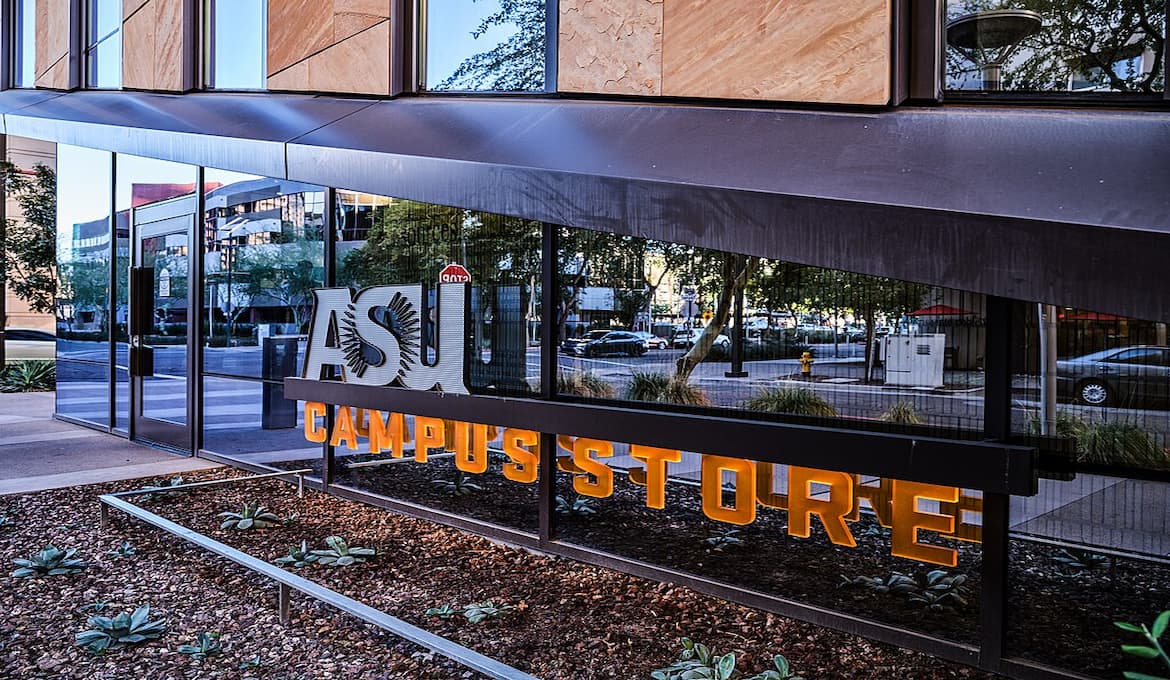
Arizona State Men’s Basketball: A Tale of Two Betting Scandals
A former member of the ASU’s men’s basketball team is involved in an NCAA gambling investigation. The program was involved in an infamous point-shaving scandal almost 30 years ago, providing a case study to examine how gambling enforcement has evolved since then.
Dangers of Sports Prediction Markets Go Far Beyond Problem Gambling
The US sports prediction market industry will be far larger heading into the football season. With expanded bet types and more operators, many expect the new sector to see a ton of action. However, these controversial markets will also bring several dangers.