


Photo by w_lemay, CC BY-SA 2.0, via Wikimedia Commons

Related News

Colorado Study Links Gambling Ads to Increased Activity
A study from the University of Colorado found a strong link between gambling ads and activity, as well as problem gambling. It found that states where operators spent the most money on ads saw larger spikes in wagers and problem gambling.

Ohio Looks to Restrict Promo Offers for Bettors Using RG Tools
Ohio’s sports betting regulator has proposed a new rule to limit promos for bettors who use responsible gambling tools. It would ban sportsbooks from direct marketing to bettors who have signed up or updated their tools for at least 48 hours.

Northern Territory Bill Targets Betting Bonuses and Young Adult Deposits
A bill introduced by Justine Davis would cap deposits for bettors aged 18–24, ban betting inducements and impose stronger harm-prevention duties on NT-licensed operators.

NBA, WNBA, NCPG Launch New Responsible Gambling Campaign
The NBA and WNBA have partnered with the NCPG to launch a responsible gambling campaign. It will address sportsbooks and prediction markets, and focus on young bettors. It aims to raise awareness of problem gambling and promote healthy betting habits.
ACT Gambling Reforms to Ban Cash Withdrawals at Pokie Venues
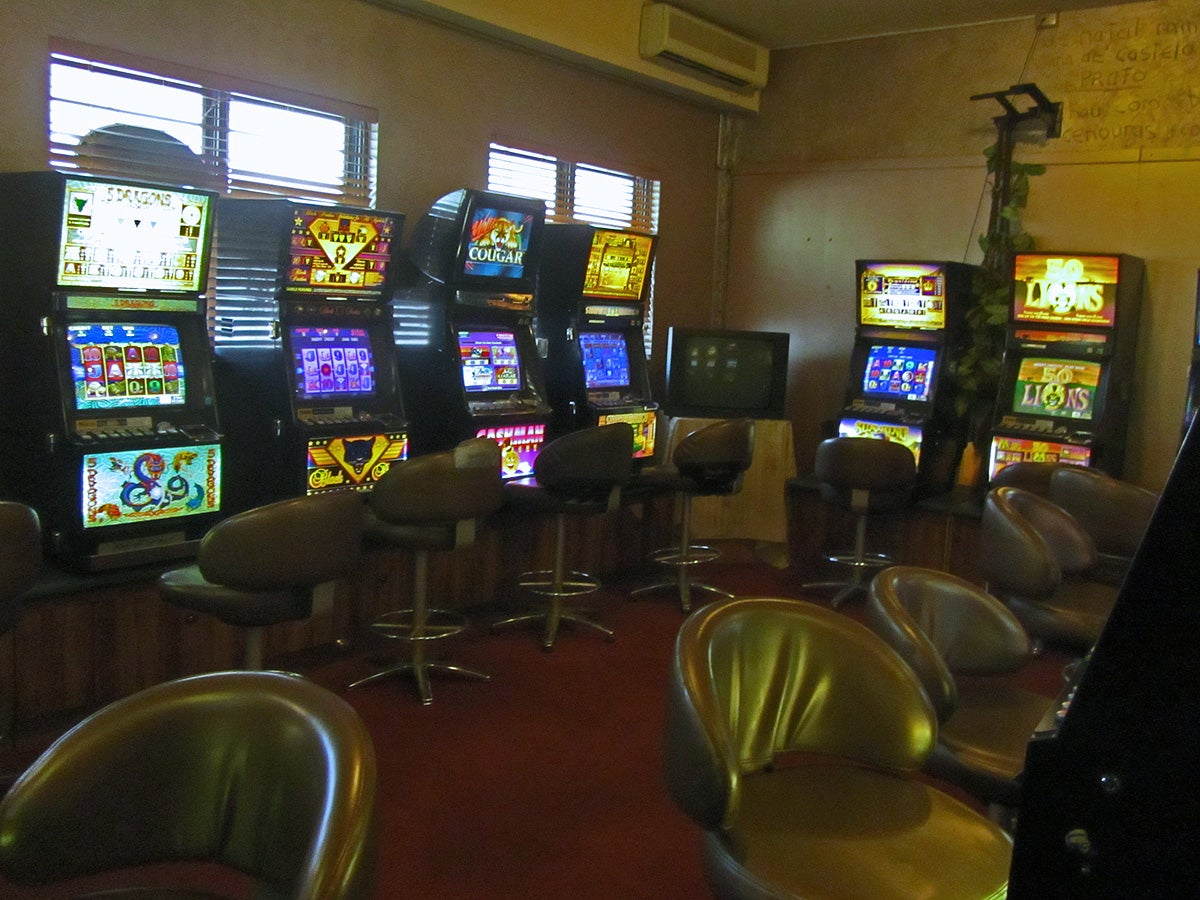
The ACT plans to restrict cash withdrawals at pokie venues and introduce mandatory cashless gaming, alongside longer shutdown periods and fewer gaming machines.

Study: Online Sports Betting Linked to Uptick in ER Visits
A study of Ontario’s sports betting market showed a link between online sports betting and a spike in ER visits. It found that the number of bettors visiting ERs for sports betting addiction has almost doubled since Ontario’s market launched.
Congress Wants More Information From FanDuel on VIP Videos
Congress has sent a letter to FanDuel Sportsbook asking for information on VIP videos. The request comes as some lawmakers accuse the operator of using these videos to target vulnerable bettors and keep them placing wagers.
Pennsylvania Player Loses $25K on Kalshi Despite Gambling Self-Exclusion
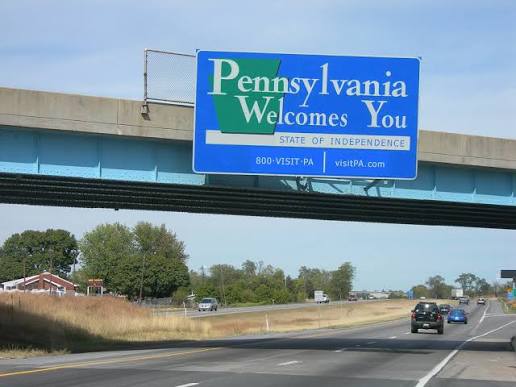
A self-excluded Pennsylvania player lost more than $25,000 after gaining access to prediction market platform Kalshi.

Loyola Chicago Sports Betting Class Back For Second Semester
Loyola University Chicago has brought back its sports betting class this fall to educate students and prepare them for a potential career in the industry. It will be the second semester it is available, thanks to its popularity in the spring.

Polymarket Launches New Responsible Gambling Tools For Users
Polymarket has announced new responsible gambling tools for users, which include a self-exclusion list and deposit limits. It also partnered with Birches Health to help struggling users have easy access to confidential help from therapists trained to address compulsive gambling.
Bettors Are Being Forgotten In Battle Over Sports Contracts
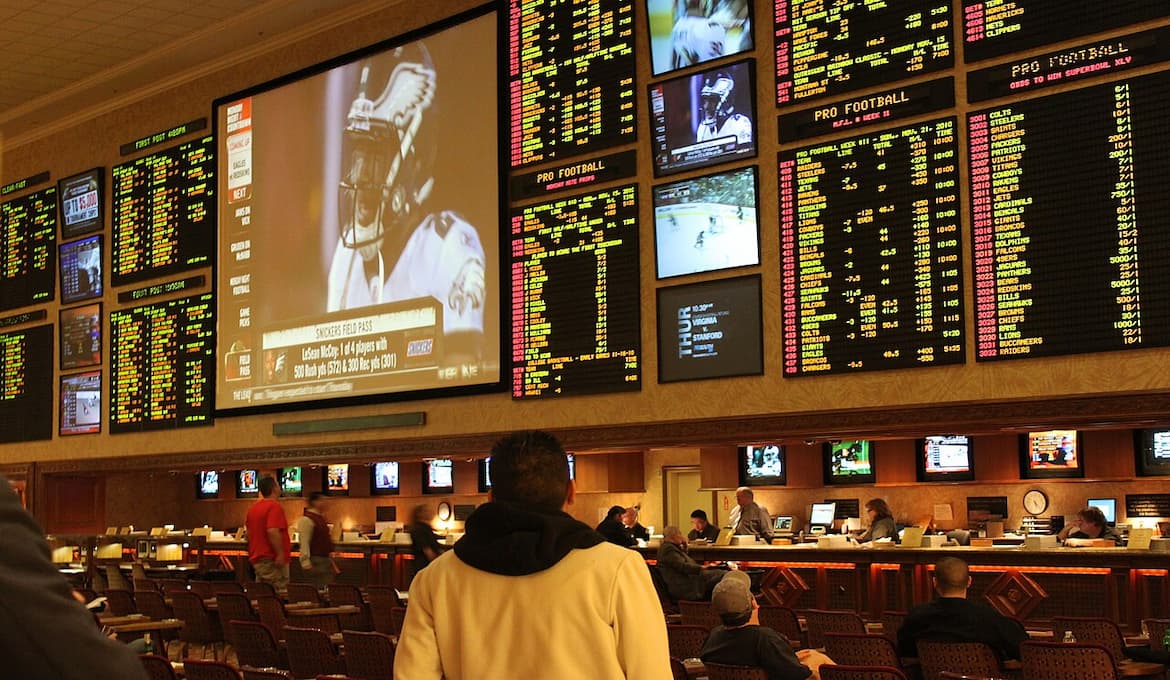
The fight over sports prediction markets may be ultimately decided in the coming months as SCOTUS prepares to review the issue. While both sides highlight problem gambling concerns, neither has shown that they can actually solve the issue.
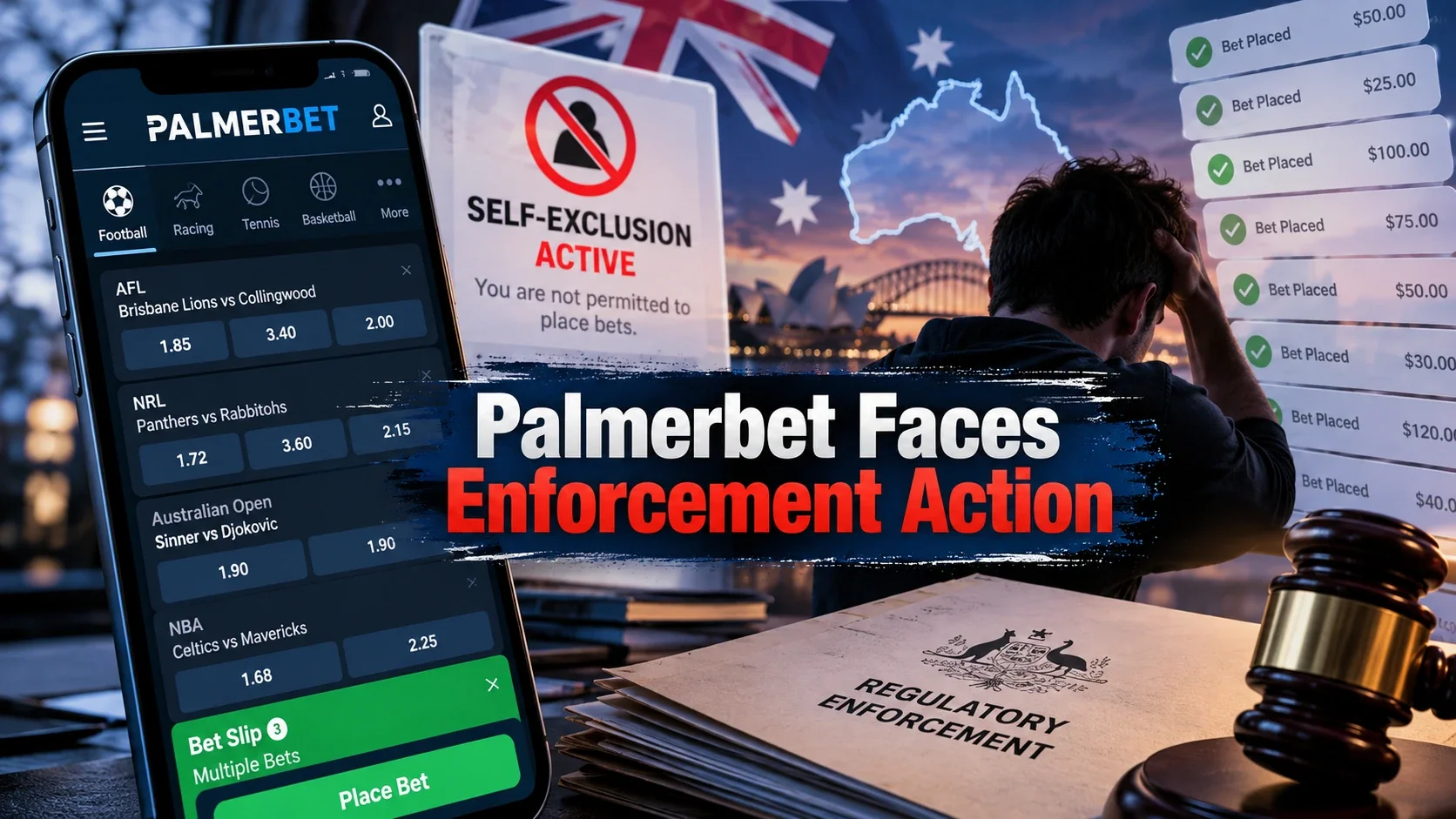
Palmerbet Faces Enforcement Action After Self-Excluded Player Kept Betting
Australian bookmaker Palmerbet has entered into a court-enforceable undertaking after regulators found it allowed a BetStop-registered customer to continue gambling.

The NCPG Issues Strong Statement on Prediction Markets
The National Council on Problem Gambling issued a press release on its stance regarding prediction markets. In it, the group acknowledged the dangers they pose while also standing by its decision to work with platforms to address them.

New York Close to Mandating Monthly Sportsbook Statements
The New York Senate has passed a bill that would mandate monthly sports betting statements for residents. The bill passed each stage of the legislative process by a unanimous vote, sending it to Governor Kathy Hochul for final review.
Is Anger Toward Kalshi Hurting Responsible Gambling Efforts?
Kalshi has stepped up its efforts to fight problem gambling, but anger from states hasn’t subsided. This has led to resistance from responsible gambling groups across the US, rejecting a potential ally in the fight to curb the growing crisis.
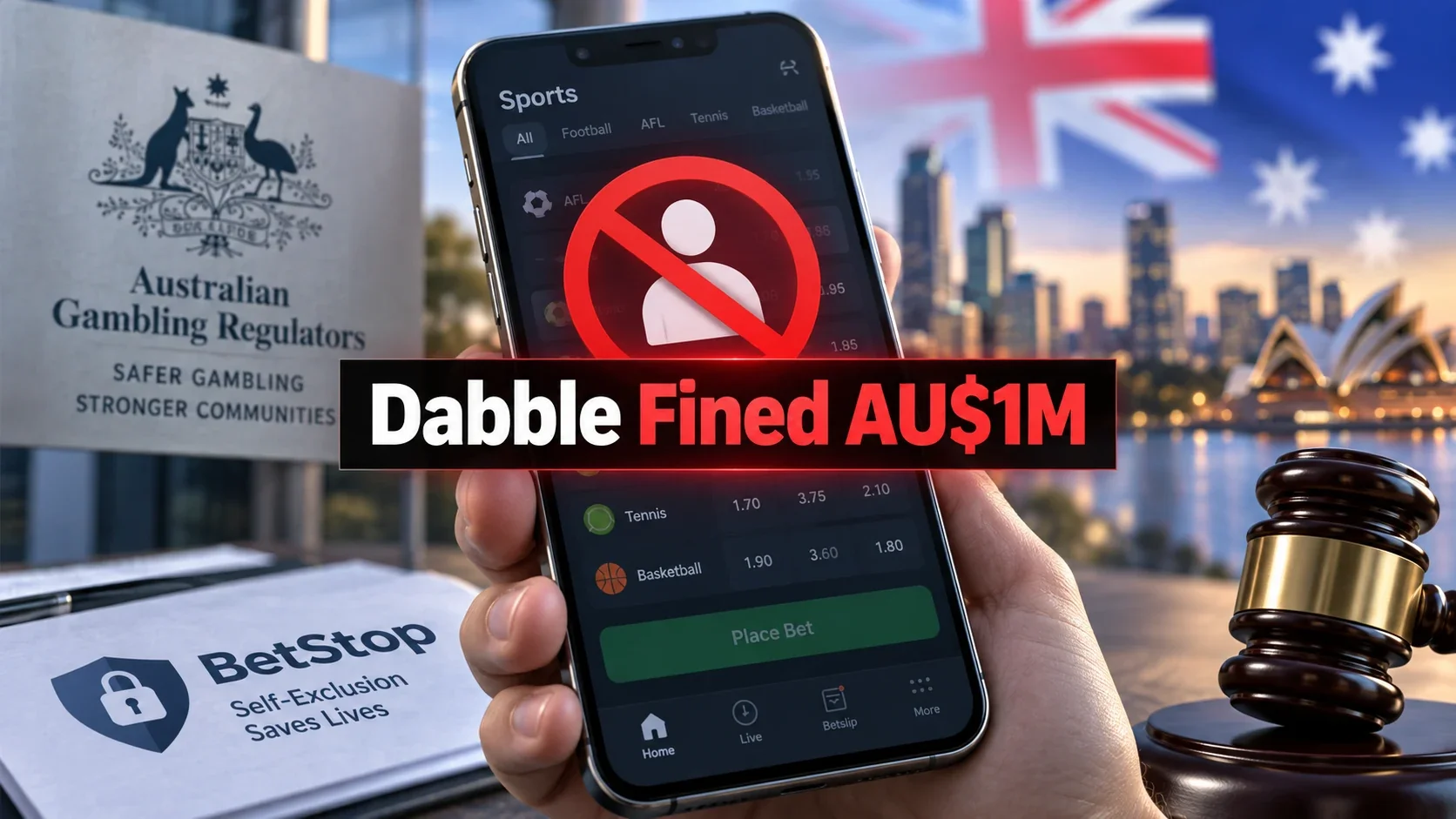
Dabble Fined AU$1 Million for Breaching Australia’s BetStop Rules
Dabble Sports has paid more than AU$1 million in penalties after Australia’s communications regulator found the bookmaker failed to properly protect customers registered with BetStop.
Ohio Regulator Officially Exits NCPG Over Kalshi Membership
The Ohio Casino Control Commission has officially withdrawn from the National Council on Problem Gambling. It cited Kalshi's inclusion as the reason for the decision, but didn’t make the news public after notifying the group back in June.

Australia Tightens Gambling Rules With Red-Flag System and Adstop Register
Australia has passed new gambling reforms adding stronger protections for vulnerable bettors, including Adstop and tighter inducement rules.

Illinois Gaming Board Looks to Expand Self-Exclusion List
The IGB has proposed expanding its self-exclusion list. The changes would add slot machines to the list and make it easier for residents to sign up. The Joint Committee on Administrative Rules will now decide whether to approve the proposals.

South Africa Warns of Rising Gambling Harm as Mobile Betting Grows
South Africa’s gambling regulator has warned that round-the-clock mobile betting is making it easier for vulnerable players to lose control of their spending.

Sports Betting Alliance Hosts Responsible Gambling Roundtable
The Sports Betting Alliance held a responsible gambling roundtable in Virginia this week. Representatives from bet365, BetMGM, Fanatics, FanDuel, and DraftKings sportsbooks were all present. They discussed the biggest questions around problem gambling while searching for new solutions.

South Africa Joins First Africa Safer Gambling Week
South Africa will take part in the inaugural Africa Safer Gambling Week from 7–11 September 2026.

MGC Announces New Campaign to Help Curb Athlete Harassment
The MGC has announced a new “Bet on Respect” campaign to help curb athlete harassment from angry bettors. It will create a new portal where athletes, coaches, and officials can file complaints for the regulator to investigate and hold harassers responsible.
MGC & NORC Study on Young Gamblers Delivers Mixed Results
A new NORC study of young bettors requested by a Massachusetts regulator was released this week. It found that the group understands many of the risks involved in sports betting, but still supports its legalization.

NJ Regulator Fines Caesars Over Self-Exclusion Violations
A New Jersey regulator has fined Caesars Sportsbook over violations of responsible gambling laws. The violations include rules around self-exclusion lists, which are meant to stop bettors from being able to place wagers. Caesars has agreed to pay the fine.
Crown Sydney and The Star Fined After 16-Year-Old Gambles at Casinos
Crown Sydney and The Star Sydney have been fined a combined A$2.25 million after a 16-year-old used a fraudulent driver's licence to repeatedly enter and gamble at both casinos. The teenager visited Crown Sydney 19 times and The Star Sydney three times between April and August 2025.

West Virginia University to Study Loss-Chasing Sports Bets
WVU has announced a new study on loss-chasing by online sports bettors. The habit involves bettors making risky wagers to make up for past losses, and is a serious sign of problem gambling that several states are trying to curb.
New Survey Raising Red Flag Over Gen Z Views on Gambling
A new survey found that 26% of Gen Z investors view gambling as a legitimate form of investing. Prediction markets and the CFTC are taking most of the blame as they continue to blur the lines between investing and gambling.

NCPG Recommends Default Spending Limits in Pennsylvania
The National Council on Problem Gambling has recommended setting default spending limits for sportsbooks in Pennsylvania. The recommendation comes after a state-commissioned report details the impact of problem gambling.
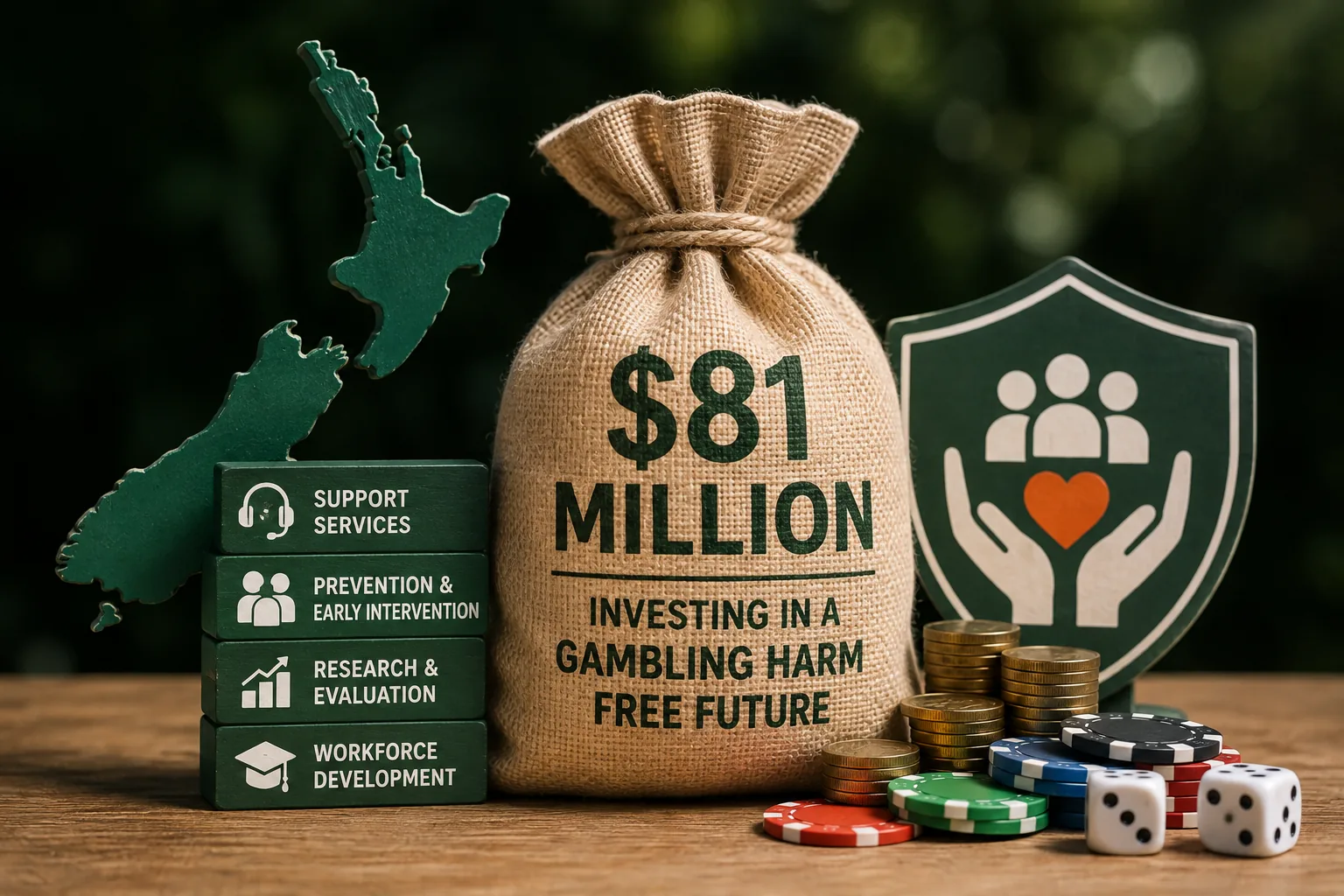
How New Zealand Is Spending $81 Million to Tackle Gambling Harm
New Zealand's Ministry of Health has published its Strategy to Prevent and Minimise Gambling Harm 2025/26 to 2027/28, committing $81.358 million over three years to expand treatment services, grow the gambling harm workforce, and strengthen prevention efforts. The funding is drawn from a levy on the gambling industry and covers everything from helplines and clinical services to research, workforce scholarships and a new national online self-exclusion system.

Study Finds 18% of Arizona Bettors At Risk for Problem Gambling
A new study from the Arizona Department of Problem Gambling delivered some startling results. It found that almost 1 in 5 bettors are dealing with a moderate or high risk of problem gambling, despite prediction markets yet to gain much popularity.
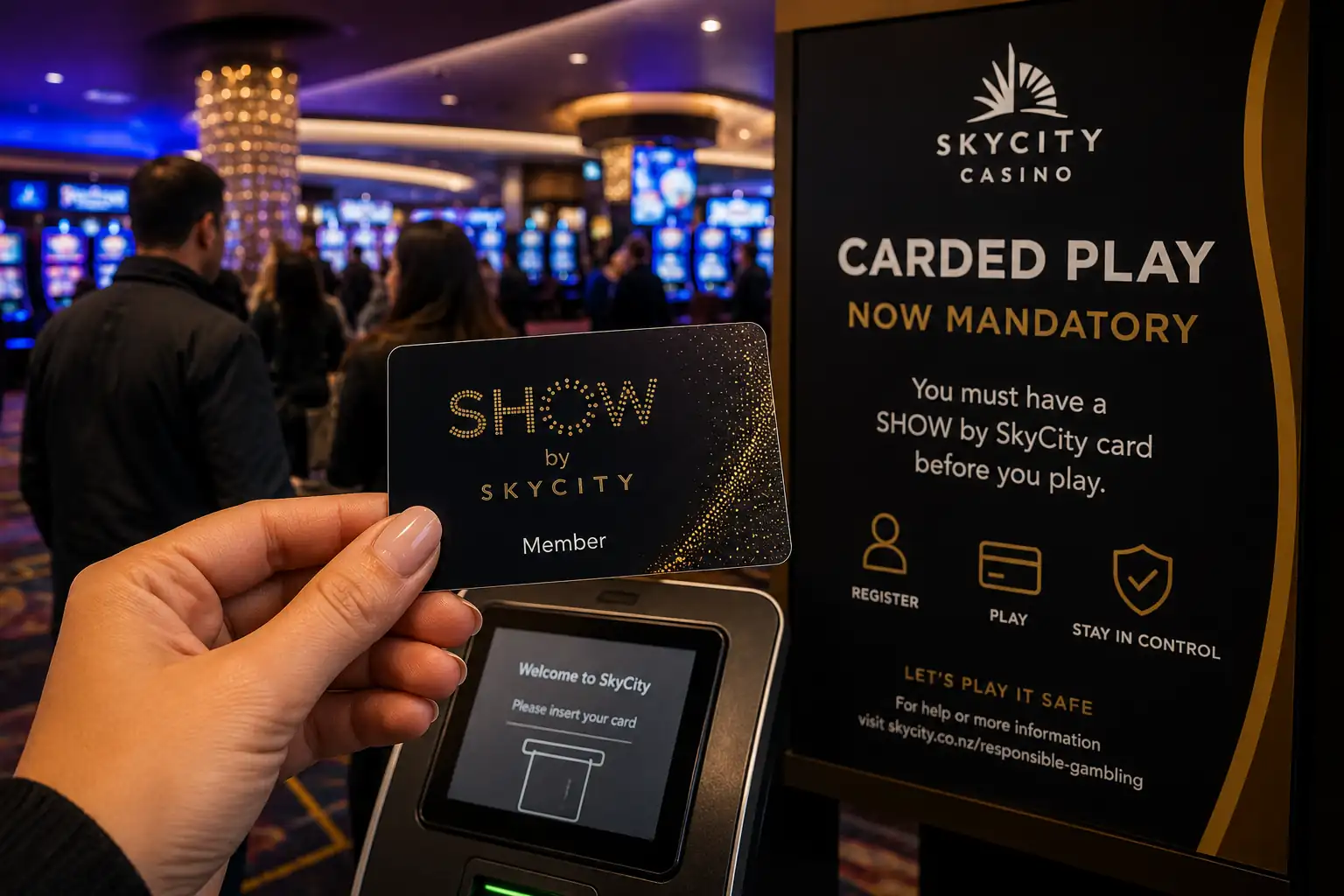
SkyCity Introduces Mandatory Player Cards at New Zealand Casinos
SkyCity customers will now need to register for a player card before they can gamble at any of the company's New Zealand casinos. The move is designed to strengthen responsible gambling measures while giving players greater insight into their own gambling habits.
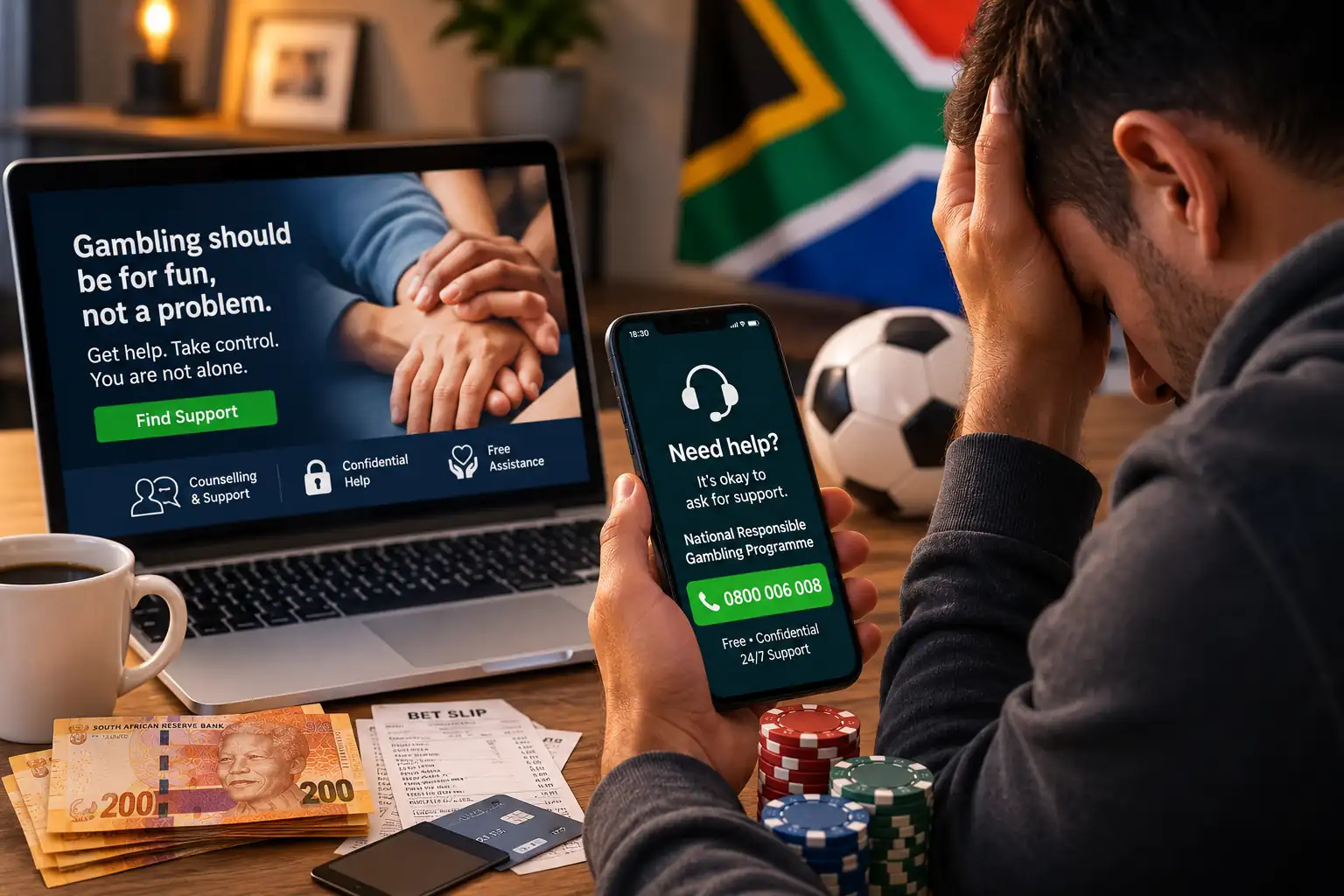
South African Helpline Reports Rise in Problem Gambling Cases
South Africa's gambling support services are seeing more people seek help as online betting becomes increasingly popular. Experts say greater awareness, easier access to gambling platforms and growing participation are all contributing to the rise in demand for assistance.