

Photo by Flickr

Related News
Former NCAA Basketball Player Sentenced in Point-Shaving Case
Former New Orleans guard Jah Short received a one-day prison sentence for his involvement in a widespread NCAA basketball point-shaving scheme.
New York Judge Rejects Temporary Restraining Order Against Kalshi
Kalshi can continue operating in New York as Justice Melissa Crane seeks additional safeguards for younger traders amid the ongoing legal dispute.
US Senate Passes DEATH BETS Act Targeting Prediction Markets
The Senate passed its first bill restricting prediction market contracts, targeting markets involving death and violence while leaving sports contracts unaffected.
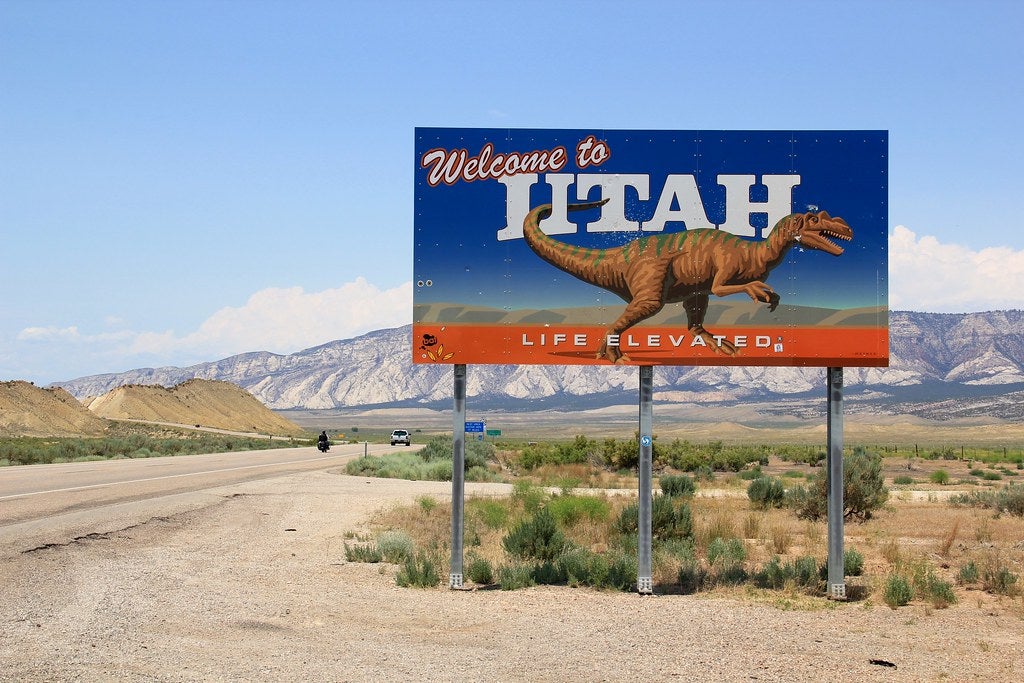
Utah Moves to Dismiss Criminal Charges Against Kalshi and Co-Founders
Utah is seeking to dismiss criminal charges against Kalshi and its co-founders following the prediction market platform's decision to pause operations.
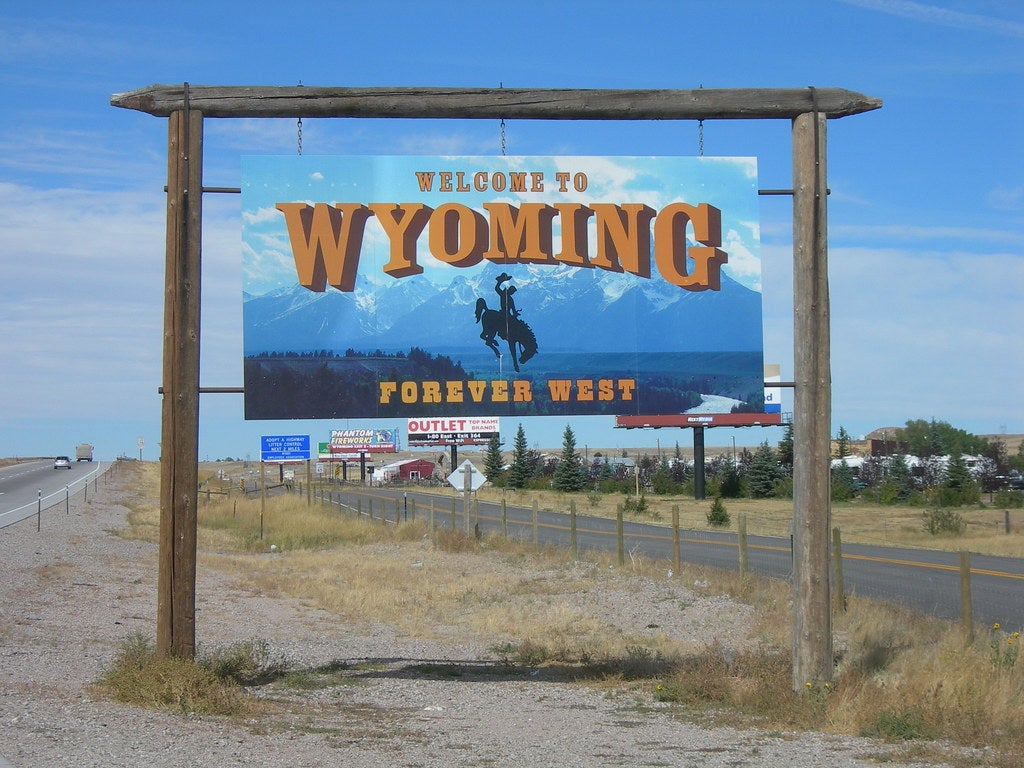
Wyoming Lawmakers Advance Sweepstakes Casino Ban Proposal for 2027
Wyoming lawmakers are advancing a proposal to ban dual-currency sweepstakes casinos as regulators raise concerns about consumer complaints and illegal gambling.
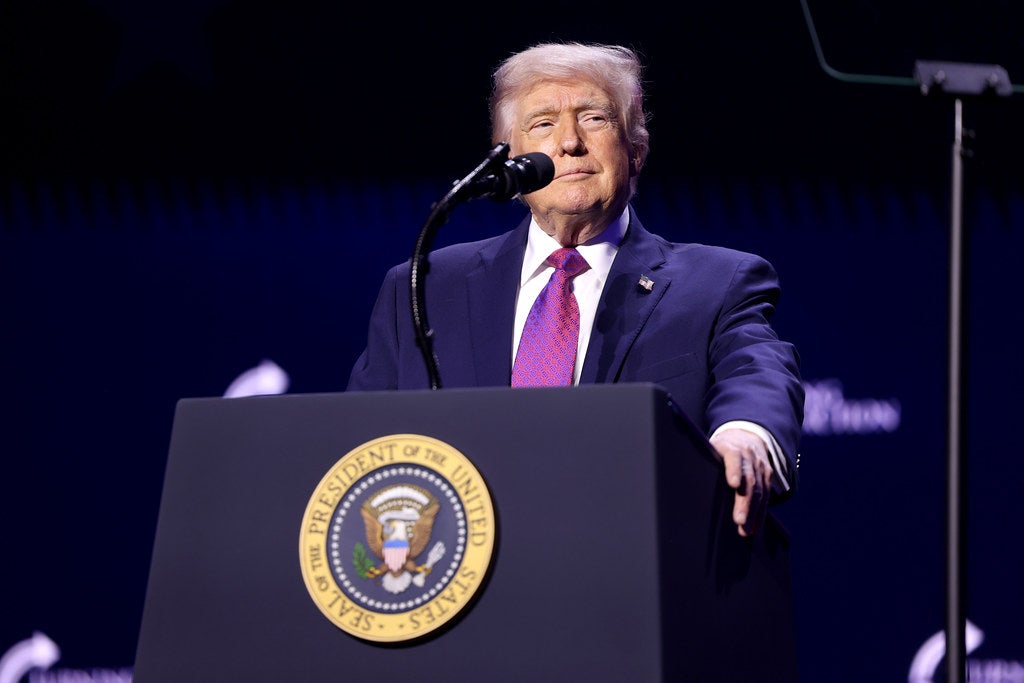
Kalshi CEO Pushes Back Against CFTC Ban on Trump Mentions Markets
Kalshi executives are challenging federal regulators' decision to remove Trump Mentions markets, defending their economic value amid insider trading concerns.
Utah Sues Stake.us Over Alleged Illegal Sweepstakes Gambling
Utah is seeking to shut down Stake.us and recover money from the sweepstakes casino operator amid allegations of illegal gambling.
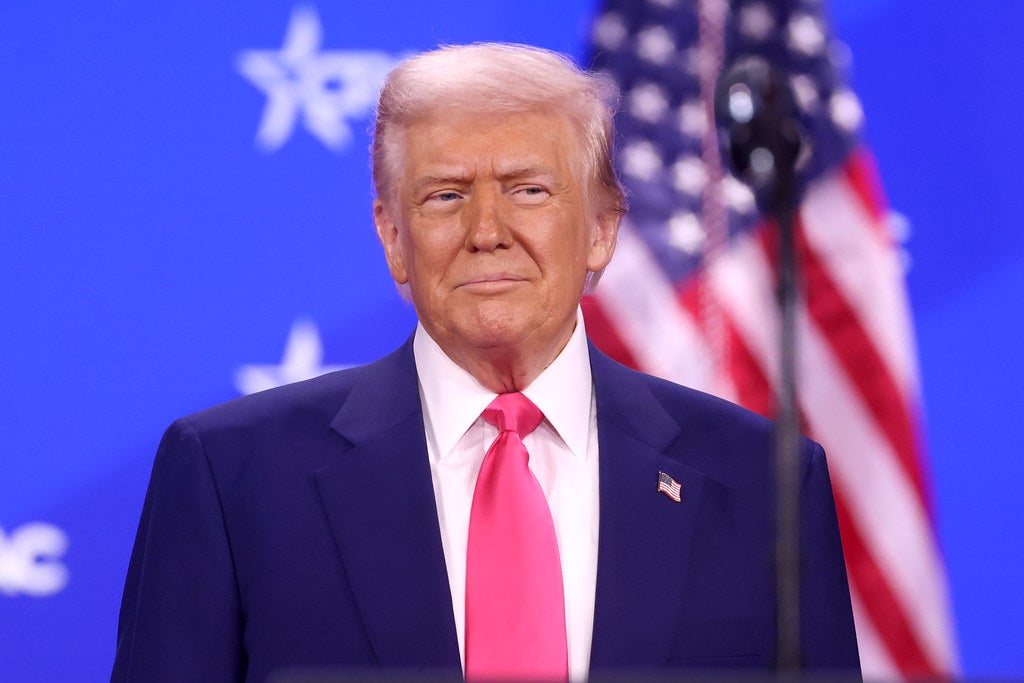
Kalshi Removes Trump Mentions Markets Following CFTC Request
Kalshi has taken down markets tied to President Trump's remarks amid regulatory scrutiny and concerns about insider trading involving advance speech access.
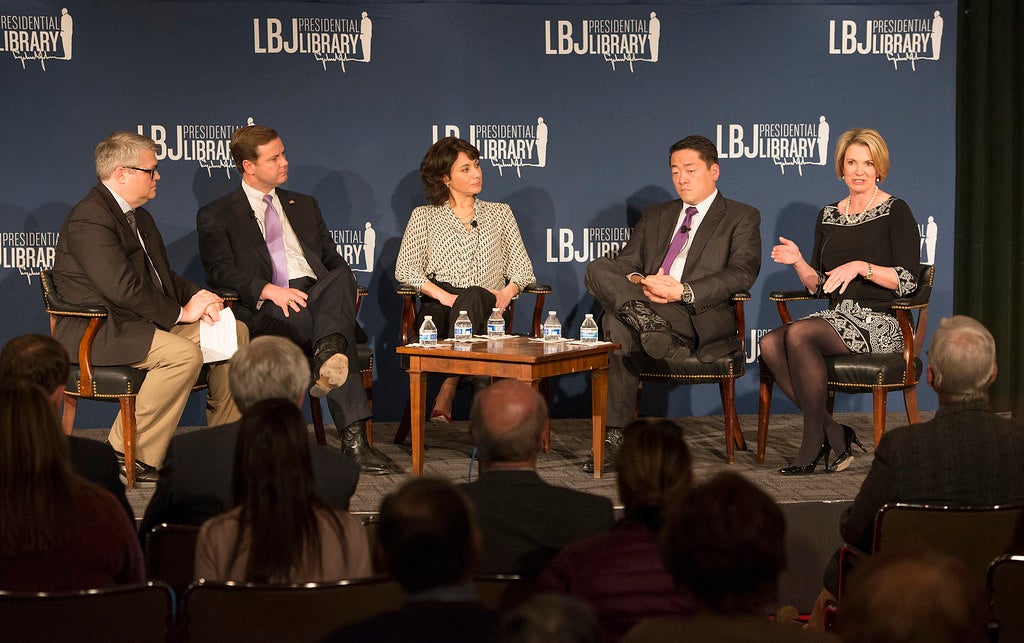
Texas Governor-Elect Hinojosa Open to Gambling Expansion With Conditions
Texas Governor-elect Gina Hinojosa is outlining conditions for potential gambling expansion as lawmakers prepare for another legislative push in 2027.
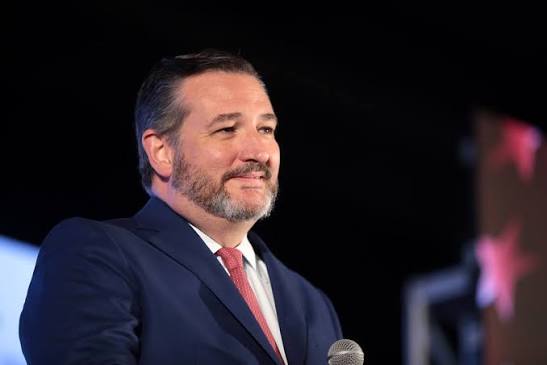
Senators Urge CFTC to Stop Interfering With State Prediction Market Laws Amid Ted Cruz Bill
Nine Democratic senators are challenging the CFTC's approach to state prediction market restrictions, while Ted Cruz prepares legislation addressing sports contracts.
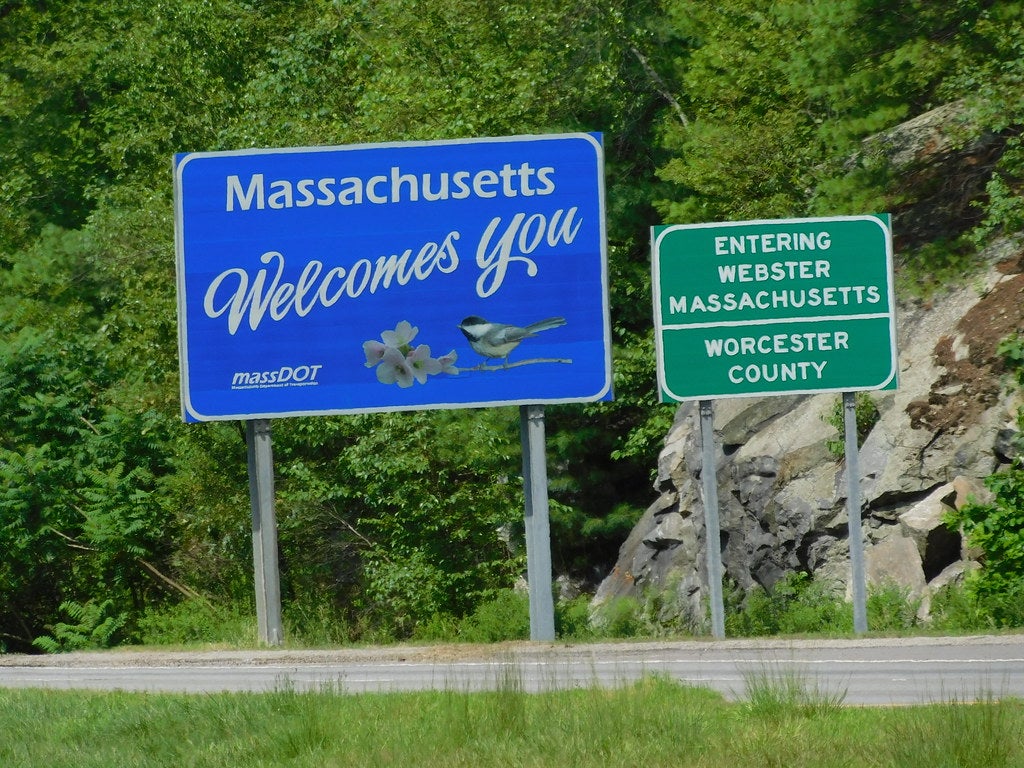
Massachusetts Gaming Chair Calls for Ban on Sports Prediction Markets
Massachusetts Gaming Commission Chair Jordan Maynard urged Congress to address sports prediction markets, citing regulatory gaps and consumer protection concerns.
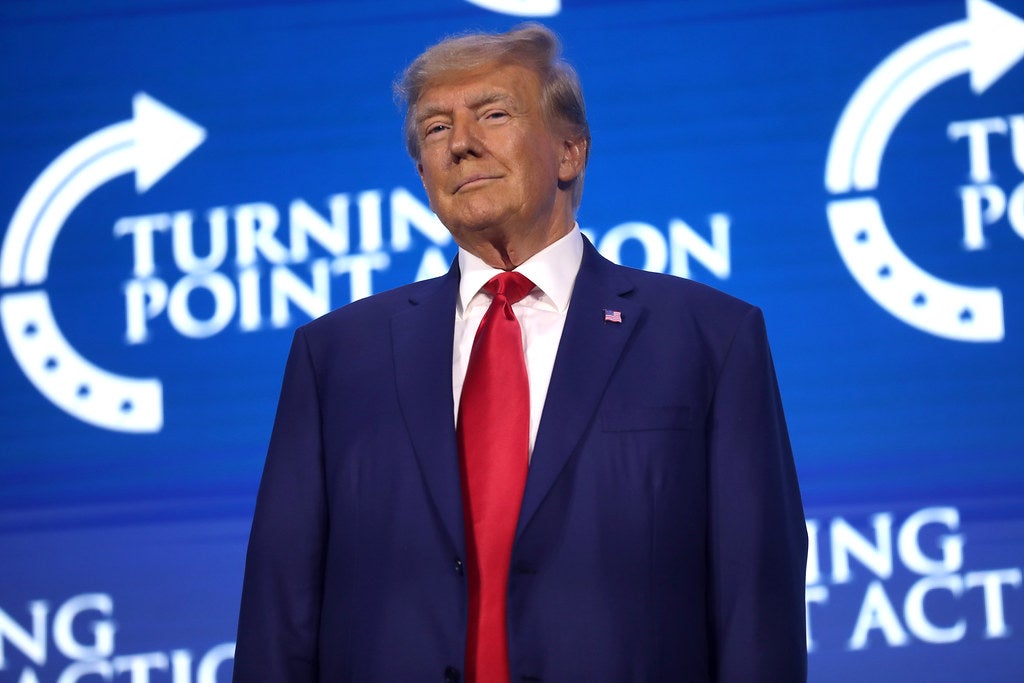
Trump Nominates Two CFTC Commissioners Amid Prediction Market Debate
Trump's bipartisan CFTC nominations could reshape the agency's oversight of prediction markets as Senate control changes hands following the midterms.
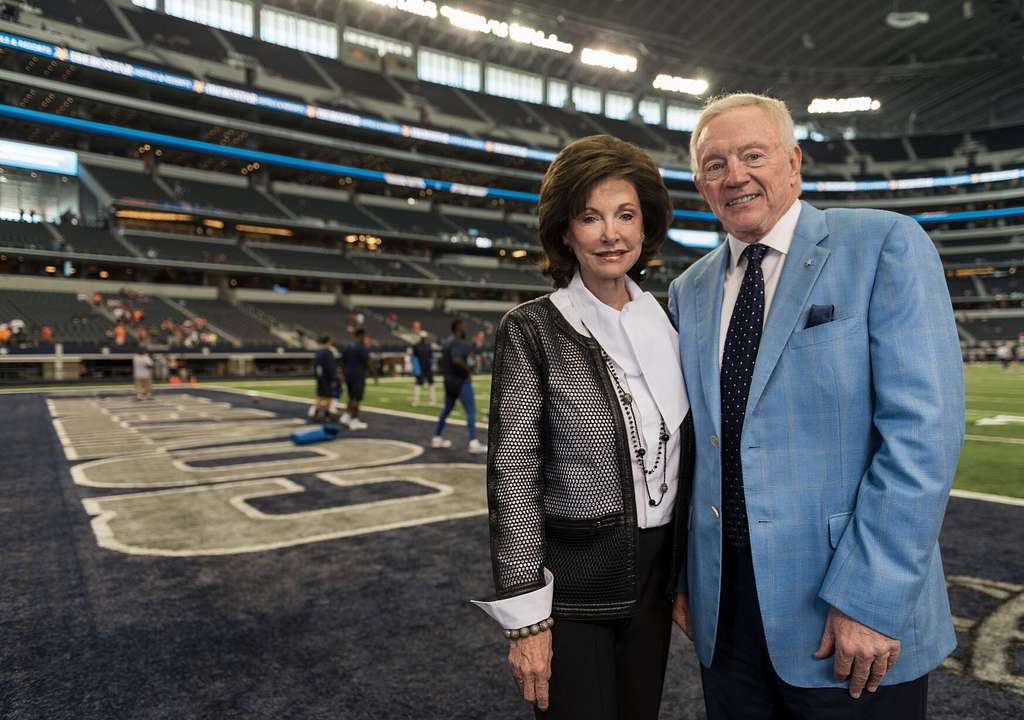
Jerry Jones Sees Opening for Texas Sports Betting Legalization
Jerry Jones believes Texas' changing political leadership could create an opportunity for sports betting legalization, despite opposition from key lawmakers.
Five Prediction Market Companies Halt Sports Contracts in Ohio
Five companies have complied with Ohio's prediction market cease-and-desist orders, while other operators face continued regulatory scrutiny and potential enforcement.
Colorado Proposes Sports Betting Ban for Threats Against Athletes
Colorado regulators are considering new rules targeting bettors who threaten athletes and others involved in sports, as well as insider betting violations.
Louisiana Judge Issues Restraining Order Against 31 Prediction Market Entities
Louisiana secured a temporary restraining order against 31 prediction market entities, with a court hearing scheduled for November 30.
Arkansas Sues Kalshi, VGW Holdings Over Alleged Illegal Gambling
Arkansas is targeting prediction markets and sweepstakes casinos with lawsuits against Kalshi and VGW Holdings over alleged illegal gambling.
New Zealand Online Casinos Face December Licensing Deadline
New Zealand's online casino market faces a major change on 1 December as operators without licence applications must stop serving Kiwi players.

Fux Suspends All Lower-Court Cases on Brazil Betting Ban
Justice Luiz Fux froze all lower-court challenges to Brazil's online betting ban, closing a path operators used to reopen while the STF weighs the measure.
CFTC, DOJ Seek to Block Utah's Criminal Charges Against Kalshi
Federal regulators are seeking to stop Utah from enforcing gambling laws against Kalshi following criminal charges against the platform and its founders.
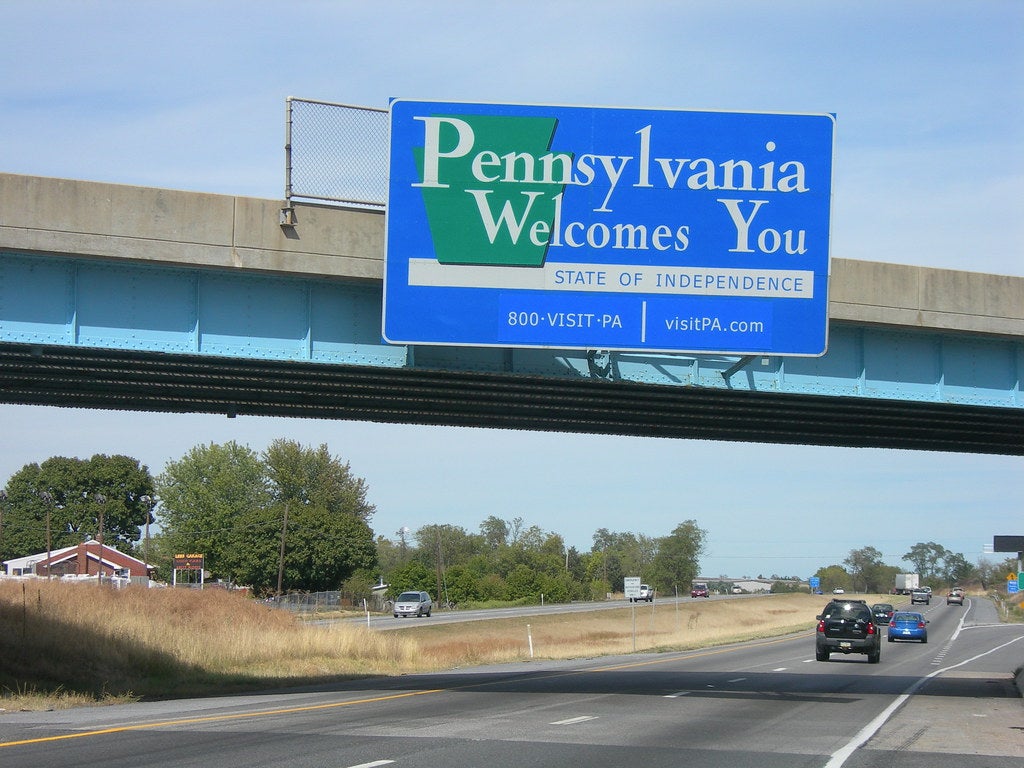
Pennsylvania Bills Seek to Ban Micro Bets, Parlays, VIP Programs
Pennsylvania lawmakers are proposing sweeping gambling restrictions, including bans on certain wagers and stricter daily and monthly loss limits.
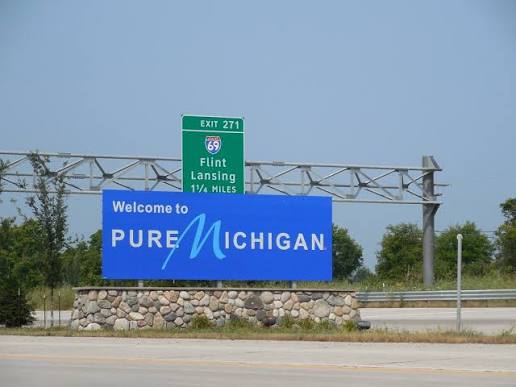
Polymarket Halts Michigan Sports Prediction Markets by November 25
Polymarket has agreed to stop offering sports prediction markets in Michigan, giving customers until November 25 to close their positions.

Sizekhaya Lottery Award Set Aside as South Africa Keeps Draws Running
A court has set aside Sizekhaya’s lottery licence award. Draws continue while Parks Tau reconsiders the decision under a suspended order.

DraftKings, FanDuel, Fanatics Halt Prediction Markets in Utah
Three major sportsbook operators are withdrawing prediction market offerings from Utah amid escalating legal action against the industry.
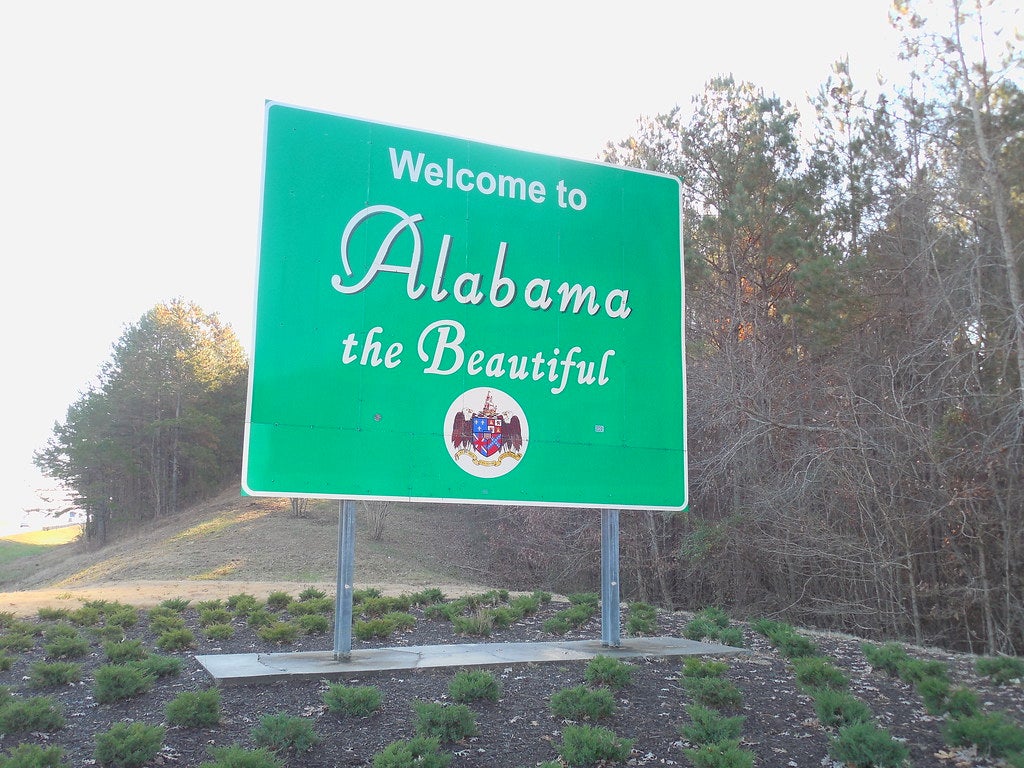
Tommy Tuberville Open to Legal Gambling Expansion in Alabama
Tommy Tuberville says Alabama voters should decide whether to legalize gambling, but he wants any expansion handled through one comprehensive package.
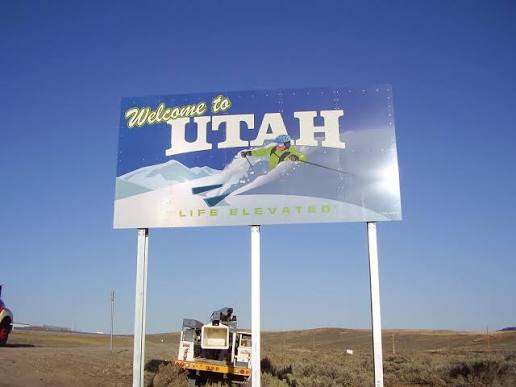
Utah Sues Kalshi, Seeks $61 Million Over Alleged Illegal Gambling
Utah is seeking to block Kalshi's sports event contracts and recover millions in fees following a federal court ruling against the platform.
Ohio Bans Sports Bettor Over Alleged World Series Threats
An Ohio sports bettor has been banned over alleged threats against Blue Jays manager John Schneider during the World Series.
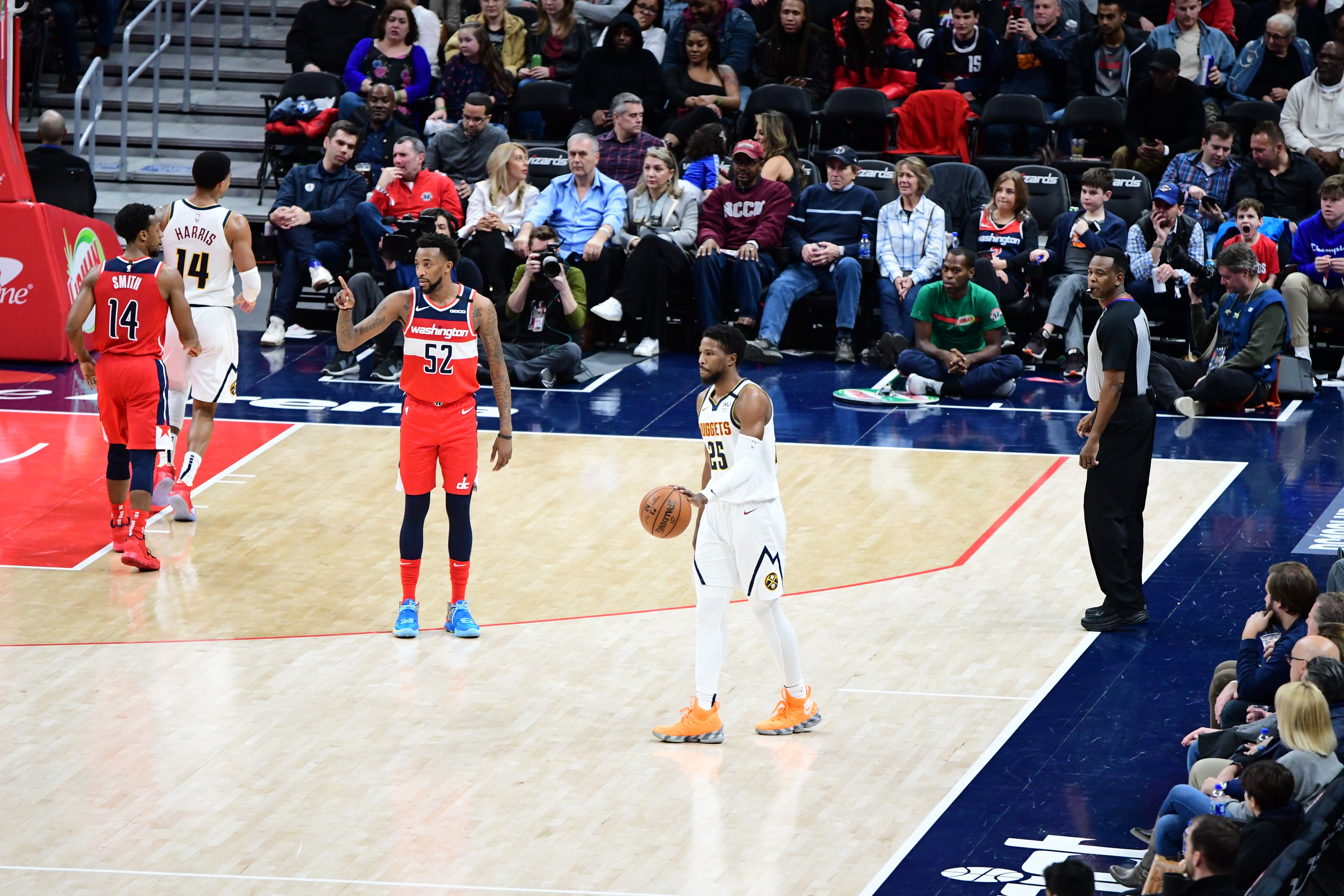
Former NBA Player Malik Beasley Reaches Plea Deal in Betting Scandal
Malik Beasley is expected to plead guilty in December as federal prosecutors pursue an NBA betting scheme involving player props.
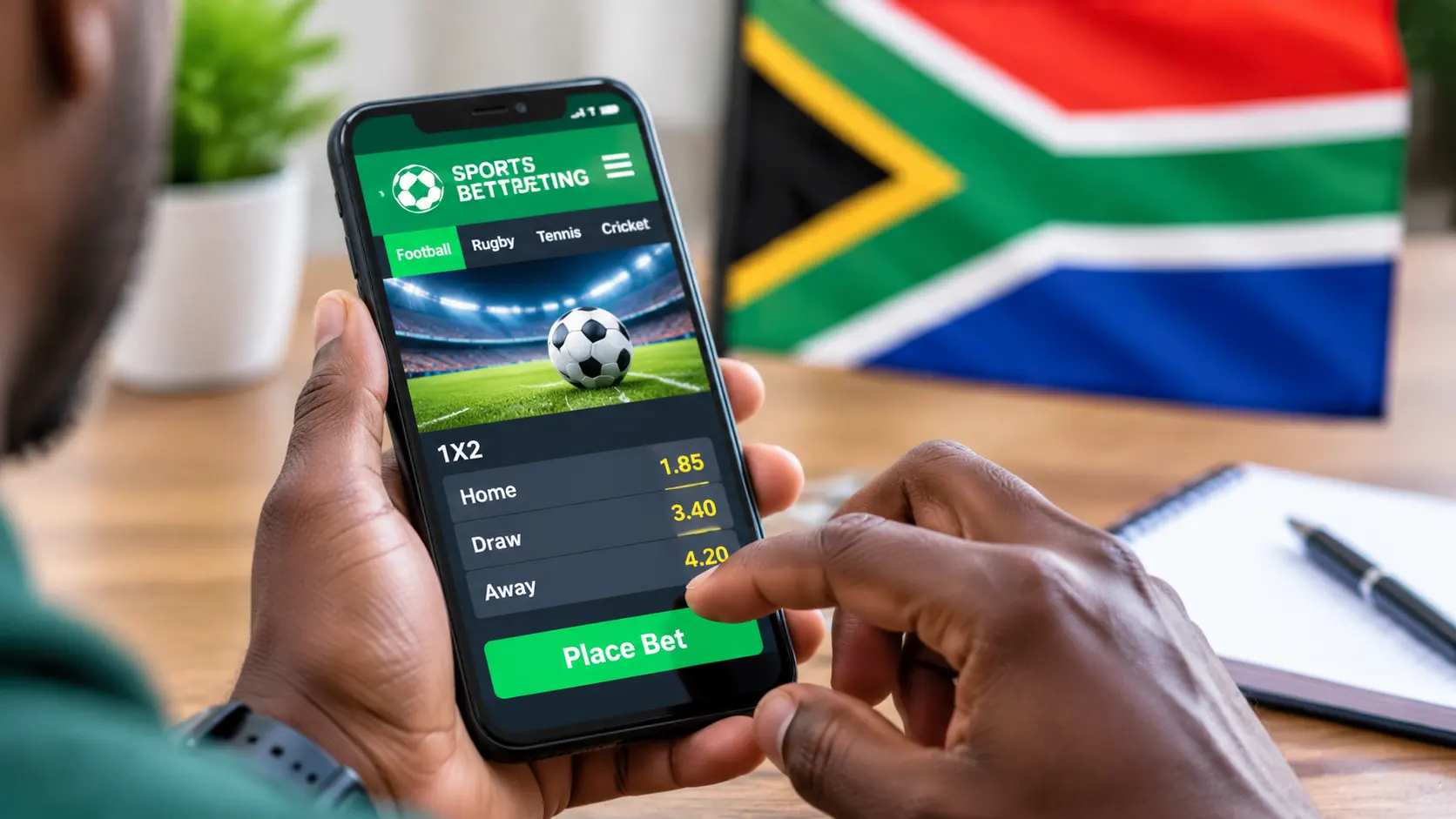
South Africa Considers New Safeguards for Mobile Betting Vouchers
South Africa is examining whether mobile betting vouchers need stronger safeguards, although no ban or new restrictions have been announced.

Limpopo Court Jails Illegal Gambling Operator for 12 Months
A Limpopo gambling operator has received a 12-month prison sentence after authorities seized 17 computers from an unlicensed internet café.
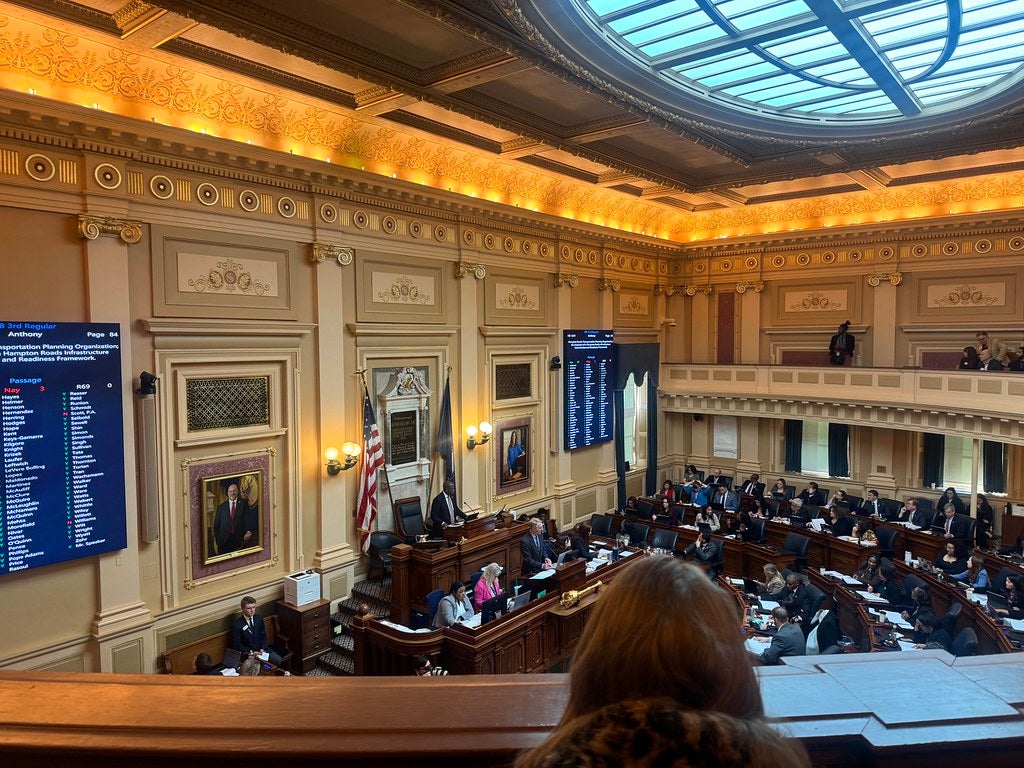
Lawmakers Demand VIP Program Details From Six Sportsbooks, Prediction Markets
Federal lawmakers are expanding their scrutiny of gambling VIP programs to six sportsbook and prediction market operators.
NBA Partners With Kalshi, Polymarket, DraftKings Predictions in Major Deal
The NBA is entering the prediction market space through three major partnerships and a new sports integrity agreement with the CFTC.
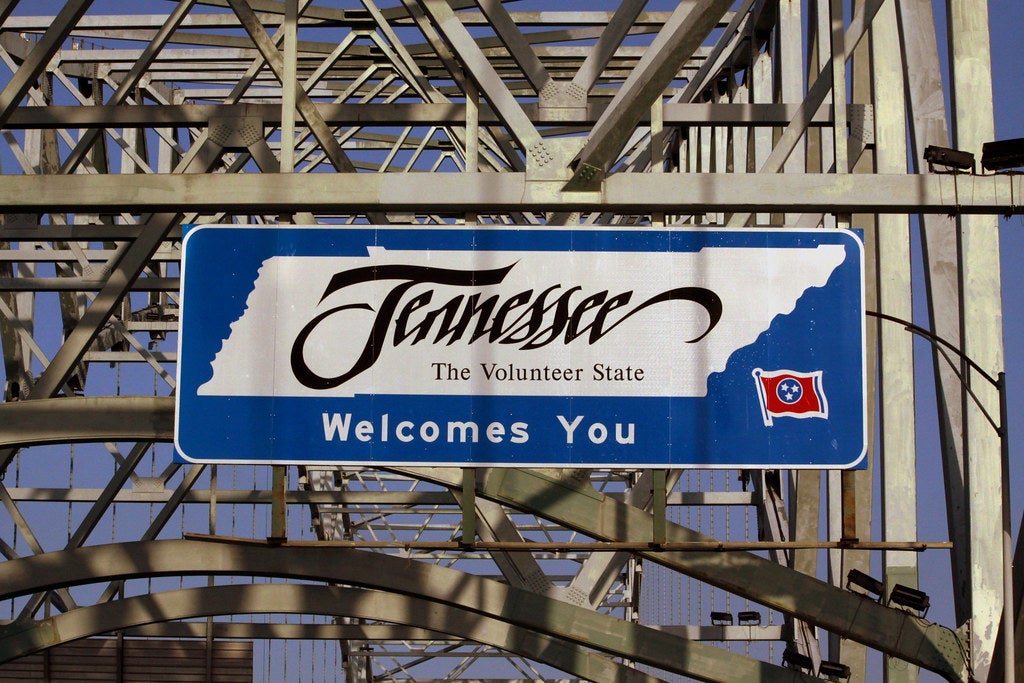
Underdog Sues Tennessee Over Prediction Market Gambling Restrictions
Underdog is challenging Tennessee's gambling laws after receiving a cease-and-desist notice targeting its sports prediction market contracts.