

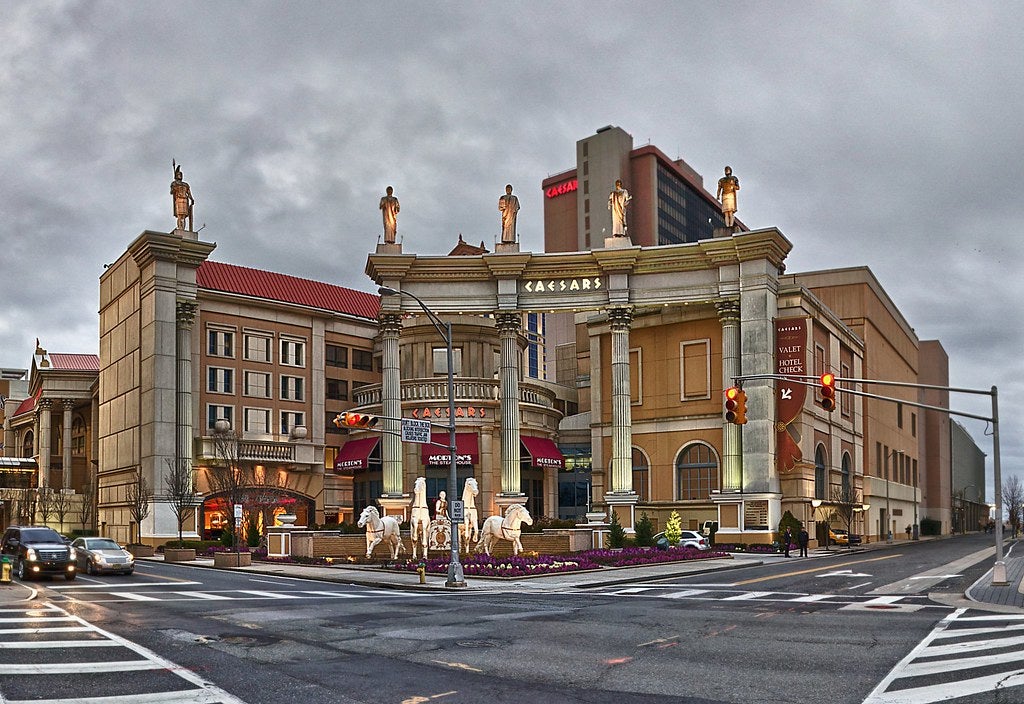
Photo by Flickr, CC by-NC-ND 2.0 (https://creativecommons.org/licenses/by-nc-nd/2.0/)

Related News
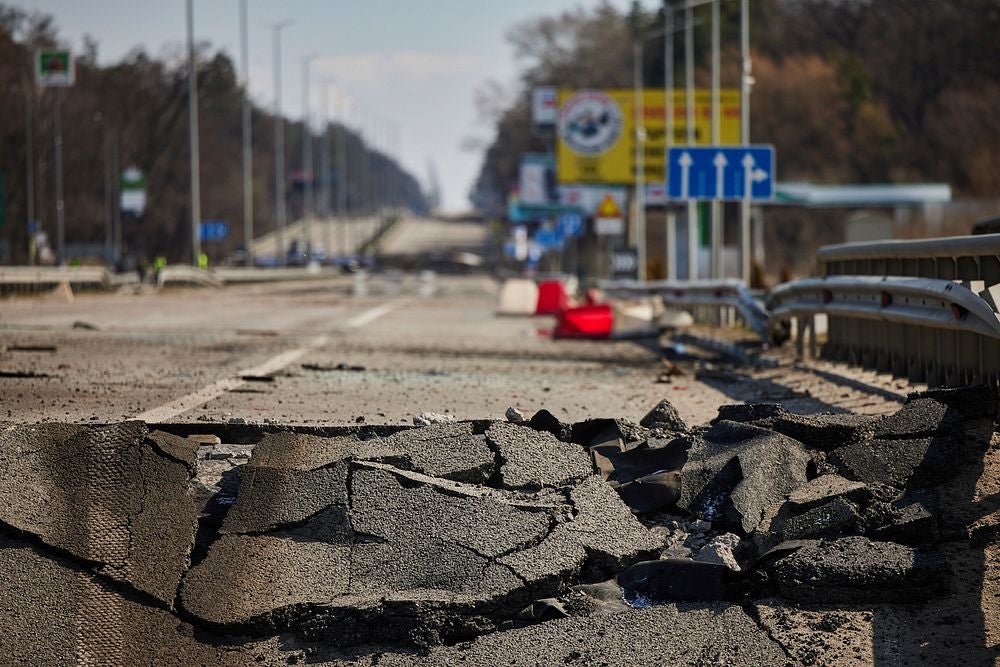
33 Injured, 2 Critically in Crash with Bus Heading to Michigan Casino
It then crossed the roadway and went over an embankment, resulting in more than 60 percent of the passengers being injured.

Premier League clubs continue gambling sponsorship deals despite UK scrutiny
Premier League clubs are continuing to sign lucrative gambling sponsorship deals, including partnerships with unlicensed operators, as UK government plans for tighter regulation remain unclear.
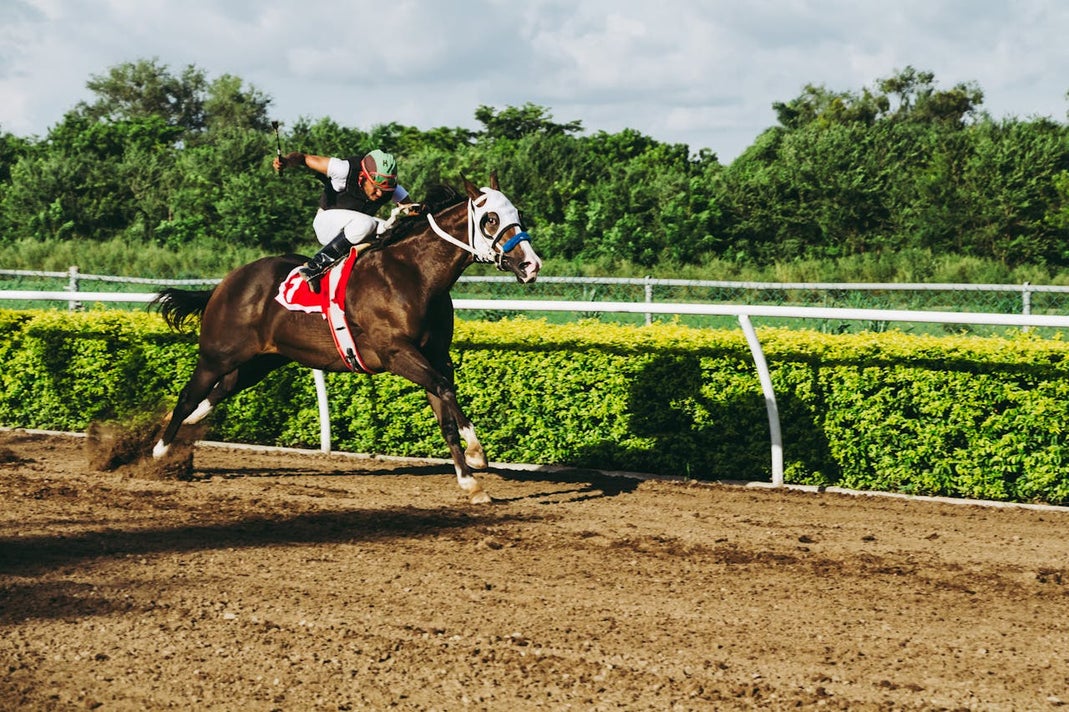
BGC warns of £60 million in illegal Cheltenham Festival bets
Up to £60 million may have been wagered with illegal betting operators during the Cheltenham Festival, according to the Betting and Gaming Council, as concerns grow over black market activity in the UK.
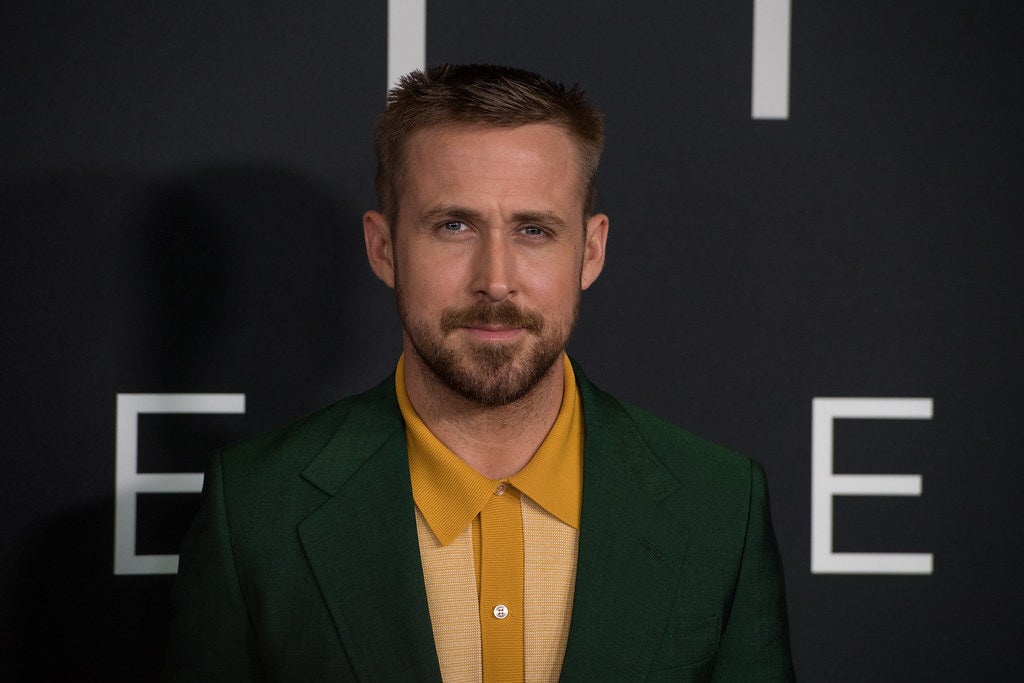
Amazon Scores First Blockbuster Hit With “Project Hail Mary”
Amazon’s Project Hail Mary earns $80.5M opening, marking its first true box office blockbuster after years of changing strategies.
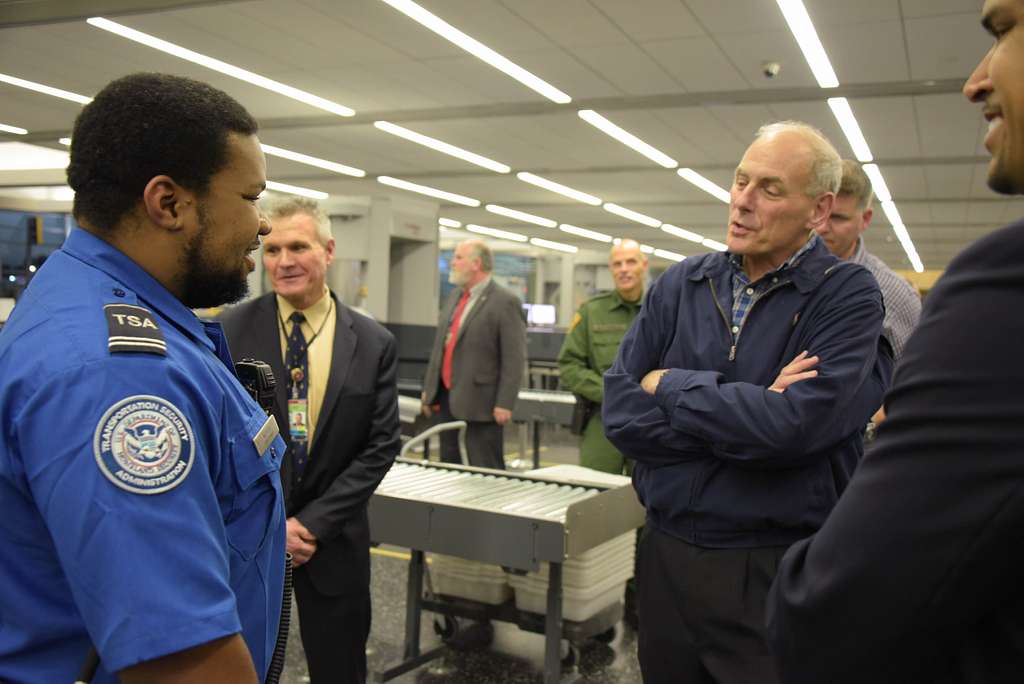
TSA Funding Deadline Threatens Travel Delays Ahead of Spring Break
TSA officers are facing financial strain and potential walkouts as a funding deadline nears, putting airport security operations at risk.
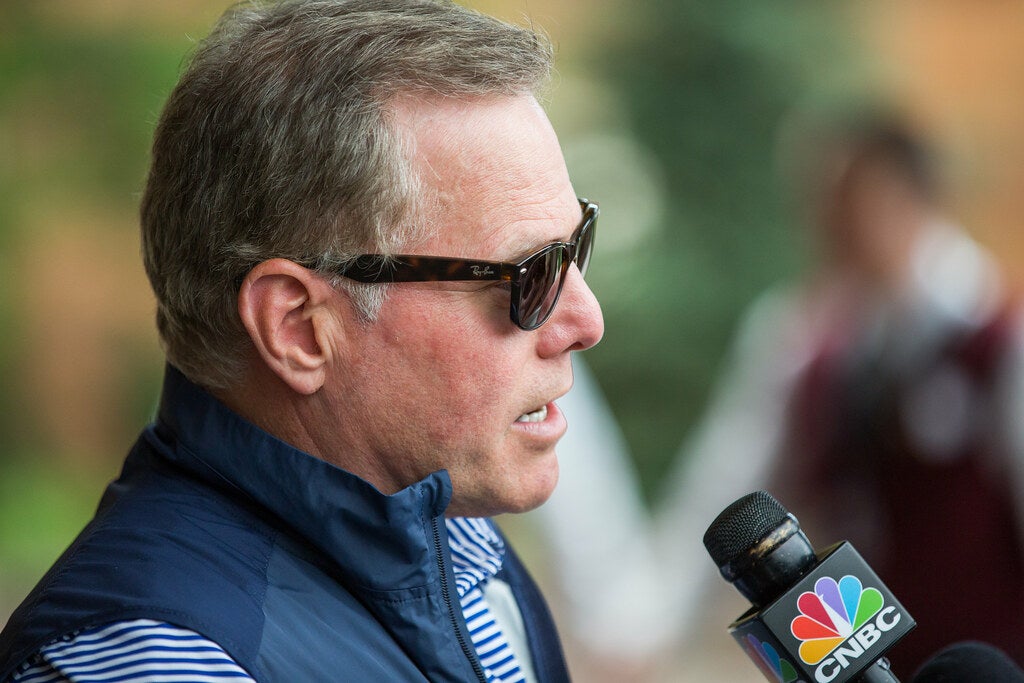
David Zaslav Could Earn $800M in Paramount–WBD Deal
Warner Bros. Discovery CEO David Zaslav could walk away with a massive payout tied to severance, equity incentives, and more.
Australian Player Lands A$27.5m Lucky Lotteries Jackpot
A New South Wales woman has become the latest multi-millionaire after landing a A$27.52 million Lucky Lotteries Mega Jackpot prize.

PENN Confirms Opening Date for Hollywood Aurora Casino in Illinois
The $360 million project has nearly completed its construction and will serve customers throughout the Chicago suburbs and surrounding areas.
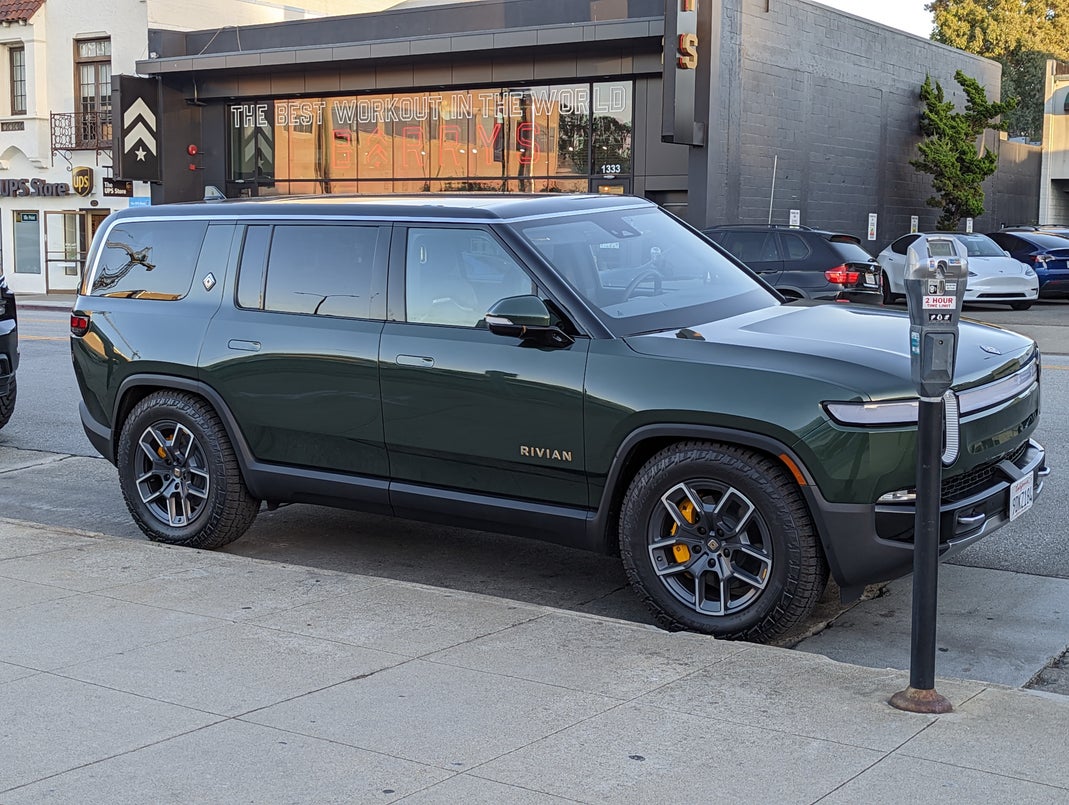
Uber Invests $1.25 Billion in Rivian Robotaxi Partnership
Uber and Rivian have agreed to a deal that could be worth up to $1.25 billion and launch up to 50,000 robotaxis across dozens of countries.

Alberta Bans Election Betting as Soft2Bet Eyes iGaming Launch
Alberta bans election betting while Soft2Bet prepares to enter the iGaming market, signaling a shift toward a regulated and competitive industry.
Anutin Charnvirakul Reelected as Thailand PM, Ending Casino Legalization Push
Thailand reelects Anutin as prime minister, reinforcing opposition to casino legalization while addressing economic and political challenges.
SkyCity Compliance Pressure Grows as New Zealand Tightens Casino Oversight
SkyCity is still feeling the weight of stricter oversight, with AML penalties, host responsibility action, and carded play reforms reshaping New Zealand’s casino sector.
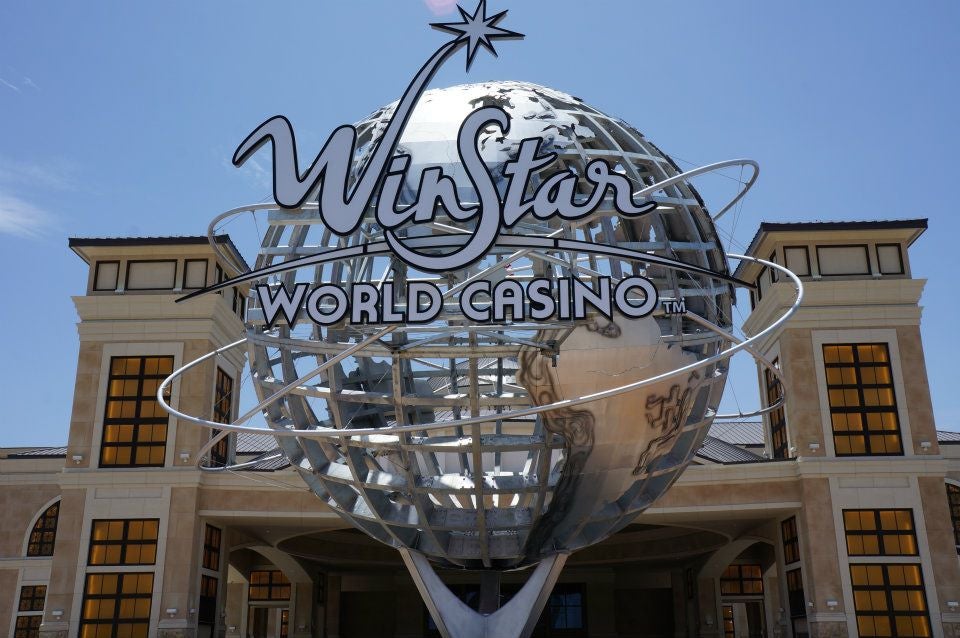
One Individual Dead After Officer-Involved Shooting at Oklahoma WinStar Casino
Officers responded to a call and eventually engaged the individual, with few details revealing what escalated the situation.

Incentive Games partners with Rank Group to expand UK real-money offering
Incentive Games has secured a new partnership with Rank Group, bringing its mobile-first real-money titles to a wider UK audience following its recent Gambling Commission licence approval.
WWE and White Hat launch WrestleMania: Road to Gold Slot on Fanatics Casino
WWE and White Hat Studios launch WrestleMania: Road to Gold, a Fanatics Casino slot featuring top stars and gameplay inspired by iconic events.
Massachusetts Legislature Effective Kills iGaming Bill, Which Will Be Resubmitted
While the bill was effectively rendered useless for the remainder of the legislative session, it can be refiled in its current form when the next one begins.
Betty Gaming Expands iBingo Presence with Kirkland Lake Hall Acquisition
Betty Gaming acquires Kirkland Lake Bingo Hall to modernize operations, expand its gaming reach, and increase funding for local charities.
Should the EU implement its own harmonised gambling tax?
A proposed EU-wide gambling tax could generate billions for public funding, but legal constraints and national resistance mean the idea remains largely theoretical.

SOFTSWISS and Pentasia unveil 2026 iGaming talent trends in Malta
SOFTSWISS and Pentasia have launched their 2026 iGaming Talent Trends report in Malta, highlighting hiring challenges, AI disruption and tightening talent supply across the sector.

iGaming cyber threats evolving as AI and data risks change industry
Cybersecurity threats facing the iGaming sector have “grown and changed shape”, with AI-driven attacks, identity abuse and supply-chain risks now replacing traditional fraud concerns.
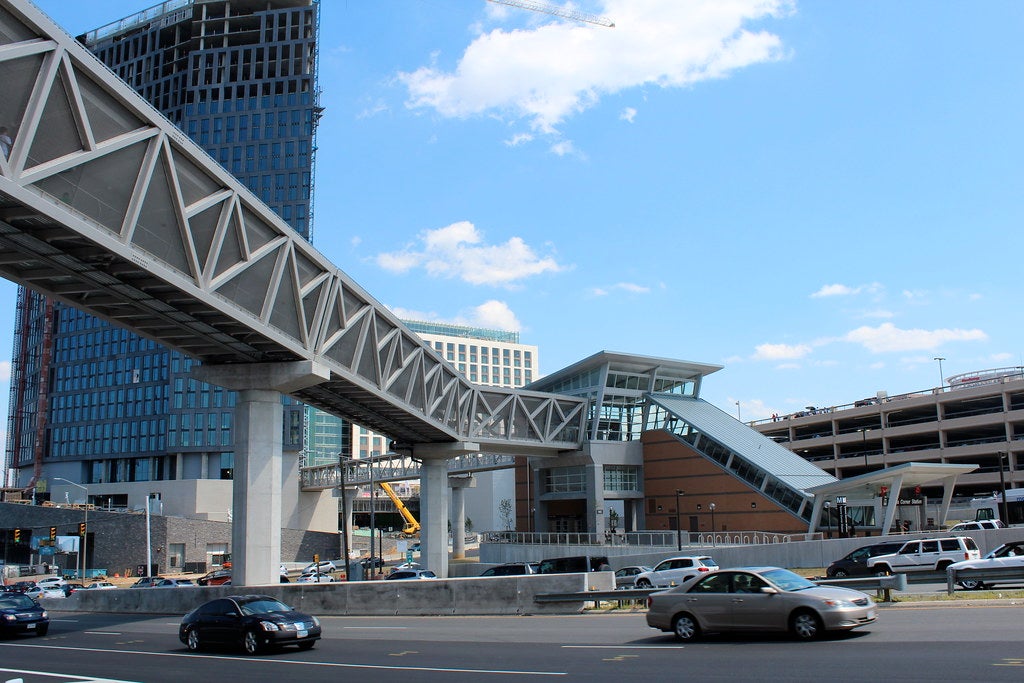
Virginia Gov. Spanberger Has One Week to Decide on Fairfax Casino Bill
As Virginians await her decision, the Board of Supervisors is encouraging the Governor to strike down a bill it never wanted.
.jpg)
Online sports betting may be driving binge drinking among young men, study finds
A new study suggests that young men who already drink heavily may be more likely to binge drink when engaging with online sports betting, raising fresh questions about the wider social impacts of gambling apps.
.jpg)
Eden Hazard investigated by Belgian regulators after Stake ambassador deal
Former Chelsea and Real Madrid star Eden Hazard is reportedly under investigation by Belgium’s gambling regulator after signing a new ambassador deal with online casino brand Stake.
Travel agent jailed for three years after stealing £500k to fund online gambling
A UK travel agent has been sentenced to three years in prison after defrauding her employer of nearly £500,000 over a 20-month period, with part of the stolen money spent on online gambling.
Alan Spence claims £800k gambling debt unenforceable due to alleged illegal bookmaker
Classic-winning racehorse owner Alan Spence told the High Court that gambling debts of around £800,000 should be void because the bets were allegedly placed with an illegal bookmaker.
Mum who hid gambling addiction paid off £40,000 debt by selling clothes
Rachel Grady said depression and the “buzz” of gambling pulled her into addiction during 2020, leaving her with £40,000 of debt before she rebuilt her finances through online clothes reselling.
U.S. Government Set to Receive $10 Billion Fee From TikTok Deal
The US government is set to receive about $10 billion from investors as part of a deal restructuring TikTok’s U.S. operations.
NFL, CBS Reportedly Negotiating Major Rights Fee Increase for Sunday Games
The NFL and CBS are reportedly discussing a new deal that could raise the network’s rights fee by roughly $1 billion.
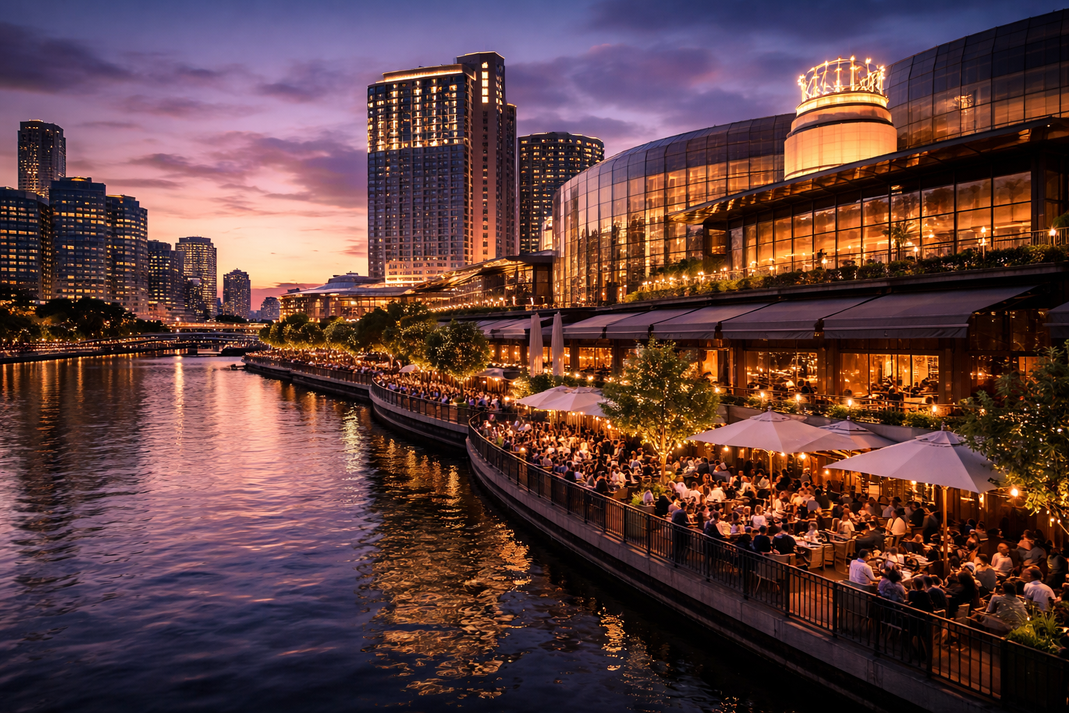
Crown Melbourne Launches AU$200m Southbank Redevelopment
Crown Melbourne is rolling out a AU$200 million redevelopment of its Southbank precinct, with more than 15 new venues, Riverwalk upgrades and a broader hospitality expansion through 2027.
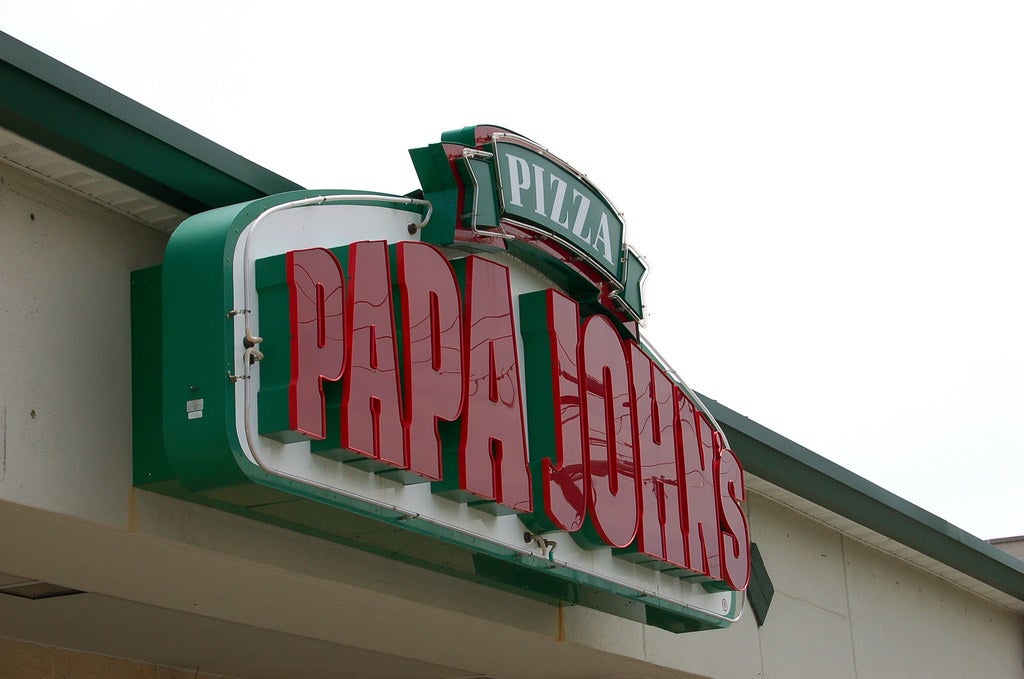
Qatari-Backed Irth Capital Submits $1.5B Bid to Take Papa John’s Private
Irth Capital has reportedly offered $47 per share to acquire Papa John’s and take the pizza chain private.
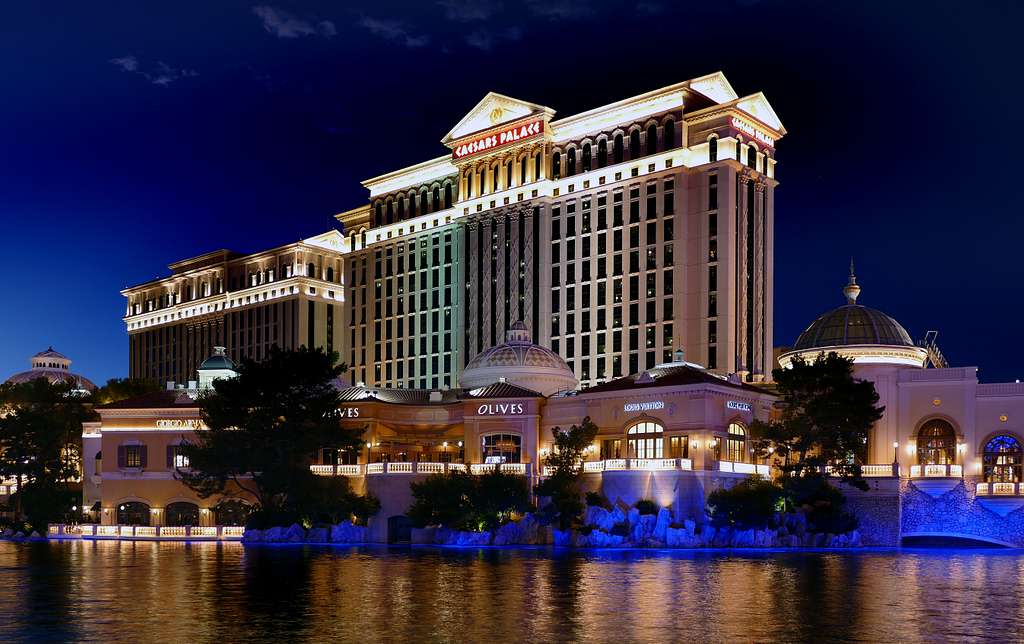
Tilman Fertitta Reportedly in Talks to Buy Caesars Entertainment in $7B Deal
Tilman Fertitta is reportedly negotiating a $7 billion takeover of Caesars Entertainment after topping a competing bid from Carl Icahn.
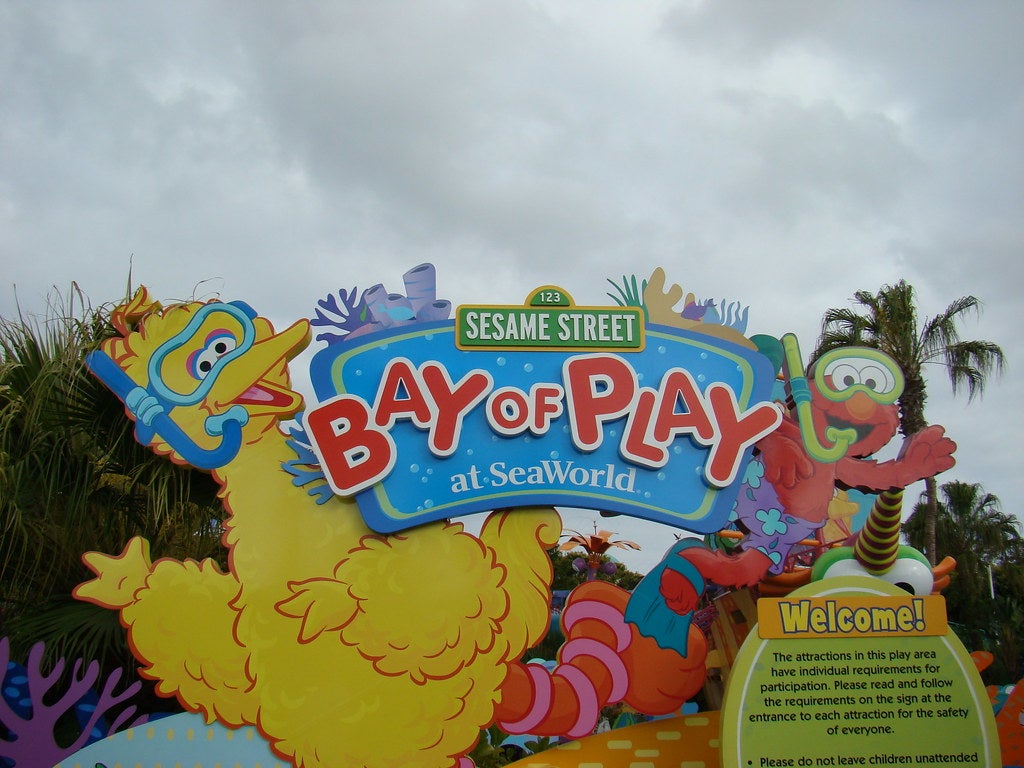
Sesame Street Nonprofit Sues SeaWorld Parent Company Over Unpaid Royalties
Sesame Workshop has sued United Parks & Resorts, alleging unpaid royalties and disputes tied to Sesame Street–themed park operations.

Gambler who lost £250,000 says he “suffered in silence” before seeking help
A man from Bedfordshire who lost more than £250,000 through gambling has spoken publicly about his addiction after completing residential treatment with gambling harm charity Gordon Moody.