

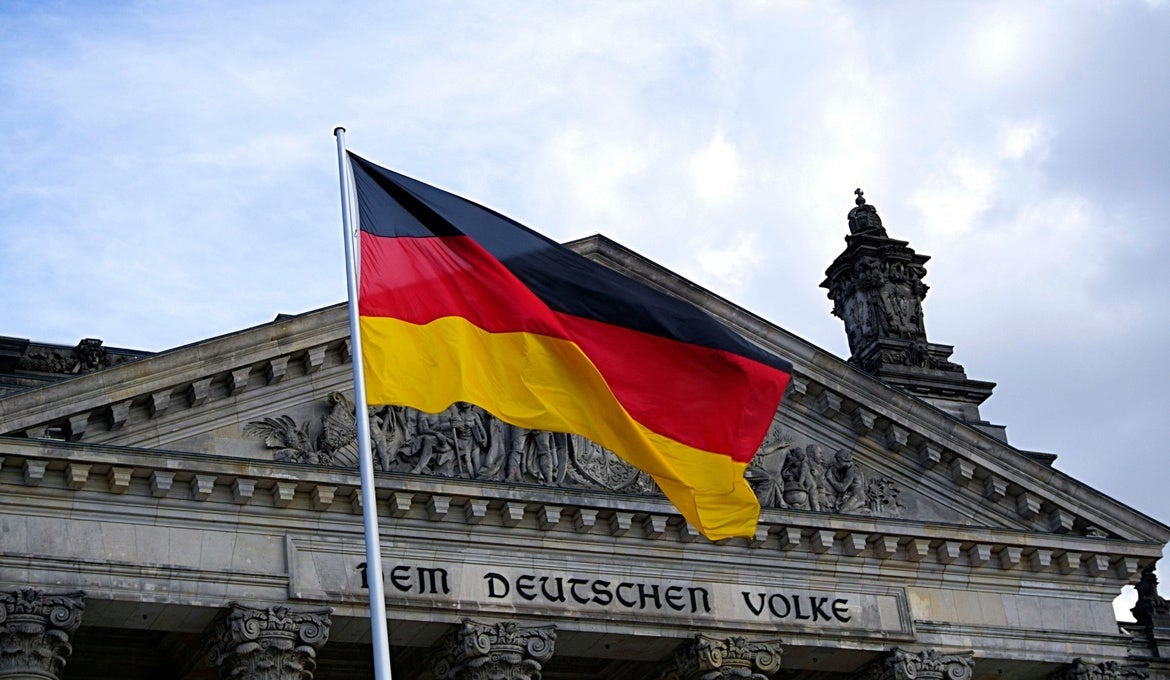
German gambling market enters 2026 facing key court rulings and regulatory tests. Photo by Pexels, CC0

Related News

Why Players Are Moving Away From Traditional Casino Models
Players are choosing faster, simpler casino experiences over traditional platforms as expectations around speed and usability shift.

Church website hijacked and used to promote online casino
A UK church regained control of its website after hackers cloned it and redirected users to gambling platforms.

Gambling Commission appoints Sue Young as operations chief
The Gambling Commission has named Sue Young as Executive Director of Operations, strengthening its leadership team.
William Hill seeks return of funds after jackpot glitch error
William Hill is contacting customers after a glitch credited large winnings, asking for funds to be returned with a partial goodwill offer.

MPs debate gambling tax impact on Gibraltar economy
MPs raised concerns over gambling tax hikes hitting Gibraltar, though black market risks were downplayed.

Germany’s black market gambling spend reaches €547m
Germany’s black market gambling spend rose to €547m in 2024, with channelisation at 77%, according to a new GGL study.

White label gambling deals face UK football sponsorship test
White label gambling deals may avoid a direct ban, but UK consultation leaves uncertainty over football sponsorships.

GamCare boosted by independence approval before levy decision
GamCare gains CQC independence approval as it awaits a crucial decision on funding under the UK’s new statutory gambling levy.
Gambling tax pressure reshapes operator marketing strategies
Rising taxes are forcing operators to cut marketing spend, with long-term implications for competition and player acquisition.

Gambling harm increasingly tied to UK financial distress
Rising debt and record referrals highlight growing overlap between gambling harm and financial distress in the UK.

Evoke edges closer to strategic review conclusion ahead of FY25
Evoke signals progress on its strategic review as FY25 results near, with UK tax changes looming large.

Gibraltar pushes ahead with new Gambling Bill
Gibraltar’s new Gambling Bill aims to modernise regulation, tighten oversight and keep the jurisdiction competitive amid rising UK tax pressure.

CJEU Tipico opinion ramps up pressure on Malta
A CJEU opinion on Tipico suggests unlicensed operators may need to refund losses, increasing scrutiny on Malta’s legal protections.

UK Casinos Shift Focus as Tax Pressure Builds
UK operators are cutting friction, lowering deposits and refining CRM as higher taxes reshape how online casinos attract and retain players.

German Hacker Claims MGA Breach, Threatens iGaming Exposé
Lilith Wittmann says she hacked the MGA and will expose alleged wrongdoing, while the regulator insists the claims remain unsubstantiated.

LGBTQIA+ Communities Face Higher Gambling Harm Risks, UK Study Finds
A UK study has found LGBTQIA+ individuals may face higher gambling-related harms and significant barriers to support, raising concerns over inclusivity in treatment services.

Yes.com Targets Denmark Launch with AI-Led Strategy
Yes.com prepares for Denmark launch with an AI-driven iGaming platform designed to reduce costs and scale across Europe.

Premier League clubs continue gambling sponsorship deals despite UK scrutiny
Premier League clubs are continuing to sign lucrative gambling sponsorship deals, including partnerships with unlicensed operators, as UK government plans for tighter regulation remain unclear.

BGC warns of £60 million in illegal Cheltenham Festival bets
Up to £60 million may have been wagered with illegal betting operators during the Cheltenham Festival, according to the Betting and Gaming Council, as concerns grow over black market activity in the UK.

Incentive Games partners with Rank Group to expand UK real-money offering
Incentive Games has secured a new partnership with Rank Group, bringing its mobile-first real-money titles to a wider UK audience following its recent Gambling Commission licence approval.
Should the EU implement its own harmonised gambling tax?
A proposed EU-wide gambling tax could generate billions for public funding, but legal constraints and national resistance mean the idea remains largely theoretical.

SOFTSWISS and Pentasia unveil 2026 iGaming talent trends in Malta
SOFTSWISS and Pentasia have launched their 2026 iGaming Talent Trends report in Malta, highlighting hiring challenges, AI disruption and tightening talent supply across the sector.

iGaming cyber threats evolving as AI and data risks change industry
Cybersecurity threats facing the iGaming sector have “grown and changed shape”, with AI-driven attacks, identity abuse and supply-chain risks now replacing traditional fraud concerns.
.jpg)
Online sports betting may be driving binge drinking among young men, study finds
A new study suggests that young men who already drink heavily may be more likely to binge drink when engaging with online sports betting, raising fresh questions about the wider social impacts of gambling apps.
.jpg)
Eden Hazard investigated by Belgian regulators after Stake ambassador deal
Former Chelsea and Real Madrid star Eden Hazard is reportedly under investigation by Belgium’s gambling regulator after signing a new ambassador deal with online casino brand Stake.
Travel agent jailed for three years after stealing £500k to fund online gambling
A UK travel agent has been sentenced to three years in prison after defrauding her employer of nearly £500,000 over a 20-month period, with part of the stolen money spent on online gambling.

Alan Spence claims £800k gambling debt unenforceable due to alleged illegal bookmaker
Classic-winning racehorse owner Alan Spence told the High Court that gambling debts of around £800,000 should be void because the bets were allegedly placed with an illegal bookmaker.
Mum who hid gambling addiction paid off £40,000 debt by selling clothes
Rachel Grady said depression and the “buzz” of gambling pulled her into addiction during 2020, leaving her with £40,000 of debt before she rebuilt her finances through online clothes reselling.

Gambler who lost £250,000 says he “suffered in silence” before seeking help
A man from Bedfordshire who lost more than £250,000 through gambling has spoken publicly about his addiction after completing residential treatment with gambling harm charity Gordon Moody.

How UK regulation is shaping the future of European iGaming
As more European countries regulate online gambling, many are looking to the UK’s regulatory framework for guidance. The Gambling Commission’s approach to enforcement and consumer protection is increasingly influencing how operators build platforms and manage risk across the continent.
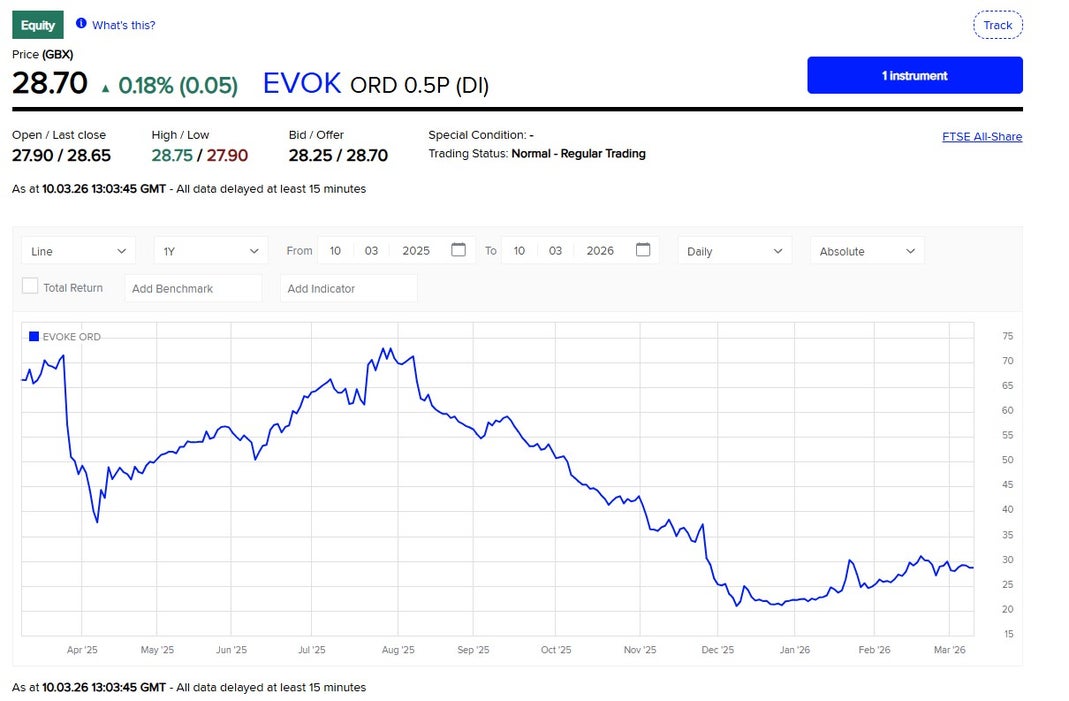
Private equity takeover considered as Evoke faces tax and debt pressure
Evoke has launched a strategic review as new UK gambling tax increases and rising debt put pressure on the business. Analysts suggest a private equity takeover or asset sales could be among the operator’s possible options.

Entain posts £681m loss after UK gambling tax impact
Entain has reported a £681m loss for 2025 after recording a significant impairment charge linked to UK gambling tax changes announced in the government’s November Budget. Despite the loss, the company said underlying revenue continued to grow.

AI chatbots found recommending illegal online casinos to vulnerable users
AI chatbots operated by major technology companies have been found recommending illegal online casinos and advising users how to bypass gambling safeguards. The findings have prompted concern from regulators, campaigners and addiction experts in the UK.