Game Performance
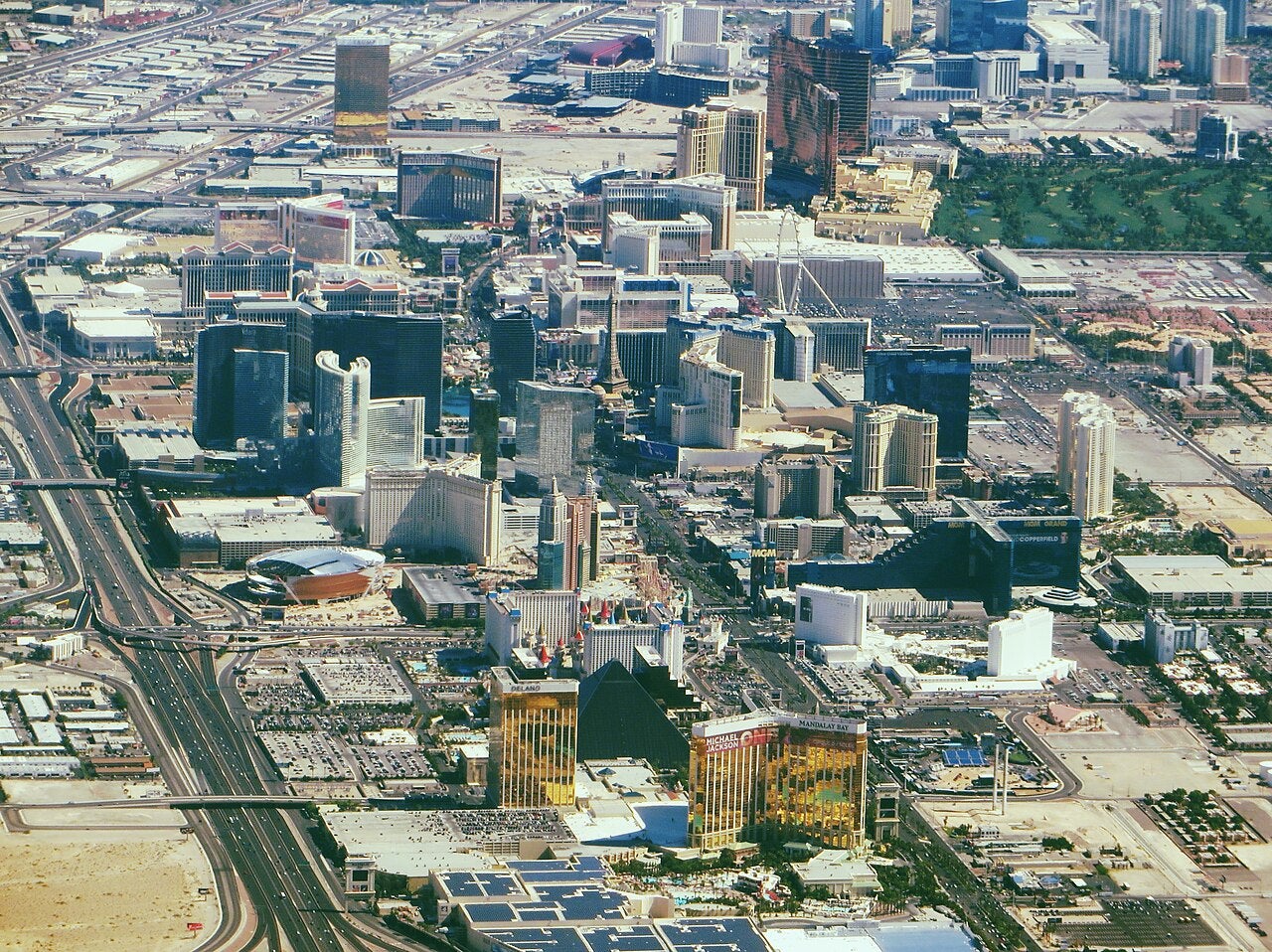
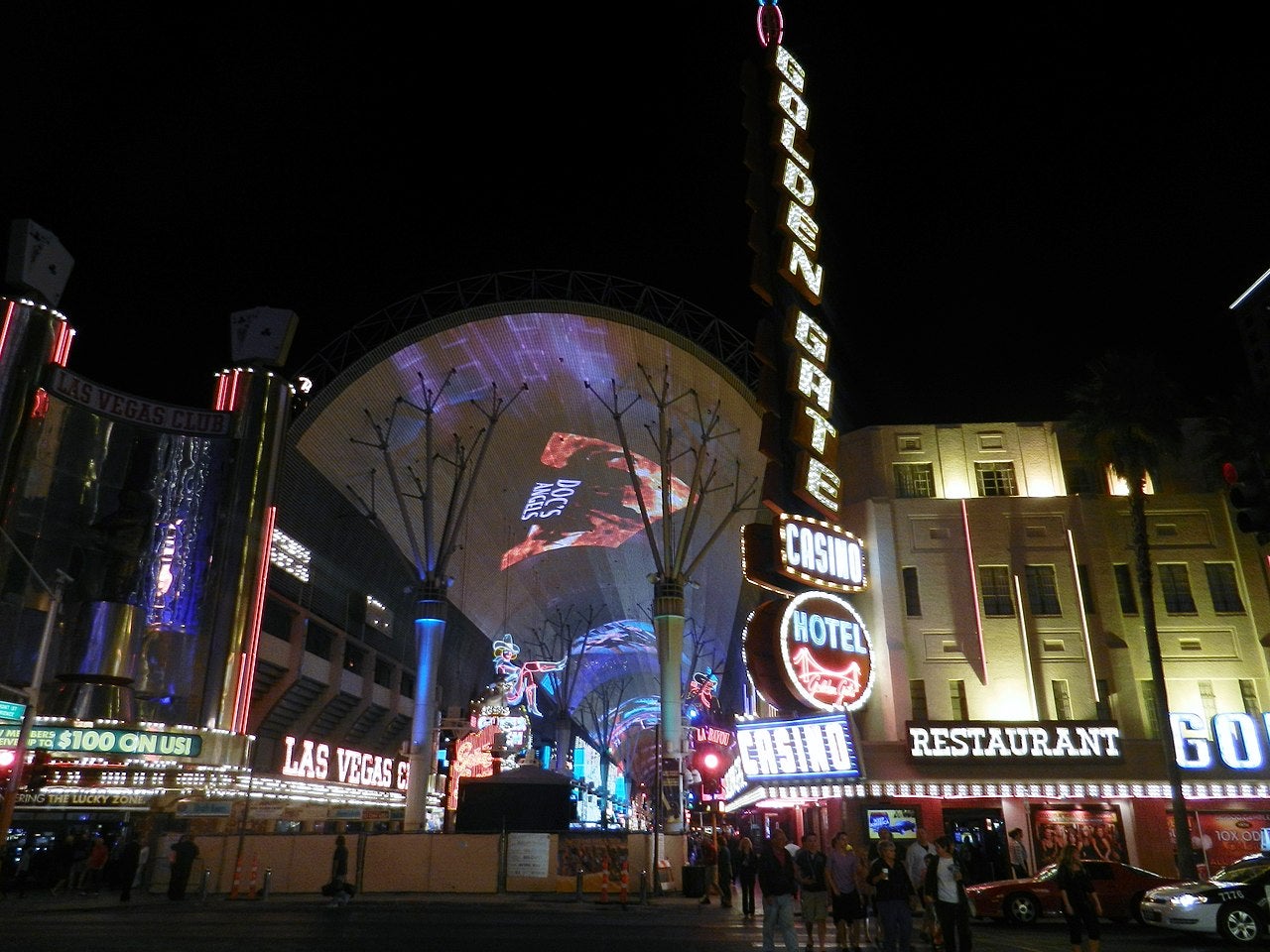
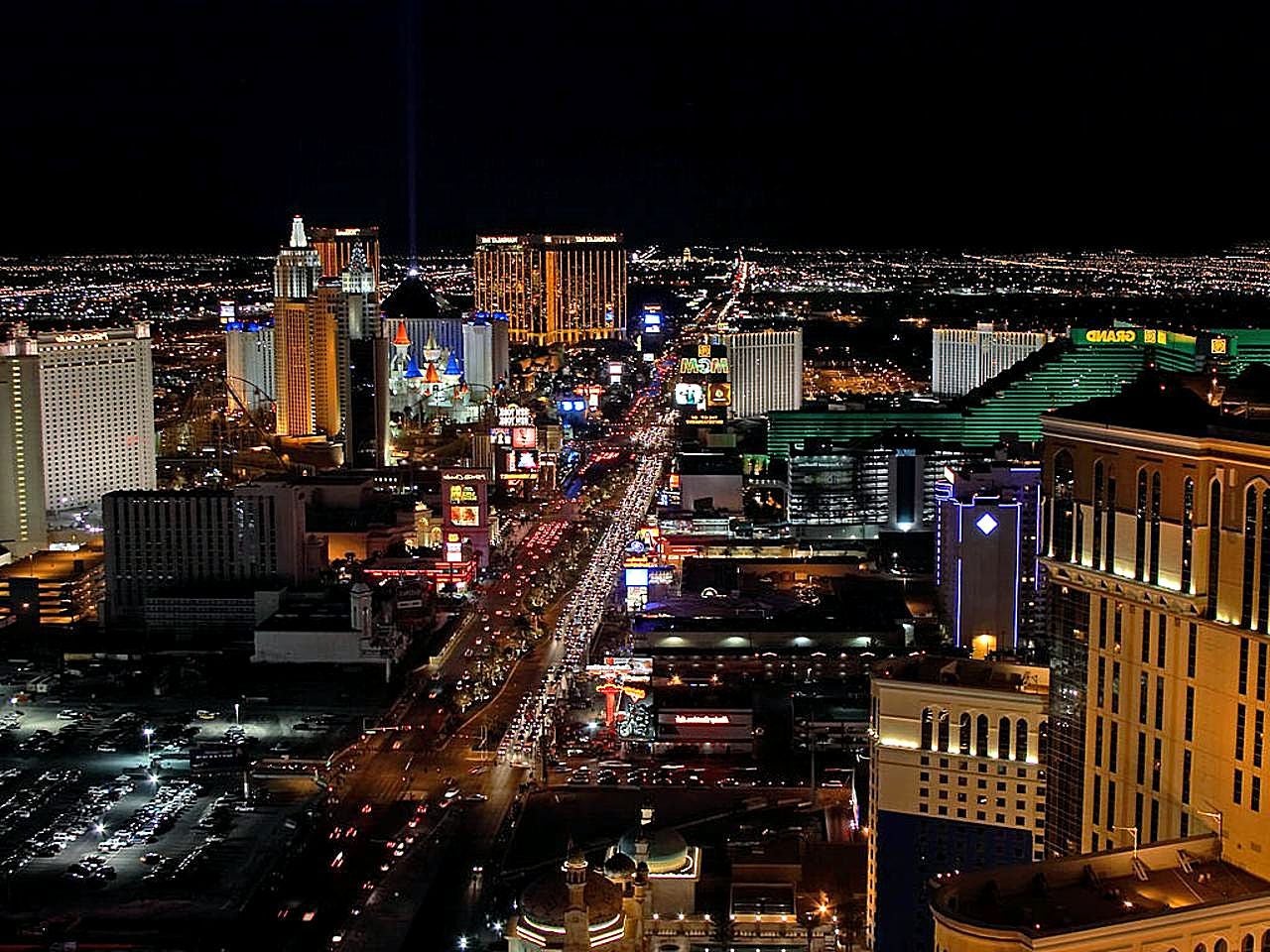
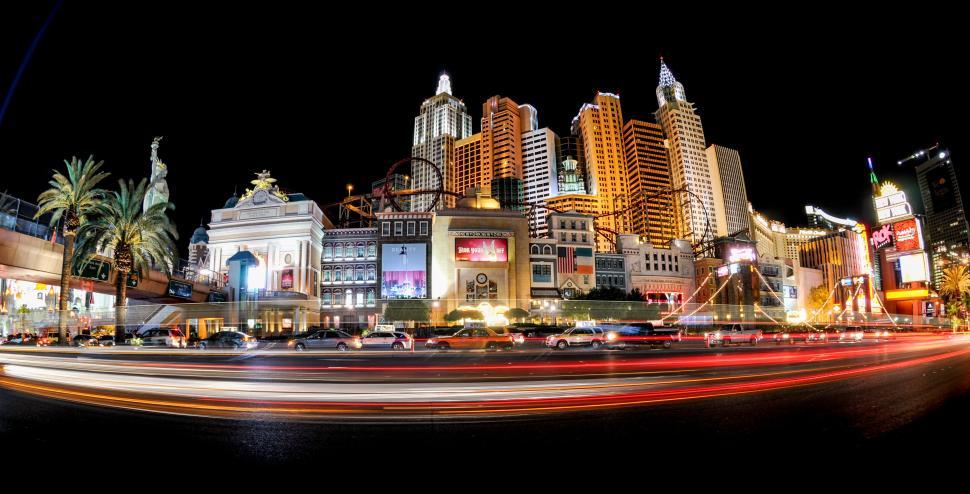
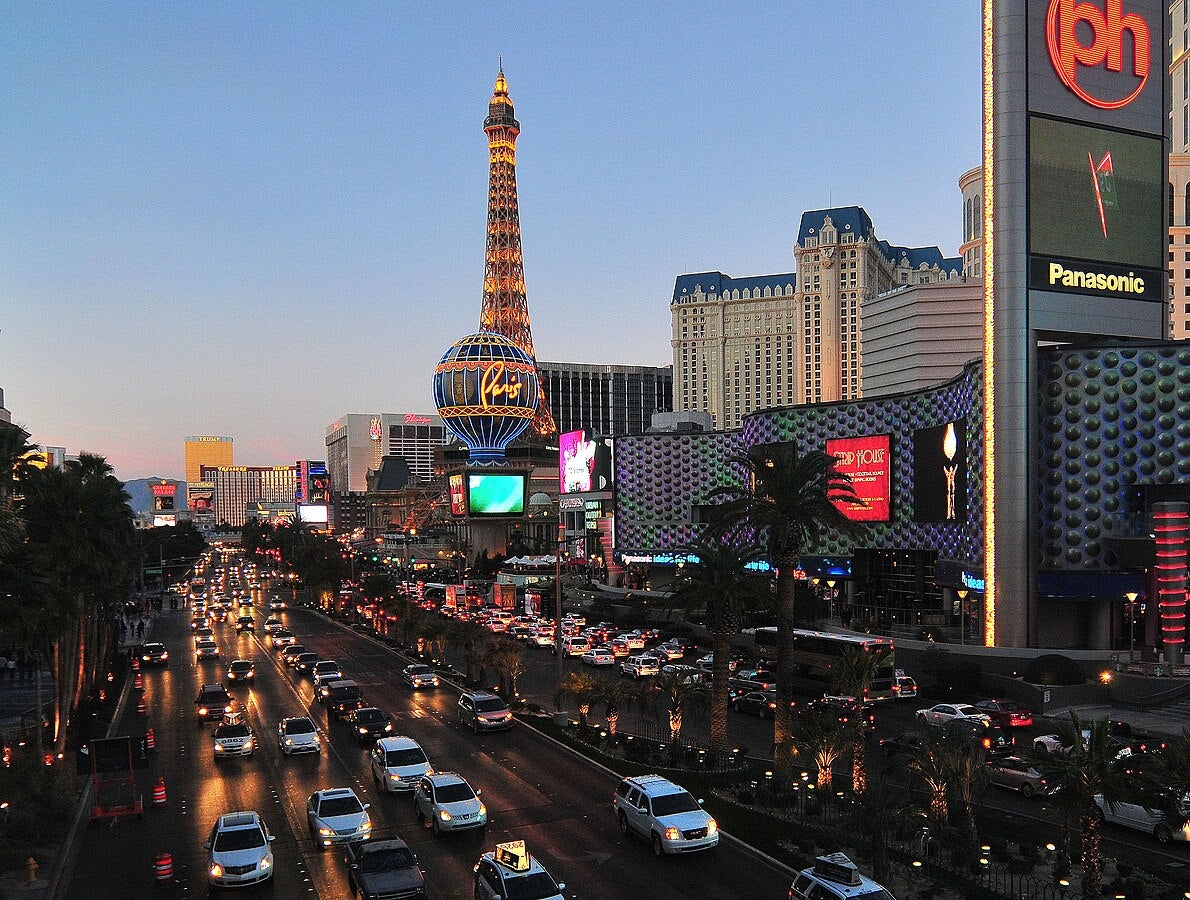
While Nevada’s statewide revenue climbed in November, the Las Vegas strip lagged, per Nevada Gaming Control Board data. Downtown Las Vegas surged 10.3% to US$87.1 million, and Reno casinos rose 7.1% to US$55.6 million, offsetting the Strip’s softness due to weaker table game holds.
Slot machines drove gains statewide, with revenue up 7.7% at a 6.8% hold rate, while table games slumped 6.2% on a 13.9% hold. Baccarat revenue fell 6% despite a 9.2% rise in wagering, as hold rates dropped sharply. Sportsbooks bucked trends with a 7.9% increase, fueled by football outcomes.
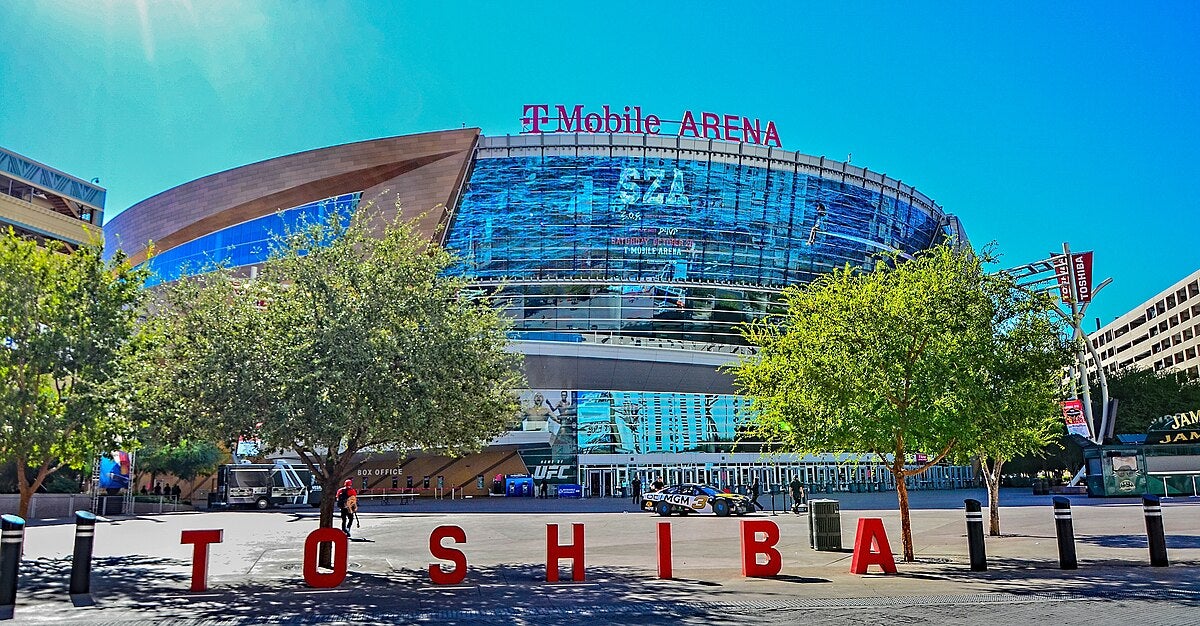
The Strip’s Q4 revenue remains up 3.5% overall, though November’s high-profile events, including F1 and UFC matches, failed to counterbalance tourism declines and pricing pressures. Local casinos led with a 5.8% revenue jump, powered by a 10.8% slot surge to US$211.5 million.
Submarkets Surge as Strip Slips
While the Las Vegas Strip accounted for 58.2% of Nevada’s November gaming revenue, regional markets performed better. The Boulder Strip led with a 20% surge to US$79.5 million, the strongest among 19 tracked submarkets.
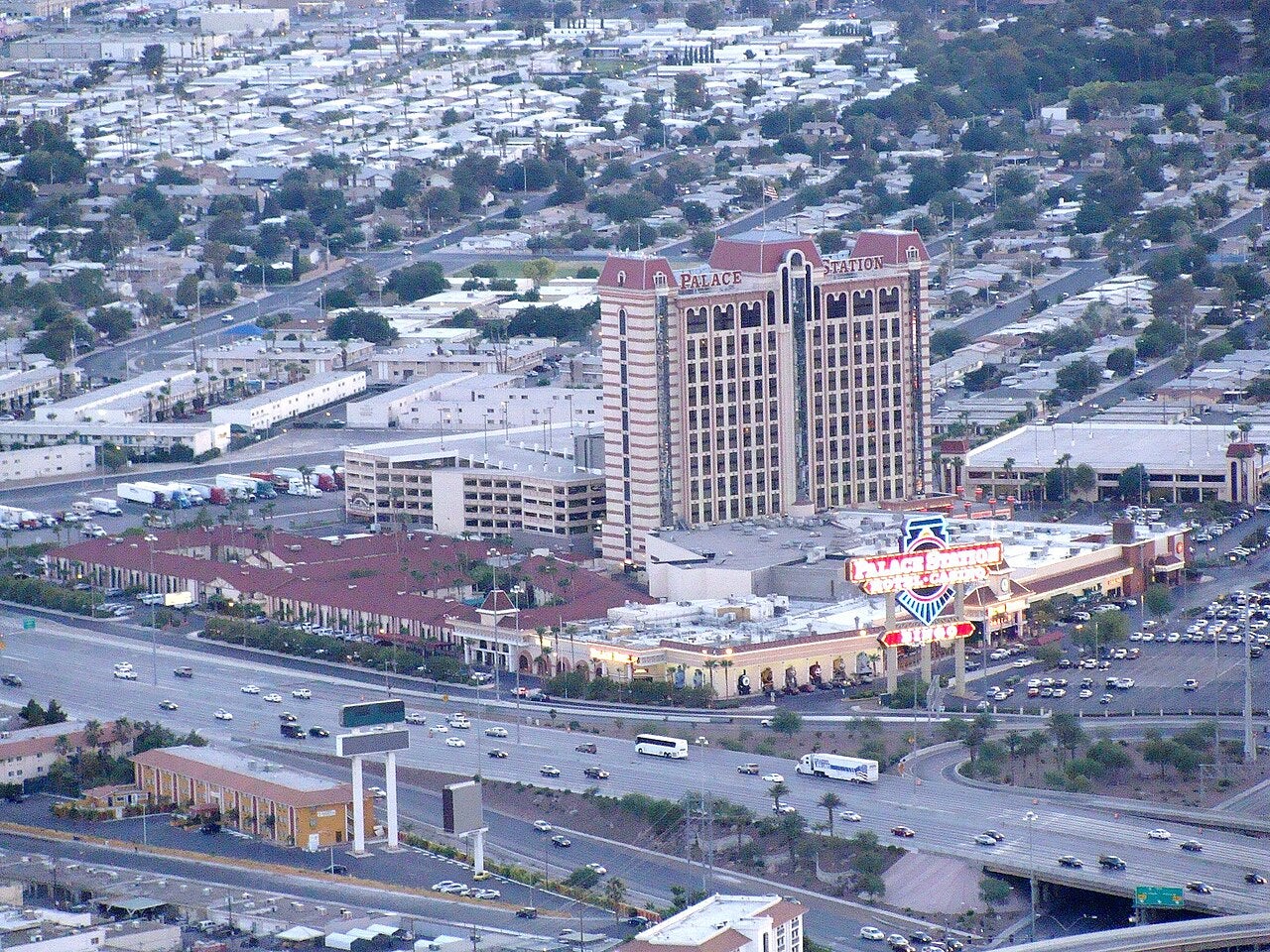
NGCB reported an 11.6% gain in Laughlin (US$38 million), 10.7% in Mesquite (US$18.2 million), and 10.3% in downtown Las Vegas (US$87.2 million). Only five areas underperformed compared to 2024, including South Lake Tahoe, which fell 4.6% to US$13.8 million.
J.P. Morgan’s Daniel Politzer noted Strip volumes aligned with operator reports citing “solid” Formular 1 results and a “fairly normal” 14.7% baccarat hold. Statewide gaming tax collections rose 4.9% to US$513.3 million, continuing Nevada’s streak of over $1 billion in monthly wins.
Tourism Metrics
Las Vegas marked its 11th consecutive month of declining tourism in November, with nearly all key indicators underperforming 2024 levels. Hotel occupancy fell to 79.4%, while average daily room rates dropped 2.9% to $193.04, plummeting 10% downtown to $90.04. Revenue per available room tumbled 8.4% to $153.27.
Highway traffic was a bright spot, showing a 2.4% rise in daily vehicles (134,190) on major routes to Las Vegas and a 2.5% increase at the California-Nevada border (46,040 daily). Air travel was grim, with a 9.6% decline in passenger traffic.




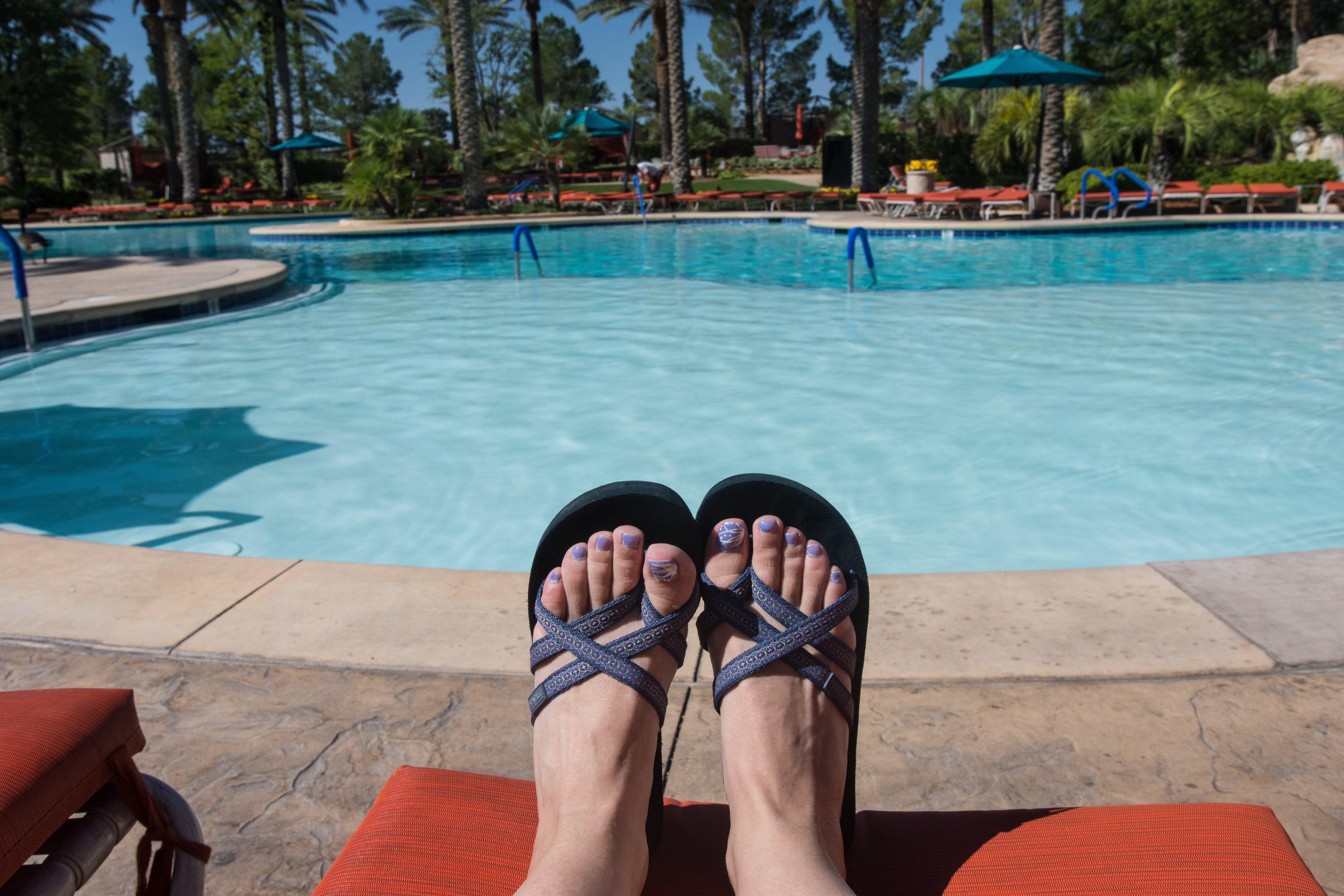
.jpg "Red Rock Casino Resort Pool Area – Las Vegas, Nevada (2013)")