Stadium Progress Despite Relocation Hurdles
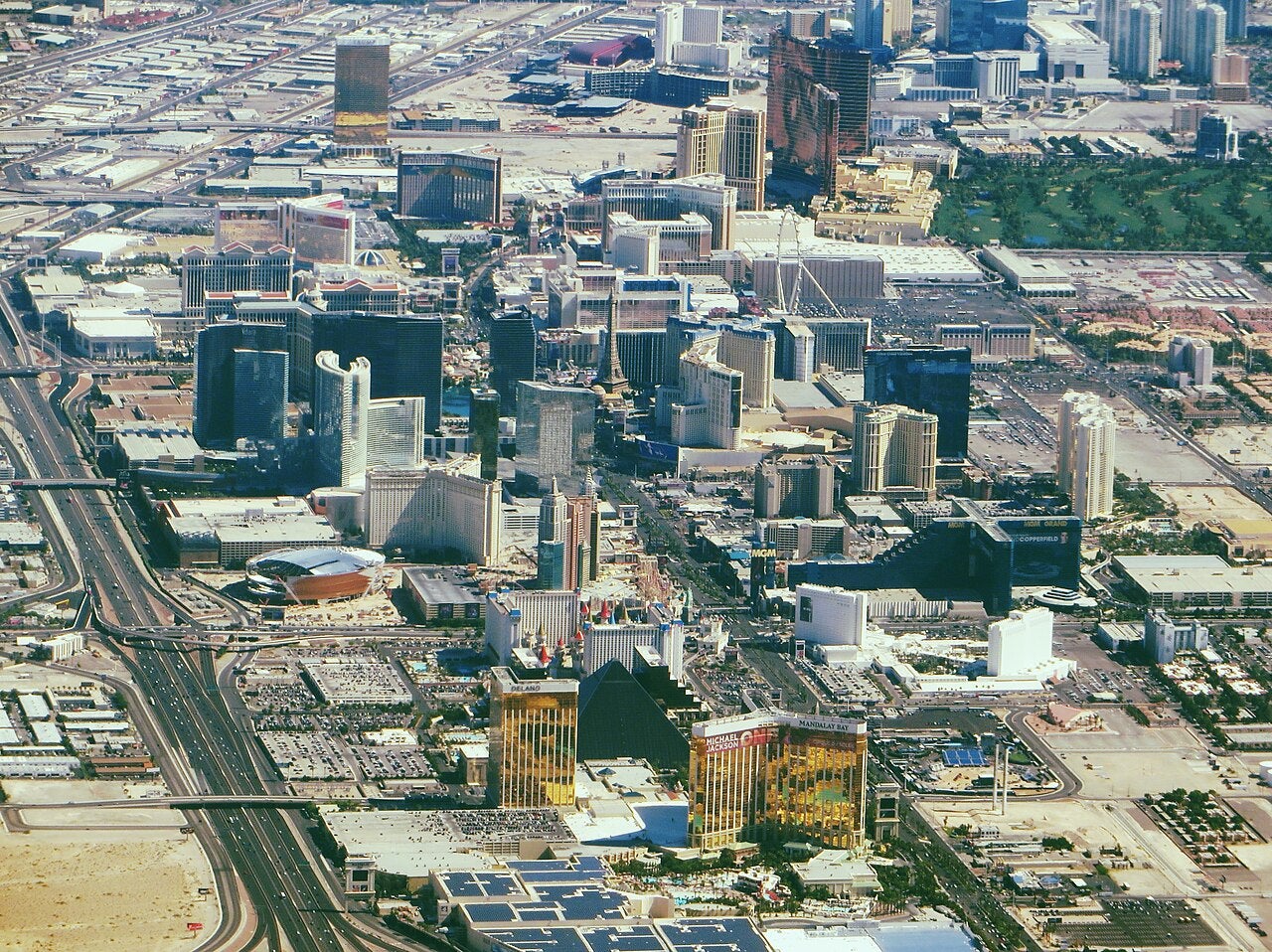
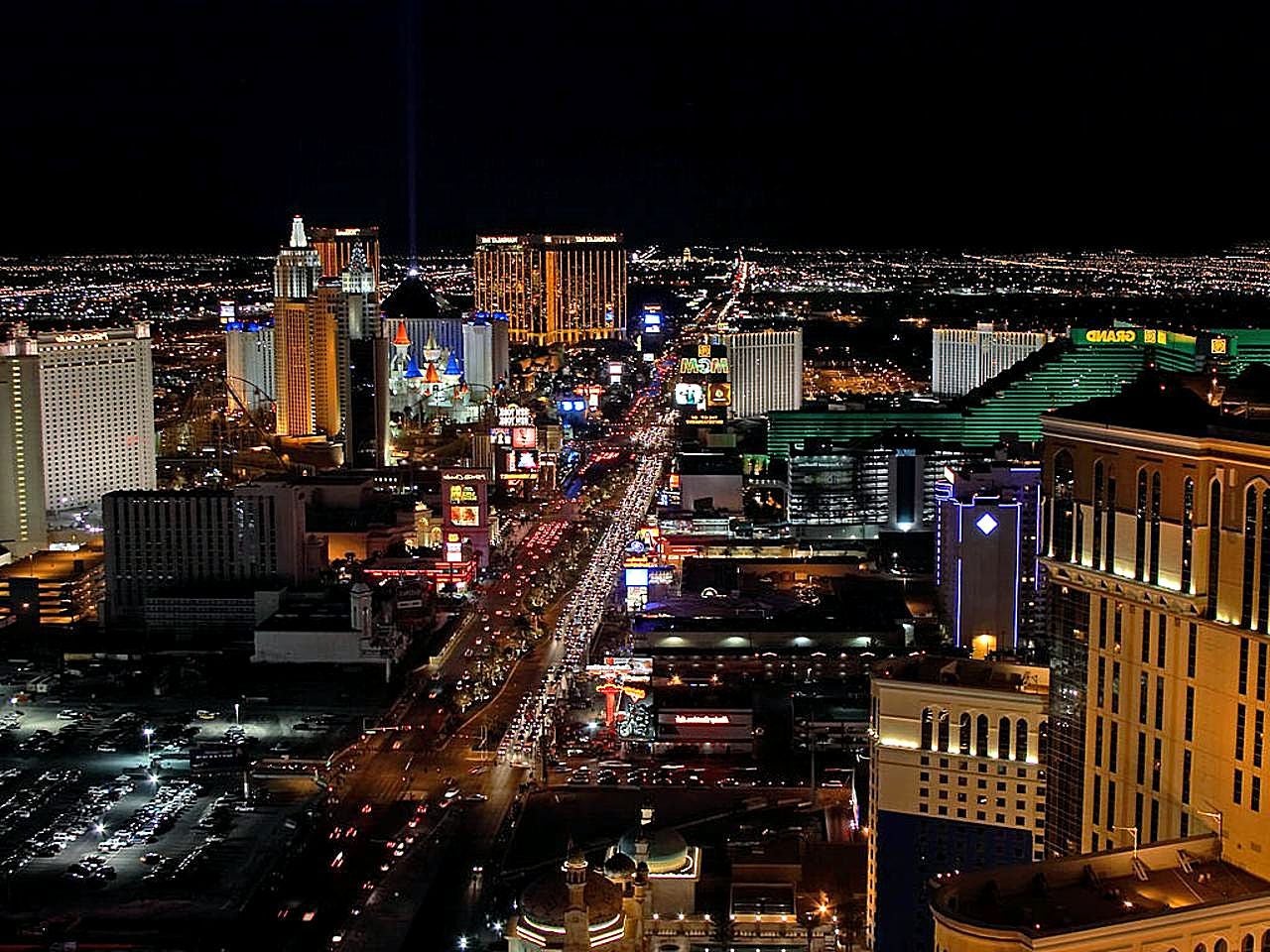
Construction advances on the A’s $2 billion Las Vegas Strip stadium, with club officials confirming that the 33,000-seat venue remains on track for a 2028 opening. This milestone follows years of setbacks, including a failed 2023 state budget bill that delayed initial plans for a 2027 debut and forced the abandonment of their original stadium site.
The relocation effort drew skepticism from former Las Vegas Mayor Carolyn Goodman, who stated in 2024 that the stadium proposal did not make sense and urged the team to reconsider staying in Oakland. Since their 2024 Oakland farewell, the A’s have played in West Sacramento’s Triple-A ballpark, a temporary home shared with their former Bay Area rivals, the Giants. The club continues to use its historic ‘Athletics’ name during this three-season interim period while awaiting its Nevada transition.
Financial Moves and Roster Investments
Nevada taxpayers and Clark County officials have committed up to $380 million in public financing for the A’s Las Vegas ballpark, with the team pledging to fund remaining costs through private capital. Principal owner John Fisher continues to court additional investors to finance the project.
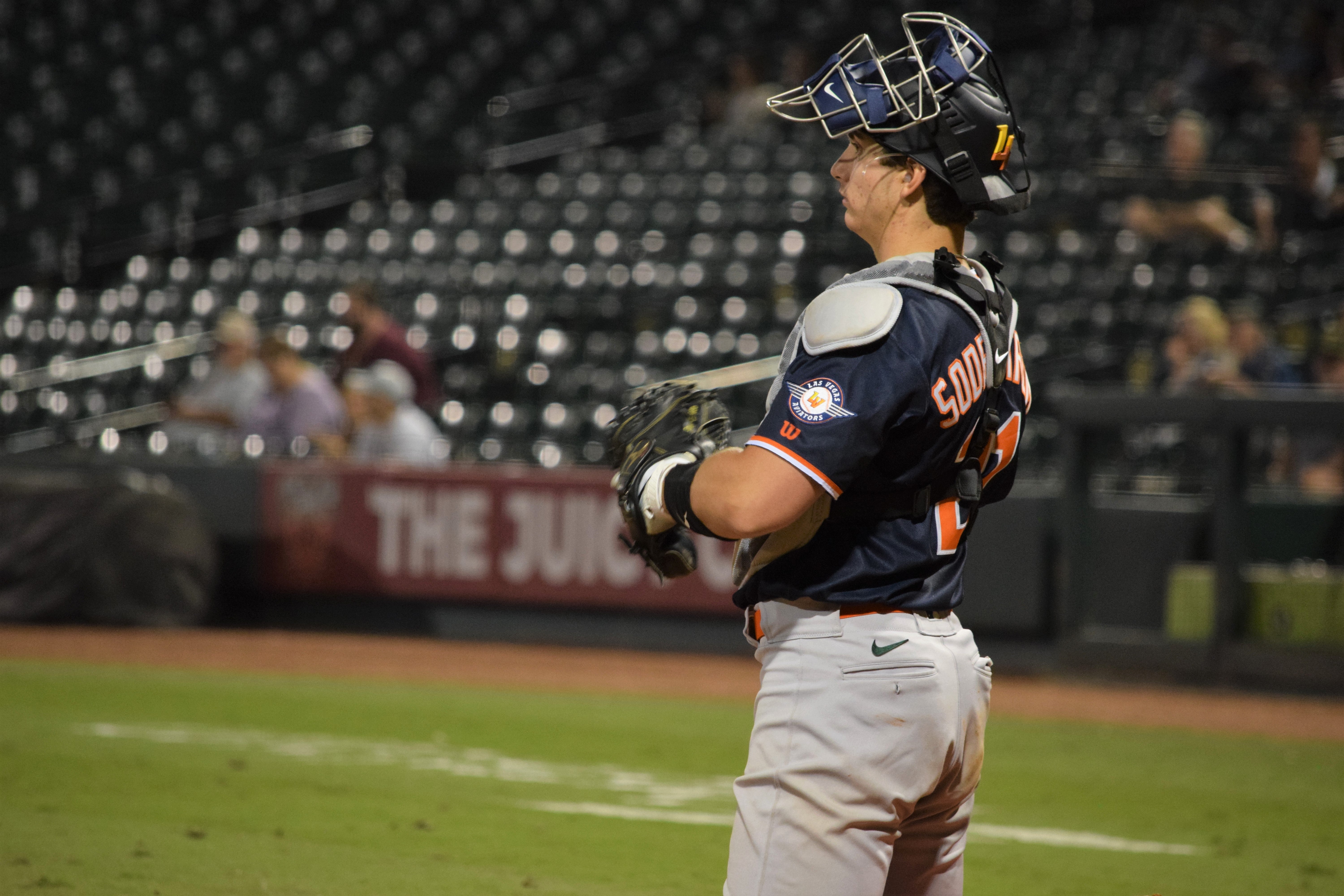
On the field, the franchise is making historic investments, headlined by December’s $86 million, seven-year agreement with left fielder Tyler Soderstrom. This marks the largest contract in the team’s history, inked at their Las Vegas Experience Center. The offseason also saw the acquisition of Mets infielder Jeff McNeil on December 22, as well as extensions for sluggers Brent Rooker ($60 million/5 years) and Lawrence Butler ($65.5 million/7 years). Manager Mark Kotsay’s contract now aligns with the Vegas move, extending through 2028 with a 2029 option.
Trademark Hurdle
Industry experts attribute the trademark rejection to fundamental branding conflicts. “The A’s are trying to trademark something that’s been part of baseball’s public domain for over a century,” explained sports analyst Rafael Nam. “You can’t suddenly claim exclusive rights to a term that’s been generic since the McKinley administration.”





.jpg "Red Rock Casino Resort Pool Area – Las Vegas, Nevada (2013)")