White-label sponsorship
Operators without a UK licence can access British audiences through white-label partnerships with locally licensed companies. This is legal. Critics argue they create a loophole that undermines regulatory standards.
“When placing a bet on the big match, fans deserve to know the sites they’re using are properly regulated, with the right protections in place. It’s not right that unlicensed gambling operators can sponsor some of our biggest football clubs, raising their profile and potentially drawing fans towards sites that don’t meet our regulatory standards.” – Culture Secretary Lisa Nandy
The government has stressed that clubs are not currently acting unlawfully.
Political pressure
In February 2025, Stake lost its UK licence but continued sponsoring Everton. This brought attention to how sponsorship structures operate. And whether current safeguards are sufficient.
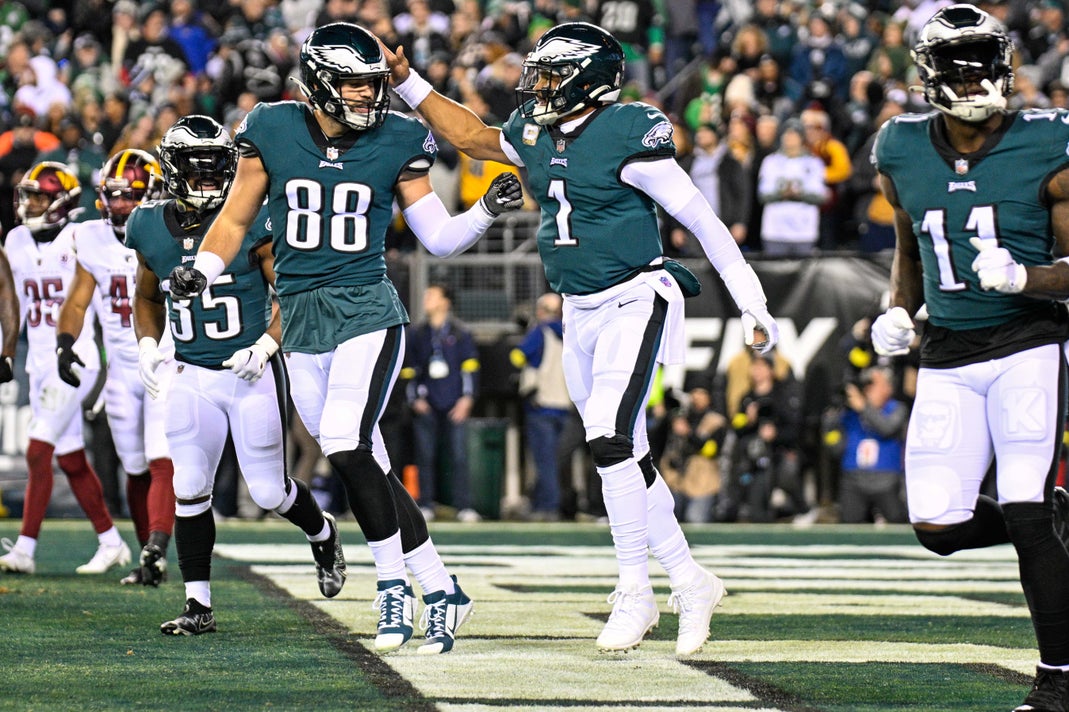
Other clubs like AFC Bournemouth, Sunderland A.F.C. and Wolverhampton Wanderers have held agreements involving white-label partners.
“We know the real harm that unregulated gambling can cause, exploiting vulnerable people and leaving consumers without the protections they deserve. This consultation, alongside the work of our Illegal Gambling Taskforce, shows how seriously this government is taking the issue. We will not hesitate to act where we see people being put at risk.” – Baroness Twycross, Gambling Minister.
The review also aligns with the government’s Illegal Gambling Taskforce, which is working with companies like Google, Visa, Mastercard and TikTok to disrupt illegal advertising and payment flows.
A shift
The consultation comes ahead of the Premier League’s front-of-shirt gambling sponsorship ban. This will take effect at the end of the 2025–26 season. Shirt fronts will be removed, but sleeve sponsorship and pitch-side LED advertising are still allowed.
Industry observers have suggested operators may pivot towards global partnership structures or competition-level deals to retain brand exposure.
For licensed operators, the change could create a more level playing field. For clubs, it may limit sponsorship options. For policymakers, the question will be whether restricting brand visibility meaningfully reduces consumer harm.
The consultation is expected to launch this spring. Legislation is possible if ministers conclude further intervention is required.





_for_$2.25_Billion.jpeg "Clorox to Purchase Gojo Industries (Purell Maker) for $2.25 Billion")