South Carolina looking at casino, sports betting
Lottery tickets are the only form of legalized gambling in South Carolina. There have been past attempts at legalizing sports betting and other forms of gaming, although they have all been in vain.
Senate Bill 444, the sports betting bill, aims to make South Carolina the 40th state to legalize sports betting. If approved, the only southeastern states without sports betting would be Georgia and Alabama.
The bill was heard in the Senate Committee on Labor, Commerce and Industry on Wednesday, but it did not receive a vote.
House Bill 4176, meanwhile, would authorize construction of a casino on Interstate 95. It was heard for the first time in late January, before it was sent back to the House Ways and Means Committee.
A proposed amendment to allocate 35 percent of revenue from the casino’s privilege tax to the state’s Conservation Bank and another 30 percent to the Veterans’ Trust Fund has been floated as a solution to the bill’s stagnation.
Greenville businessman Wallace Cheves, a businessman whose involvements include projects in real estate, gaming, manufacturing, and sports, is one of the most prominent voices supporting the bill.
“It has been a dream of mine to bring economic development in the from the gaming world to South Carolina,” said Cheves, who helped launch Two Kings Casino in Kings Mountain, North Carolina.
Contrasting viewpoints
It’s no secret that the gaming industry can be lucrative for business owners and both state and local governments.
According to Cheves, an economic development study estimated that a South Carolina casino would fetch more than $100 million in annual tax revenue from a casino with slot machiines and live-dealer games.
“Surprisingly, I've had folks that are staunchly against the bill that have resurfaced and asked us about the amendment,” Cheves said. “That has actually motivated some people to take a second look at the bill.”
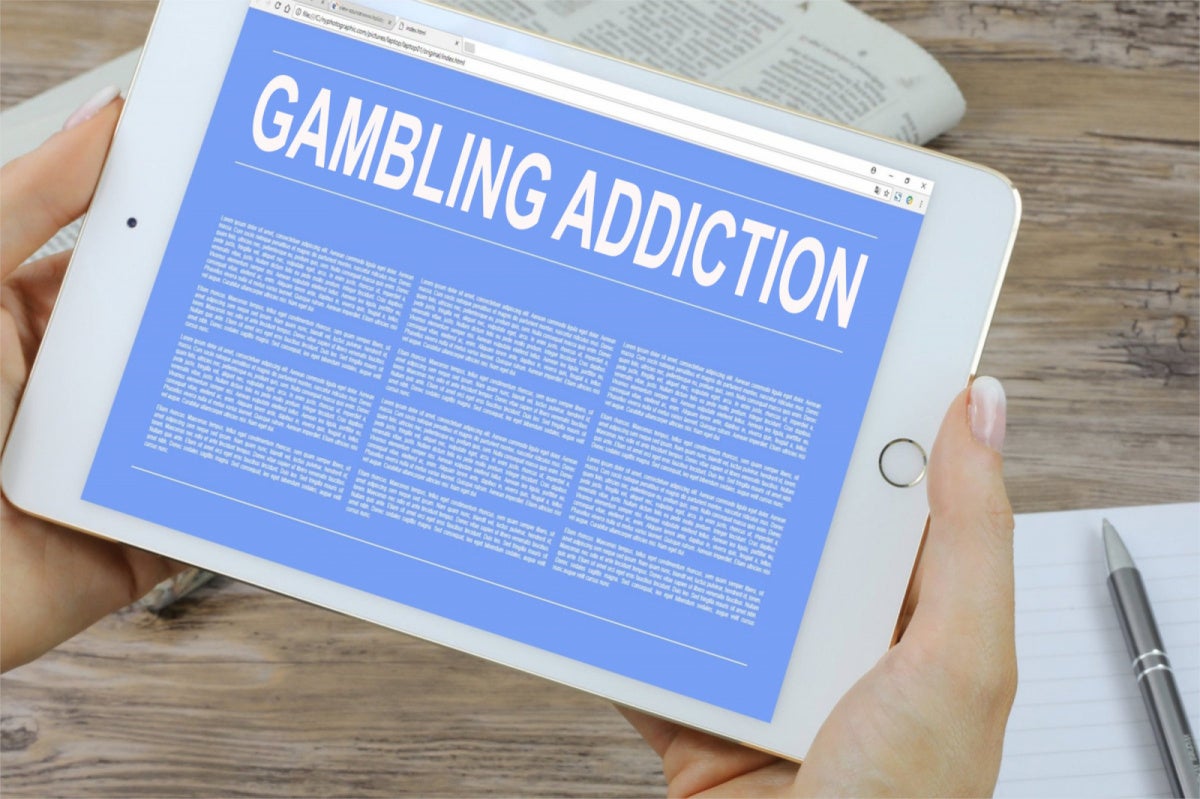
In a claim that is familiar to those monitoring legislative battles involving gaming, critics of the bills suggest that the personal and social issues created would outweigh the tax funding.
Sara Goldsby, director of the Office of Substance Use Services at the state’s Behavioral Health and Developmental Disabilities agency, said that gambling releases less dopamine over time, leading consumers to feel enticed to exhibit riskier behaviors.
“If South Carolina makes more gambling legal in the state, we would need more behavioral health providers to become qualified in delivering services for gambling disorders,” she said.






.jpg "bonus")