Early operator interest builds
Despite stricter rules, interest appears steady. Industry advisers report applications from existing operators transitioning from the old regime, UK-facing brands seeking expansion and European groups exploring incremental growth.
At present, the focus is predominantly B2C betting. B2B licensing will follow later in the phased rollout.
However, competition will be tight. Under the previous system, around 30 to 40 betting licences were already active. With new entrants exploring the market, scale and differentiation will be critical.
Ireland is attractive, but it is not an easy win.
Stronger powers and sharper enforcement
The GRAI describes its framework as grounded in prevention, protection and evidence-based regulation. Operators must complete a substantial application process and, once licensed, submit compliance reports confirming adherence to licence conditions and statutory obligations.
The regulator now holds significant authority.
There are more than 30 criminal offences under the Act, with some carrying custodial sentences of up to eight years. The GRAI can also seek court orders to block illegal gambling access and payment flows.
For now, enforcement focuses on betting. Remote gaming will be brought fully within scope in due course.
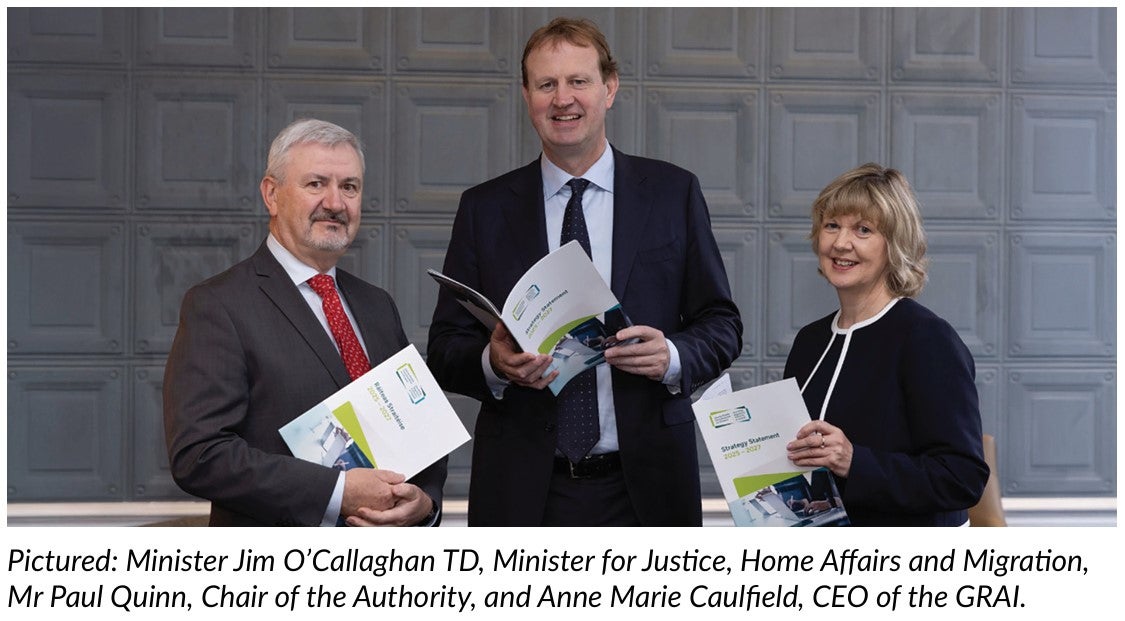
"In October, Jim O’Callaghan TD, Minister for Justice, formally launched our Strategy Statement 2025 – 2027. The Strategy Statement sets out our initial roadmap with a focus on building robust systems for licensing, compliance, and enforcement, protecting the public and assisting in addressing gambling related harms, and engaging with stakeholders." - Anne Marie Caulfield, Chief Executive Officer of the Gambling Regulatory Authority of Ireland, Newsletter 5, Dec '25.
Advertising, inducements and legal friction
Legal uncertainty remains around certain provisions. Advertising rules prohibit content “likely to” cause specified harms, but interpretation may prove contentious.
The Act also introduces a broad ban on inducements. The scope of what qualifies as an inducement has yet to be tested.
Notably, the definition of “relevant officer” is wide. Senior managers and governance figures may face personal criminal liability for non-compliance. That marks a clear escalation from the previous regime.
Disputes and legal challenges are expected as the framework beds in.
The UK tax factor
Developments across the Irish Sea are shaping strategy.
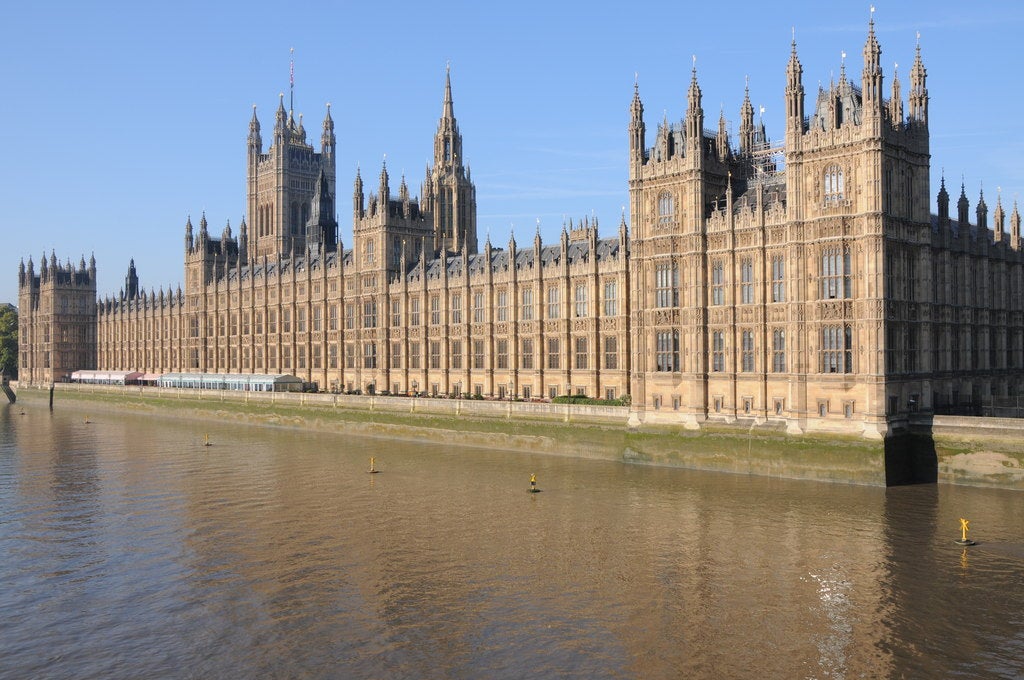
Recent UK gambling tax increases have narrowed margins for many operators. Ireland offers an English-speaking, culturally aligned market with a regulatory structure influenced in part by the UK model.
Licensing fees and Social Impact Fund contributions are designed to be proportionate to operator size and turnover. Stability will be key.
If taxation or regulatory burdens rise sharply, operators warn that activity could shift toward unlicensed markets.
A meaningful alternative?
Ireland’s new framework is neither symbolic nor soft. It is structured, muscular and ambitious.
Early interest suggests operators see opportunity, particularly as they diversify beyond the UK. Yet the market is relatively small and already competitive.
Success will hinge on predictability. Clear guidance, consistent enforcement and measured implementation could position Ireland as a credible secondary hub for regulated operators.
Heavy-handed or uncertain application may produce the opposite effect.
For a country that exported betting expertise while regulating lightly at home, the reset is overdue. Whether it transforms the market will depend less on the law’s ambition and more on how it is applied in practice.










_for_$2.25_Billion.jpeg "Clorox to Purchase Gojo Industries (Purell Maker) for $2.25 Billion")