


Photo by Flickr, CC BY 2.0, via Wikimedia Commons

Related News

New York Sees Record Handle for The NFL’s Opening Week
New York’s State Gaming Commission’s weekly revenue report showed a record handle for Week 1 of the NFL season. However, New York bettors won at a high rate, leading to the second-lowest weekly GGR of the fiscal year.
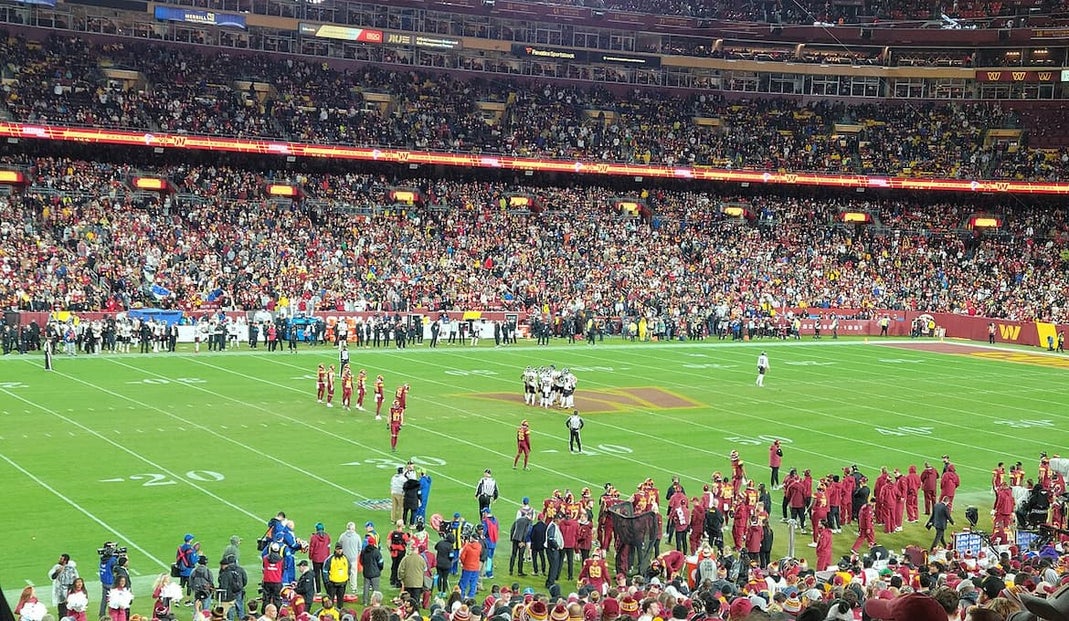
FanDuel Launches New Interface With Prime Video For NFL Fans
Prime Video viewers can now link their FanDuel accounts to their Thursday Night Football Streams. This will allow them to track backs and live odds throughout the game. The feature is part of FanDuel's broader focus on the NFL season.
Will This Football Season Bring Tax Changes for Sportsbooks?
The football betting season is underway, but it features higher tax rates and a more robust prediction market industry. The season will help show the impacts of both, and could lead states to reconsider their tax systems.

Sports Leagues Request Increased Penalties for Harassing Bettors
US sports leagues sent a letter asking regulators to deliver lifetime sports betting bans for harassment. It also highlighted examples of how the issue is impacting athletes, coaches, officials, and other staff. Currently, only four states have implemented lifetime bans.

BetMGM, Minnesota Vikings Reach Canada Sports Betting Deal
The Minnesota Vikings have announced BetMGM as their official gambling partner in Canada. The deal will allow the operator to use the Vikings brand on its sportsbooks and casino platforms, which are currently available in Alberta and Ontario.

New Nebraska Coalition Forms to Oppose Online Sports Betting
A group named Save Nebraska Sports launched this week, promising to fight against the legalization of sports betting. The group consists of lawmakers and former Nebraska Cornhusker football coaches, who will encourage voters to reject the industry in November.

Missouri Reports Jump in Sports Betting Tax Revenue For July
Missouri saw fewer wagers in July than the month before, but still saw a spike in tax revenue from the World Cup. Retail sports betting saw wagers decline for the fifth straight month, with many bettors opting to use online sportsbooks.

Yahoo! Inks Deal to Boost Sports Betting Data & Coverage
Yahoo Sports signed a deal with Better Collective to upgrade its sports betting features. The deal will add more data and betting coverage and integrate the company’s Playbook tool. This will officially end BetMGM’s time as the company’s exclusive betting partner.
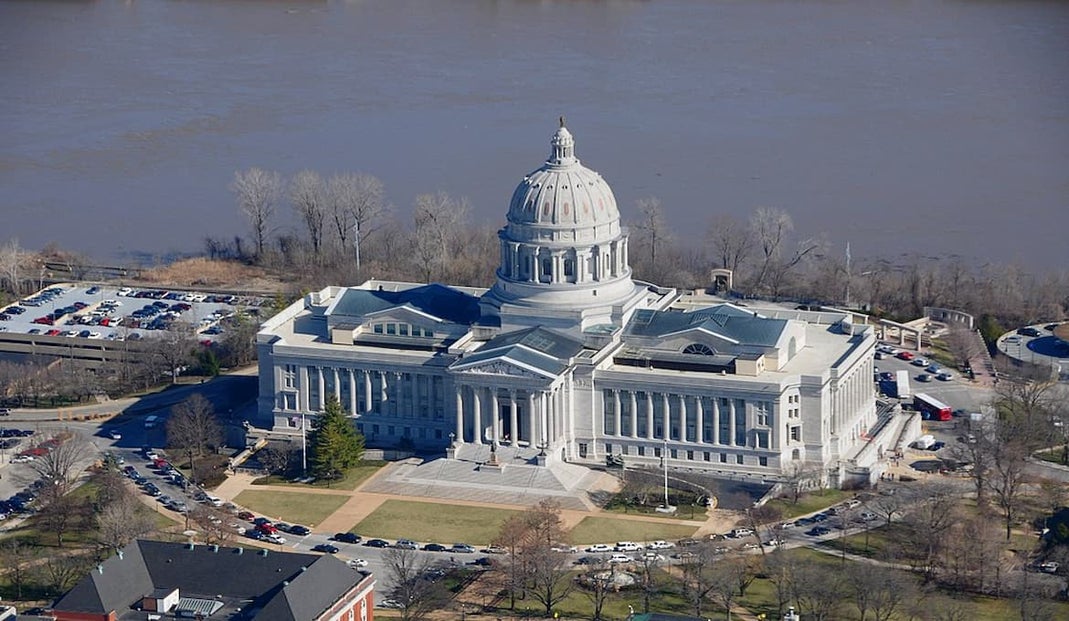
Missouri AG Looks to Protect Its Market From Sports Contracts
Missouri’s Attorney General says she believes sports markets should be regulated and taxed the same as sportsbooks. She did not promise lawsuits or other actions against the industry, but her words show it continues to lose support across the US.
Aaron Donald Has Comeback Player of the Year Odds, But Does He Qualify?
Aaron Donald is among the Comeback Player of the Year contenders, despite returning from retirement rather than injury or illness.
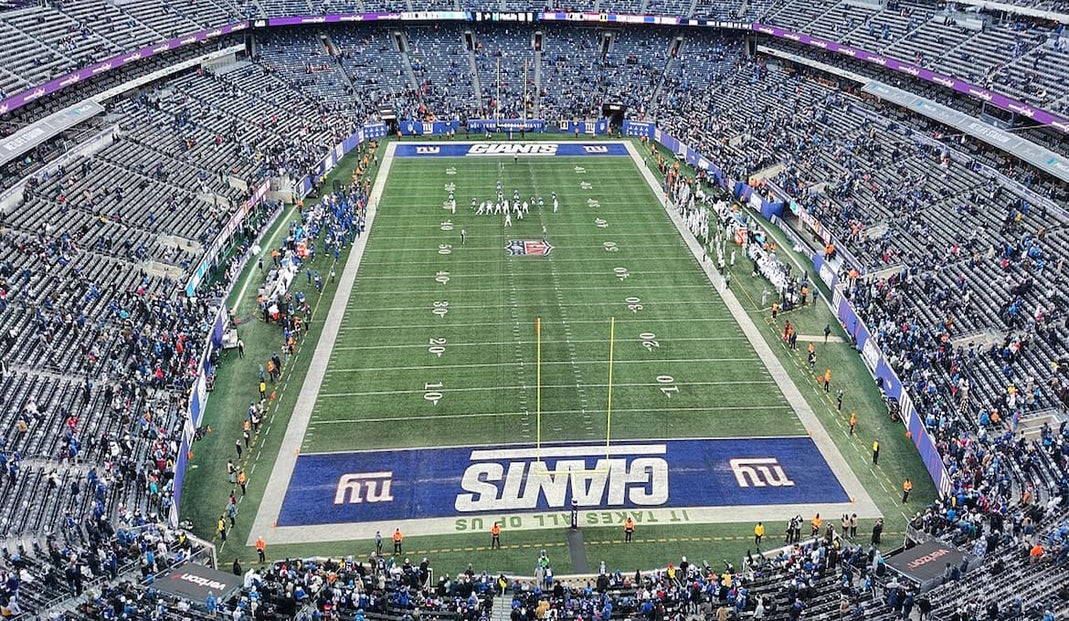
AGA Predicts Little Growth for the 2026 NFL Season Handle
The AGA predicts minimal growth for the NFL season, putting it flat with last year’s results. The group blamed the rise of sports prediction markets for the poor projections and highlighted the dangers the rival industry presents.
Fanatics Launches New App Combining Casino, Sports Platforms
Fanatics launched a new app combining its sportsbook, prediction, and casino platforms. It’s already live, making it available for the start of the football season. The launch comes soon after Fanatics became an official betting partner of the NFL.
DraftKings Announces National Promo To Celebrate Football Season
DraftKings has announced a new “DraftKings Gameday” promotion to celebrate the start of the football season. It will offer bonuses, giveaways, and even free gas in select cities. The promotion will also highlight the operator's expansion of sports prediction markets.

California IGA Head Calls on Kalshi to Join Regulated Market
California’s Indian Gaming Association Chair Victor Rocha called for Kalshi to join the regulated betting market. He argued that sports betting offers a chance at higher revenue, while allowing the operator to end its costly legal battles.

North Carolina Tax Increase Delivers Spike in Tax Revenue
North Carolina saw a spike in sports betting handle and tax revenue in July, the first month under its new tax rate. The World Cup played a large role in the success, making it hard to gauge the tax's true impact.
NFL Renews DraftKings, FanDuel Sports Betting Partnerships Following Fanatics Deal
DraftKings, FanDuel and Fanatics have signed multi-year deals as official NFL sports betting partners, with Fanatics also adding an online casino partnership.

DraftKings Launches Sports Prediction Markets in California
DraftKings has officially launched sports markets on its prediction platform in California, where sports betting remains illegal. As a result, the operator is risking a conflict with the state and its tribes, which are fighting to keep sports markets out.
MGM Announces Upgrades Are Coming for Its BetMGM Sportsbook
MGM has announced new upgrades to its BetMGM Sportsbook platform ahead of the football season. The upgrades focus on improving performance and making it easier for bettors to manage their wagers in hopes of winning bettors over from rival platforms.
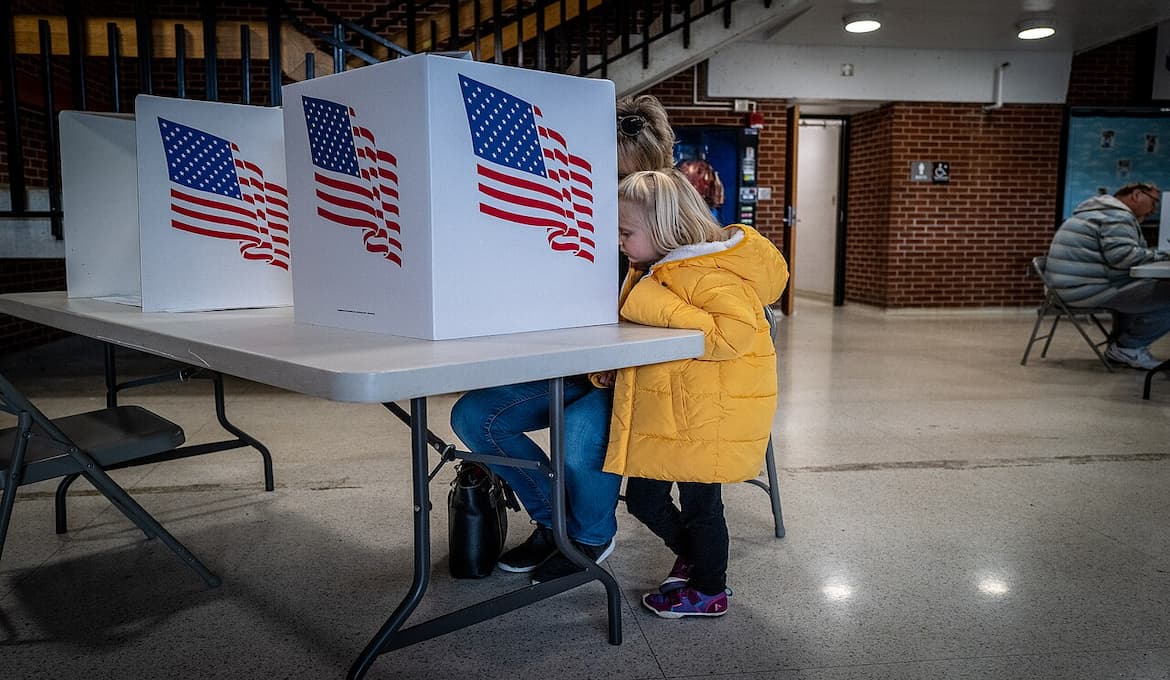
Nebraska Sports Betting Petition Passes After Investigation
A petition to put online sports betting in Nebraska on the ballot in November has been approved. The news comes after the Secretary of State announced a signature fraud investigation into it and several other active petitions.
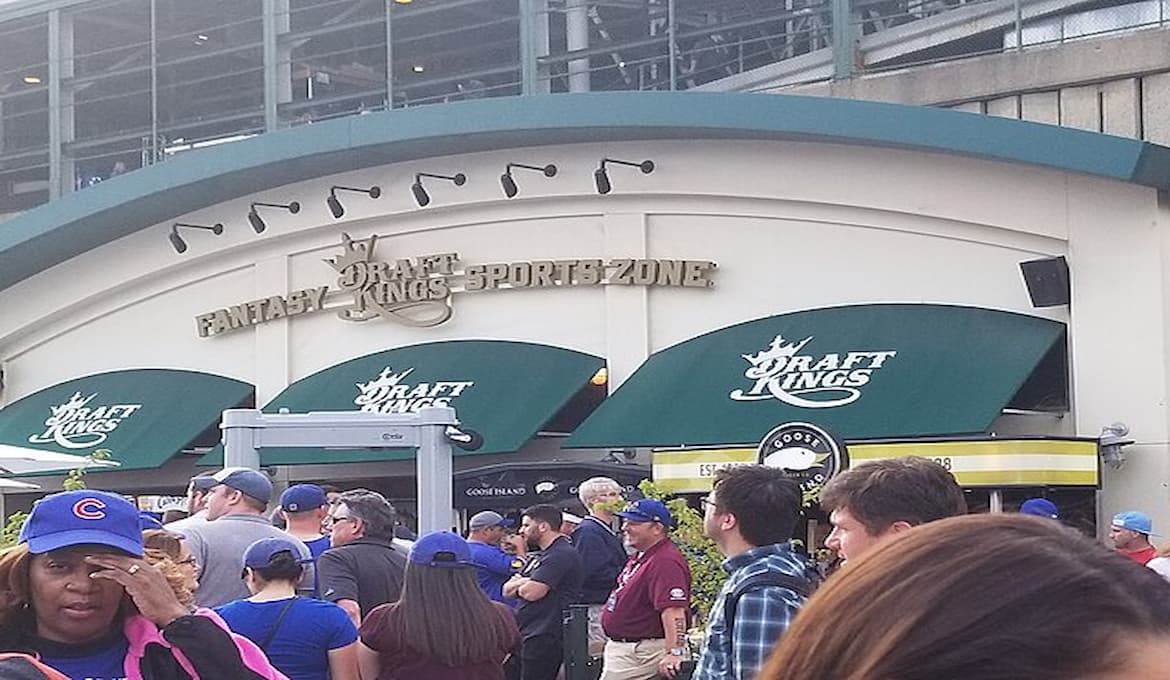
DraftKings Sportsbook Extends Deal to Remain in Kansas
DraftKings Sportsbook has extended its retail and online sports betting partnerships with Butler National’s Boot Hill Casino in Kansas. The deal will remain in place until at least 2030. DraftKings remains the most popular online sportsbook in the state.

MGC Opens Investigation into Cardinals’ Suspended Scout
The Massachusetts Gaming Commission has announced a new investigation into an Arizona Cardinals scout over illegal gambling. It is focusing on unusual betting activity around the 2026 NFL Draft, as well as allegations of betting on college and pro games.

New Jersey Regulator Reports Record Sports Betting Handle for July
New Jersey saw a record-high July sports betting handle that generated around $20 million for the state. The knockout stages of the 2026 World Cup helped boost the numbers, with the tournament’s final match being held in New Jersey.
Fanatics Sportsbook Lands Big Win with Multi-Year NFL Partnership
Fanatics is becoming the NFL's new sports betting partner, replacing Caesars, DraftKings, and FanDuel. The two sides announced a retail partnership back in April, signaling more could be coming. The deal also includes Fanatics Casino, but is not exclusive.
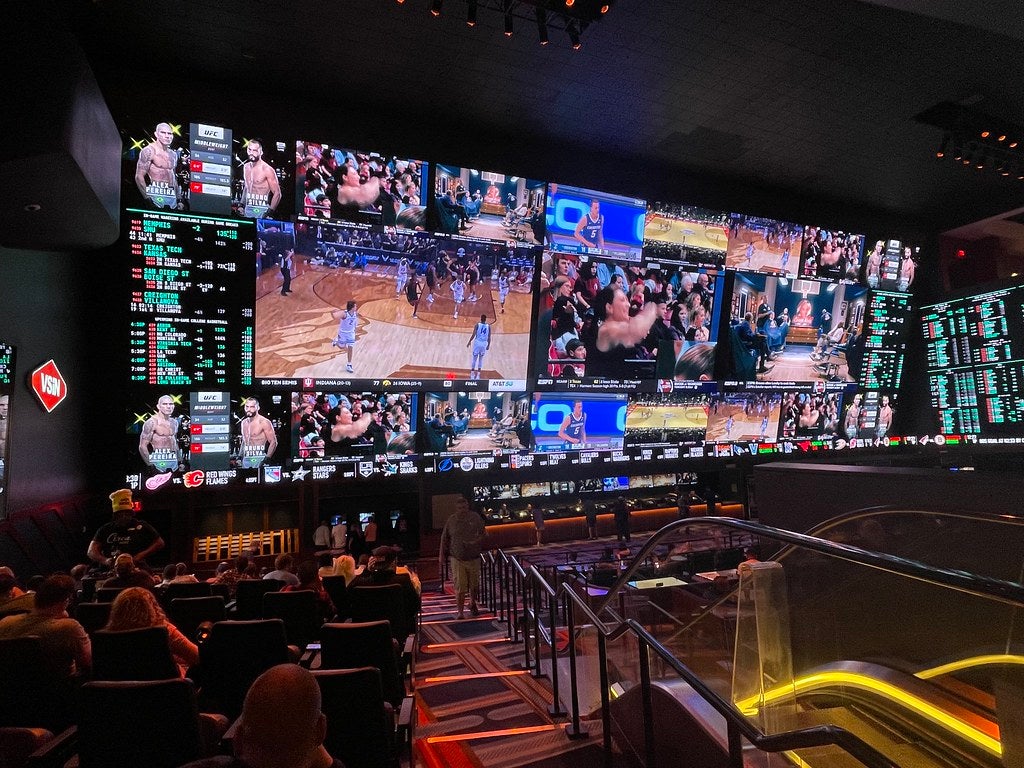
Arizona Regulator Approves Circa to Launch Online Sportsbook
The Arizona Department of Gambling has approved Circa Sports' application for an online sports betting license. It gained market access through a partnership with the San Juan Southern Paiute's sports, replacing Betway, which exited the US in 2024.
Patience On Sports Betting May Pay Off for California Tribes
California tribal leaders have targeted 2028 for a new effort to legalize sports betting. While the state has been criticized for its inability to legalize the industry, there are a few reasons why the timing may ultimately pay off.
Missouri Tax Rate Under Fire Again After Disappointing June
Missouri’s sports betting market saw a drop in revenue and overall handle in June, despite hosting World Cup matches. The disappointing results may soon restart talks of raising the state’s tax rate for sportsbooks, which failed earlier this year.
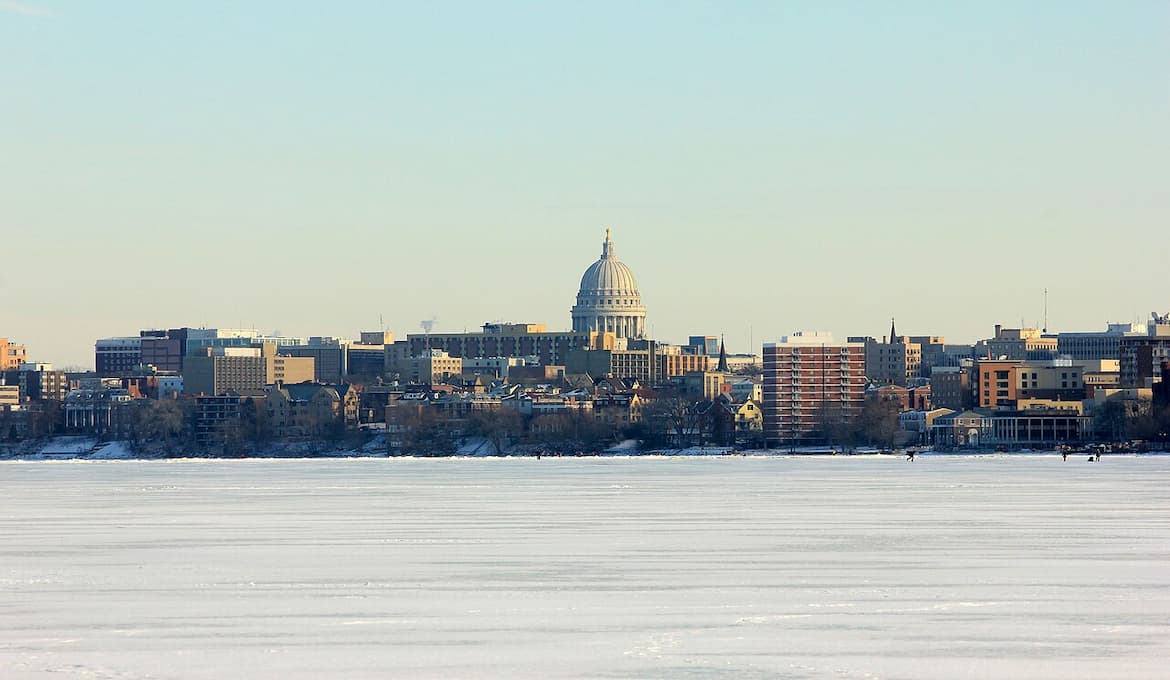
Lawsuit Filed Challenging Wisconsin’s New Online Betting Law
A conservative Wisconsin group has filed a lawsuit challenging Wisconsin’s proposed online sports betting market. It alleges that the state violated several laws by expanding gambling without a public vote and handing sole licensing rights over to the tribes.
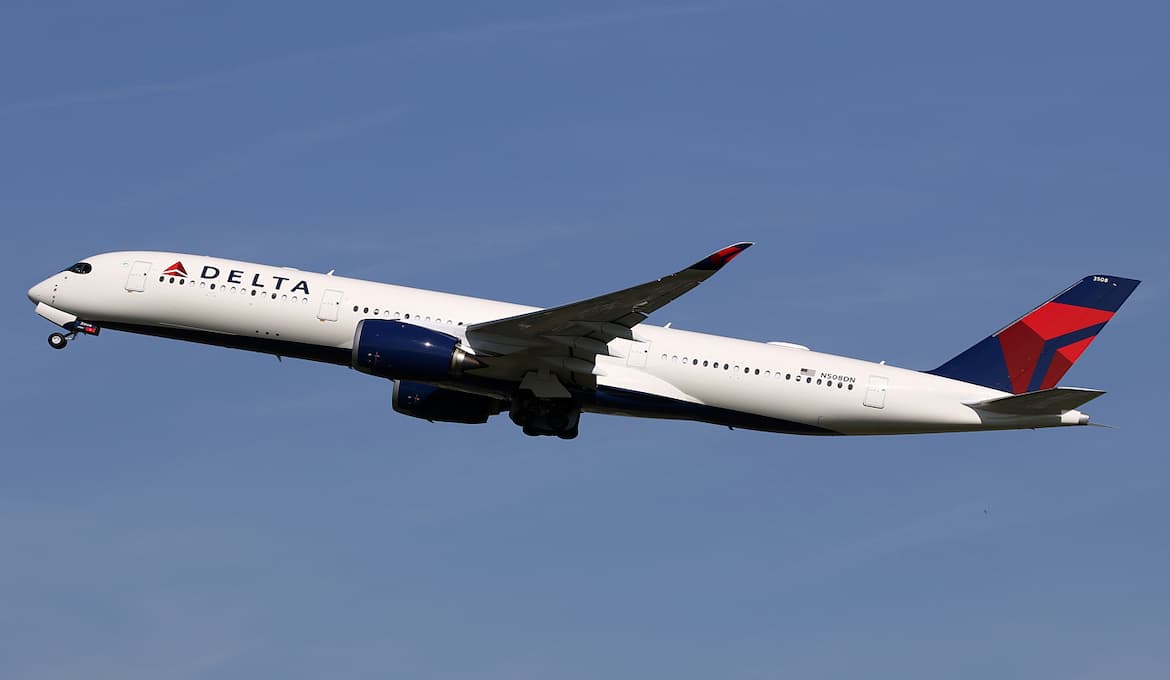
Delta, DraftKings Launch Controversial New SkyPicks Game
Delta and DraftKings have launched a new SkyPicks game where players can make predictions on games by answering a series of “yes/no” questions for a chance to win Delta gift cards. However, critics fear it could fuel problem gambling.
Poll: NC Residents OK With Sportsbooks, But Not Predictions
A North Carolina poll conducted by Meredith College found that residents were happy with regulated sports betting, but support a ban on prediction markets. It also showed growing concern over how sports betting is impacting underage bettors and college athletes.

Smoke From Wildfires Could Impact Sunday’s World Cup Final
Smoke from Canadian wildfires is pouring into New Jersey, where the World Cup Final will be held on Sunday. FIFA isn’t preparing to move or delay the match, meaning players will have to deal with poor breathing conditions on Sunday.
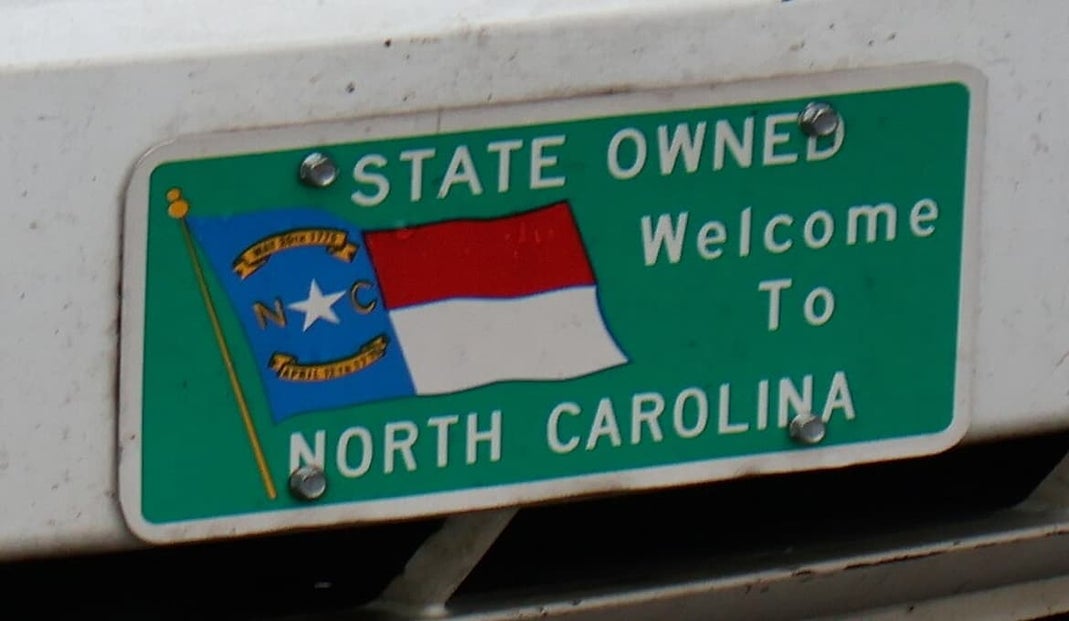
North Carolina Sports Betting Tax Revenue Drops Ahead of Hike
North Carolina’s sports betting market saw a drop in tax revenue in June, one month before the state’s recently approved tax hike goes into effect. The drop was attributed to high bettor win rates during the World Cup and NHL Playoffs.
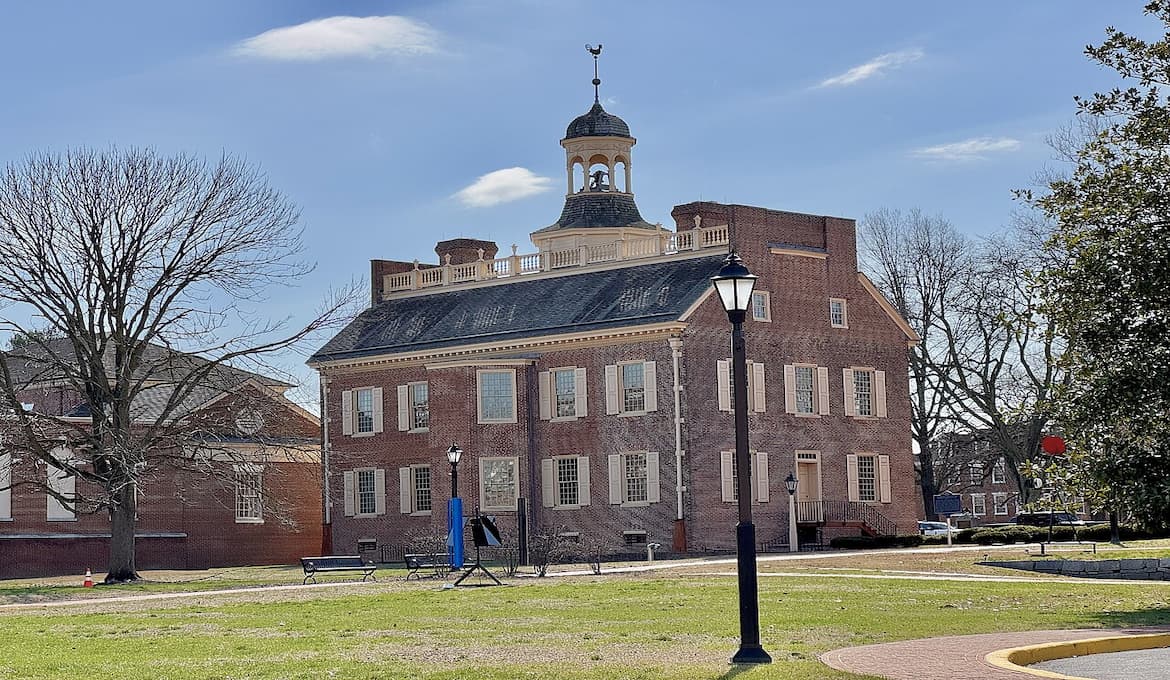
Delaware Lottery Announces Launch of New Sports Betting Kiosks
The Delaware Lottery has launched 89 new self-service sports betting kiosks at official retailers across the state. They will offer more wagering options, giving many residents far easier access to sports betting, despite concerns about problem gambling.

South Africans Wager Record Amounts as Online Betting Boom Continues
South Africa's gambling industry continues to expand at a rapid pace, with recent figures showing record levels of betting activity across the country. Online wagering remains the primary growth driver, as mobile technology and increased digital adoption reshape the gambling landscape.