SBA Feared Delayed Licenses
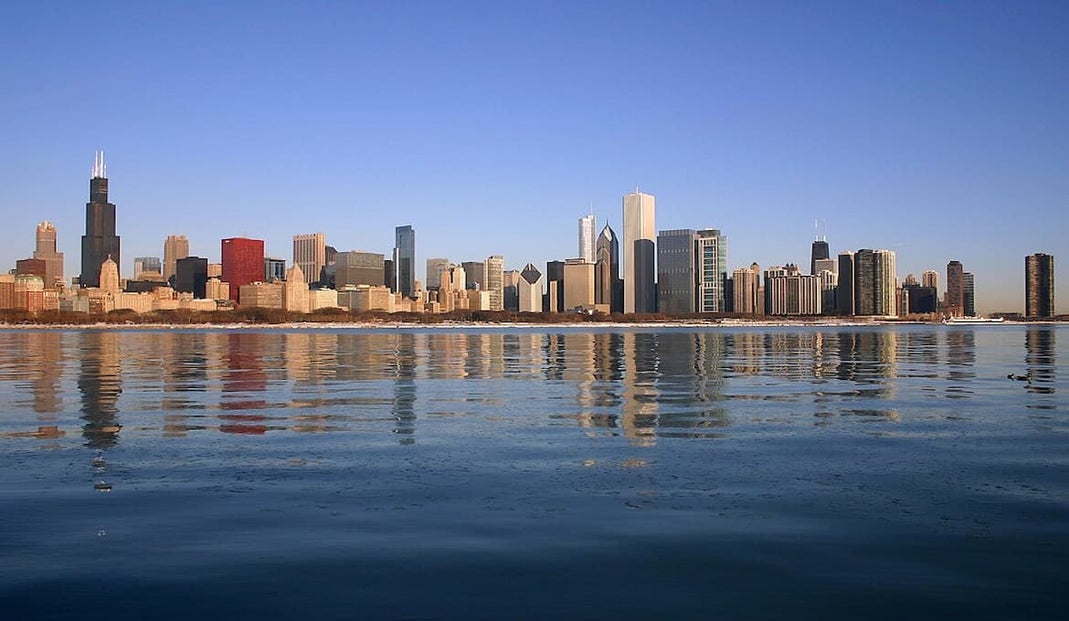
The SBA, whose members include bet365, BetMGM, DraftKings, Fanatics, and FanDuel, has plenty of issues with Chicago’s new rules, but concerns over delayed licenses ranked among the top.
The lobby group’s request for a restraining order came quickly, as the new rules went into effect on January 1. Since licenses didn’t exist before then, the group worried sportsbooks would be considered to be operating illegally in the city. That could not only lead to fines from the city but also affect the status of their licenses in other states.
The SBA thanked Chicago for handling the issue quickly, negating the need for a restraining order.
Chicago’s Win is Temporary
The restraining order threat may be over, but the SBA will continue to fight Chicago’s new sports betting rules in court.
The group has described Chicago’s changes as illegal, a view that state lawmakers also agree with. A pair of state lawmakers has already begun to lead efforts to force Chicago to reconsider its changes.
One is pushing to update the state’s gambling laws to make it clear that cities have no right to regulate state markets. This would make Chicago’s changes illegal and end the need for operators to follow them.
The other is looking to redistribute the tax revenue Chicago already received from the state’s sports betting market. Those funds were set aside to allow the city a cut of the thriving industry. With Chicago adding its own tax and licensing fees, those funds are no longer needed or deserved.
The Parent Trap Effect
If you aren’t familiar, The Parent Trap is a film that tells a story of kids getting their divorced parents to fall back into love.
While it isn’t their intention, Chicago is setting up a similar situation in Illinois. The state and the industry have been at war over tax hikes, which have led to new fees and higher minimums being issued by sportsbooks. The two sides have been clashing in public and the courtroom, decimating the relationship they once had.
Now, both sides have focused their anger on Chicago. While it won’t magically cure the damage done, the new fight will bring the sides together for a common cause. That dialogue could ease tensions and bring the country’s second-largest sports betting market back from the brink of disaster.