Two Winners, One Loser
Currently, three tribal casinos offer mobile sportsbooks: Southland Casino Hotel, Oaklawn Racing Casino Resort, and Saracen Casino Resort.
Southland Casino partnered with DraftKings, which will replace its Betly sportsbook platform. Oaklawn made a similar deal with FanDuel, which had offered its own mobile sportsbook with support from Kambi. Both had seen some success, but expect a massive jump in revenue thanks to their new deals.
That leaves us with the Saracen Casino, which comes out as the lone loser from the deals. The casino’s BetSaracen app had been at the top of the small market, but it won’t be able to compete with operators like FanDuel and DraftKings. That may force the casino into a deal with a rival operator like Fanatics, BetMGM, or Caesars.
Tribal-Centric Market Kept Operators Out
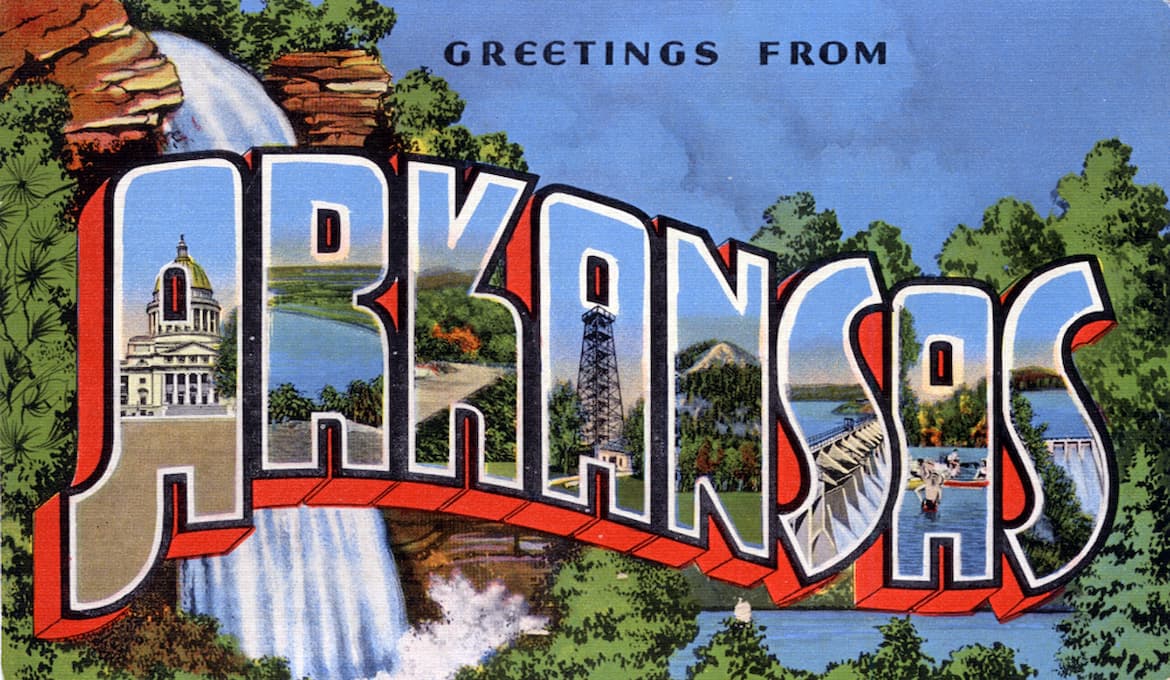
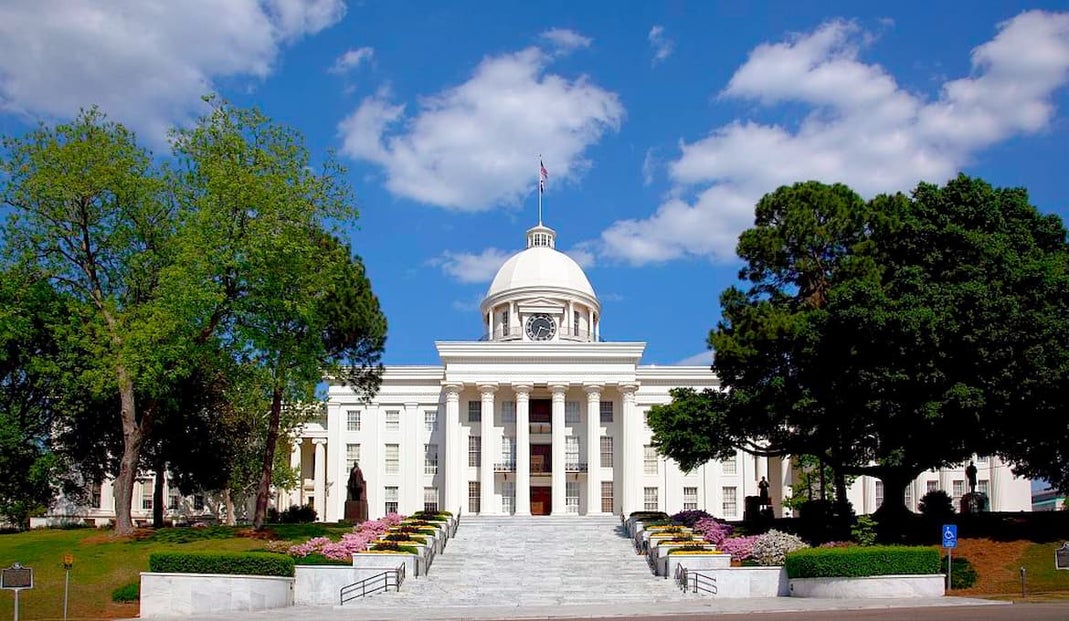
Arkansas legalized sports betting in 2022, but was unable to attract major commercial sportsbooks such as FanDuel and DraftKings. That was due to the state’s tribal-centric market, which requires those national brands to give at least 51% of their net revenue to their casino partner.
The state’s betting laws also treat commercial sportsbooks as vendors, simply supplying odds and data, while their casino partners operate the actual platform.
Thanks to lobbying from Southland and Oaklawn casinos, the ARC agreed to allow DraftKings and FanDuel to offer their own platforms, as long as they meet revenue-sharing requirements.
Good News for Wisconsin
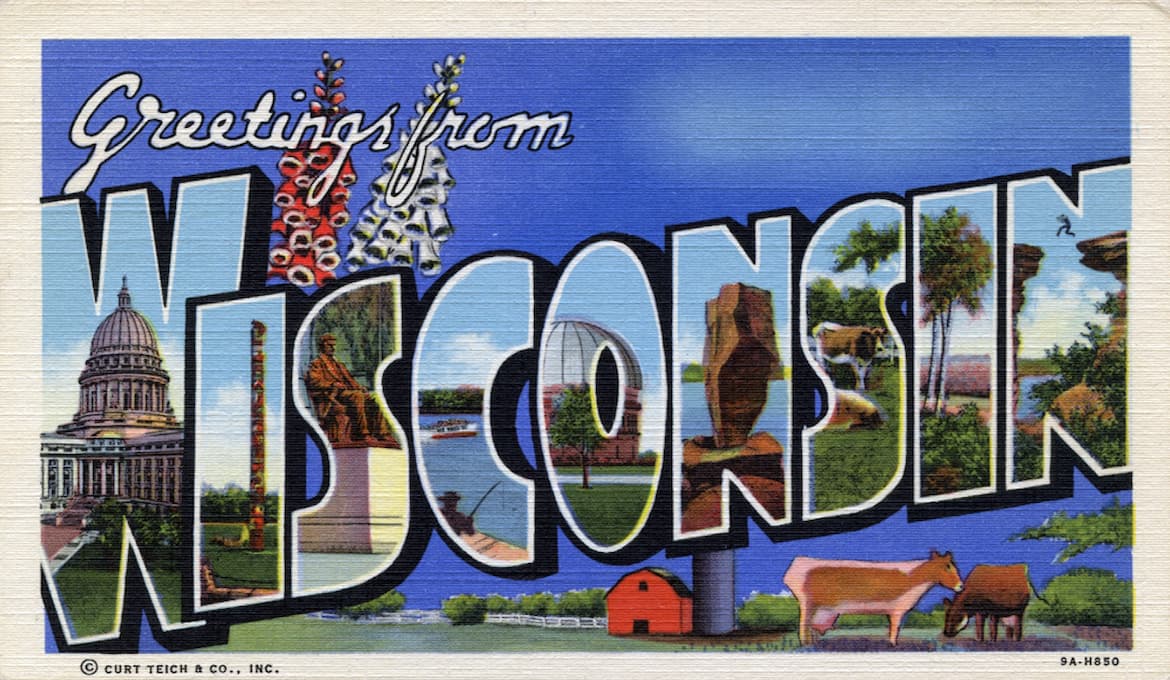
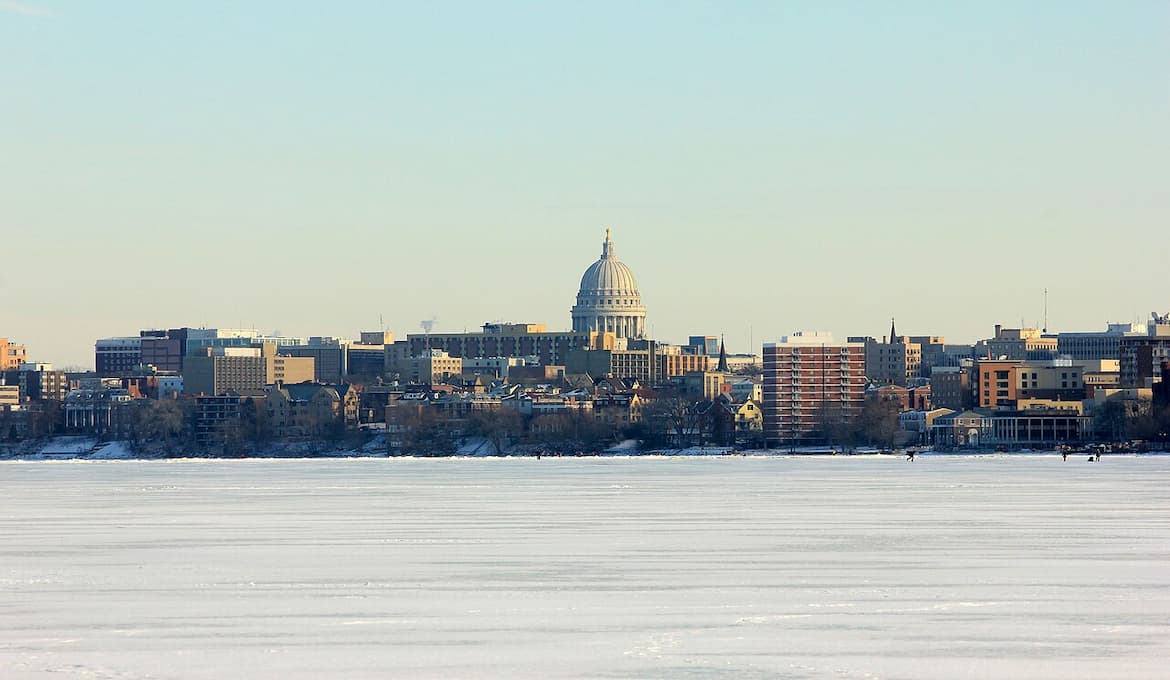
On the other side of the country, Wisconsin lawmakers seem on track to pass a bill that would create a tribal-centric market similar to Arkansas’s. The current proposal would set revenue-sharing requirements even higher (60%), which the American Gaming Association, FanDuel, and DraftKings all opposed.
This led to fears that the Wisconsin market might not attract commercial sportsbooks, failing to generate enough tax revenue to justify the damage done by problem gambling.
With FanDuel and DraftKings entering the Arkansas market, it is now clear their opposition in Wisconsin isn’t firm. While negotiation may be needed before the bill becomes law, it seems far more likely the industry’s major players will be willing to take the gamble in the Badger State.