

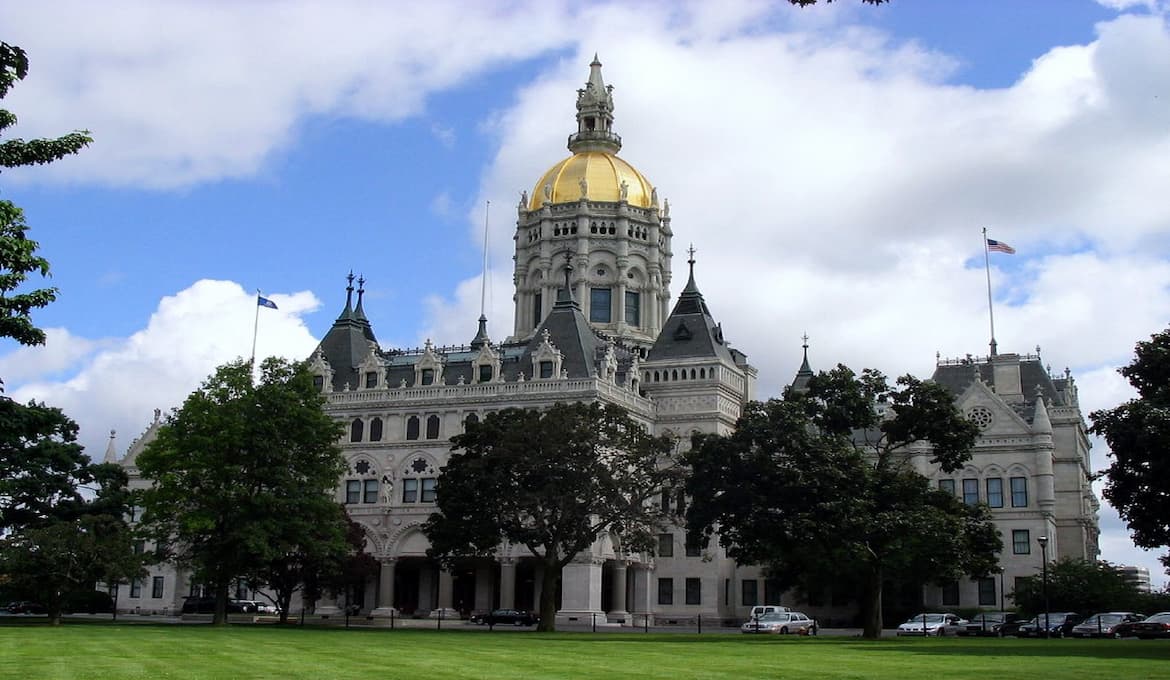
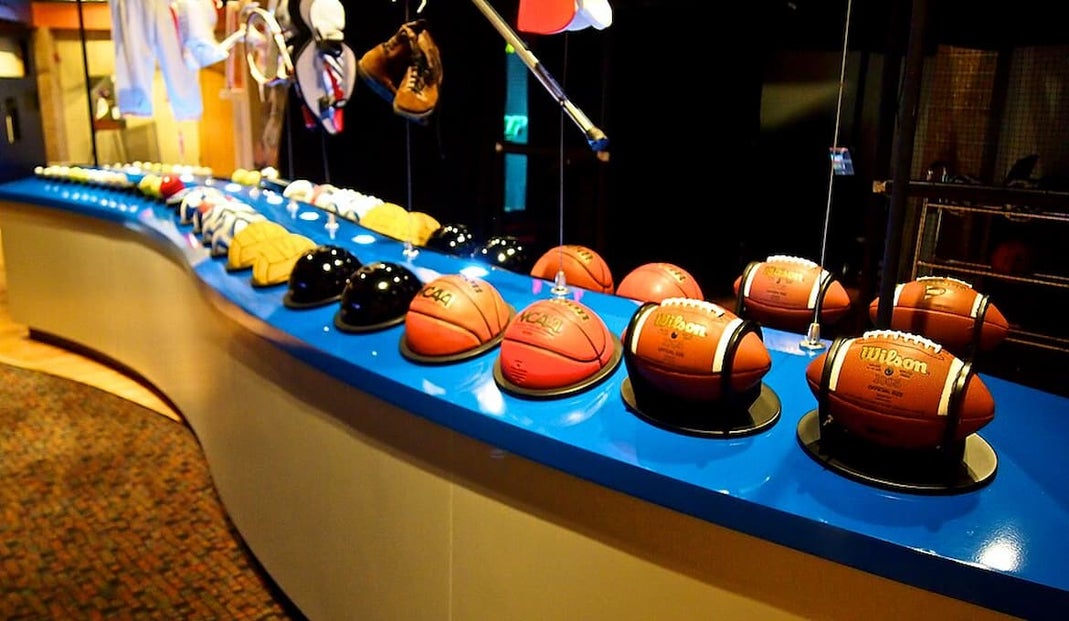
Photo by jglazer75, CC BY 2.0

Related News
Wisconsin Senate Votes in Favor of Mobile Sports Betting
The Wisconsin Senate voted to approve a bill to legalize mobile sports betting through tribal casinos. While many lawmakers remain concerned about the potential impact, they also acknowledged that mobile betting is already taking place in the state.

Nebraska Casinos Begin Effort to Legalize Online Betting
Nebraska casinos have been a signature-gathering effort to allow voters to decide on legalizing mobile sports betting. The move comes after Nebraska lawmakers failed to act, largely removing them from the process of creating a legal framework.

Judge Rules Kalshi is Subject to Ohio Sports Betting Laws
A federal judge has ruled that Kalshi must abide by Ohio’s sports betting laws. She rejected Kalshi’s argument that they are offering “swaps.” The ruling means the operator will need to acquire a sportsbook license for its prediction platform.

Minnesota Senate Reviewing Bill to Legalize Sports Betting
The Minnesota Senate is reviewing a bill to legalize online sports betting while protecting bettors. It would allow for 11 mobile sportsbooks, with tax revenue from the industry being used to support the state’s charitable gaming and horse racing industries.
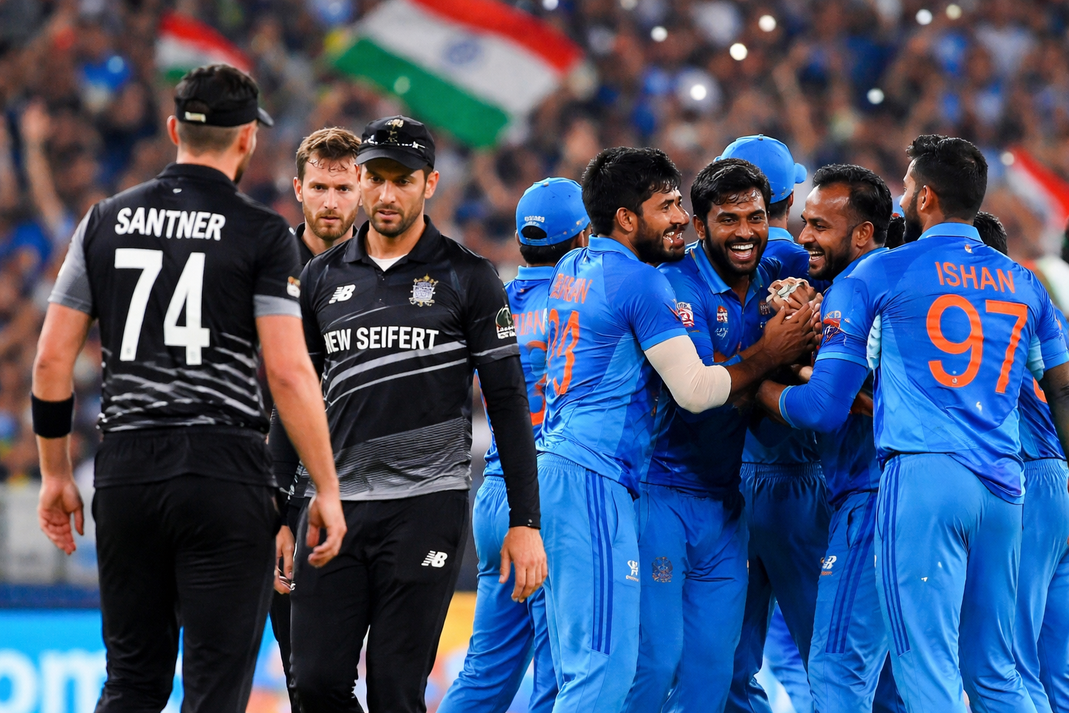
India Crush Black Caps in T20 Final as NZ Betting Run Ends Badly
New Zealand’s T20 World Cup campaign ended with a heavy final defeat to India, in a result that also gave sports bettors plenty to unpack around pre-match expectations, inflated totals and the Black Caps’ future tournament pricing.
Michigan and Kalshi File Lawsuits Over Sports Predictions
The Michigan AG has filed a lawsuit against Kalshi, alleging it is illegally offering gambling through sports prediction markets. It asks the court to grant it the power to ban Kalshi from offering sports markets in the state.

Vermont Considers Bill to Add Wager Fee and Ban Predictions
Vermont is considering a bill that would ban several categories of prediction markets, including those for sports, deaths, wars, and more. It is also proposing to add a $0.50 per-wager tax for the state’s three mobile sportsbooks.
FanDuel and DraftKings Approved for Arkansas Mobile Market
FanDuel and DraftKings have approval to launch their mobile platforms in Arkansas. The two operators had been avoiding the market over its tribal revenue-sharing requirements. They will be joining tribal-owned BetSaracen, the state's only other online platform.
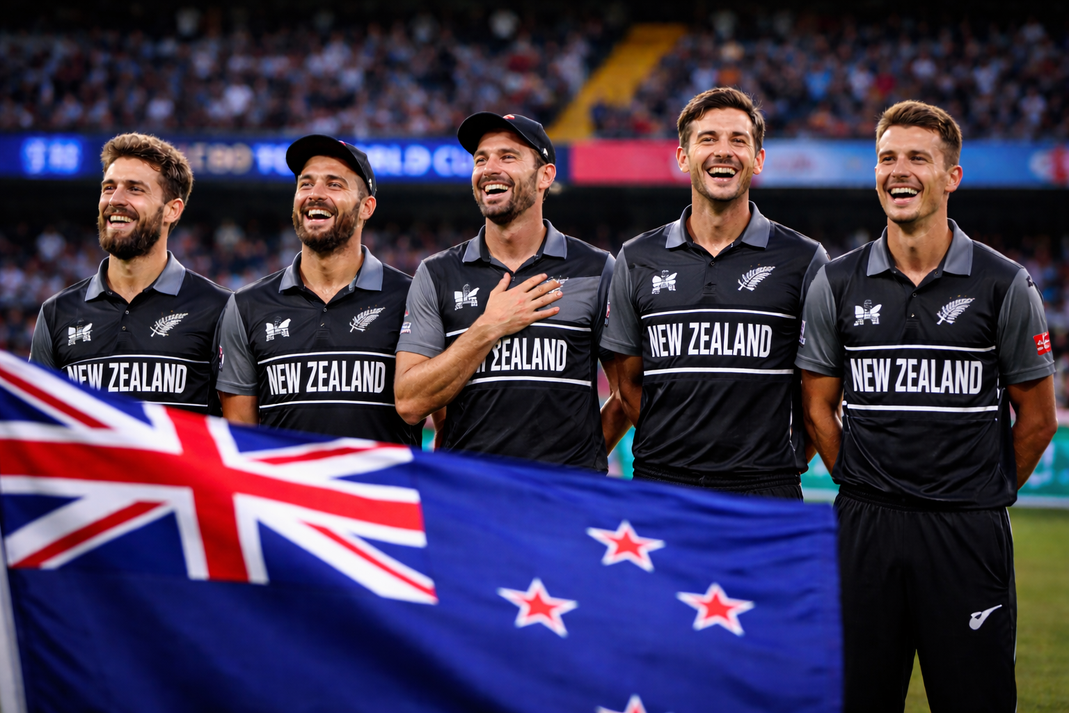
New Zealand Anthem Gaffe Goes Viral Before England v Black Caps T20 Clash
A technical glitch played the New Zealand anthem at double speed in Colombo, moments before England’s late chase win shook semi-final maths.

Kalshi Taking Utah to Court After Comments From Lawmakers
Kalshi filed a preemptive lawsuit against Utah after top lawmakers expressed opposition to the prediction market industry. The operator feared a cease-and-desist letter would soon be coming, forcing it to shut down the platform in Utah.
Wisconsin Assembly Finally Signs Off on Mobile Betting
The Wisconsin Assembly passed AB 601, which proposes to create a tribal-run online sports betting market. It ends years of debate and stalling from lawmakers, who abandoned hopes for a commercial market. The bill will now head to the Senate.
Kalshi Wins Big in Tennessee, but New Threats Emerge
Kalshi has scored a major legal win in Tennessee, keeping its prediction platform live in the state. However, talks of a ban on predictions in Connecticut and a trademark fight with the NCAA are making the win harder to celebrate.

Winter Olympics Betting Buzz in NZ after Zoi Sadowski-Synnott’s Silver
Zoi Sadowski-Synnott’s silver has lifted Winter Olympics interest in NZ, but only TAB can legally offer and promote sports betting to Kiwis.
South Carolina Lawmakers Hear Debate Over Sports Betting
South Carolina House lawmakers held a hearing on a bill to legalize sports betting, despite Governor McMaster's strong objections to the industry. The Senate is considering a similar bill, with both looking for up to eight sportsbook licenses.
Tabcorp Pays $158,400 after ACMA Probe Finds Illegal In-play Bets
Tabcorp paid a $158,400 penalty after accepting 426 online in-play tennis bets. ACMA will oversee fixes through an enforceable undertaking.
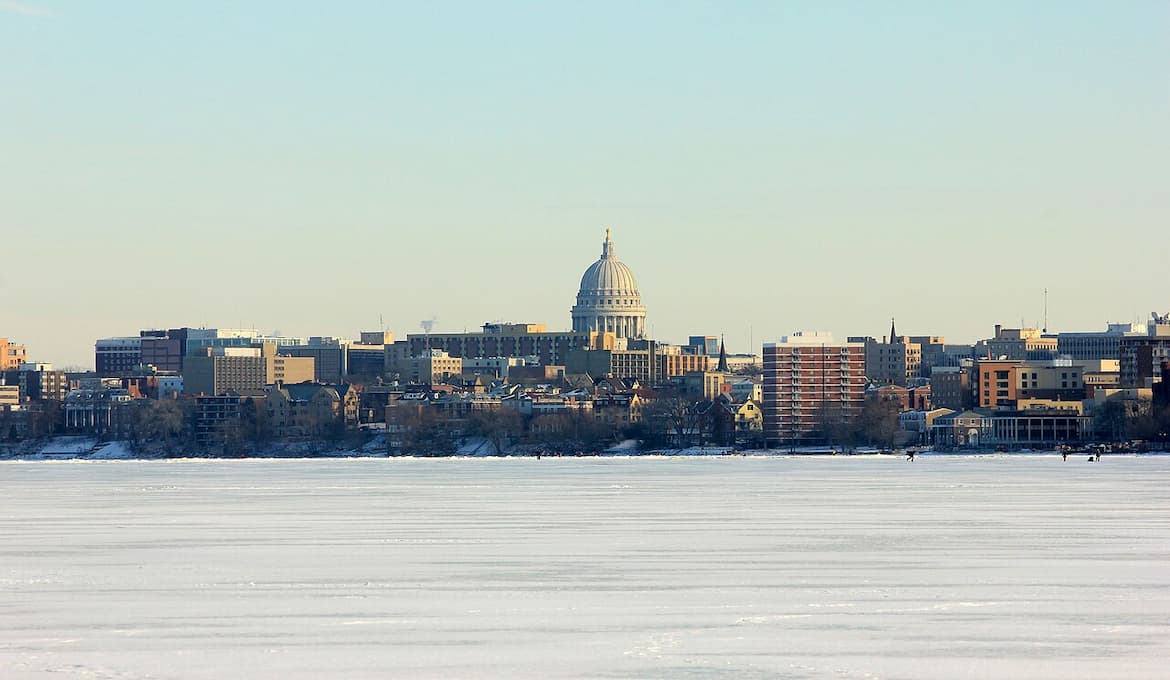
Wisconsin Tribes Ask Lawmakers to Expand Sports Betting
Tribal leaders have asked Wisconsin lawmakers to pass an Assembly bill legalizing mobile sports betting. The session ends next Friday, raising fears that the chamber will adjourn without voting on the issue, as they did in 2025.
CFTC to Begin Fierce Defense of Sports Prediction Markets
CFTC Chair Michael Selig wrote an op-ed in the Wall Street Journal, promising a fierce defense of sports prediction markets here. He ripped states for standing in the way of the industry, which he believes benefits average Americans.
The DIA Orders 20Bet to Stop Targeting Kiwis with YouTube Gambling Ads
New Zealand’s DIA has issued a formal notice to 20Bet over NZ-targeted YouTube promotions, reinforcing the ban on offshore casino advertising.
Big Ten Athletes Join Effort to Reform Player Props
A Big Ten student-athlete group has issued a statement calling on NCAA President Charlie Baker to reform player prop betting rules. The letter cites the link to rising cases of athlete harassment, which Baker has been warning states about.

Kalshi Delivers on High Expectations for Super Bowl LX
Kalshi recorded over $1 billion in trading volume for Super Bowl LX, up 2,700% from last year, driven by expanded markets and improved pricing. The prediction app was downloaded at more than double the rate of DraftKings and FanDuel.
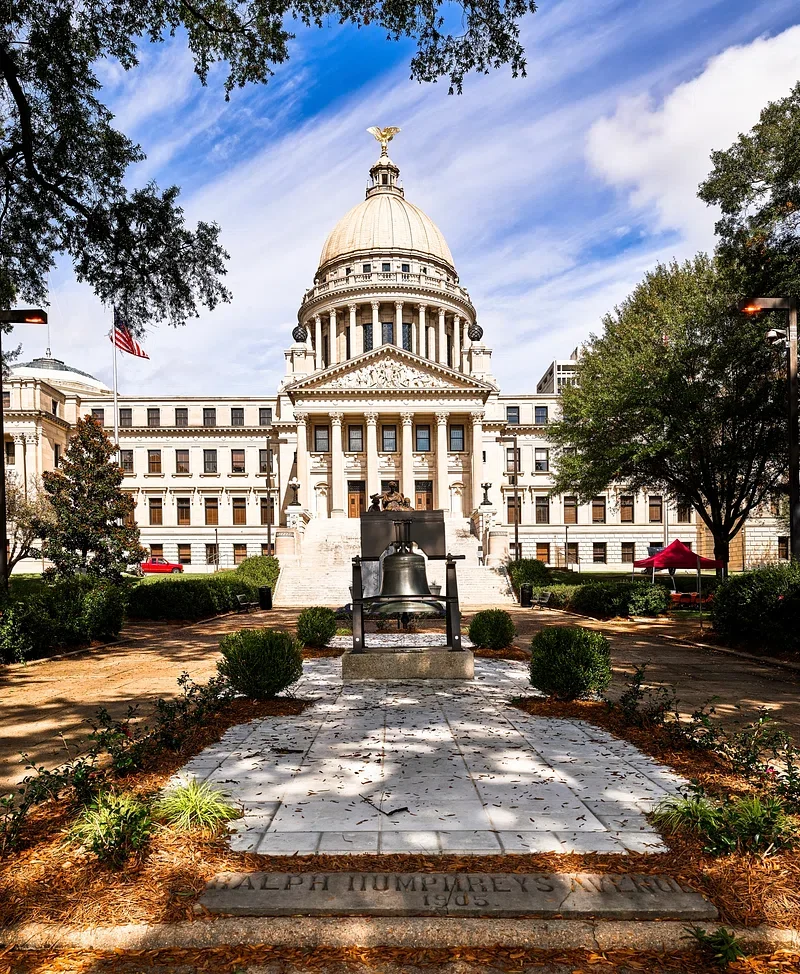
Sports Betting Bill Passes Mississippi House to Start 2026
The Mississippi House has passed HB 1581, which would expand the state’s retail sports betting market to include mobile wagering. It is the second consecutive term a bill has passed the House, but hurdles remain in the Senate.
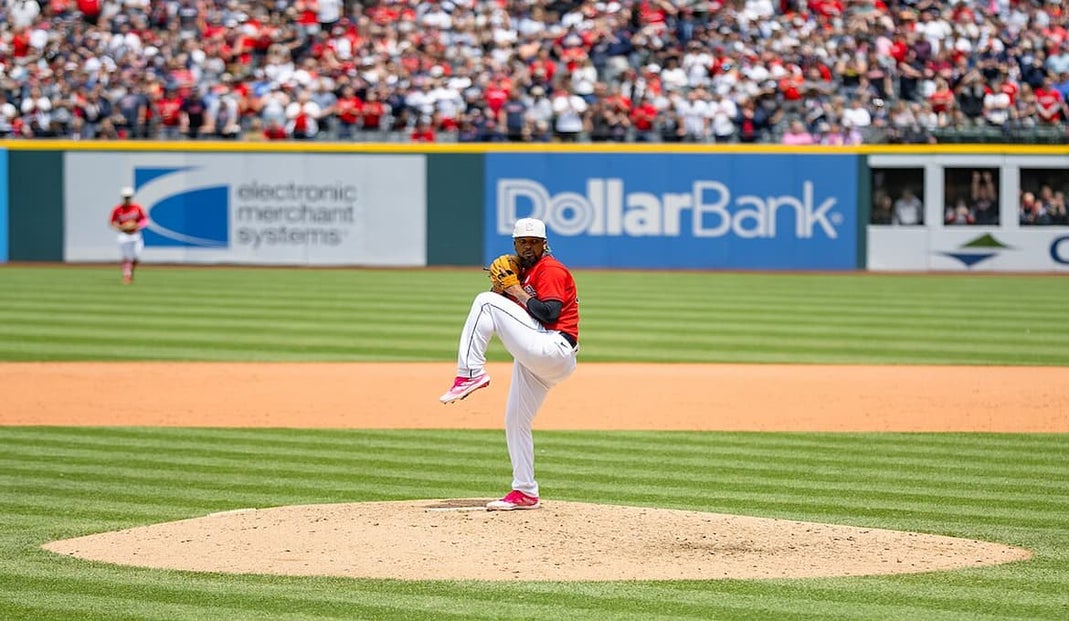
Guardians’ Emmanuel Clase Spot-Fixing Linked to 48 Games
New documents show federal prosecutors have linked Emmanuel Clase’s point-shaving scandal to 48 MLB games over two years. The large number of affected games is a troubling sign and will further challenge the integrity of the league.
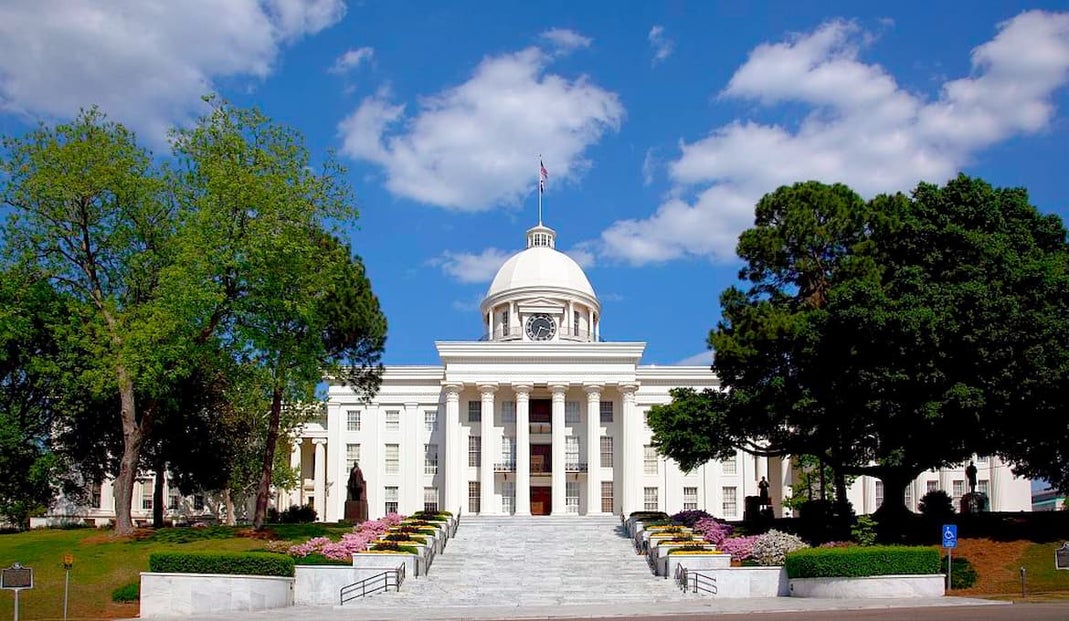
Alabama Considering Bill to Put Sports Betting on the Ballot
The Alabama Senate is considering a bill that would allow voters to decide whether to expand gambling in the state, including a sports betting market. The House has passed several sports betting bills in the past, but the Senate has rejected each.
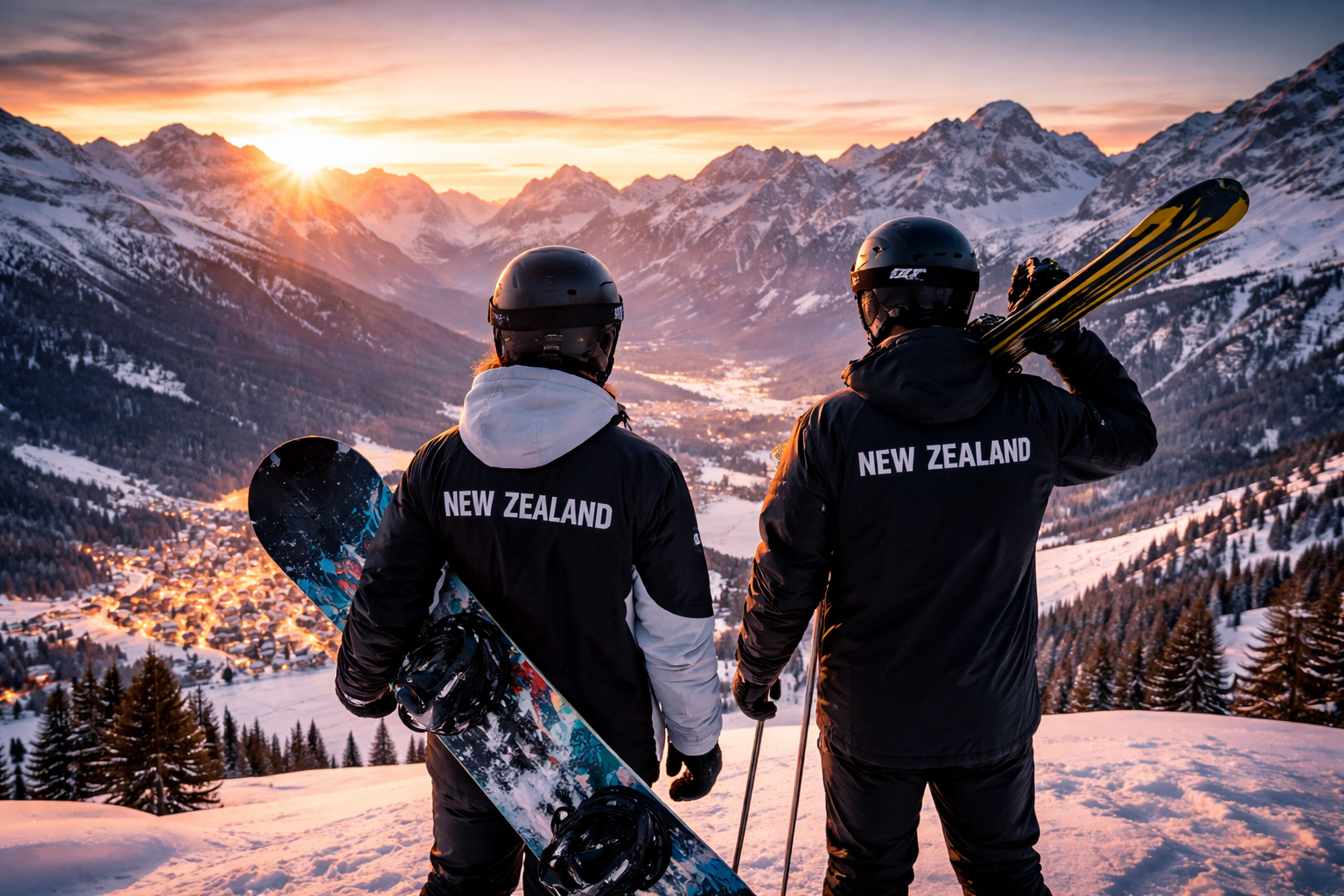
Milano Cortina 2026: New Zealand Athletes and Betting Markets to Know
New Zealand’s 17-athlete Milano Cortina 2026 team leans heavily into freeski and snowboarding. Here are the events, market types and timing angles NZ bettors track.

Bill to Legalize Online Sports Betting Introduced in Hawaii
The Hawaii Senate is considering a bill to legalize online sports betting. It proposes a market with at least six operators. The 15% annual tax rate and $500,000 licensing fee are intended to secure additional support in the House.

Missouri Sports Betting Market Sees $540 Handle in First Month
The Missouri Gaming Commission reported a sports betting handle of over $540 million for December, the first month of the state's legal sports betting market. FanDuel and DraftKings led the way, but the state generated just $510,000 in taxes.
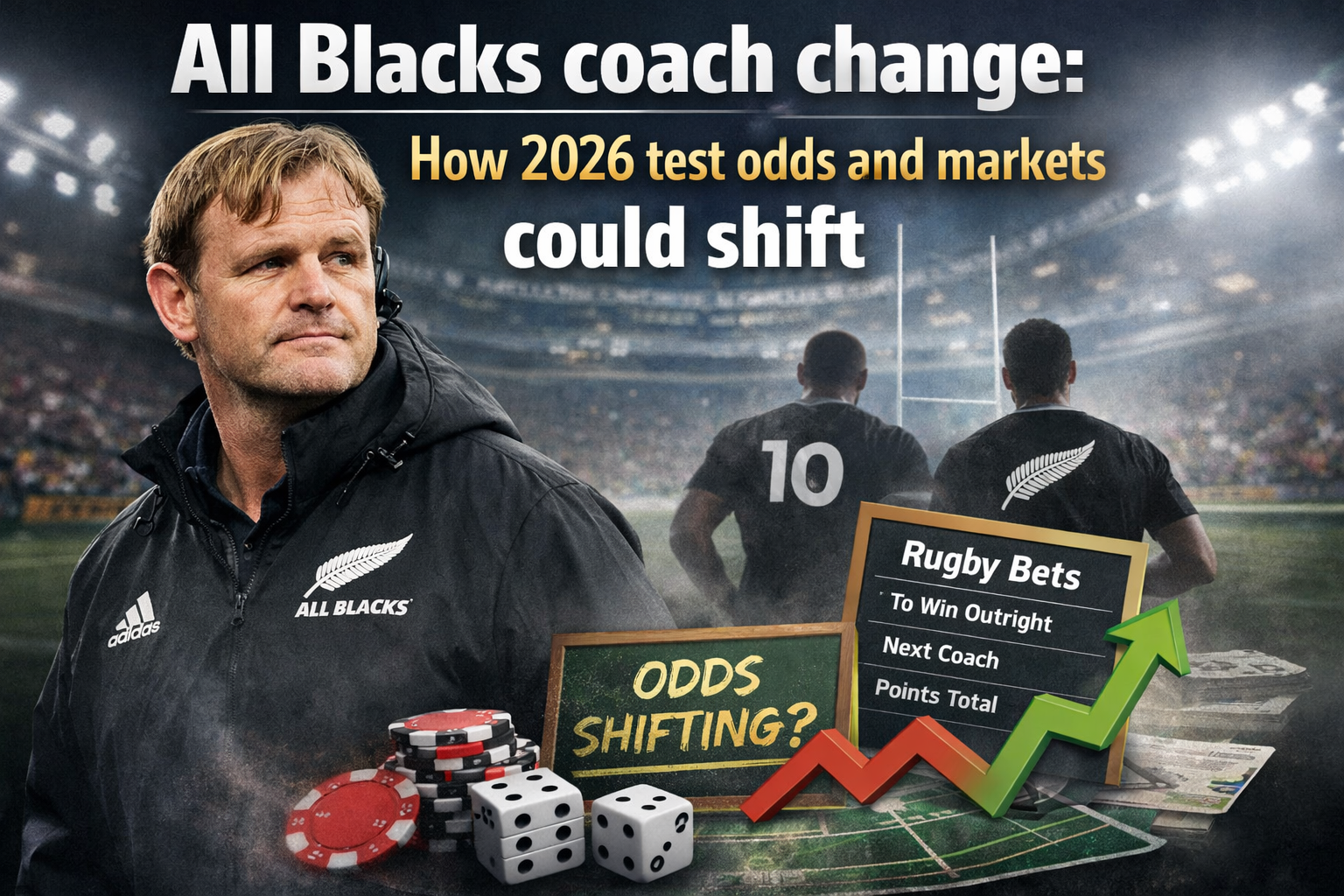
All Blacks Coach Change - How 2026 Test Odds and Markets Could Shift
New Zealand Rugby has parted ways with Scott Robertson halfway to the 2027 World Cup. Here’s what happens next and what bettors should track in 2026.
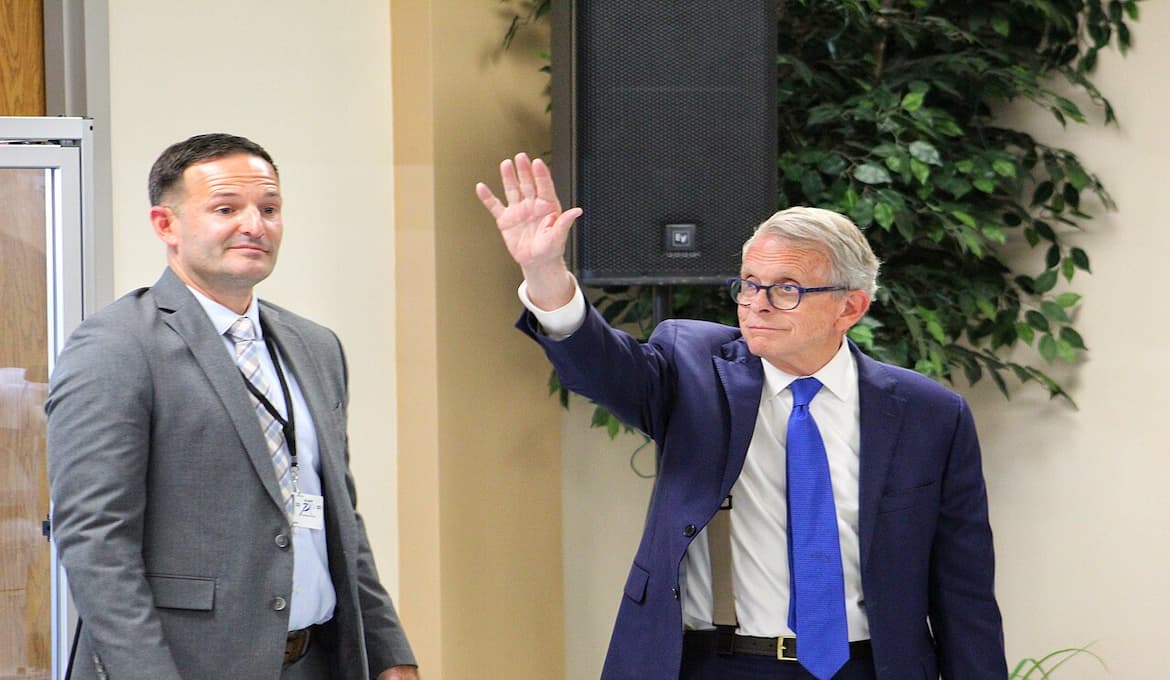
Ohio Governor DeWine: Sports Betting Was My Biggest Mistake
Ohio Governor Mike DeWine believes his biggest mistake was legalizing sports betting, citing the rise in problem gambling and betting scandals in the state. He also called for a crackdown on sportsbooks' advertising, which he links to the rise in addiction.
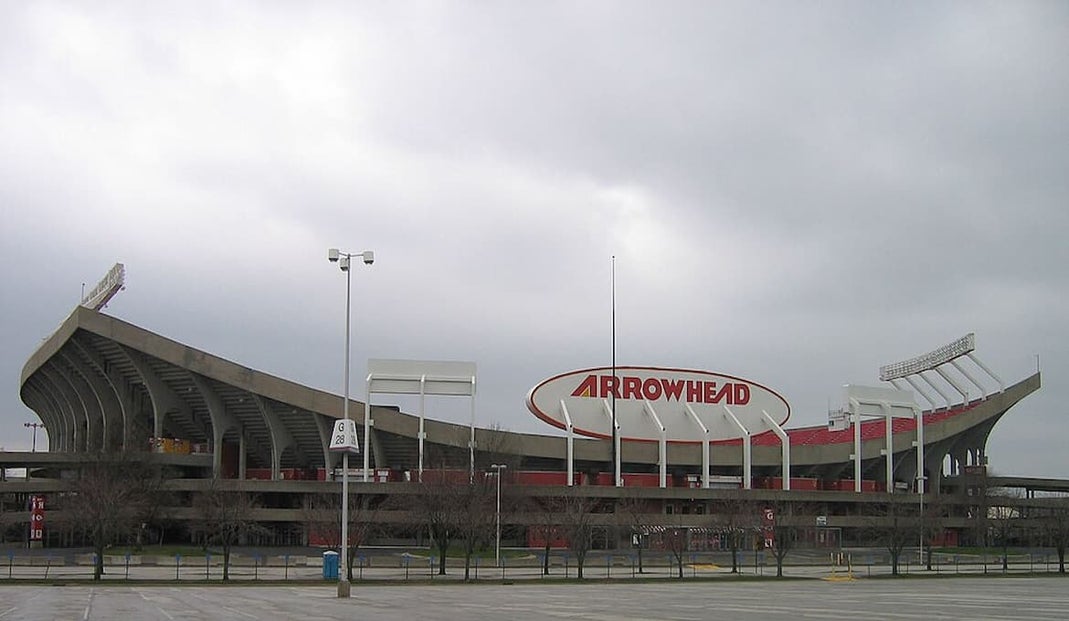
Missouri Sports Betting Market to Allow College Player Props
The Missouri Gaming Commission announced it is rejecting the NCAA's request to ban college player props in its new regulated sports betting market. The regulator cited a lack of evidence on the risk of the bet type for its decision.

Action 24/7 Ceases Sportsbook Operations in Tennessee
Action 24/7 has announced it is ceasing operation in Tennessee, its only US sports betting market. The sportsbook’s ties to the payday loan industry and poor oversight led to several scandals over its nearly six years of operation.
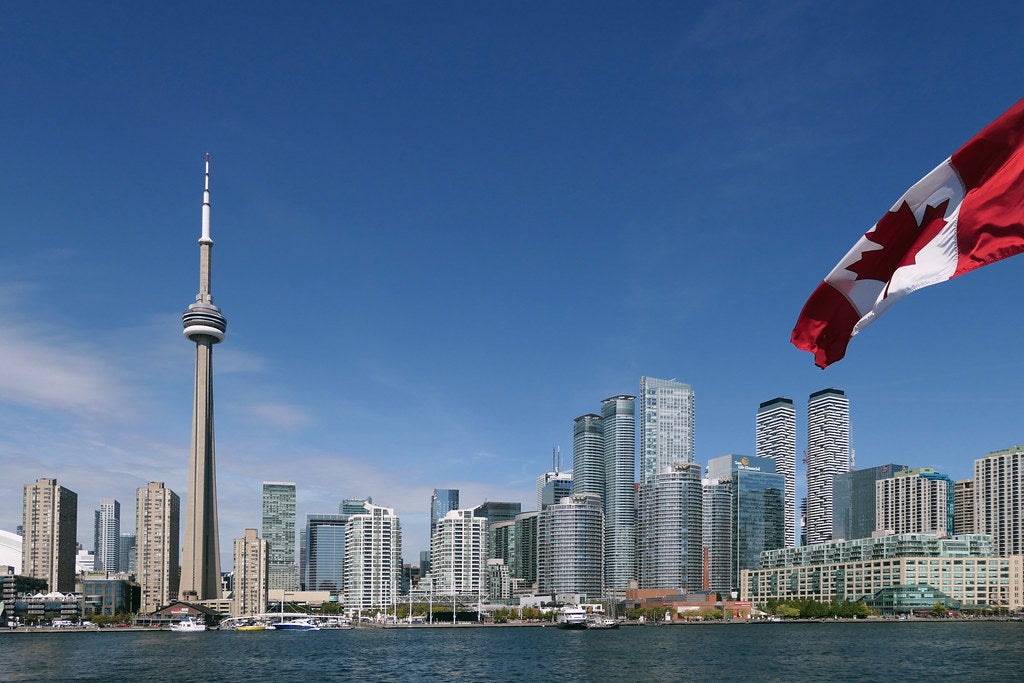
Ontario Regulator Fines FanDuel Sportsbooks Over Match-Fixing
An Ontario regulator has fined FanDuel Sportsbook $350K for failing to promptly catch and report a betting scandal involving a table tennis tournament. Online sportsbook operators had been warned that match-fixing might occur, but failed to prevent it.
US Attorney Charges 15 NCAA Athletes Over Match-Fixing
A US Attorney has filed federal charges against 15 current and one former NCAA men's basketball players in connection with a massive point-shaving scheme. A total of 17 Division I schools and 29 games were listed in the indictment.

The Biggest Takeaways From Kambi’s 2025 Betting Trends Report
We are sharing our biggest takeaways from Kambi’s 2025 Sports Betting Trends Report, which provides key insights into the industry. We’ll cover which sports bettors wagered on, the impact of player prop bets, and the dominance of the NFL.