

Photo by Wikimedia Commons, CC BY 2.0

Related News
Trump Visits Las Vegas with Tax Relief Win While Gambling Deduction Cut Looms
Trump visits Las Vegas on April 16 to promote no tax on tips, but Nevada Democrats are demanding he address the OBBB’s gambling loss deduction cut.

Floyd Mayweather’s “Exhibition” Comment Puts Pacquiao Rematch at Risk
Mayweather’s called the September 19 Netflix bout an “exhibition”; now he faces a breach-of-contract claim, nine-figure damages, and possible replacement.
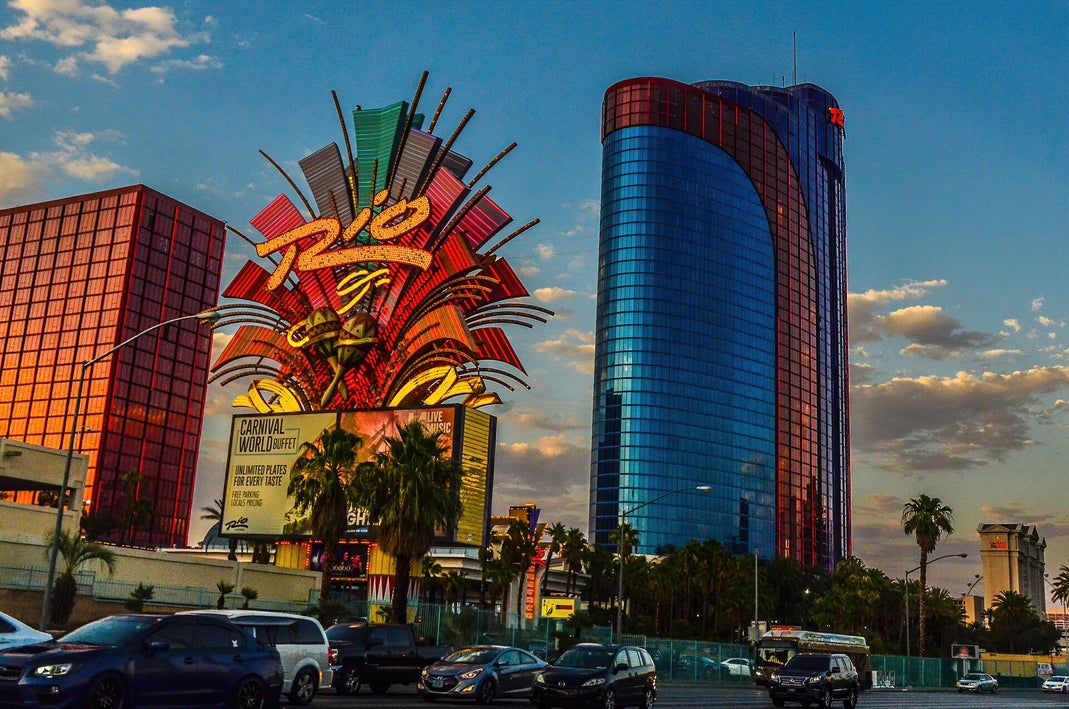
Rio Hotel & Casino Las Vegas Changes Ownership and Appoints New Executive Team
Kennedy Lewis has taken majority control of the Rio Hotel & Casino, reshuffling ownership and sparking a sweeping leadership overhaul.
Station Casinos Expands Seventy Six Tavern to Southwest Las Vegas
Station Casinos expands its Seventy Six tavern brand, bringing 24-hour dining, bar-top gaming, and happy hours to SW Vegas starting April 23.

Las Vegas Mayor Pitches Downtown Arena Sites for Incoming NBA Franchise
Las Vegas Mayor Shelley Berkley is pitching two downtown arena sites to the NBA, and she’s already lined up a Zoom call with Commissioner Adam Silver to make her case.
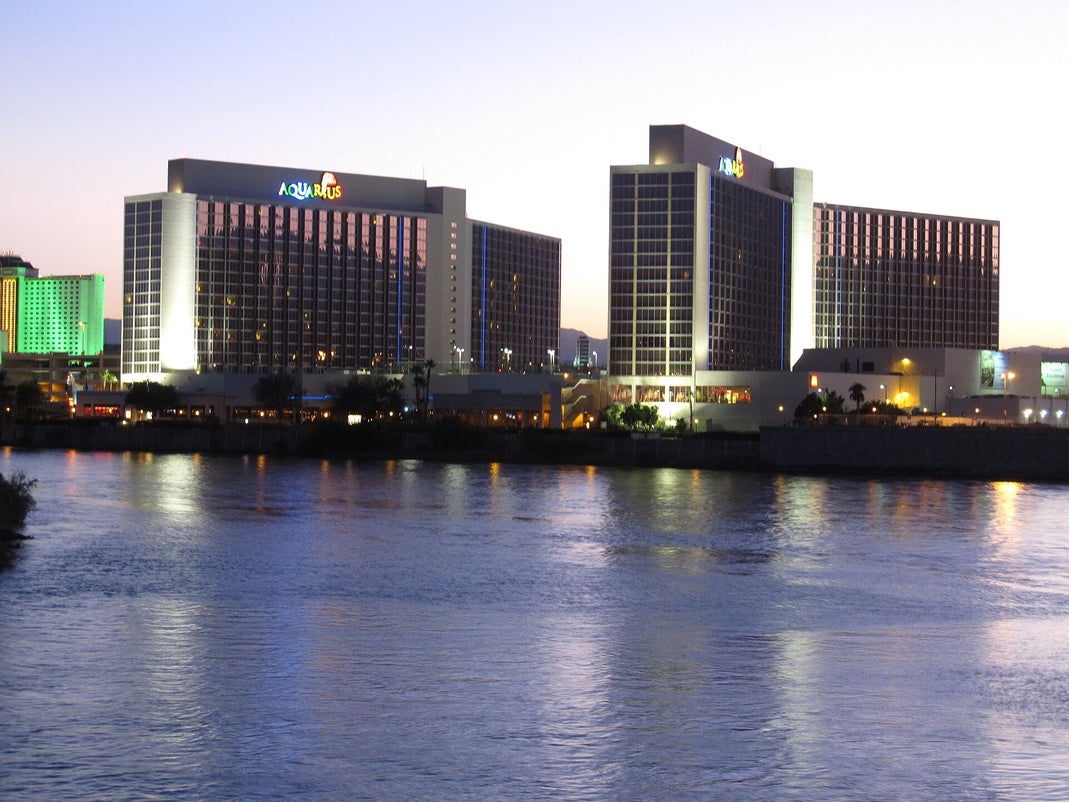
Golden Entertainment Shareholders Approve $1.16B Take-Private Deal
Golden Entertainment is going private after shareholders approved a $1.16B deal transferring seven Nevada casino properties to VICI Properties.
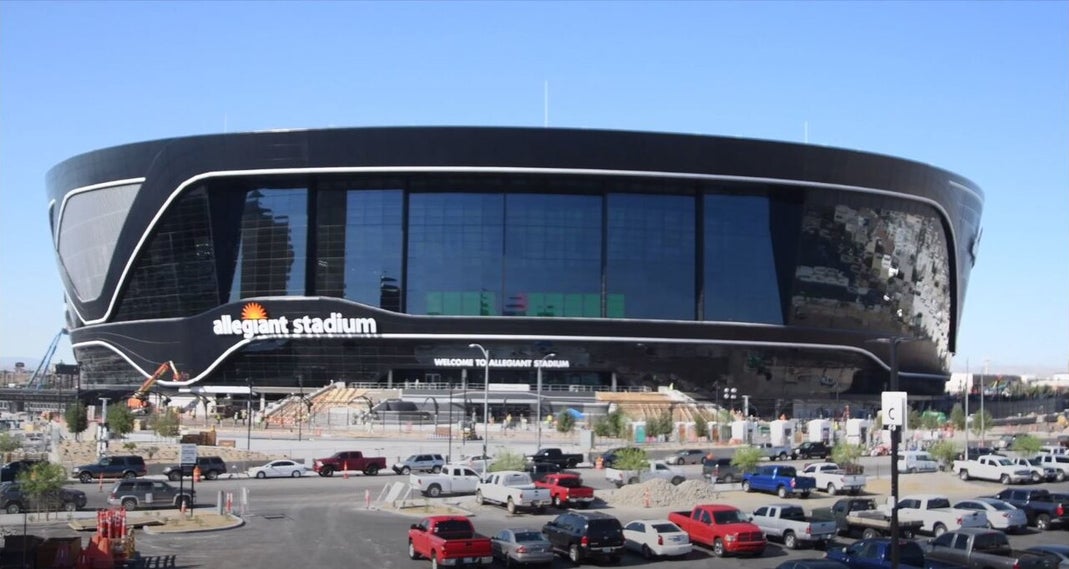
Las Vegas to Host Super Bowl LXIII at Allegiant Stadium
Las Vegas will host Super Bowl LXIII in 2029, building on 2024's massive turnout, billion-dollar impact, and the city's growing sports prominence.
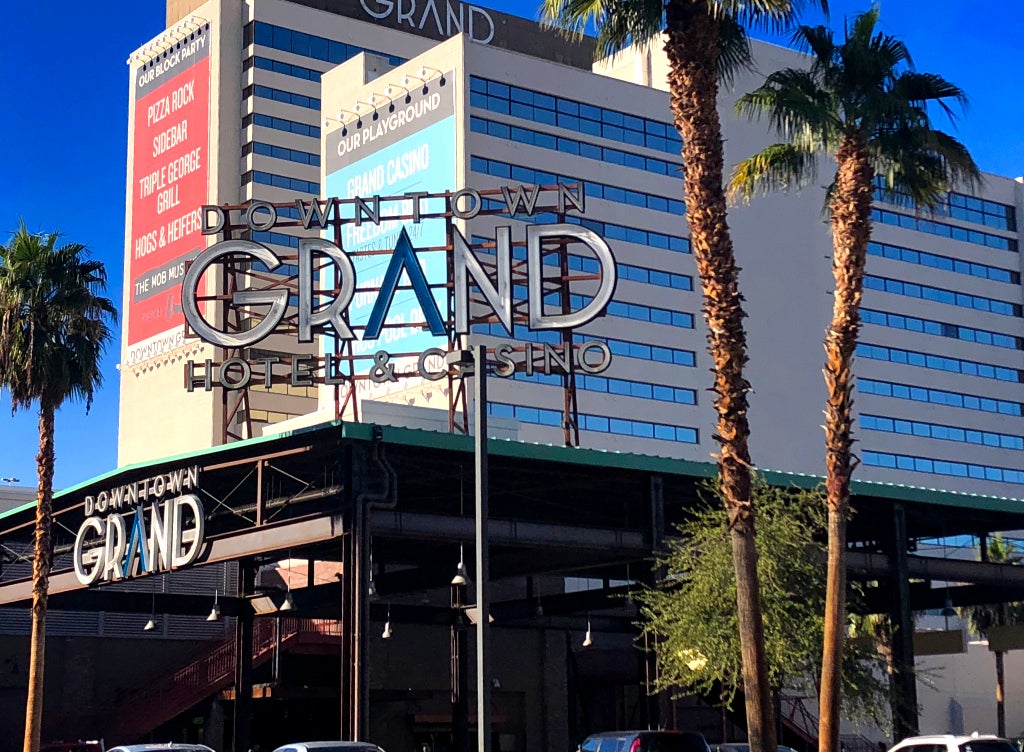
Downtown Grand Enters Receivership as Sale Process Begins
Downtown Grand has entered receivership following a $90 million loan default, with a court-appointed receiver now overseeing operations and a potential sale.

Las Vegas Tourism Slump Triggers Campaign to Win Back Canadian Visitors
Vegas is facing a tourism slowdown, driven by a steep drop in Canadian visitors, prompting officials to launch a campaign to rebuild demand.
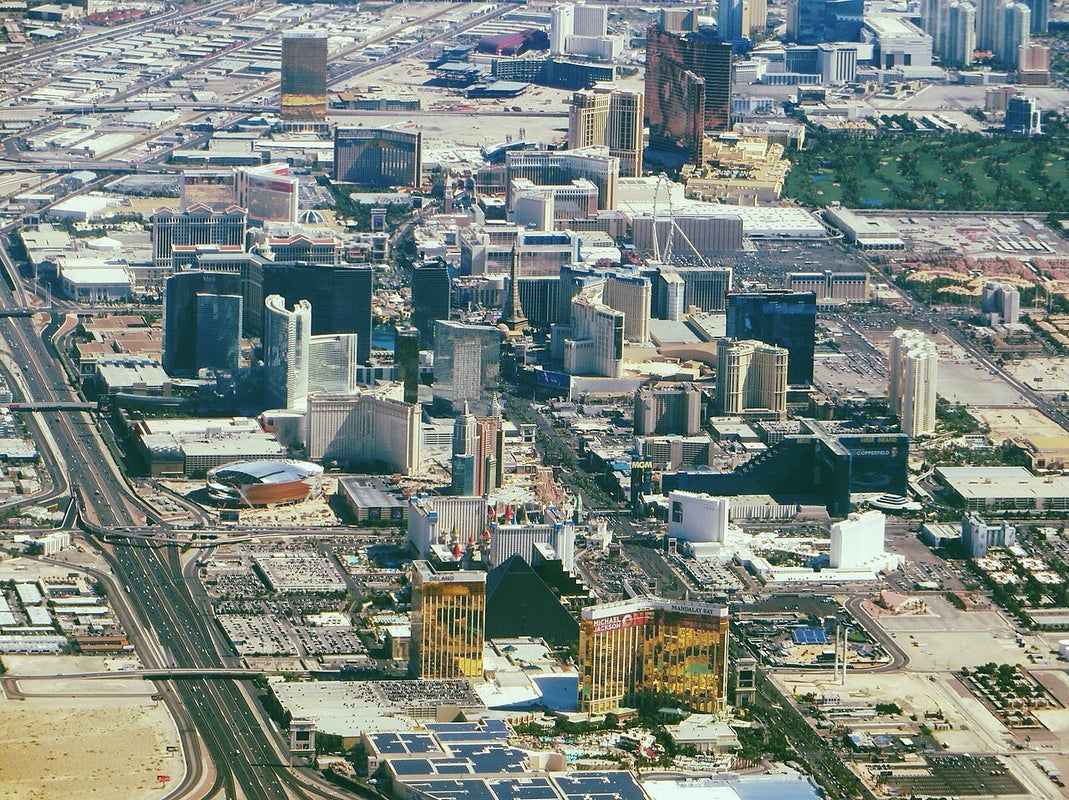
Las Vegas Strip Gaming Revenue Edges Amid Mixed Tourism Trends
Las Vegas Strip gaming revenue rose to $696.3M in February 2026, boosted by strong Baccarat play, despite mixed tourism and steady statewide growth.

NBA Board Approves Expansion Talks for Las Vegas and Seattle
The NBA has approved expansion talks for Las Vegas and Seattle, assessing ownership and finances, and targeting new teams for the 2028–29 season.
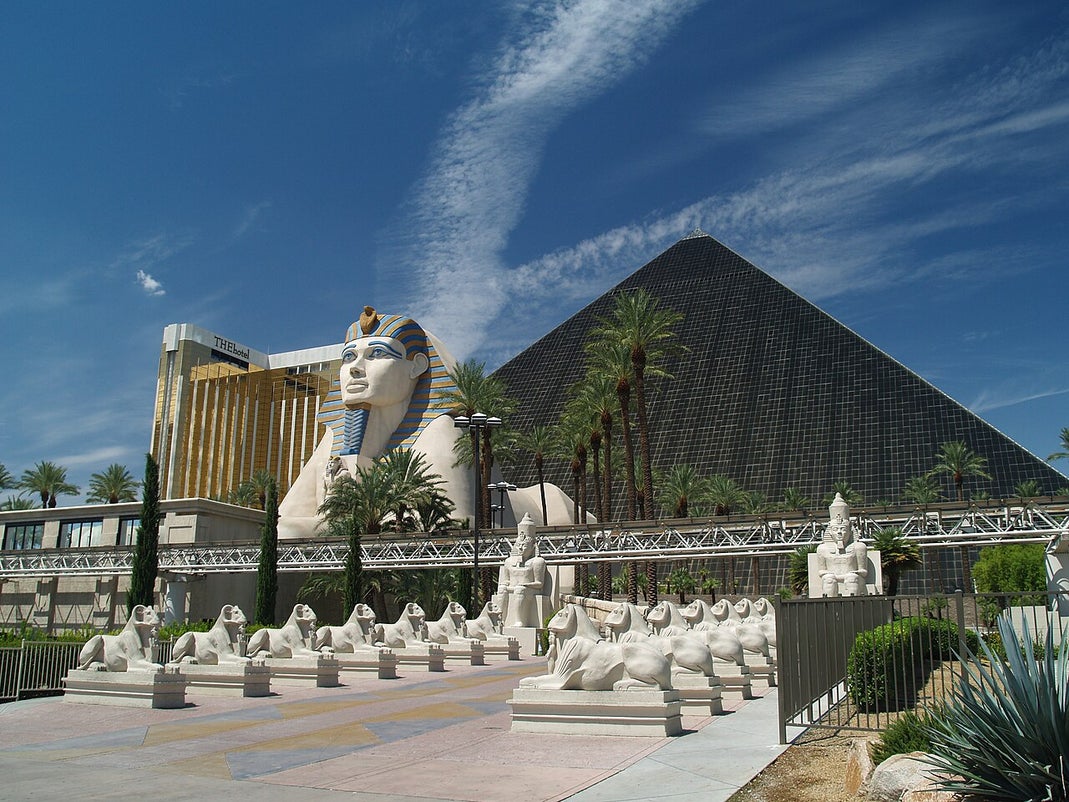
MGM Introduces $330 All-Inclusive Las Vegas Deal for Travelers
MGM rolls out a $330 all-inclusive Las Vegas deal covering hotels, meals, shows, and perks, aiming to simplify trips and appeal to value-driven travelers.
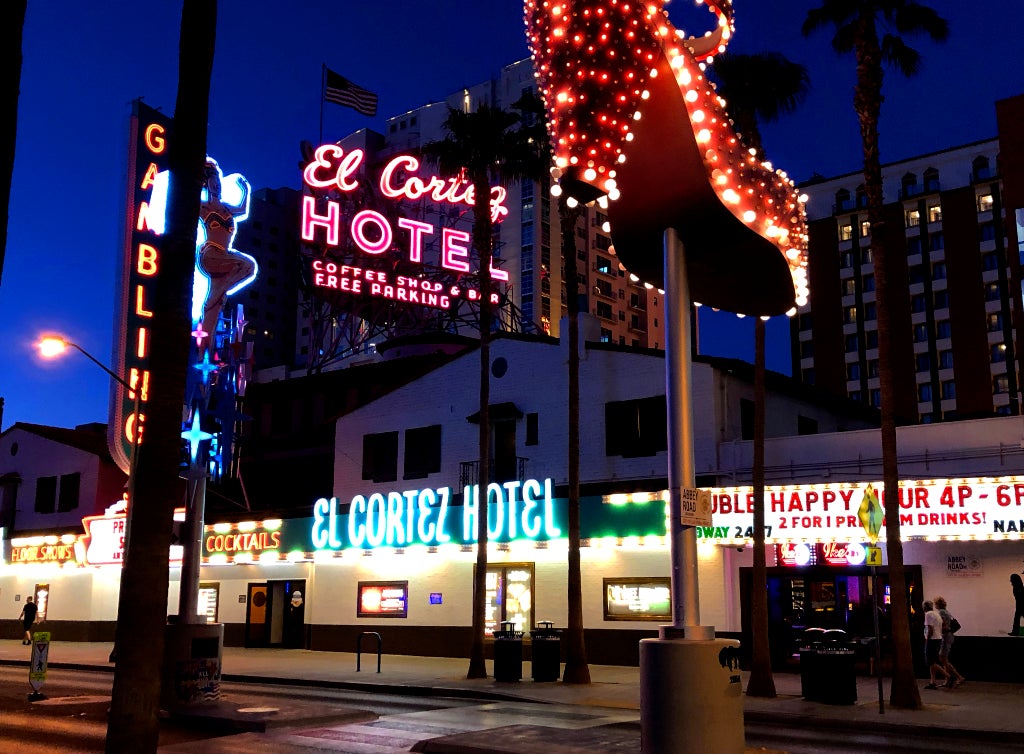
Vegas Leadership Milestones: El Cortez Reshuffle and McBurney's Recognition
El Cortez updates its executive team and expansion strategy, while Caesars' Sean McBurney gains Aspen Institute recognition for leadership development.
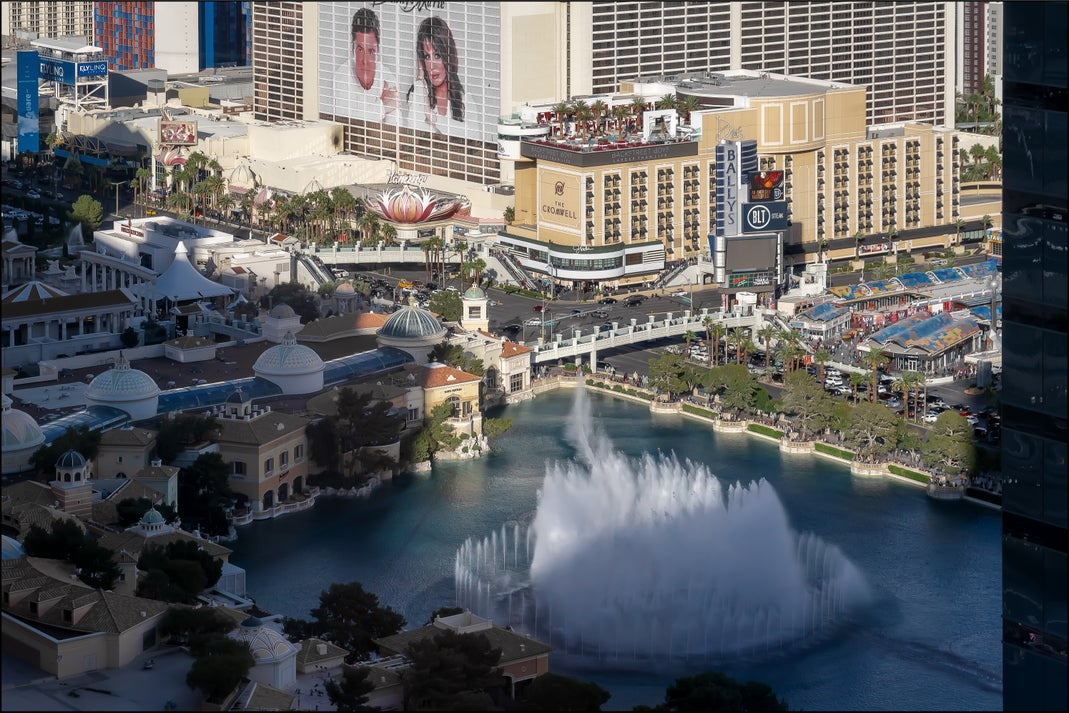
Vanderpump Hotel to Debut on the Las Vegas Strip in May 2026
Opening May 2026, the Vanderpump Hotel will replace The Cromwell with 188 luxury rooms, rooftop pool Soleia, and signature industrial-romantic design.
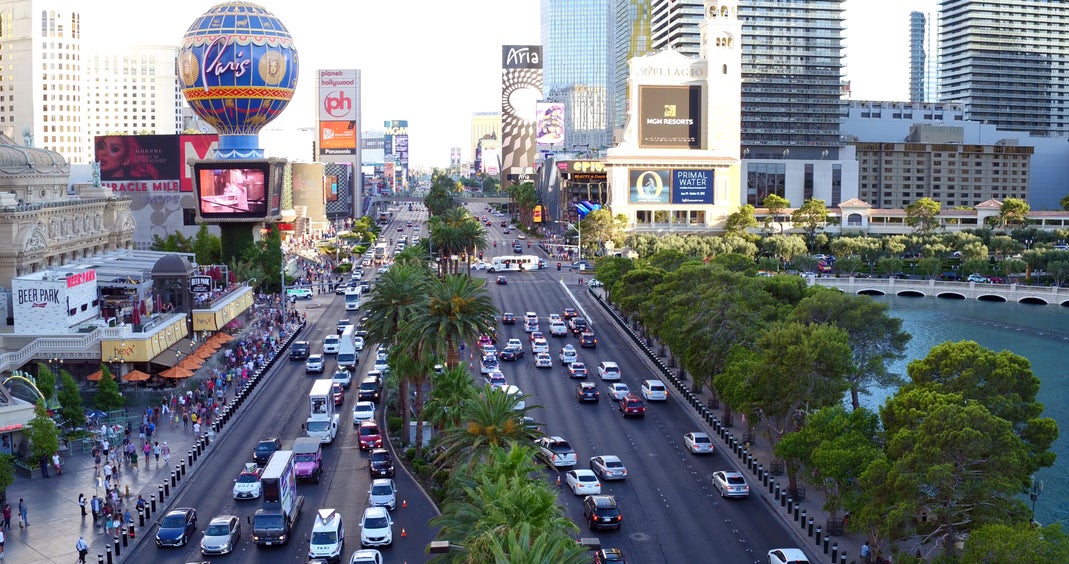
March Madness Drives Las Vegas Crowds Despite Ongoing Tourism Slump
March Madness packs Las Vegas sportsbooks, but rising costs and changing betting habits continue to drive a noticeable decline in tourism.
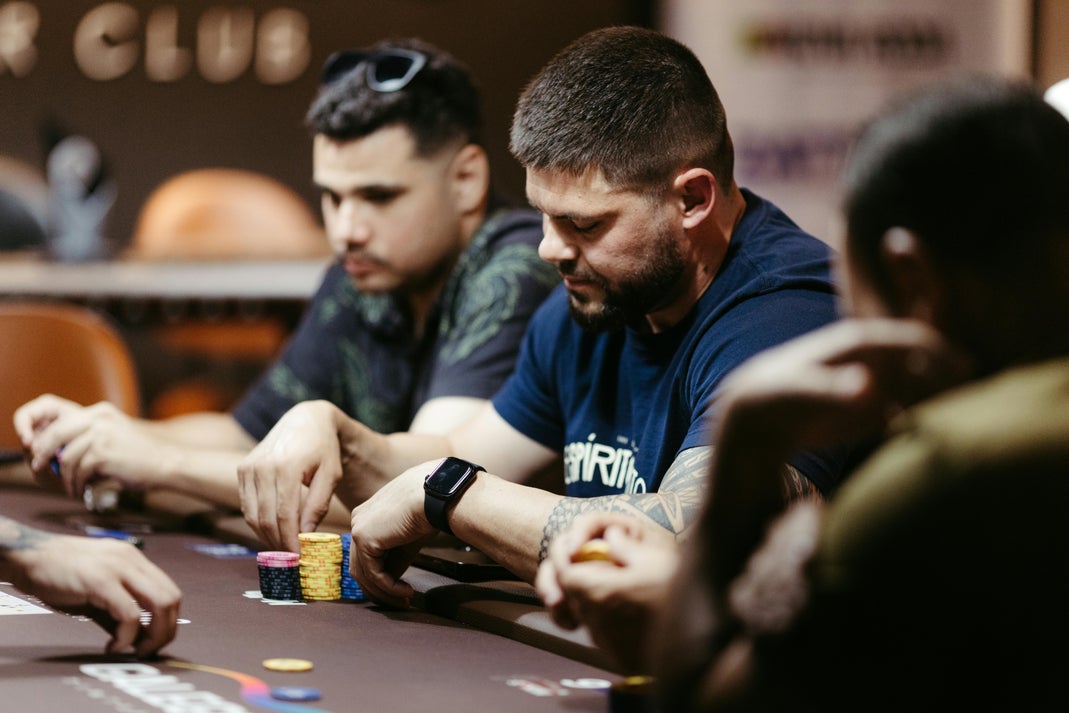
Resorts World Las Vegas to Close Poker Room as Online Gaming Rises
Resorts World will close its poker room as tourism declines and online gaming grows, signaling a broader shift in the city’s casino landscape.

NBA Board Set to Vote on Las Vegas and Seattle Expansion Teams
The NBA is considering expansion into Las Vegas and Seattle, targeting new teams by 2028–29 as owners weigh financial gains and league changes.
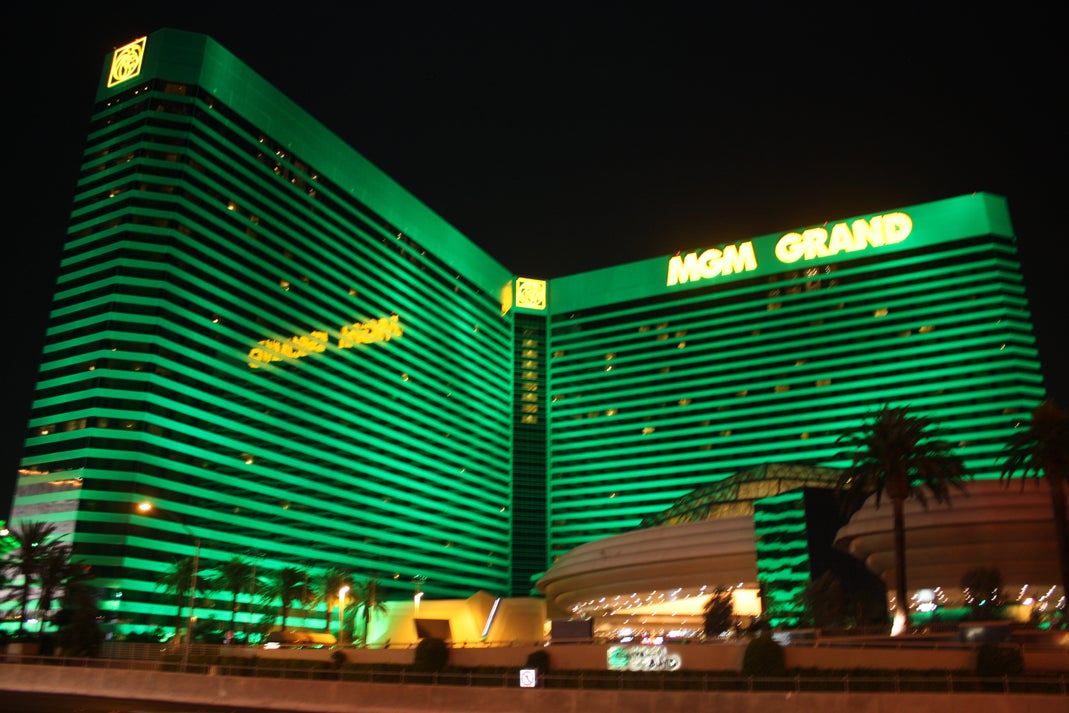
Las Vegas Court Advances Dwight Manley Case Against MGM Resorts to Trial
A Las Vegas judge has ruled that Dwight Manley's claim that he was drugged at MGM Resorts will proceed to trial, despite the casino denying any wrongdoing.
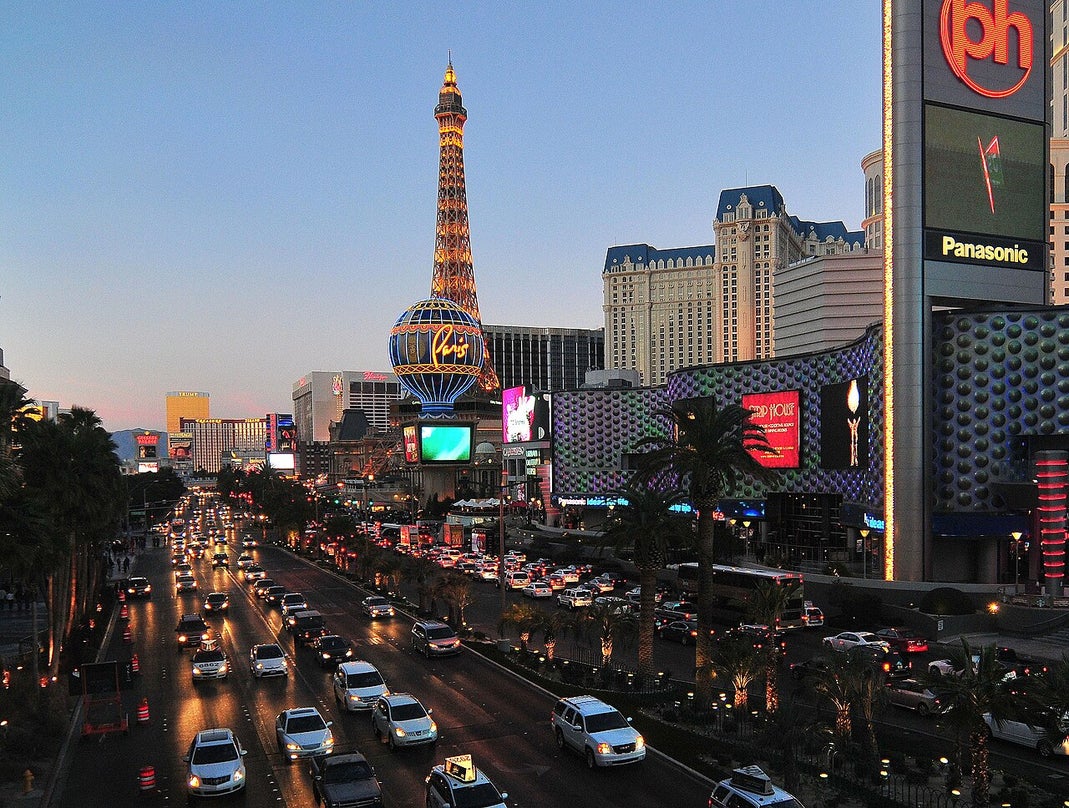
Las Vegas Visitor Numbers Decline in 2025 as Gambling Budgets Increase
Las Vegas saw a 7.5% drop in visitors in 2025, as gambling budgets increased, stays shortened, and spending on dining and shopping declined.
LVCVA Launches $3.5M Campaign to Revive Canadian Tourism in Las Vegas
The LVCVA is investing $3.5M in a three-year campaign to revive Canadian tourism in Las Vegas after visitor numbers dropped 24% in 2025.
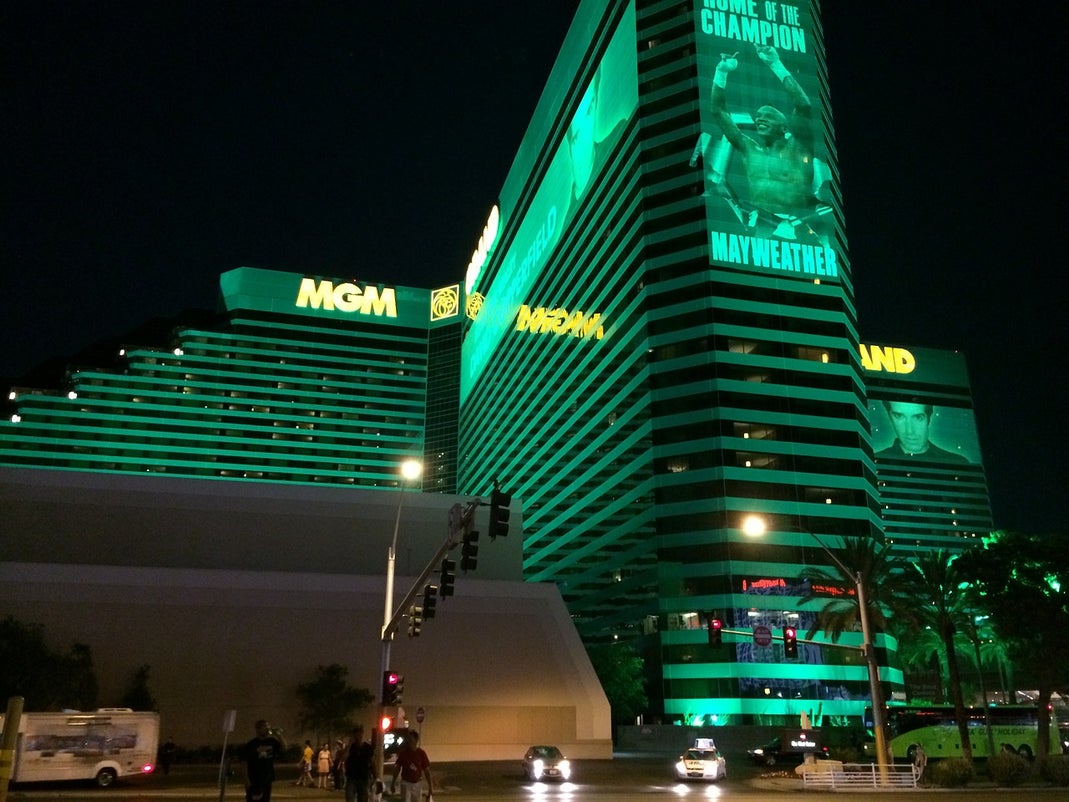
MGM Resorts Promotes Responsible Gambling with GameSense
MGM Resorts educates employees and guests on responsible gambling through GameSense, promoting safer play and a balanced Vegas experience.

Maxx Crosby Trade Collapses as Ravens Pivot to Trey Hendrickson
The Ravens canceled their trade for Maxx Crosby over medical concerns and quickly signed Trey Hendrickson to a four-year, $120 million deal.

Visit Las Vegas Unveils New "Code Match" Digital Game on the Sphere
Visit Las Vegas launches "Code Match", a sphere-powered mobile game revealing three-digit winning codes for 16 exclusive Vegas prize packages.
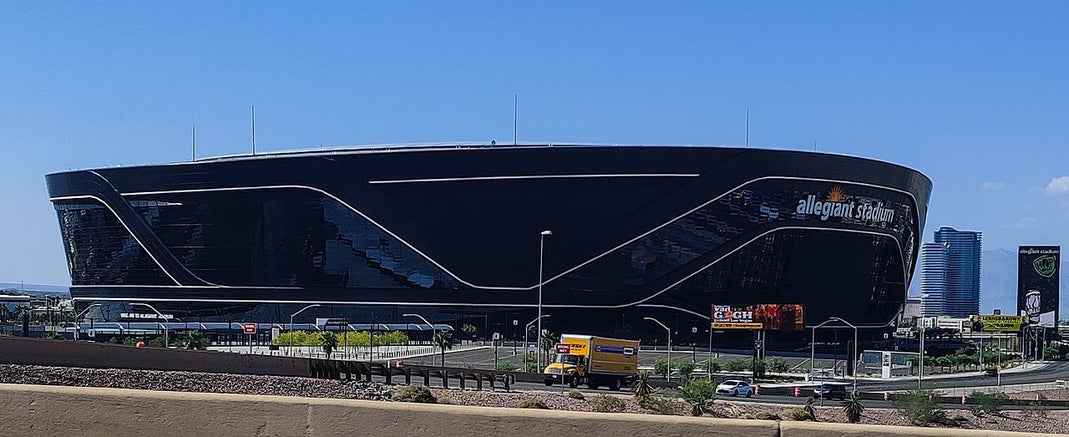
Las Vegas Raiders Trade Maxx Crosby to Baltimore Ravens for First-Round Picks
The Las Vegas Raiders trade star defensive end Maxx Crosby to the Baltimore Ravens for first-round picks in the 2026 and 2027 NFL drafts.
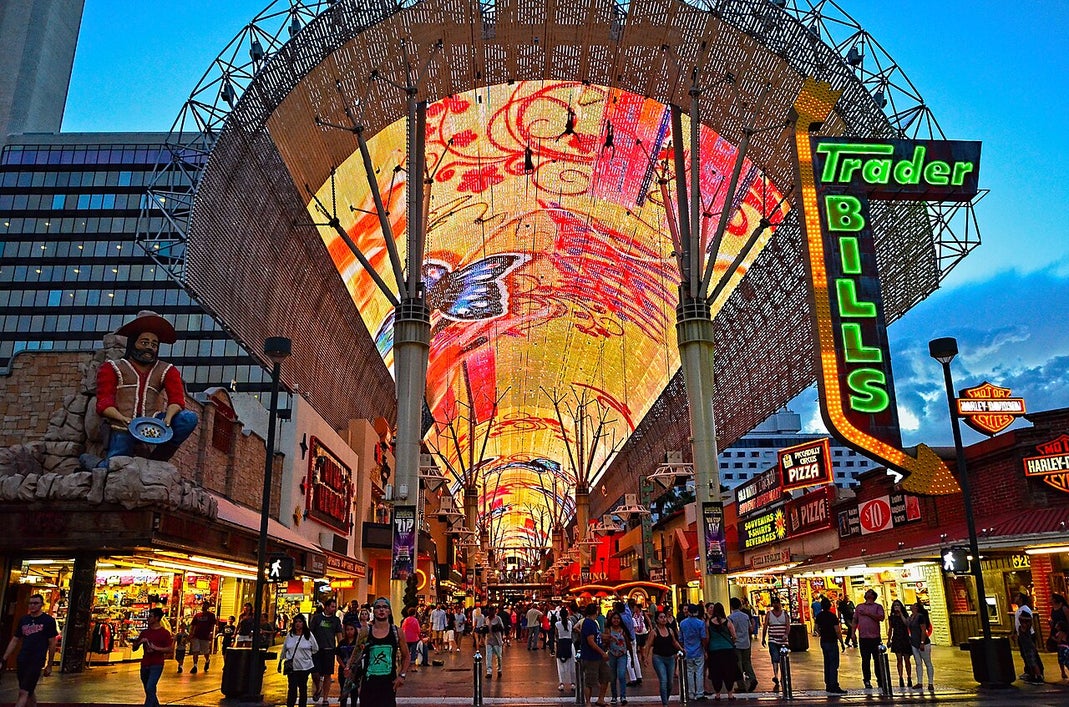
Downtown Las Vegas Casinos Attract Canadians with At Par Dollar Program
Downtown Las Vegas casinos launched the "At par" program, attracting over 15,000 Canadian visitors with equal currency value and exclusive perks.
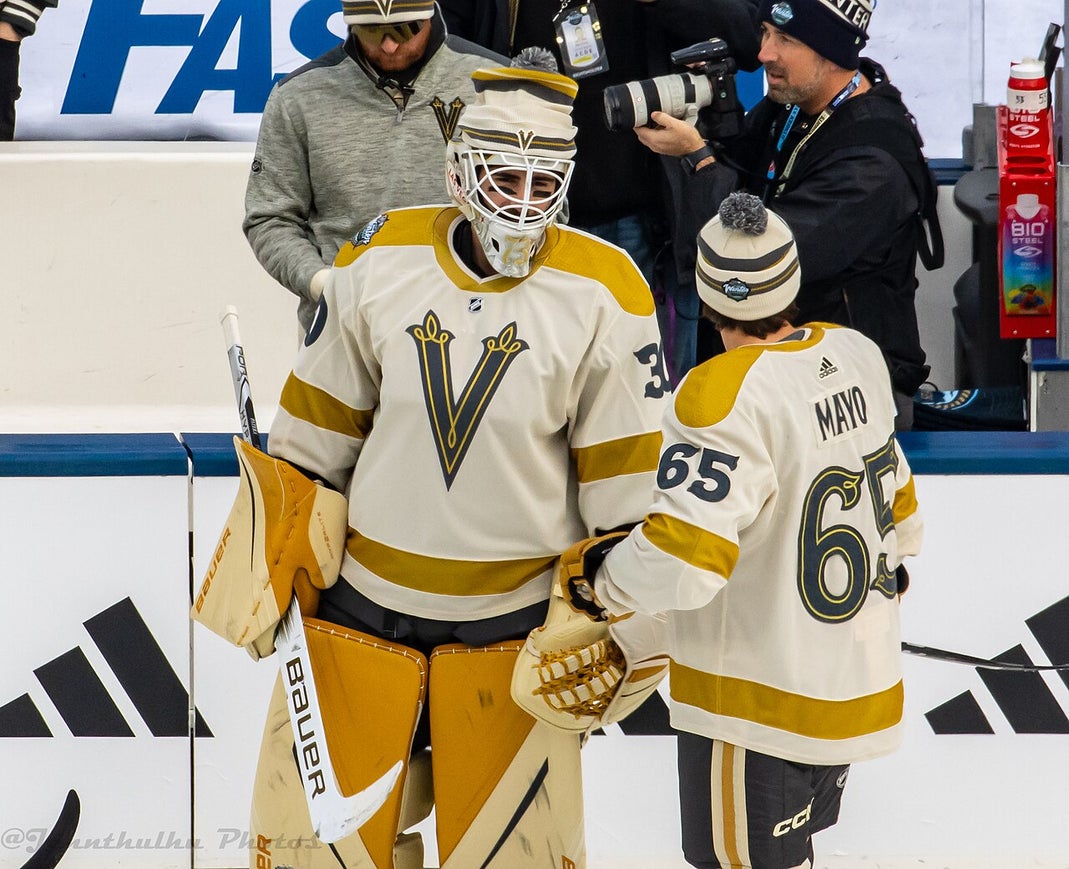
Vegas Golden Knights Face Crucial Decisions Ahead of Trade Deadline
The Vegas Golden Knights face mounting pressure before the NHL trade deadline as goaltending struggles, recent losses, and playoff positioning raise urgent questions.
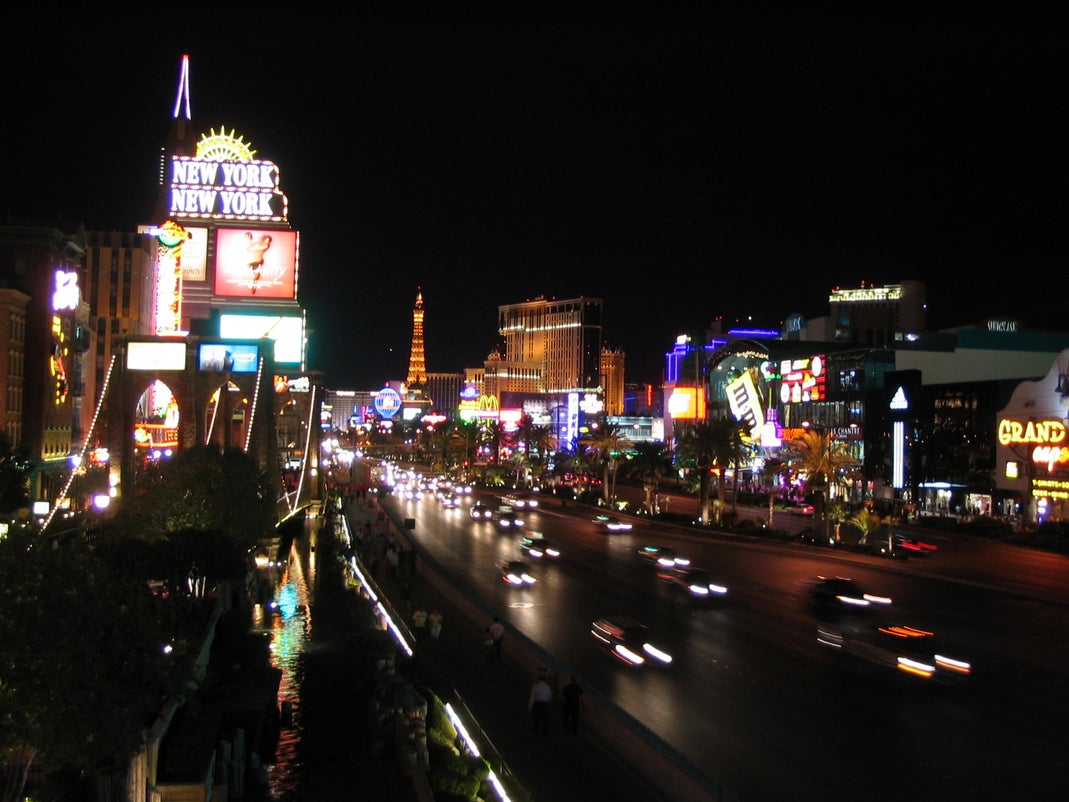
Las Vegas Strip Revenue and Visitor Numbers Decline in January 2026
Las Vegas Strip gaming revenue fell 11% in January 2026, while visitor numbers declined 2.2%, highlighting the city's ongoing economic challenges.
.jpg "Resorts World Las Vegas Hotel Towers – September 2021 Exterior View")
Resorts World appoints Sandoval and Burnett to Enhance Oversight
Resorts World Las Vegas appoints Sandoval and Burnett to improve anti-money-laundering practices following regulatory fines.
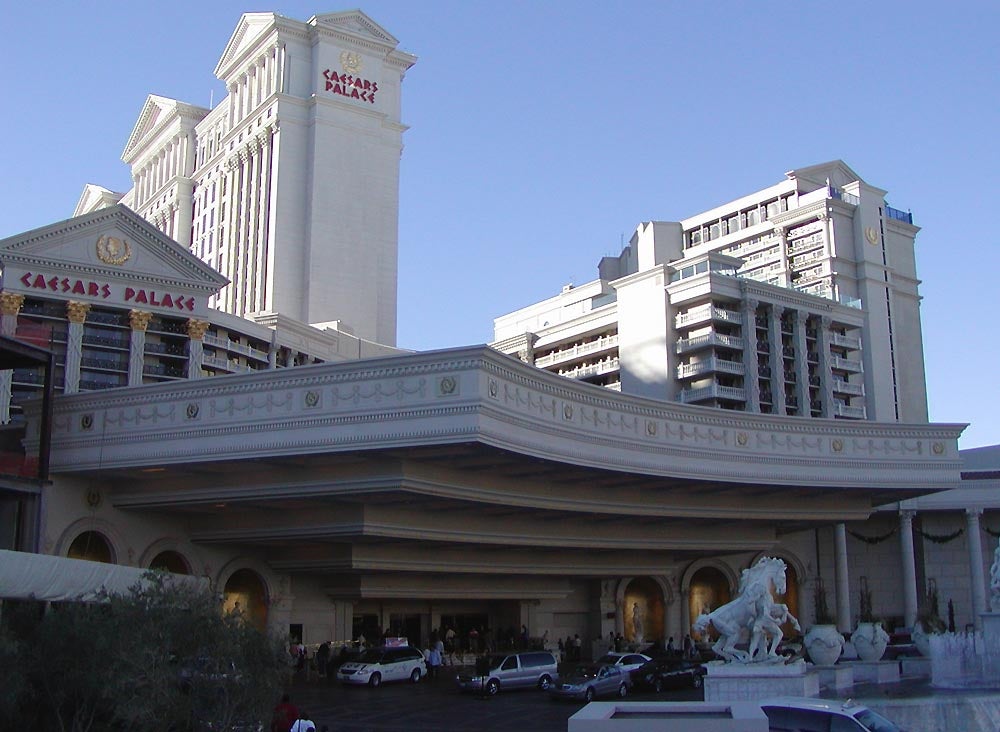
Caesars Entertainment Evaluates Takeover Interest from Tilman Fertitta
Caesars Entertainment is having potential takeover talks with Tilman Fertitta, while managing more than $20 billion in debt obligations.
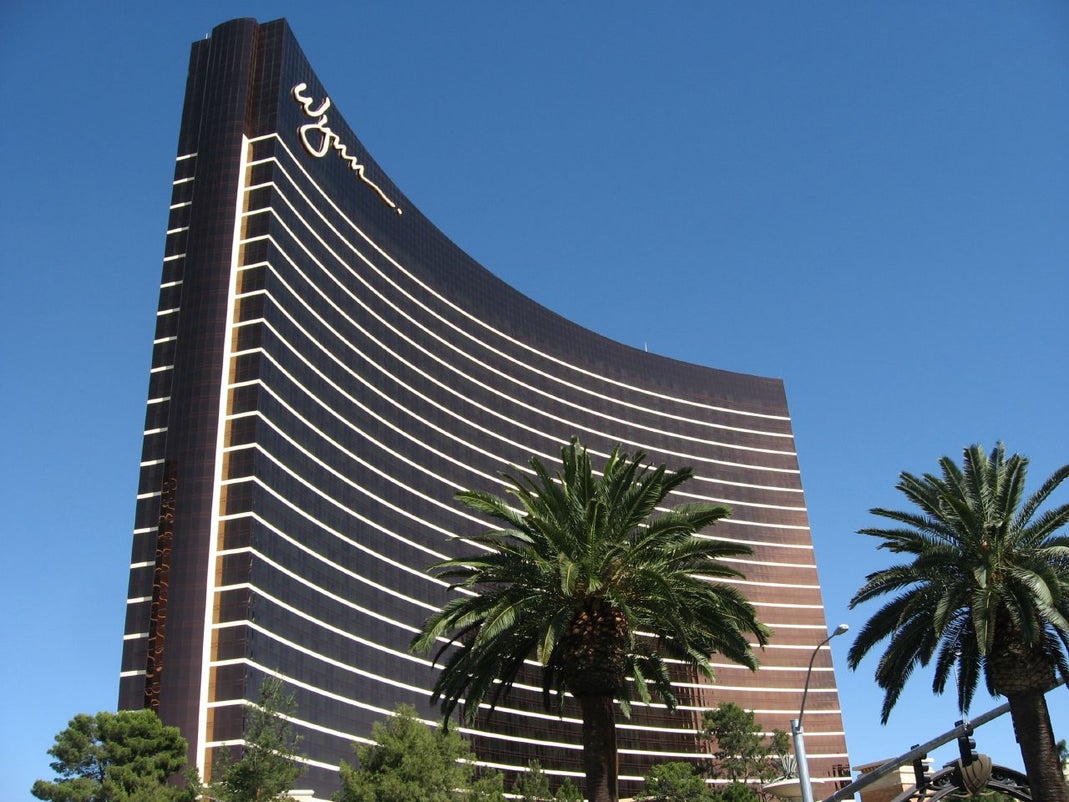
Wynn Resorts Confirms Data Breach Amid Growing Lawsuits
Wynn Resorts confirmed a major data breach involving employee records and now faces multiple lawsuits, prompting stronger cybersecurity measures.
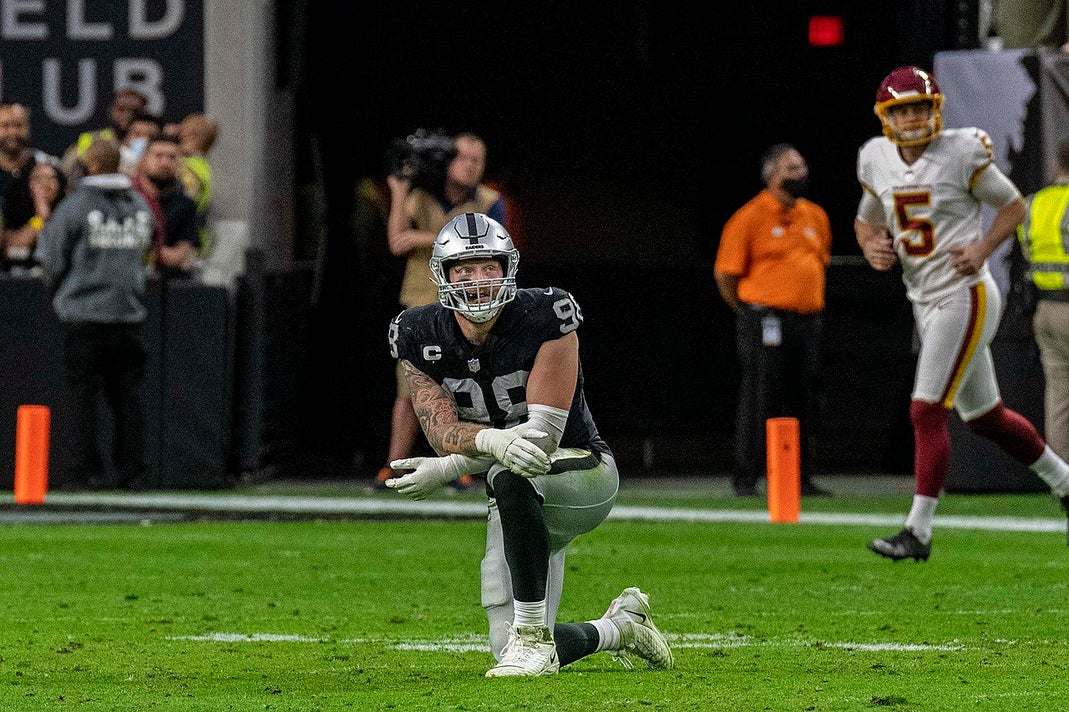
Las Vegas Raiders Address Maxx Crosby's Trade Rumors During Rebuild
Las Vegas Raiders look to rebuild their roster with the No. 1 draft pick while aiming to retain star defender Maxx Crosby amid ongoing trade rumors.
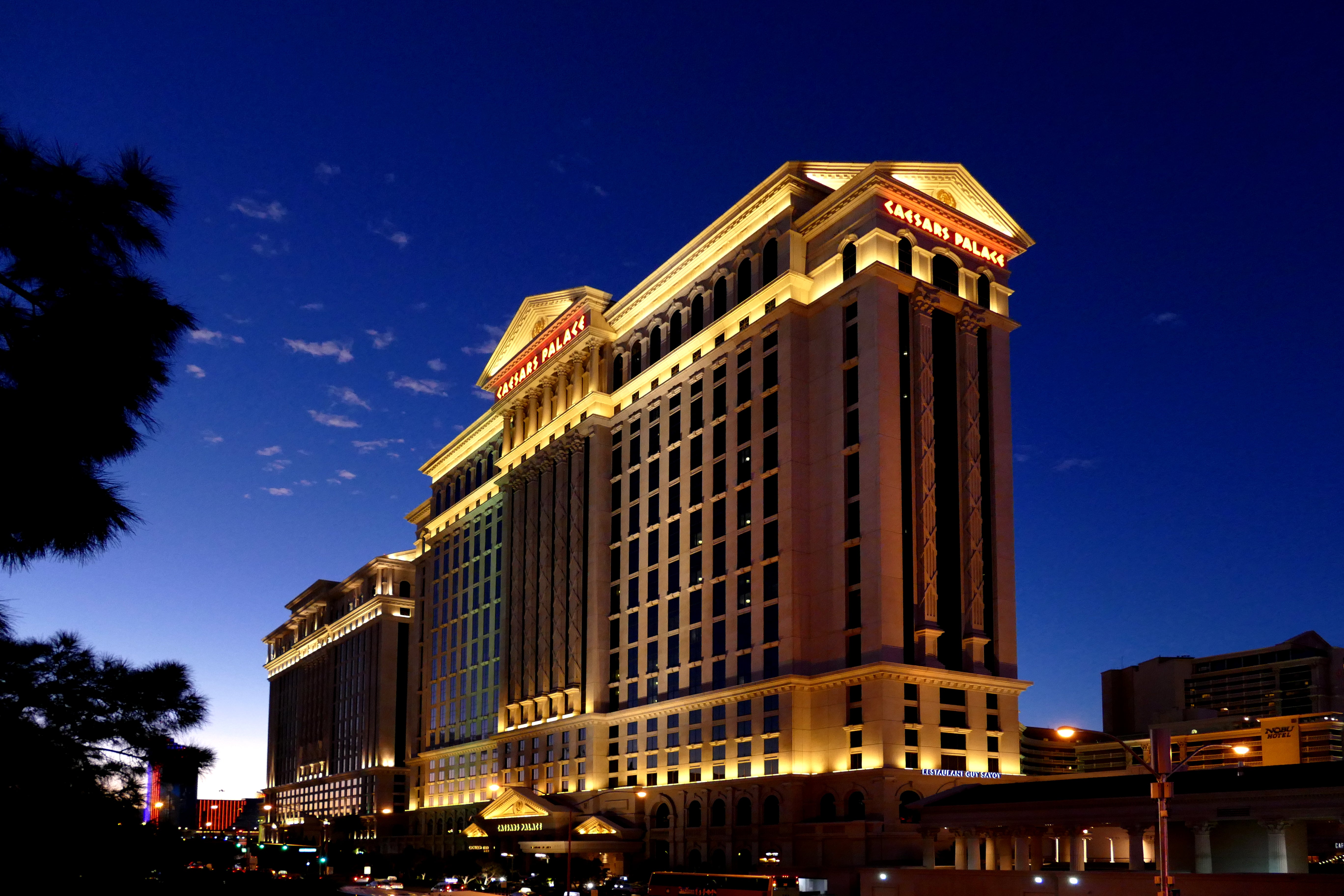
Caesars Palace Faces Lawsuit After Guest Dies Following Medical Emergency
The Perrin family alleges negligence after Caesars Palace staff reportedly called a rideshare instead of an ambulance during a medical emergency.
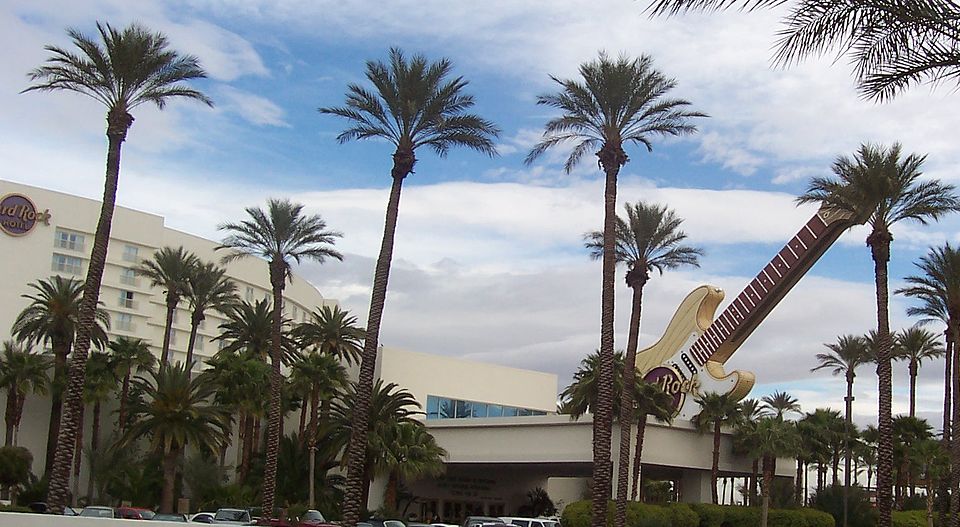
Hard Rock Las Vegas Announces Leadership Team Ahead of 2027 Opening
The Hard Rock Hotel & Casino Las Vegas will replace The Mirage on the Strip, with Justin Wyborn appointed Senior Vice President and General Manager.