

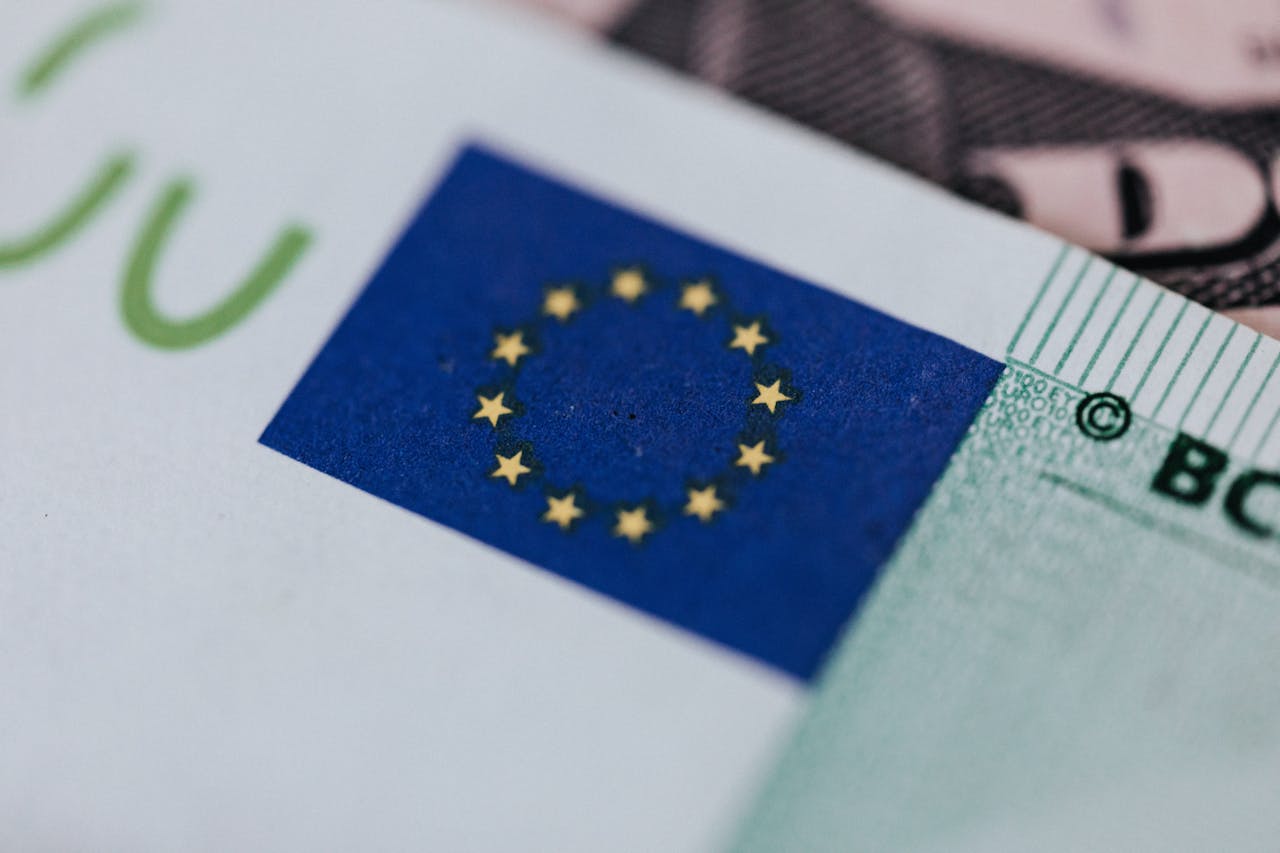
A proposed EU-wide gambling tax could raise billions, but legal barriers, market fragmentation and political resistance make it unlikely to materialise. Pexels, CC0

Related News

Saskatchewan Raises Indigenous Funding to CA$153.5M Through Gaming Revenue
Saskatchewan increases Indigenous funding to CA$153.5M, fueled by gaming growth, expanding support for housing, education, and local initiatives.

Macau Gaming Sector Surpasses 2025 Revenue Projections
Macau's gaming taxes climbed 7.6% in 2025, while GGR climbed 9.1%, highlighting the region's continued reliance on casino revenues.
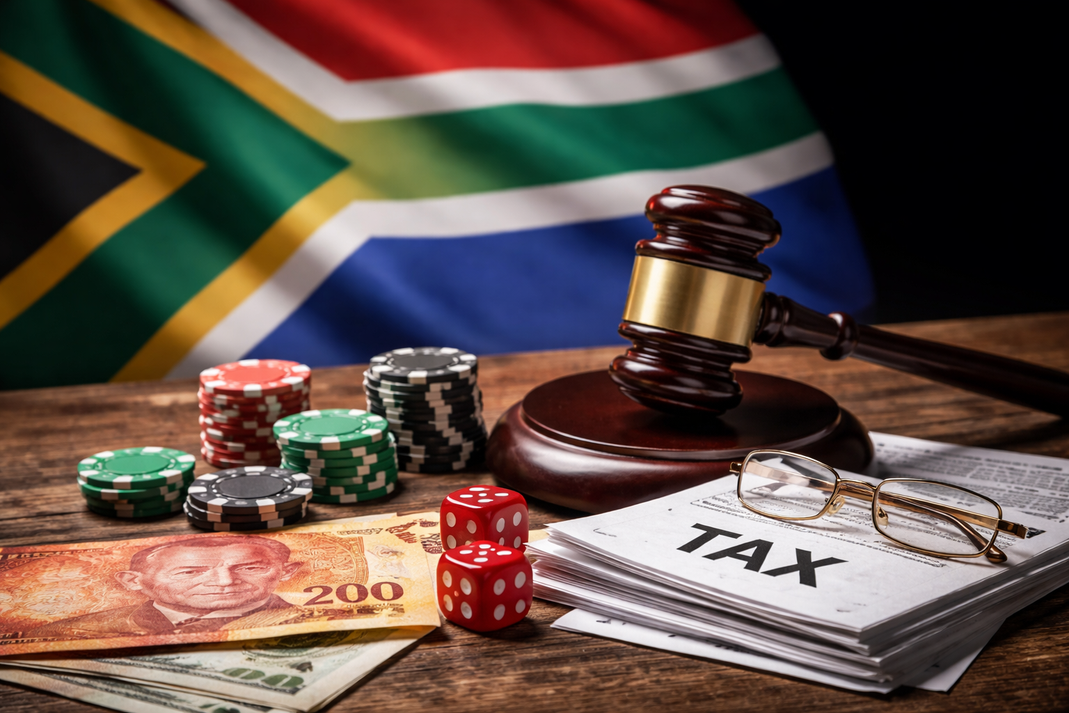
South Africa’s 20% Gambling Tax Plan Faces Backlash
South Africa’s proposed 20% online gambling tax is facing fresh industry backlash, with bookmakers warning the plan could squeeze licensed operators and make offshore sites more attractive.

Concerts Boost Macau GGR as UBS Cuts 2026 Casino Forecasts
Macau's March GGR is gaining momentum from major concerts, while UBS lowers 2026 casino earnings forecasts as rising costs weigh on profitability.

West Virginia Online Casino Revenue Soars in February, up 41.6% YoY
According to the West Virginia regulator, the state’s online casinos combined to produce $37.1 million in revenue in February.
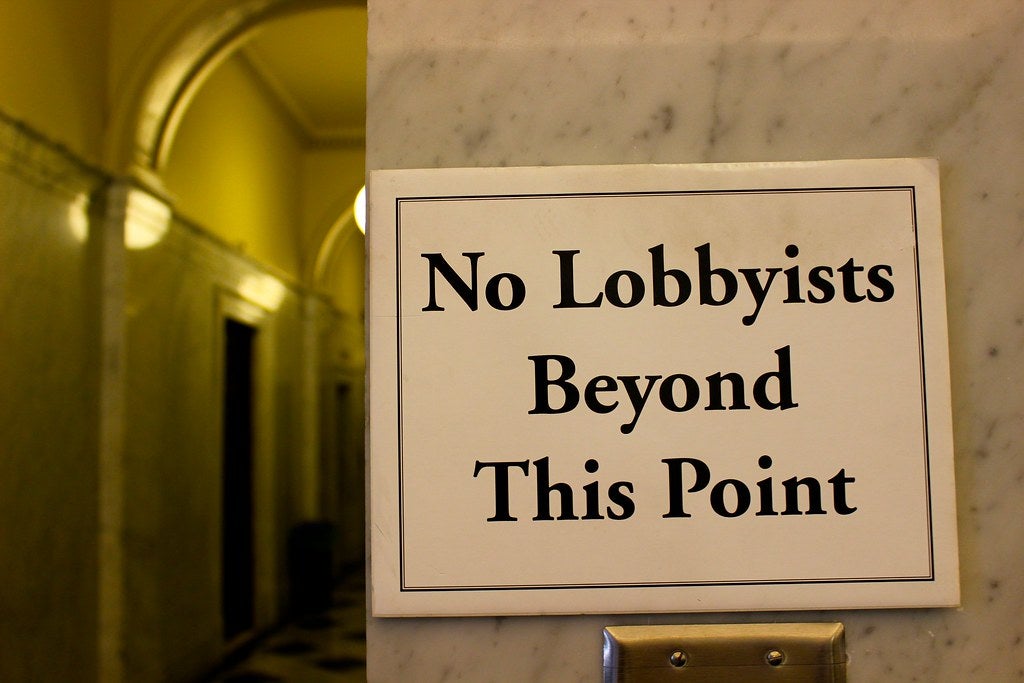
New York Casino Groups Dominate Highest Lobbying Spenders in 2025
The total amount spent on lobbying is also before anything is spent on the casino projects themselves, which will cost an estimated $4-8 billion each.
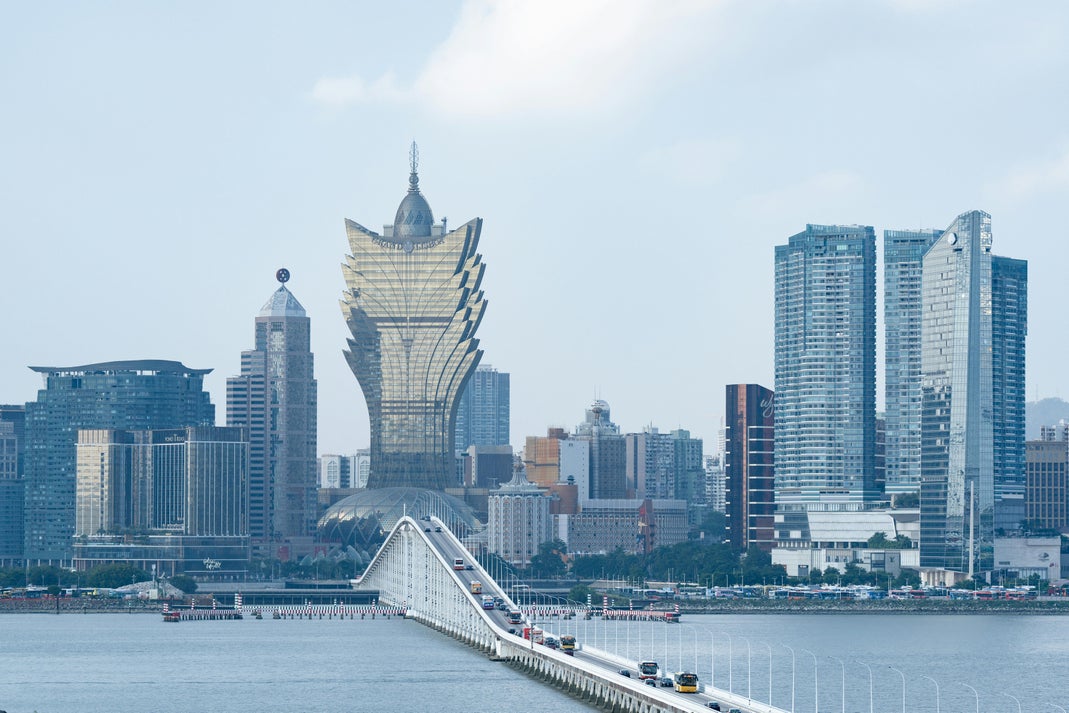
Macau's February Gaming Revenue Rises 4.5% YoY on CNY Celebrations
In February 2026, Macau welcomed nearly 1.6 million visitors during the Chinese New Year, boosting gross gaming revenue to MOP 20.63 billion.
Ontario's iGaming Breaks Revenue Record, Bragg Reports Growth, Parq Expands
Ontario's iGaming market hit CA$9.52 billion in January wagers, while Bragg Gaming reported revenue growth and Parq Casino advances expansion plans.

SARS Tightens the Net on Crypto Punters from 1 March 2026
From 1 March 2026, SARS will plug crypto and offshore financial data into global exchange systems, making it easier to match trading activity to tax returns — including for bettors using crypto rails.

Petersburg, Virginia Casino Posts Strong First 10-Day Revenue Total
Live! Casino & Hotel Virginia generated close to $4.7 million in adjusted gross revenue during its first week and a half, according to figures from the state.

Macau’s Gaming Activity Slows in Early February Ahead of CNY
Despite the slow start, analysts maintain February revenue forecasts, projecting a 4% increase compared to February 2025.

UK Payments Enter a New Era of Efficiency and Innovation
The UK’s payment overhaul aims to reduce costs for smaller merchants, addressing the significant fees they face compared to larger businesses.

Macau’s Casino Revenue Climbs 24% in January, Signaling Recovery
Macau’s GDP grew 7.6% in Q4 2025, followed by a 24% casino revenue surge in January 2026, driven by tourism gains and stronger domestic demand.
PepsiCo Beats Earnings Estimates as It Prepares to Cut Snack Prices
PepsiCo will decrease prices on several snack items in 2026.

GameStop CEO Teases a “Very Big” Deal That Could Transform Company
GameStop appears poised to attempt to make an acquisition that would be "transformational" to the company, but no target was named.
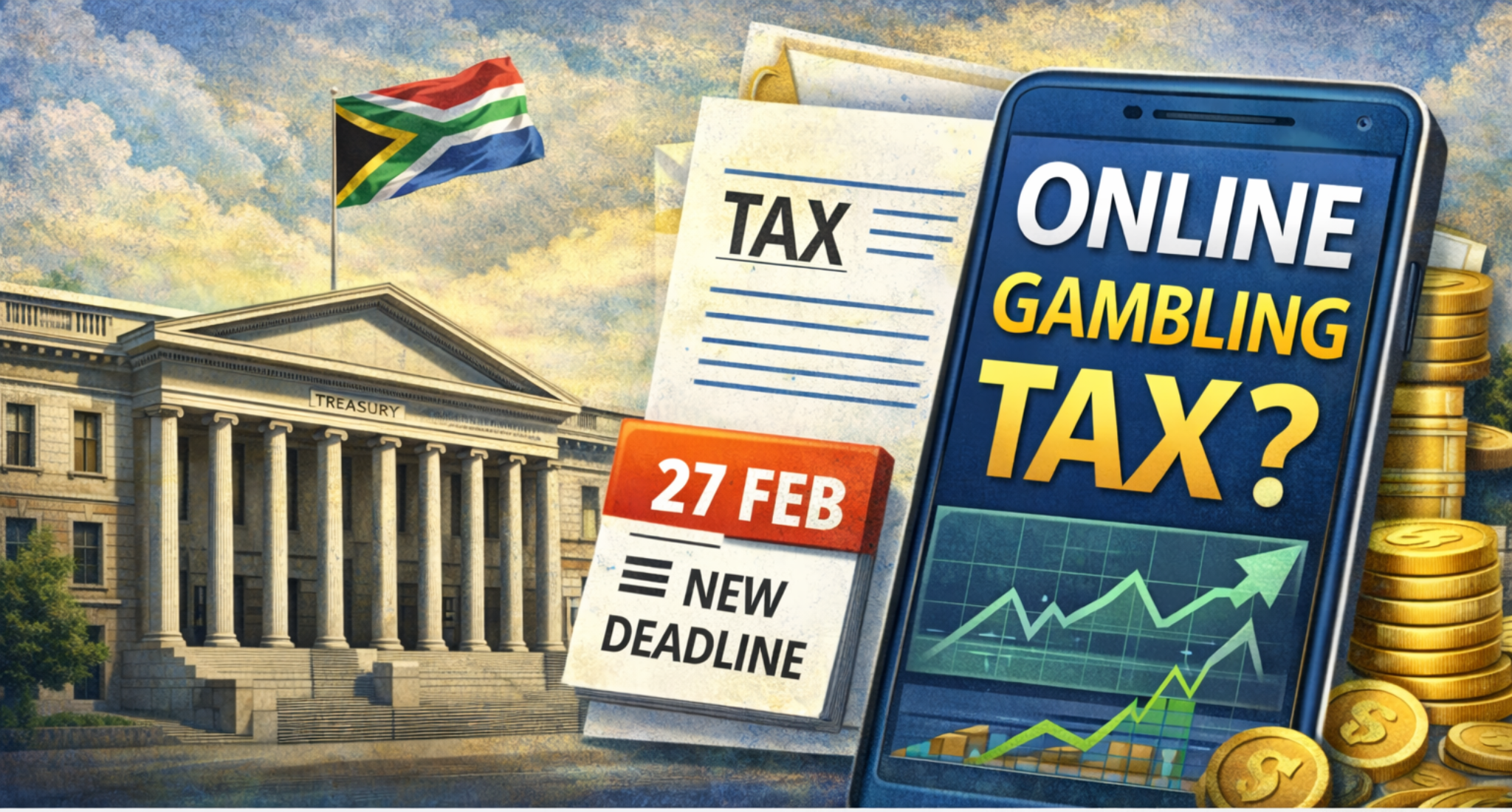
South Africa Extends Public Comment Deadline on Proposed Online Gambling Tax
National Treasury has pushed back the deadline for public comments on its draft online gambling tax proposals, giving stakeholders until 27 February 2026 to respond.
_for_$2.25_Billion.jpeg "Clorox to Purchase Gojo Industries (Purell Maker) for $2.25 Billion")
Clorox to Purchase Gojo Industries (Purell Maker) for $2.25 Billion
Clorox is purchasing Gojo Industries, the company behind Purell, for $2.25 billion.
UK Government Confirms Increased Taxes on Online Gambling Activities
The revised tax framework, targeting remote betting and online casinos, projects to generate over £1 billion annually in tax revenue.

SkyCity Confirms 19 February Results Date as NZICC Opening Nears
SkyCity has set 19 February 2026 for its half-year results release, as the NZICC prepares to open in central Auckland on 11 February 2026.

Netflix Revamps Warner Bros. Discovery Deal With $72B All-Cash Offer
Netflix moved to a $72B all-cash deal for Warner Bros. Discovery, aiming to speed approval and counter a rival bid.
Mixed feelings emerge as gambling tax reforms return to the spotlight
The UK government’s renewed focus on gambling taxation has triggered a divided response across the industry, with operators warning of unintended consequences while policymakers argue reform is overdue.

Following Netflix/Warner Deal, President Donald Trump Purchased Bonds
Following the announcement of the Netflix-Warner deal, President Trump purchased bonds.

Playtech shares hold above 50-day moving average as selling pressure eases
Playtech shares have continued to trade above their 50-day moving average following a volatile start to the year. While recent price action shows the stock remains down over the past month, holding this technical level may indicate easing selling pressure and a more stable near-term outlook.
Bain Capital To Make Bob's Discount Furniture Public, Files for IPO
The long-time furniture chain, Bob's Discount Furniture, has filed for its initial public offering.

MGM China and Melco Continue Tradition of Discretionary Staff Bonuses
MGM China and Melco award about 96% of employees an extra month’s salary for 2025 work, continuing Macau casino’s annual year-end bonus tradition.
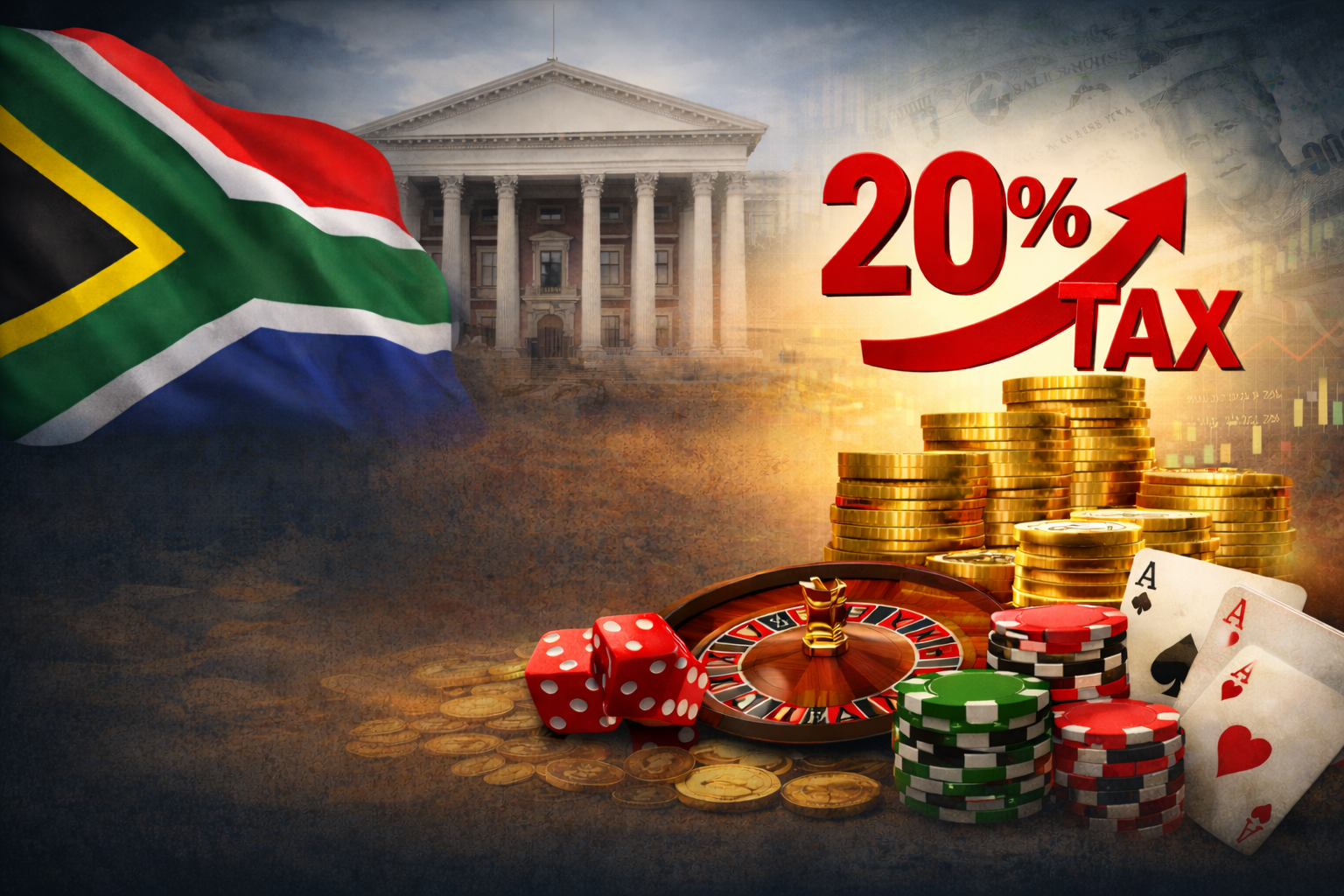
South African Treasury Department Proposes 20% Online Gambling Tax
South Africa’s National Treasury has proposed a new 20% tax on online gambling revenue. We break down the proposal and its potential impact.
Lotte’s Jeju Dream Tower 2025 Casino Sales Jump 62% to US$330 Million
Jeju casino sales surged 62% to KRW476B (US$330M), driven by a 54% visitor spike to 590,000, per unaudited Korea Exchange filings and operator data.
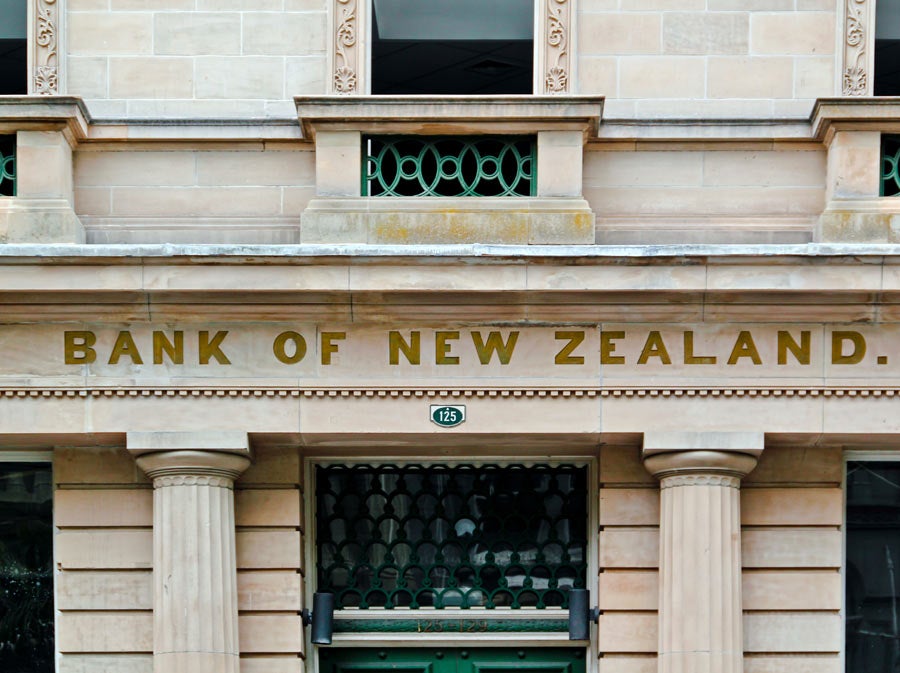
NZ Online Casino Bill 2026: Government Bans Credit Cards as Banks Tighten Gambling Controls
New Zealand banks continue to apply restrictions to gambling-related payments, especially for offshore casinos. We explain what players should know.
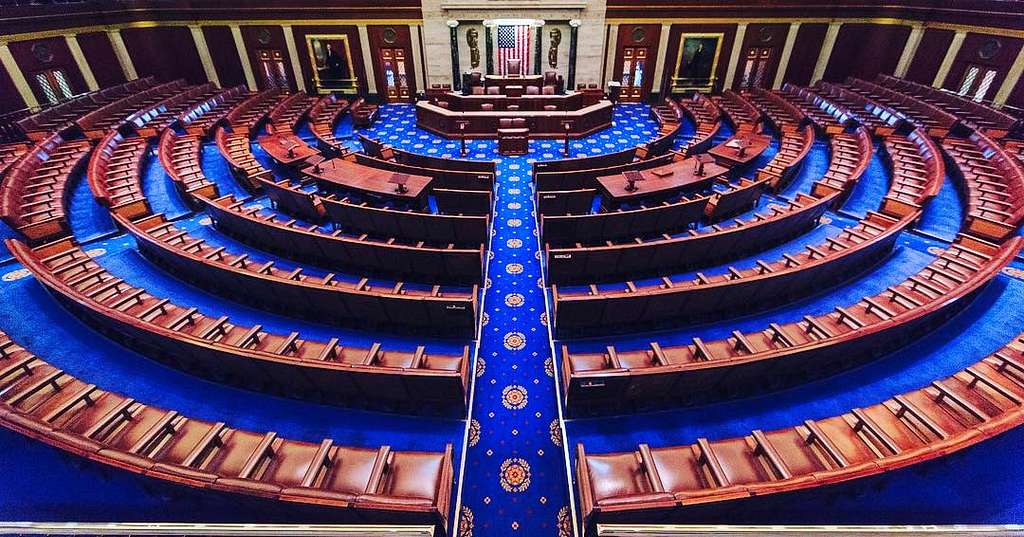
Nevada Rep. Titus Pushing for Late-Minute Gambling Tax Changes
Under the 90 percent structure, which will go into effect next year, gamblers could owe money in taxes in net-negative years.
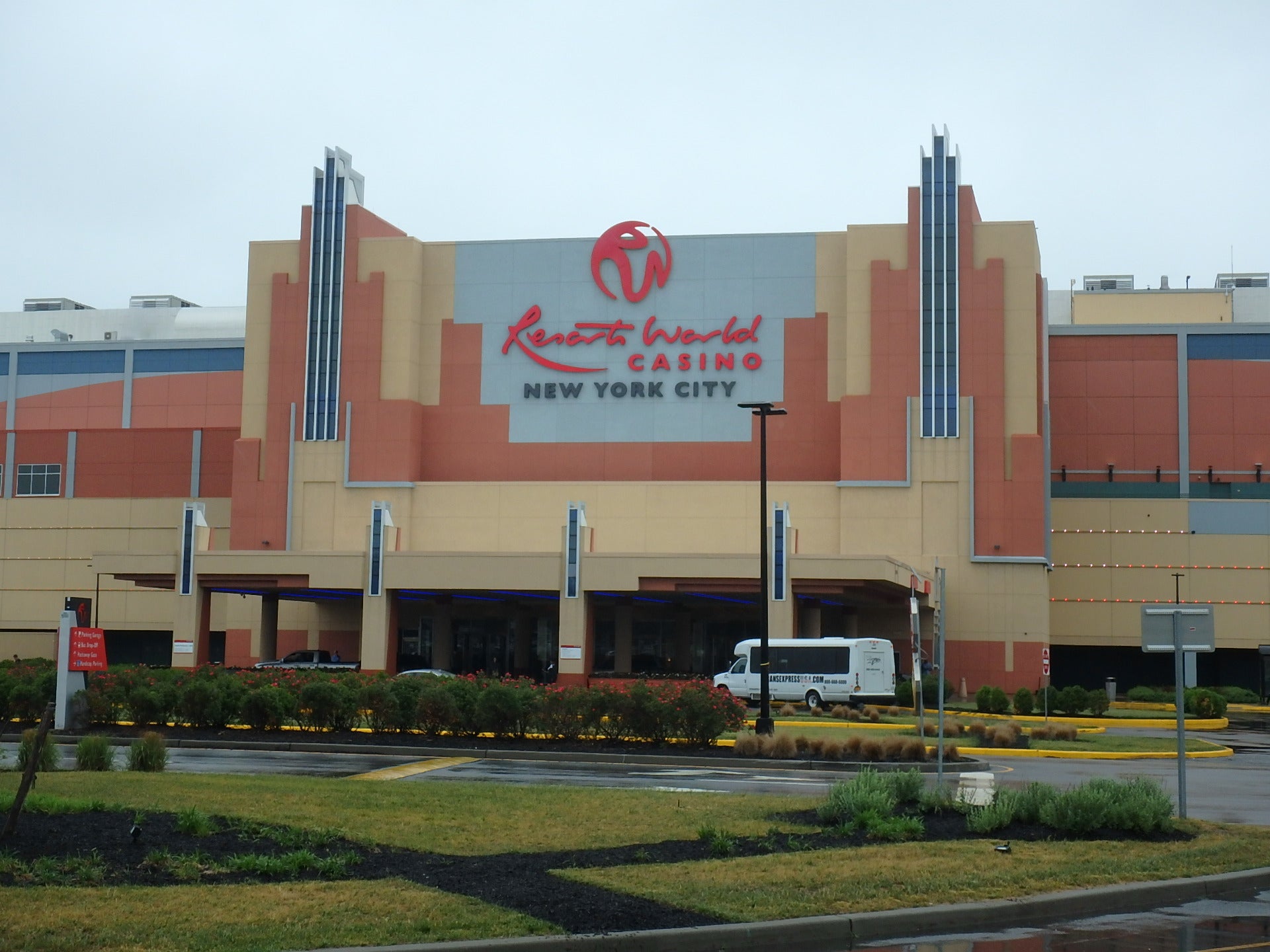
Resorts World NYC Hopes to Lower Tax Commitment for Proposed Casino
...Tax proposals of 56 percent on slot machine revenue and 30 percent on table games, which are well above industry standard.

Norfolk Casino Will Generate Less than 50% of Expected Tax Revenue
The Pamunkey Indian Tribe, which received federal recognition in 2015, was awarded the title of majority owner of the Norfolk project before construction ever began.

Illinois’ Casino Industry Surges 21% YoY During Favorable October
The Illinois Gaming Board revealed in its monthly revenue report that the retail gaming industry generated $165.8 million in October revenue.

Ohio Retail Casino Market Produced $88.9 Million in July, Grows 8.4 Percent YoY
Revenue reached $88.9 million during the period, led by $24.7 million, an 11.3 percent YoY increase, by Hollywood Columbus Casino.