


Photo by Wikimedia Commons, CC0 1.0 (https://creativecommons.org/publicdomain/zero/1.0/deed.en)

Related News
Massachusetts Legislature Effective Kills iGaming Bill, Which Will Be Resubmitted
While the bill was effectively rendered useless for the remainder of the legislative session, it can be refiled in its current form when the next one begins.
Betty Gaming Expands iBingo Presence with Kirkland Lake Hall Acquisition
Betty Gaming acquires Kirkland Lake Bingo Hall to modernize operations, expand its gaming reach, and increase funding for local charities.

iGaming cyber threats evolving as AI and data risks change industry
Cybersecurity threats facing the iGaming sector have “grown and changed shape”, with AI-driven attacks, identity abuse and supply-chain risks now replacing traditional fraud concerns.

Virginia Gov. Spanberger Has One Week to Decide on Fairfax Casino Bill
As Virginians await her decision, the Board of Supervisors is encouraging the Governor to strike down a bill it never wanted.
.jpg)
Online sports betting may be driving binge drinking among young men, study finds
A new study suggests that young men who already drink heavily may be more likely to binge drink when engaging with online sports betting, raising fresh questions about the wider social impacts of gambling apps.
.jpg)
Eden Hazard investigated by Belgian regulators after Stake ambassador deal
Former Chelsea and Real Madrid star Eden Hazard is reportedly under investigation by Belgium’s gambling regulator after signing a new ambassador deal with online casino brand Stake.
Travel agent jailed for three years after stealing £500k to fund online gambling
A UK travel agent has been sentenced to three years in prison after defrauding her employer of nearly £500,000 over a 20-month period, with part of the stolen money spent on online gambling.

Alan Spence claims £800k gambling debt unenforceable due to alleged illegal bookmaker
Classic-winning racehorse owner Alan Spence told the High Court that gambling debts of around £800,000 should be void because the bets were allegedly placed with an illegal bookmaker.
Mum who hid gambling addiction paid off £40,000 debt by selling clothes
Rachel Grady said depression and the “buzz” of gambling pulled her into addiction during 2020, leaving her with £40,000 of debt before she rebuilt her finances through online clothes reselling.
U.S. Government Set to Receive $10 Billion Fee From TikTok Deal
The US government is set to receive about $10 billion from investors as part of a deal restructuring TikTok’s U.S. operations.
NFL, CBS Reportedly Negotiating Major Rights Fee Increase for Sunday Games
The NFL and CBS are reportedly discussing a new deal that could raise the network’s rights fee by roughly $1 billion.

Crown Melbourne Launches AU$200m Southbank Redevelopment
Crown Melbourne is rolling out a AU$200 million redevelopment of its Southbank precinct, with more than 15 new venues, Riverwalk upgrades and a broader hospitality expansion through 2027.
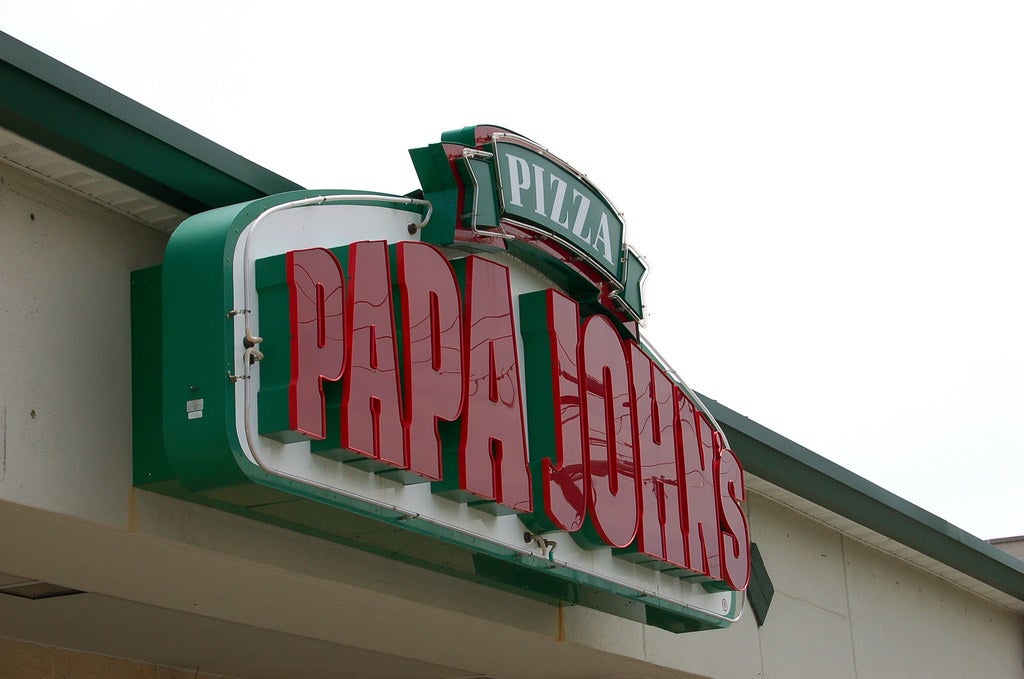
Qatari-Backed Irth Capital Submits $1.5B Bid to Take Papa John’s Private
Irth Capital has reportedly offered $47 per share to acquire Papa John’s and take the pizza chain private.
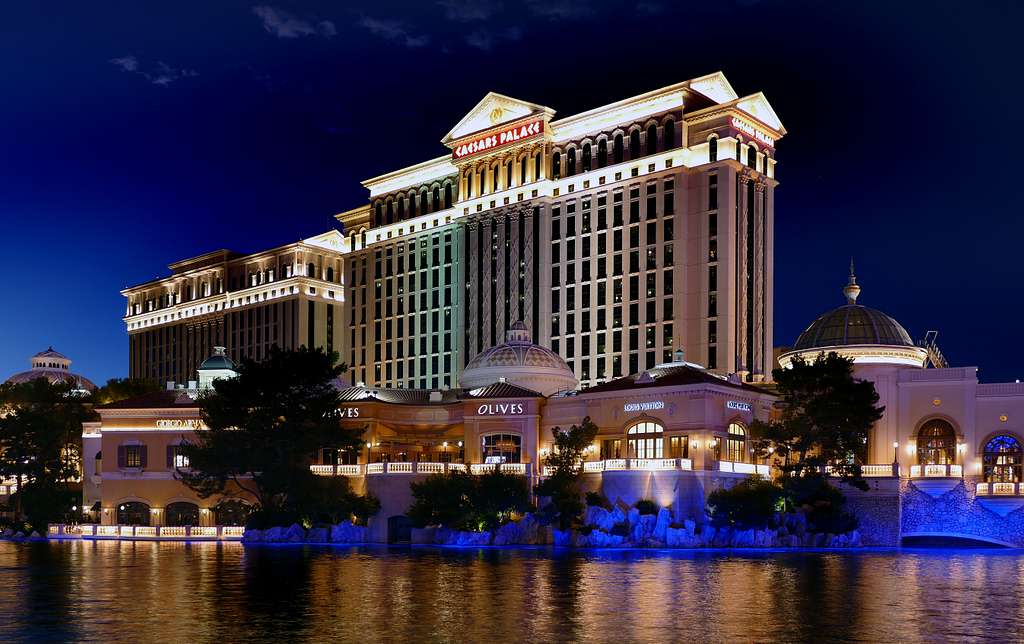
Tilman Fertitta Reportedly in Talks to Buy Caesars Entertainment in $7B Deal
Tilman Fertitta is reportedly negotiating a $7 billion takeover of Caesars Entertainment after topping a competing bid from Carl Icahn.
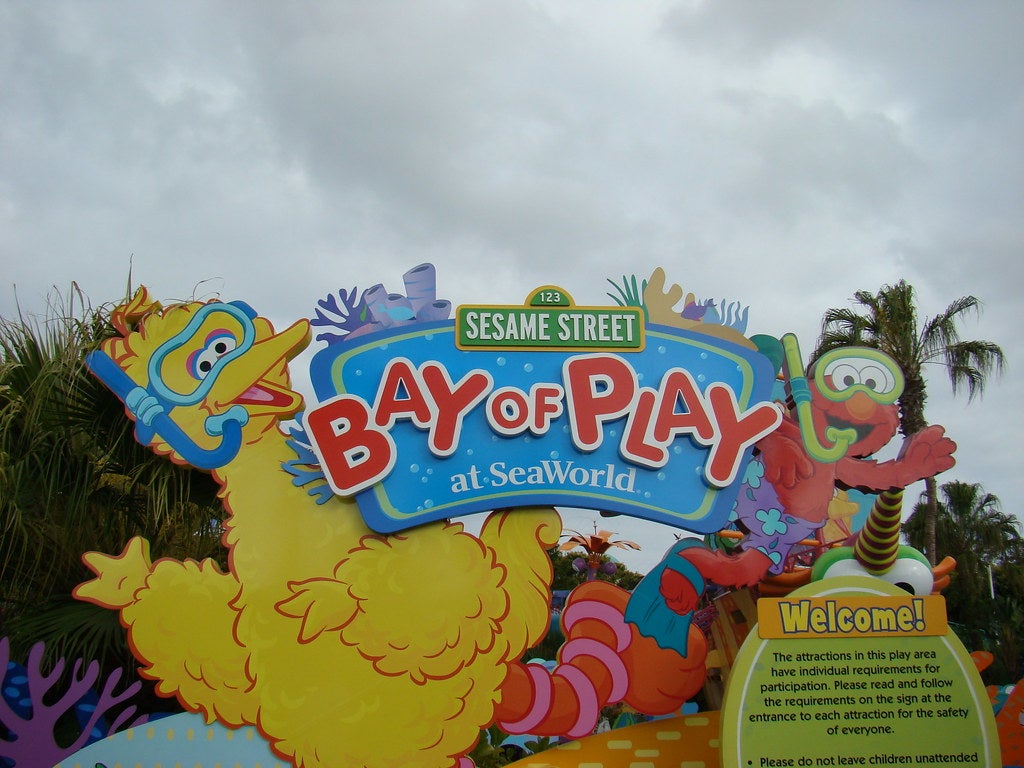
Sesame Street Nonprofit Sues SeaWorld Parent Company Over Unpaid Royalties
Sesame Workshop has sued United Parks & Resorts, alleging unpaid royalties and disputes tied to Sesame Street–themed park operations.

Gambler who lost £250,000 says he “suffered in silence” before seeking help
A man from Bedfordshire who lost more than £250,000 through gambling has spoken publicly about his addiction after completing residential treatment with gambling harm charity Gordon Moody.

How UK regulation is shaping the future of European iGaming
As more European countries regulate online gambling, many are looking to the UK’s regulatory framework for guidance. The Gambling Commission’s approach to enforcement and consumer protection is increasingly influencing how operators build platforms and manage risk across the continent.

Maryland Senate Does Not Vote On Proposals to Legalize Online Casinos
This is the third straight year that Sen. Ron Watson (D-23) has attempted to get a form of iGaming legislation over the line.

Hoiana Hotel & Suites Earns Forbes 4-Star and Unveils Entertainment Hub
Forbes Travel Guide awards Hoiana Hotel & Suites a 4-Star rating as the resort launches a new Entertainment Hub with bowling, VR sports, arcade games, and nightlife.
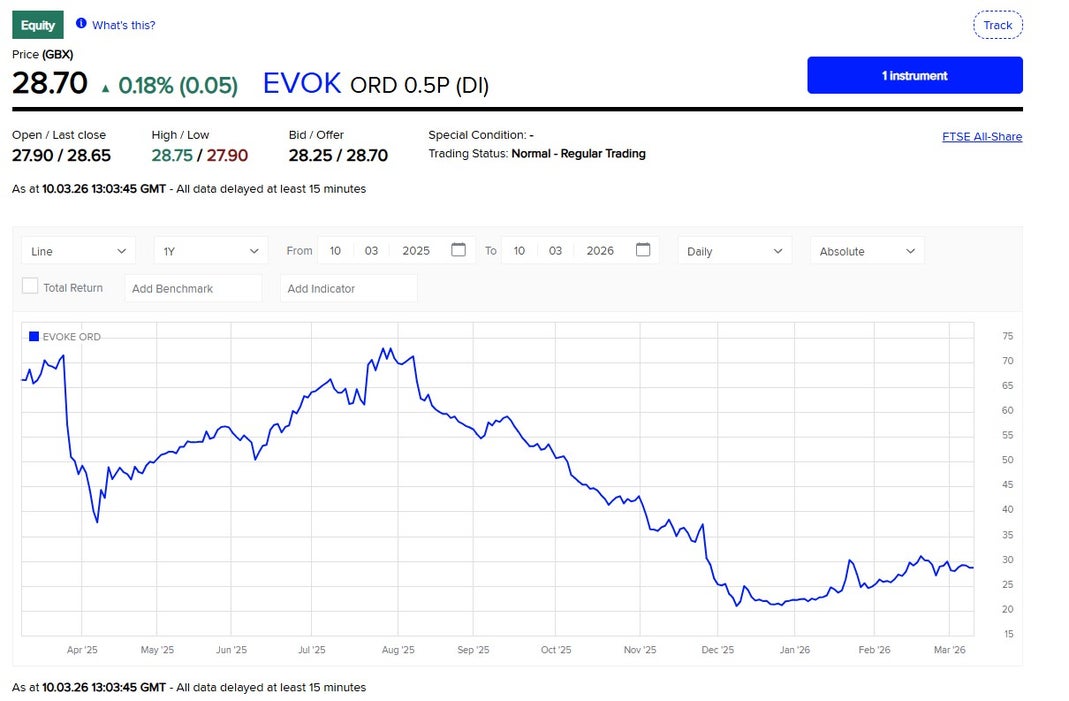
Private equity takeover considered as Evoke faces tax and debt pressure
Evoke has launched a strategic review as new UK gambling tax increases and rising debt put pressure on the business. Analysts suggest a private equity takeover or asset sales could be among the operator’s possible options.

Entain posts £681m loss after UK gambling tax impact
Entain has reported a £681m loss for 2025 after recording a significant impairment charge linked to UK gambling tax changes announced in the government’s November Budget. Despite the loss, the company said underlying revenue continued to grow.

AI chatbots found recommending illegal online casinos to vulnerable users
AI chatbots operated by major technology companies have been found recommending illegal online casinos and advising users how to bypass gambling safeguards. The findings have prompted concern from regulators, campaigners and addiction experts in the UK.

Curious Games enters iGaming market through Relax Gaming partnership
Curious Games has launched its entry into the iGaming sector through a new partnership with Relax Gaming. The studio will distribute its upcoming titles through Relax’s Silver Bullet programme, gaining access to regulated markets and tier-one operators worldwide.

Why iGaming tech companies are increasingly choosing Edinburgh
Edinburgh is rapidly establishing itself as one of Europe’s leading iGaming technology hubs. Industry figures say the city’s fintech expertise, world-class universities and growing network of operators and suppliers are attracting companies seeking engineering, data science and AI capabilities.
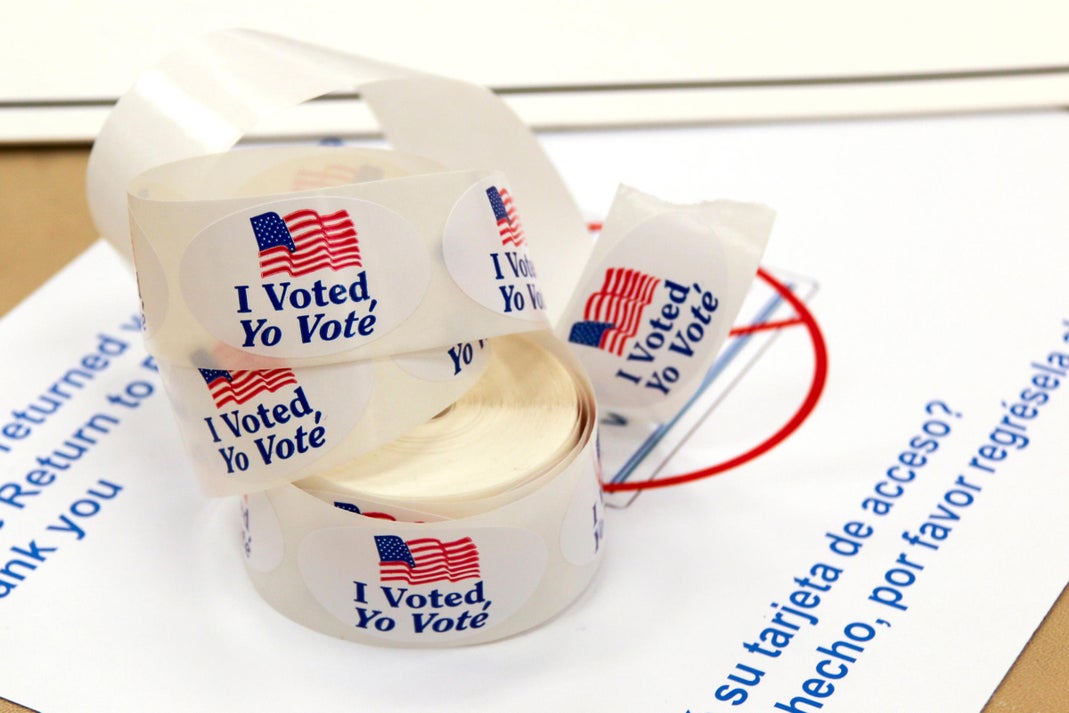
Texas Primary Election Results Hurt Efforts to Legalize Casinos, Gambling
Numerous anti-gambling incumbents defeated pro-gambling challengers who were backed by Las Vegas Sands’ political action committees (PACs).

PrizePicks Exits Canadian Market as Company Prioritizes US Expansion
PrizePicks will end its Canadian operations by April, citing regulatory hurdles and reallocating resources to expansion in the United States.
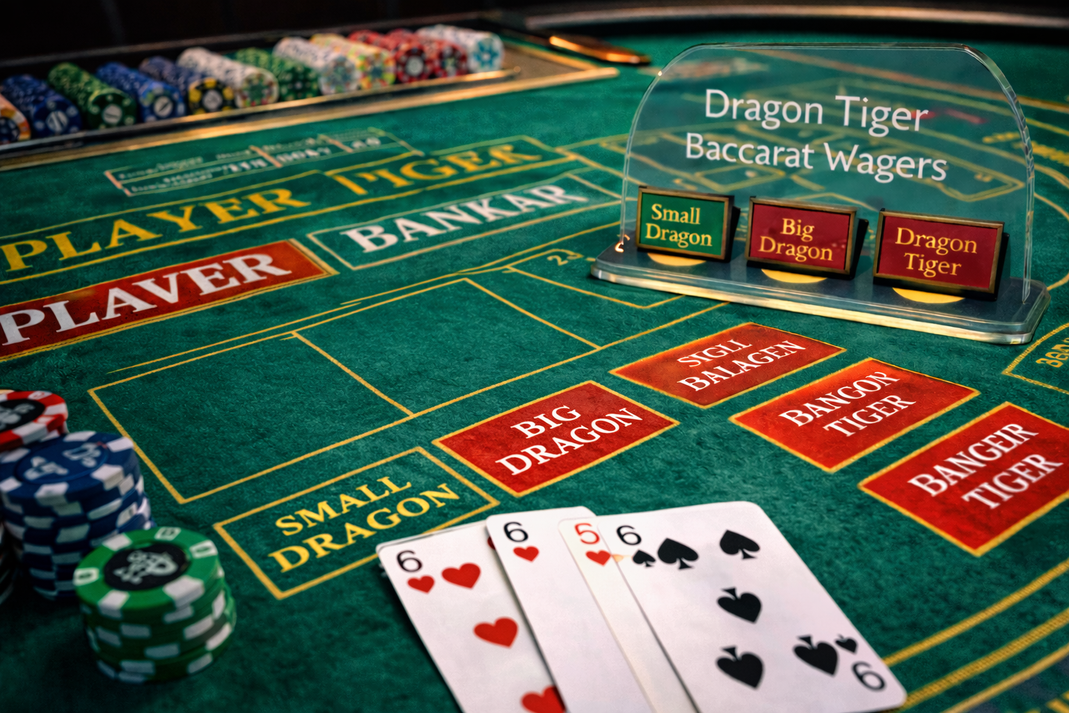
New Zealand DIA Consults on Baccarat Rule Changes, Including New “Dragon Tiger” Wagers
The Department of Internal Affairs is seeking feedback on proposed Baccarat rule updates, including a new wager variation and clearer table signage rules.

Mountain West Conference, Palms Casino Resort Strike Multiyear Partnership
Palms will now become the Official Hotel Partner of the conference, which includes schools such as UNLV and Nevada, through 2028.
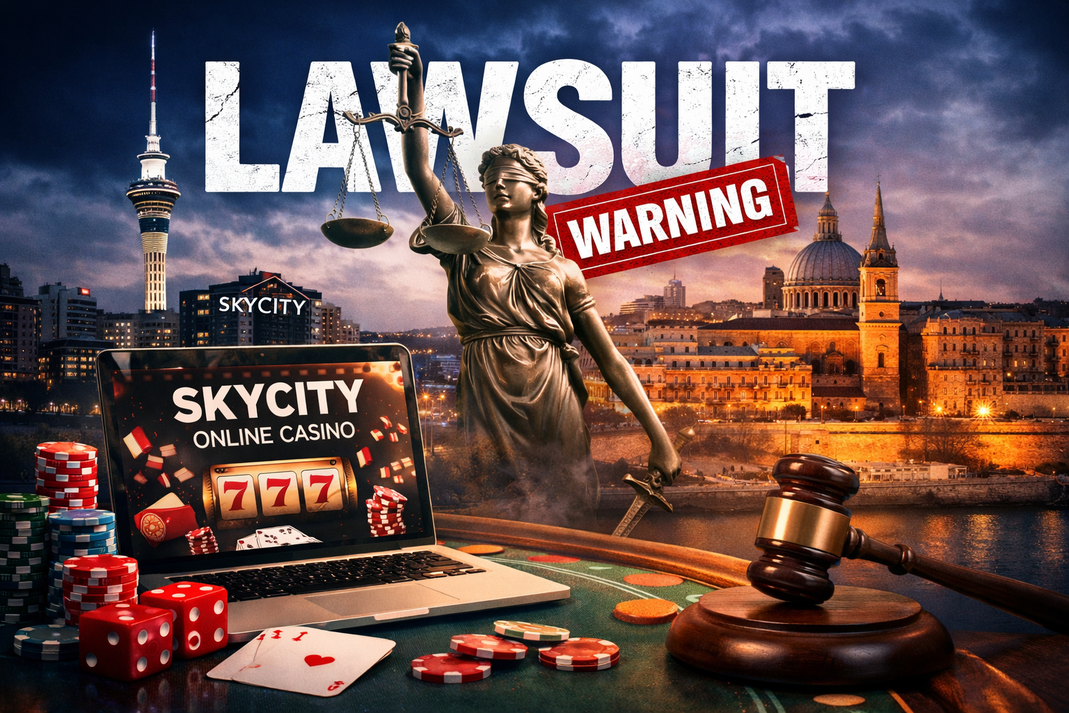
SkyCity Faces Legal Test Over Malta-based Online Casino
SkyCity says it will defend proceedings over losses on SkyCity Online, as a funded class action looks set to test whether the Malta-based model was lawful for NZ players.
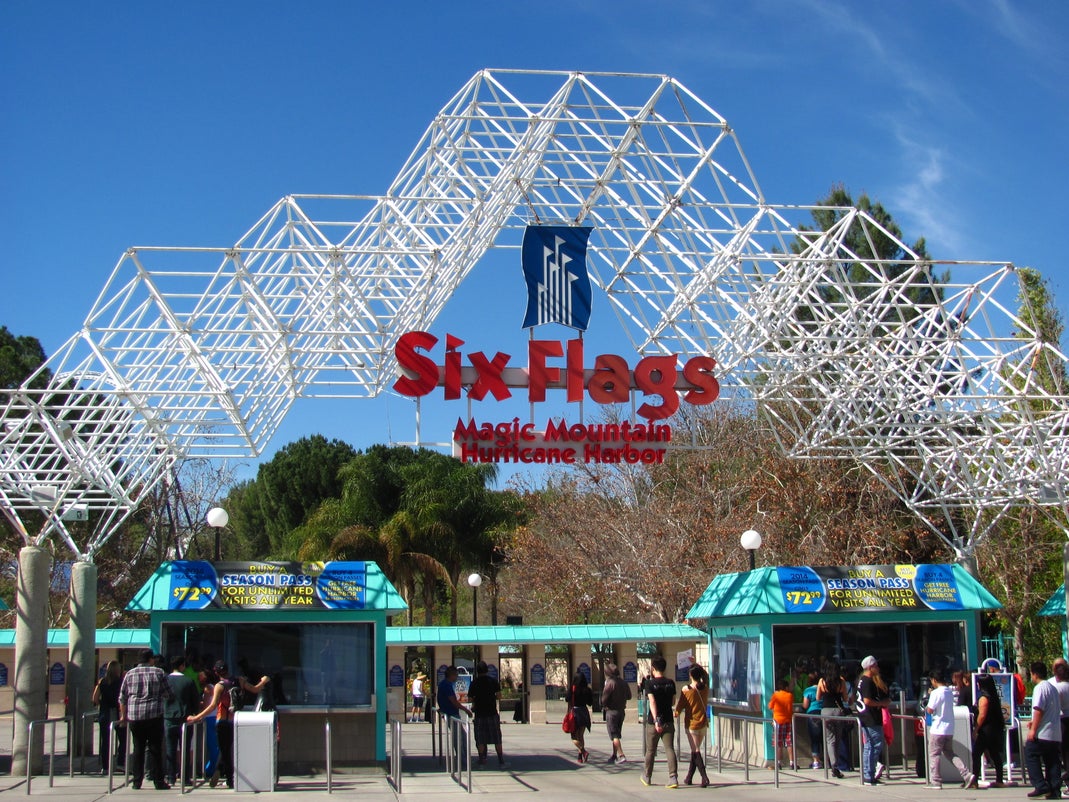
Six Flags to Sell Seven Theme Parks to EPR Properties for $331 Million
Six Flags is selling seven amusement parks to EPR Properties in a $331 million deal aimed at focusing on higher-performing locations.
Gambling Commission chief Andrew Rhodes set for consultancy role after regulator exit
Outgoing Gambling Commission CEO Andrew Rhodes is reportedly preparing to join a consultancy created by gambling law firm Harris Hagan after leaving the regulator, raising questions about potential conflicts of interest.

Bet365 ends longstanding UK racing sponsorships amid tax pressure
Bet365 has confirmed it will end several long-running horse racing sponsorships, including the Craven Meeting and major Haydock fixtures, citing growing tax and regulatory pressures facing UK betting operators.
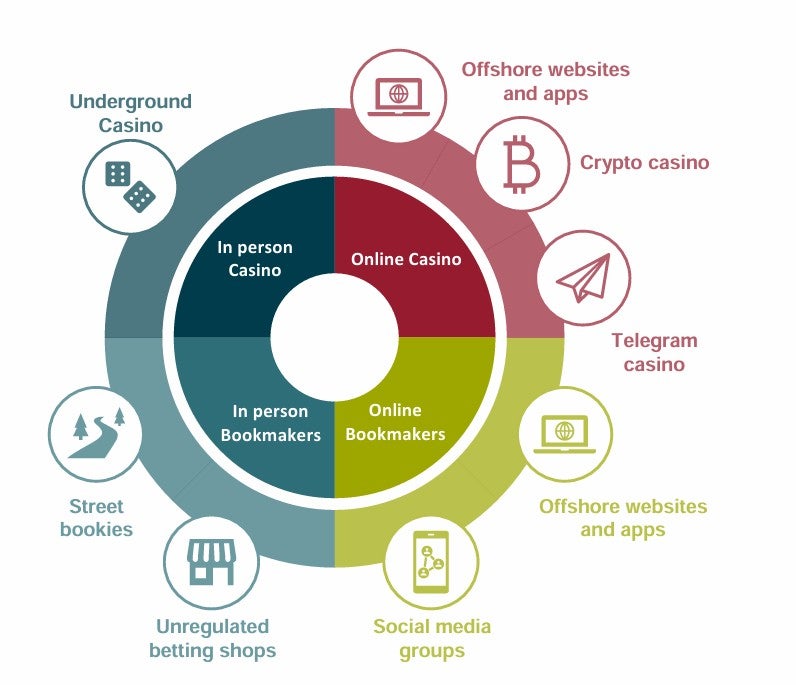
BGC launches Spot the Black Market campaign amid illegal gambling concerns
The Betting and Gaming Council has launched a new “Spot the Black Market” campaign aimed at helping players identify illegal gambling sites as concerns grow about the size of the UK’s online black market.