
UK under pressure over gambling advertising after pushes for stricter rules

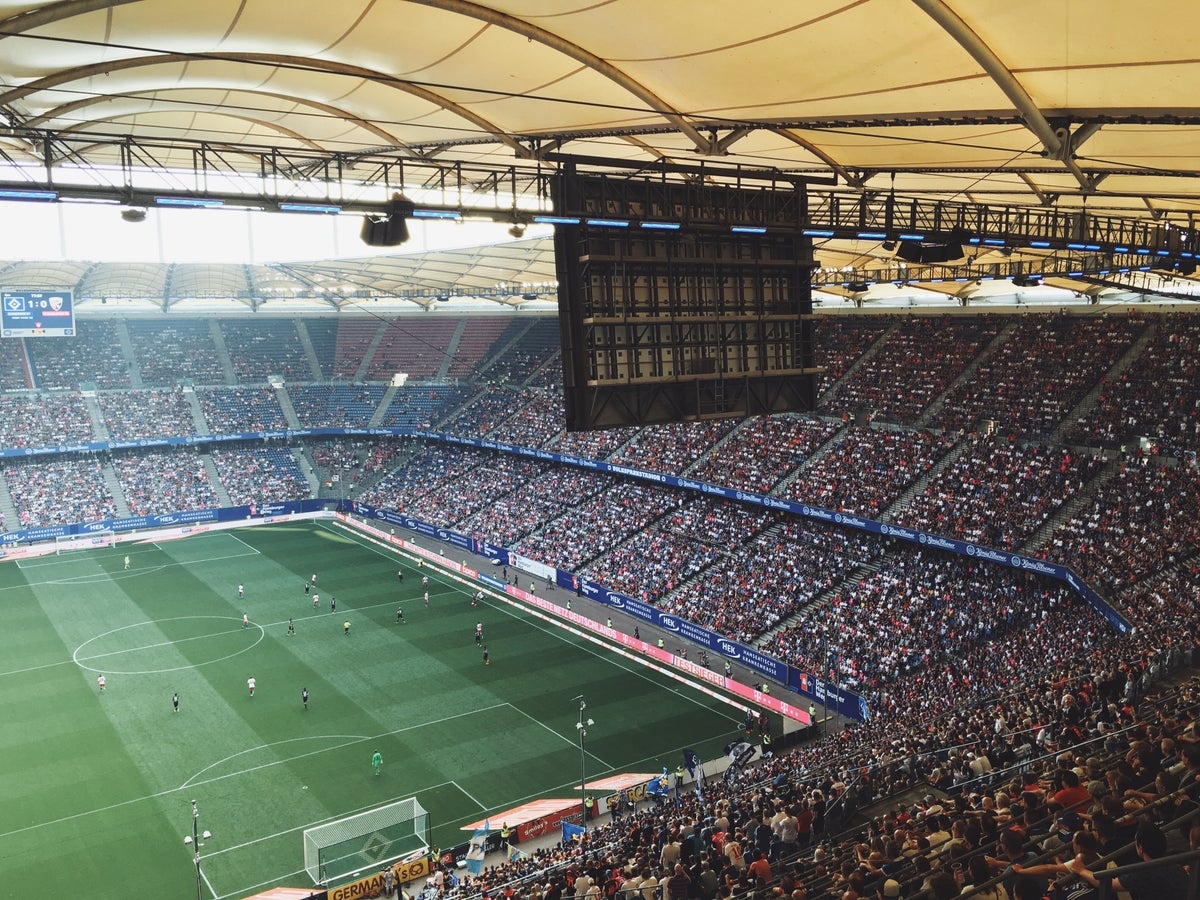
UK lawmakers are facing renewed pressure to tighten gambling advertising rules amid growing concerns current protections don’t go far enough. Photo by RawPixel.com, CC by 1.0
Key Takeaways
- UK ministers are being pressured to restrict advertising on gambling.
- Campaigners say rules don’t protect vulnerable groups enough.
- Further restrictions could affect operators, broadcasters and sponsors.
We are seeing renewed pressure on the UK government to tighten up gambling advertising rules. In recent weeks, ministers have faced growing criticism from campaigners and MPs, with concerns being raised about the inadequacy of existing restrictions.
While advertising in the UK is already regulated, the concerns are that the current rules have not kept up with how gambling is marketed. Particular attention has focused on digital platforms and live sport—critics believe current safeguards don’t do enough to protect vulnerable audiences. The issue has resurfaced amid wider discussions around consumer protection and the long-term social impact of gambling.
Pressure builds on ministers over gambling advertising
Calls for tougher rules have intensified recently, and campaigners are urging the government to act. Gambling promotions are widespread across television, online media and sports events, despite existing restrictions. Advertising linked to football has become a particular focus because it’s difficult for anyone to avoid exposure to gambling ads when watching live matches.
The campaigners' standpoint is clear: voluntary measures and limited bans have not delivered meaningful reductions in the overall volume of gambling advertising.
Current safeguards and oversight
Gambling advertising in the UK is a role shared between the Gambling Commission and the Advertising Standards Authority. These regulators set and enforce standards aimed at protecting consumers.
Existing rules prohibit advertising that targets children or suggests gambling can solve financial problems. The concerns are, however, that enforcement has struggled to keep up. Marketing tactics have changed, for example, and we’re seeing more and more social media campaigns and influencer-led promotions.
Industry implications and next steps
Further restrictions could carry significant consequences for the industry. Operators may face tighter limits on marketing channels. Broadcasters and sports organisations, though, could be forced to change sponsorship arrangements.
Industry groups have previously warned that additional controls risk unintended economic impacts. Particularly within professional sport, we might add. For now, ministers haven’t confirmed whether there will be any upcoming legislative changes. The issue is, though, expected to remain under review as both political and public pressure continue.
Paul Skidmore is a content writer specializing in online casinos and sports betting, currently writing for Casino.com. With 7+ years of experience in the iGaming industry, I create expert content on real money casinos, bonuses, and game guides. My background also includes writing across travel, business, tech, and sports, giving me a broad perspective that helps explain complex topics in a clear and engaging way.