Hokkaido’s Input
In light of the national government’s recent public consultations on the next IR application period, set for May 6 to November 5, 2027, Hokkaido has submitted opinion documents advocating for region-specific resort models.
The prefecture emphasized the importance of adapting casino formats to local contexts instead of applying a one-size-fits-all approach for major cities.
Hokkaido had previously shown interest in the initial application cycle but withdrew in late 2019. The first round concluded in December 2023, resulting in the approval of MGM Osaka, a massive JPY1.51 trillion project expected to open by 2030.
Regional IR Concept
The newly formed expert panel in Hokkaido, comprising nine specialists in business, tourism, and gambling addiction, is tasked with developing the prefecture’s “Basic stance on IR of Hokkaido” and a tailored “Hokkaido-Style IR Concept.”
During its inaugural session, panel members discussed the potential economic advantages of integrated resorts, with business representatives expressing optimism. In contrast, addiction specialists highlighted various risk factors and proposed mitigation strategies. A follow-up meeting is set for February 3, where the group will explore facility scale, functions, and community integration.
Meanwhile, officials from Wakayama and Fukuoka have indicated they may not participate in the 2027 application process, raising questions about the uneven expansion of Japan’s IR plans.
Ongoing Regulatory Developments
The call for a review aligns with Japan’s evolving casino regulatory framework. Recently, the cabinet approved a draft budget for fiscal 2026, which includes a 5.4% increase in funding for the Japan Casino Regulatory Commission, reflecting its expanding responsibilities as MGM Osaka weaves through licensing and compliance.
Concurrently, Hokkaido’s expert panel is focused on ensuring that its proposed integrated resort differs from urban-centric models, emphasizing unique local characteristics. Governor Suzuki’s reassessment aims to uncover the reasons behind the initial round’s limited participation and single approval.


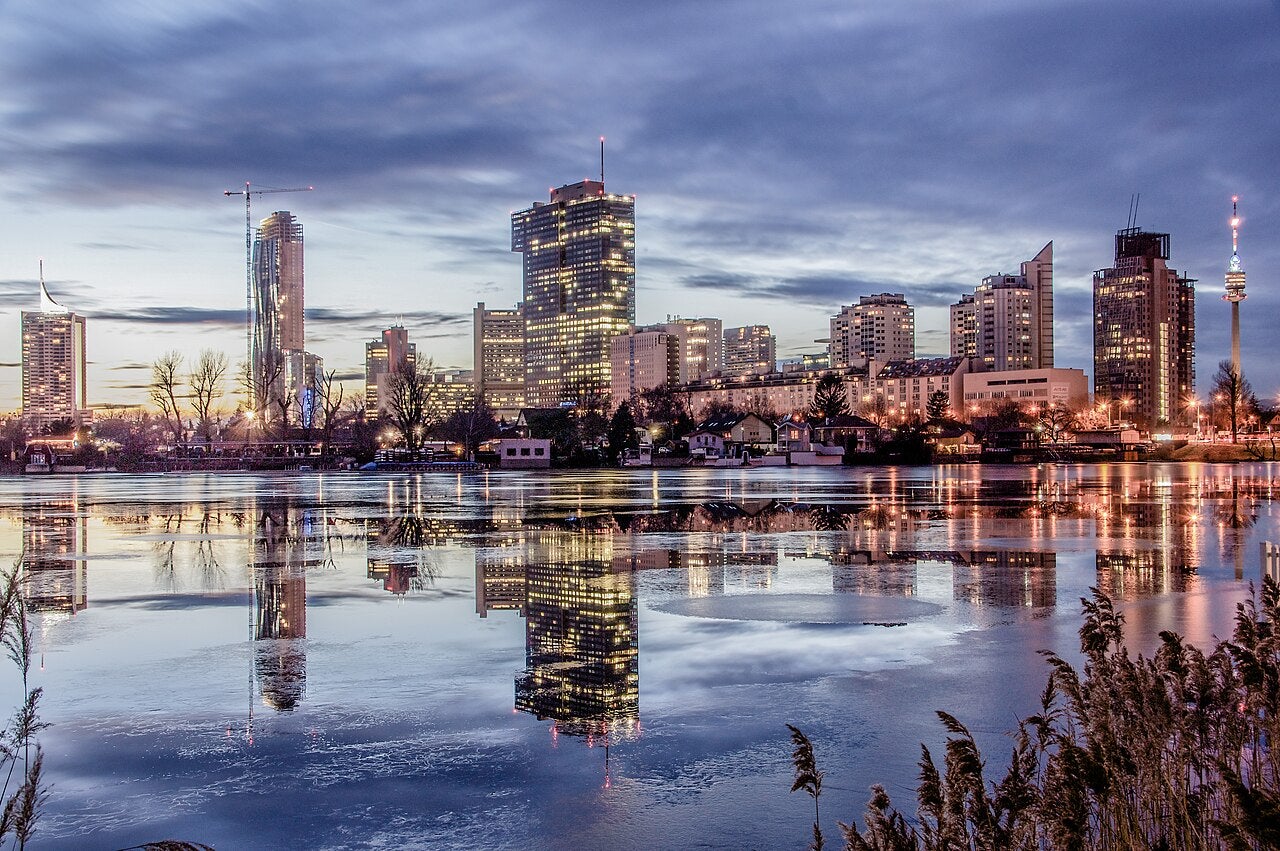
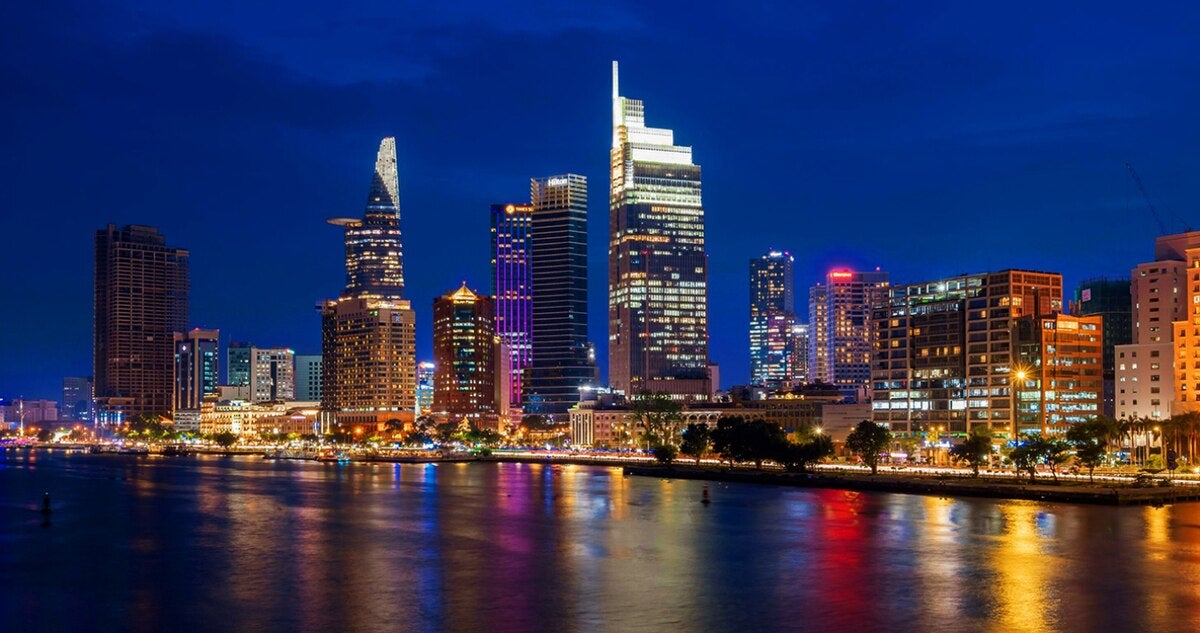
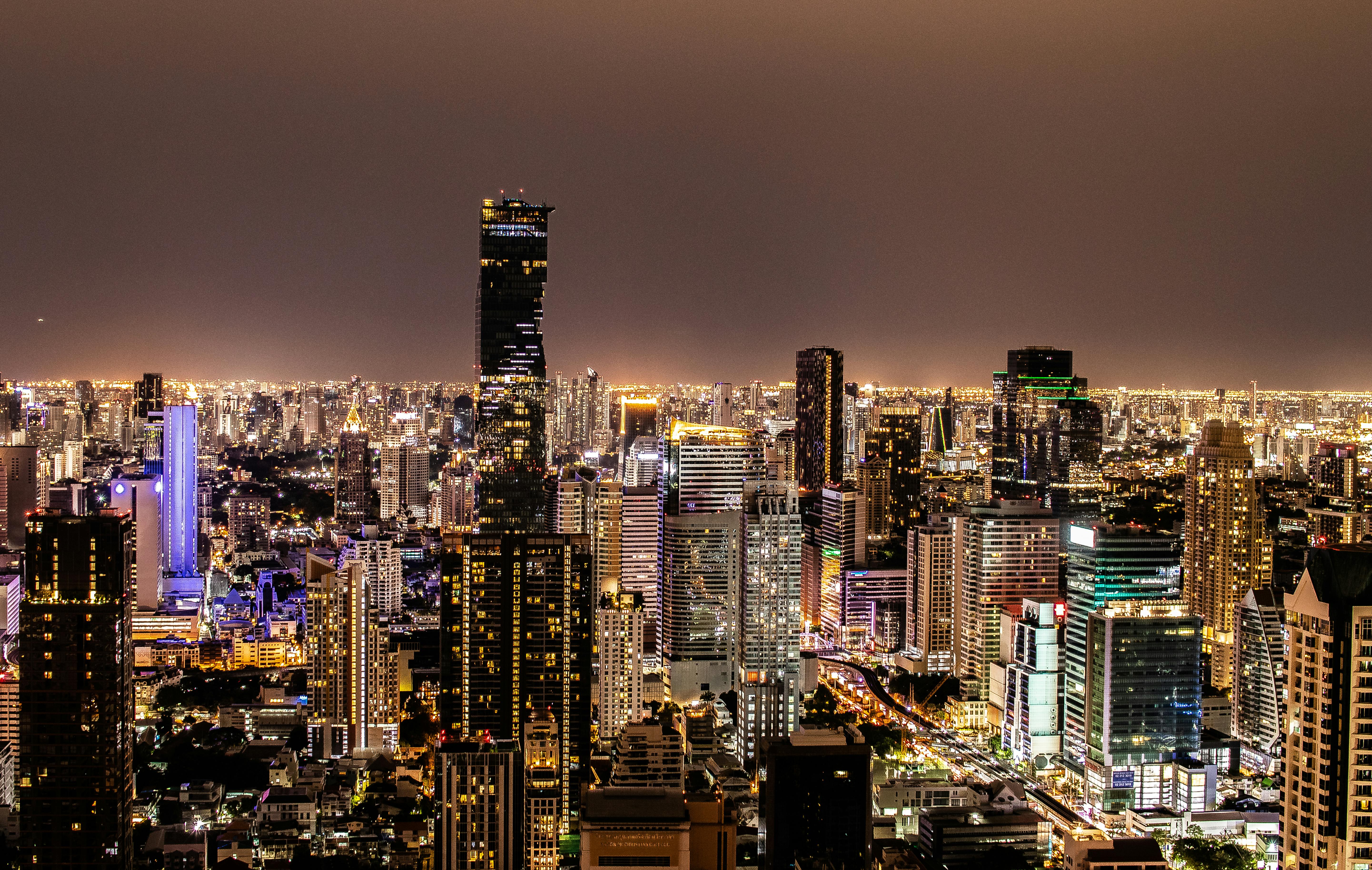
_(2374185648).jpg "Sapporo at Night – City Skyline in Hokkaido, Japan")




.jpg "Barcelona city")