


State and Tribal Gaming Interests Aligned
Finn, who serves as Program Director of the Indian Nations Gaming & Governance Program, explained that tribes are approaching the dispute differently than state governments. “States generally argue that sports prediction contracts violate their local gambling laws, declaring prediction market platforms illegal in the respective state due to non-compliance with state laws,” Finn said. “While tribes seem to focus on wider principles of compliance with federal Indian gaming legislation, tribal-state compacts and sovereignty protections.”
Finn explained, “Currently, there are over 20 ongoing cases in the United States against prediction market operators, eight in which the plaintiffs are from tribal nations. Most argue that prediction markets are violating the Indian Gaming Regulatory Act, which is federal law.”
She added that the conflict has created an alignment of interests between states and tribal gaming operators, noting that while state and tribal operators often compete over gaming policy, regulation, market access, and geographical exclusivity, prediction markets pose a common threat to both parties. “This is a unique position, because usually gaming interests between states don’t align. But in this case, they are fighting along similar lines.”
Finn says that, in addition to violating the Indian Gaming Regulatory Act, several of these court cases against prediction markets state that they are violating tribal-state compacts - legally-binding agreements that state and tribe legislators entered willfully. “And then, there’s state and tribal sovereignty, which is not addressed or adhered to,” she added.
Prediction Markets Lacking Responsible Gambling Guardrails
During the panel, Professor Finn also addressed the risks of uneven regulation of prediction markets and traditional sports betting, namely, the issue of responsible gambling as a function of the legal gambling age. “In most states and jurisdictions, the legal gambling age is 21 and over, while prediction markets can be accessible from the age of 18. How was that determined? We must closely examine social and user data to understand the potential vulnerability and gambling harm for people aged between 18 and 21, and then impose the same age limit across the board.”
She also warned about the easy access to prediction market platforms and the lack of guardrails to which gaming and betting operators are subject. “We’re still not looking closely enough at addiction issues in the prediction markets space. For now, they’re at the palm of your hand, and are very easy to access.”
Insider Trading and Artificial Intelligence Risks
Another concern raised during the panel was insider trading and the possible use of privileged, non-public information to be used for financial gain. Finn gave the example of offshore prediction market contracts related to the possible removal of Venezuelan leader Nicolás Maduro.
“There’s no clear statute that says, ‘hey, you can’t do that,’” she said, highlighting the uncertainty over how regulators are currently dealing with traders who possess privileged political, financial, and national security information.
Artificial Intelligence and the use of large amounts of data by professional trading syndicates pose another challenge that Finn addressed during the panel, highlighting the manipulation of tech-savvy groups that can quickly process large amounts of data to identify pricing inefficiencies and take unfair advantage of ordinary consumers.
“What are prediction market companies going to do to curb these networks from putting tons of data into a system and then learning trends and taking advantage of how people are going to bet?” Finn questioned. “There’s no real enforcement there either.”
.webp "Professor Danielle Finn, UNLV")
Professor Danielle Finn, UNLV
The Stakes are High for Tribal Nations
Professor Finn warned of the substantial financial implications for tribal gaming operators, citing the American Gaming Association’s estimate that prediction markets caused a loss of nearly $1 billion in tax revenue. She said that the U.S. tribal gaming as roughly a $45 billion industry and is a major force in the U.S. gaming market.
“This is taking a big chunk out of their pocket, and they know that. That’s a lot of money that could be going back into society,” Finn said, adding that tribes from New Mexico, Wisconsin, California and beyond are currently participating in the legal battle against prediction markets.
Professor Danielle Finn’s Predictions: "This is going to be a battle”
When asked for her final thoughts on the future of prediction markets, Finn said the outcome will depend heavily on the terminology used in litigation and court rulings. “It will really come down to language, as courts are considering whether sports event contracts are peer-to-peer swaps or gambling.” She also thinks the dispute can potentially escalate to the highest court of the land.
“This is going to be a battle,” she told Casino.com. “I’m thinking it’s either going to go to the U.S. Supreme Court, because there are different circuits issuing different opinions, or perhaps Congress will enact legislative action.”
Related News
Alberta iGaming Deadline: Stake In, PokerStars and 888 Out
Alberta's Oct. 13 deadline for gray-market operators has arrived. Stake secured a license, while PokerStars and 888 are cutting off Alberta poker players.
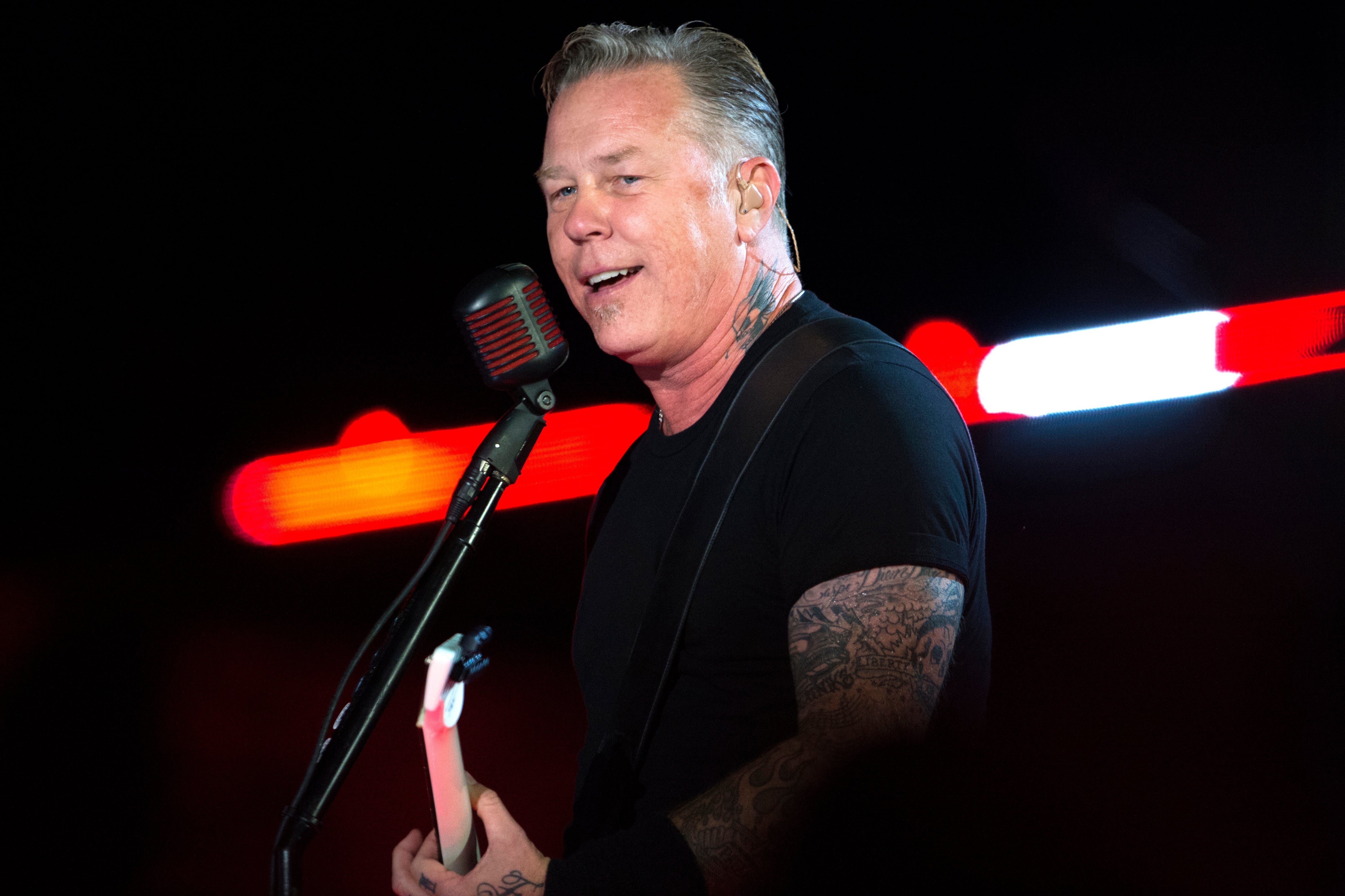
Metallica Returns to Sphere for Weekend Three in Las Vegas
Metallica plays sold-out Sphere shows October 15 and 17, while Las Vegas Takeover fan events bring a Venetian pop-up, cigar happy hours, and a blood drive.
Seminole Tribe Sues DraftKings Over Prediction Markets, DFS in Florida
The Seminole Tribe is suing DraftKings over its Florida prediction market and DFS offerings, seeking an injunction and profits.

Brazil Betting Ban Wipes Out 74% of Licensed Site Traffic
Brazil's betting ban drove licensed site traffic 74% below normal in a week, while offshore searches held steady and over 3,500 workers lost their jobs.

Maarten Haijer to lead new World Gaming and Betting Alliance
Maarten Haijer has been appointed director general of the World Gaming and Betting Alliance, a new industry body aiming to influence gambling policy worldwide.

National Lottery must lead on player protection, says Sarah Gardner
Sarah Gardner has warned that the National Lottery’s comparatively low gambling risk does not remove the need for strong player protections, with public trust central to its future.

Betano confirmed as Euro 2028 sponsor for UK and Ireland tournament
Betano has been named an official sponsor of Euro 2028, bringing Kaizen Gaming’s expanding football sponsorship strategy to the tournament hosted across the UK and Ireland.
.jpg)
Prize Competition Council appoints Tom Banks as membership grows
The Prize Competition Council has appointed former FDJ United executive Tom Banks as its first executive director, as the UK trade body grows from eight founding members to 65.